
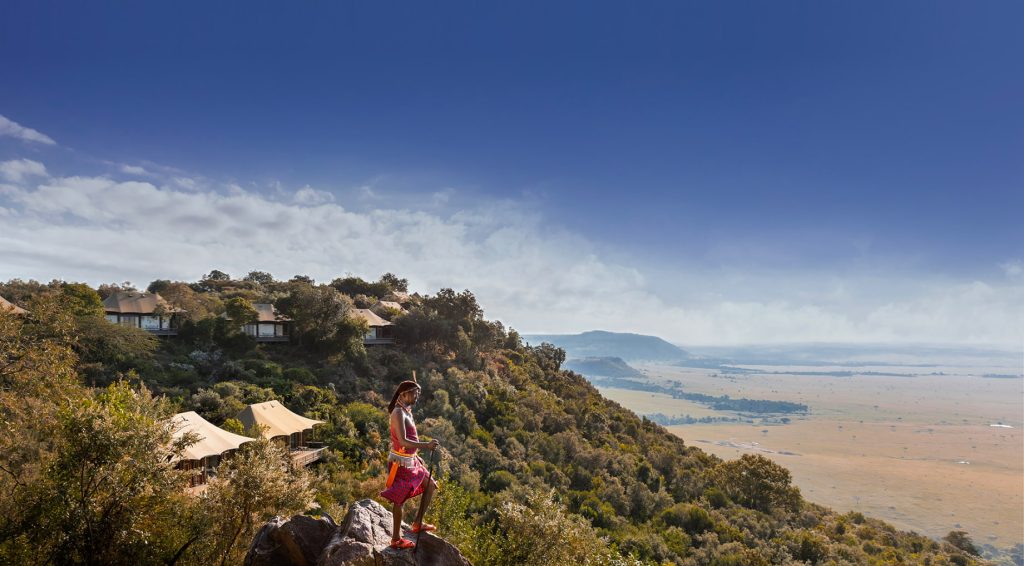
Mara North, Naboisho and Olare Motorogi are the three private conservancies that come up most often when travellers ask which part of the Masai Mara actually delivers the exclusive, few-other-vehicles experience the brochures promise. All three border the national reserve, all three cap guest numbers well below what the reserve itself allows, and all three permit walking safaris, night drives and off-road driving that the main reserve bans outright. Where they differ is size, density and what each has become known for, big elephant herds in one, exceptional lion density in another, extreme privacy in the third. Sense of Adventure matches clients to the conservancy that fits their priorities, not just whichever camp has availability.
Find the Right Conservancy for Your Priorities
Message us and we will match you to Mara North, Naboisho or Olare Motorogi based on what you want to see.
The Basics: Size, Density and What Each Conservancy Protects
Mara North is the largest of the three at roughly 70,000-plus acres, run in partnership with hundreds of Maasai landowners and home to around a dozen camps. Naboisho covers roughly 60,000 acres and is best known for one of the highest lion densities anywhere in Africa, with 70 to 100 individually identified resident lions. Olare Motorogi is the smallest at around 35,000 acres but runs the tightest density controls of the three, capping its five camps at a combined 94 beds total, which is why it is consistently named the most private of the group.
We stayed two nights each in Naboisho and Olare Motorogi and could genuinely feel the difference in how few other vehicles showed up at a sighting. In Olare Motorogi we had a cheetah completely to ourselves for twenty minutes. That kind of quiet is the whole reason to pay for a conservancy over the reserve.
— Repeat safari guest, Mara North and Olare Motorogi
Six Differences Worth Knowing Before You Choose
Mara North Is Built for Elephants and Open Landscapes
Mara North is best known for large elephant herds and consistently strong leopard sightings across classic open Mara scenery, with camps including Kicheche Mara Camp, Elephant Pepper Camp, Karen Blixen Camp and Saruni Basecamp. Its greater size compared to Naboisho and Olare Motorogi gives it more varied terrain, from riverine forest to open plains, within a single conservancy.
Naboisho Has the Lion Numbers to Back Up Its Reputation
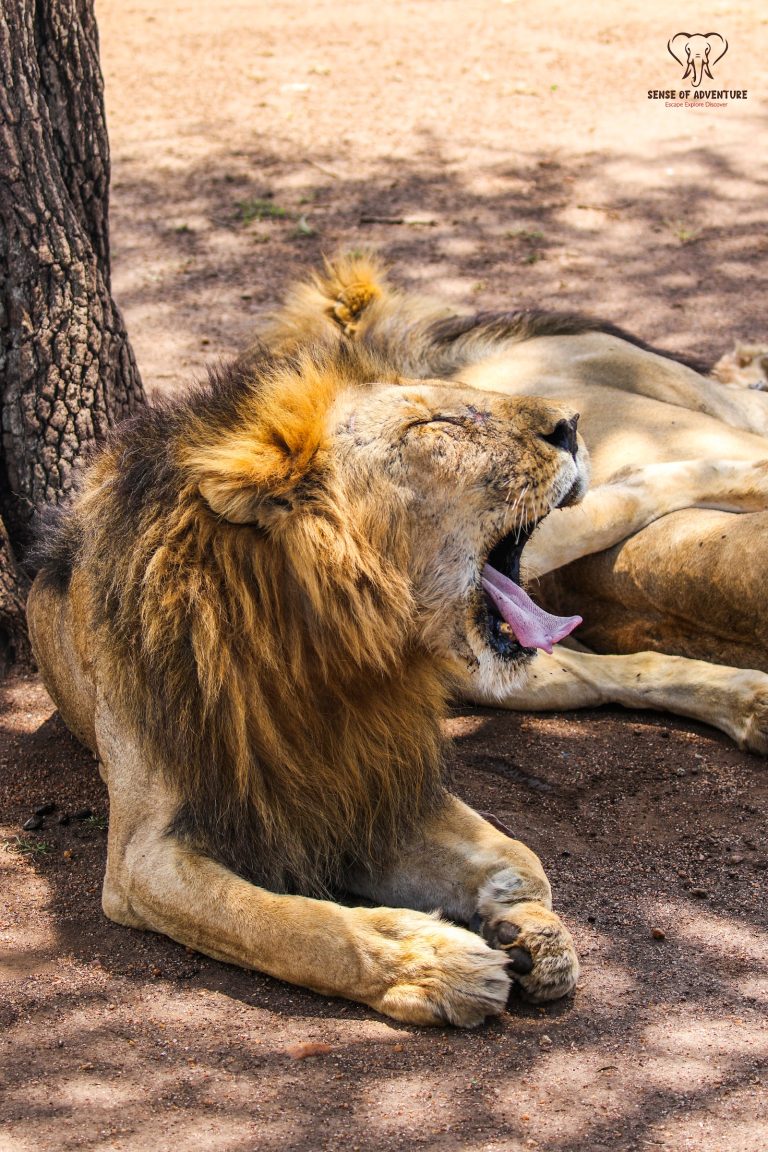
With 70 to 100 individually identified resident lions, Naboisho runs one of the highest lion densities anywhere in Africa, alongside camps such as Naboisho Camp, Kicheche Valley Camp, Ol Seki Hemingways and Basecamp Eagle View. It is also particularly known for cultural walking safaris led by Maasai guides, reflecting its close community-ownership structure.
Olare Motorogi Trades Size for Extreme Privacy
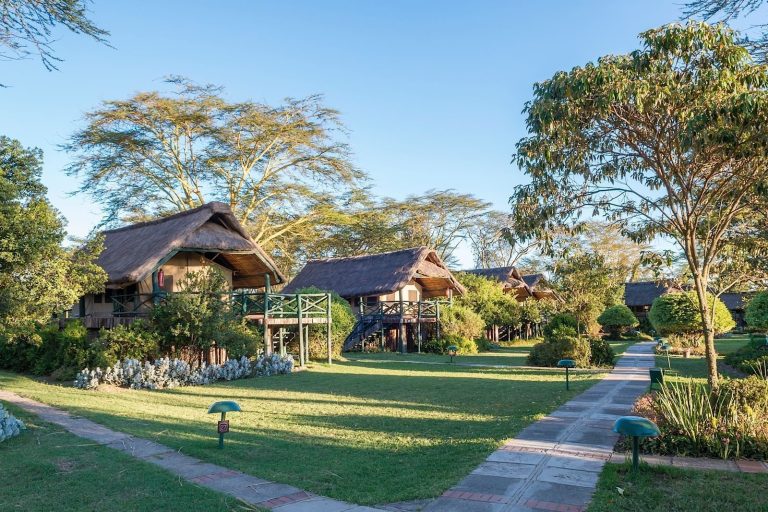
At around 35,000 acres, Olare Motorogi is the smallest of the three, but it caps just five camps at a combined 94 beds total, among them Mara Plains, Olare Mara Kempinski, Mahali Mzuri and Porini Lion Camp. That translates into one of the lowest vehicle densities in the entire Mara ecosystem, and it is frequently the top pick for travellers whose main priority is having a sighting to themselves.
All Three Allow What the Main Reserve Bans
Walking safaris, night drives and off-road driving are permitted across Mara North, Naboisho and Olare Motorogi, none of which are allowed inside the Masai Mara National Reserve itself. This is the single biggest practical reason travellers choose a conservancy stay over a reserve-based camp, regardless of which of the three they pick.
Conservation Fees Work the Same Way Everywhere
All three conservancies fund community payments to Maasai landowners through a nightly conservation fee, almost always bundled into the camp rate rather than billed as a separate line item. Rates vary widely by camp and season, so it is worth checking exactly what is included when comparing quotes rather than assuming the fee structure is identical across properties.
The Right Choice Depends on What You Are There to See
Choose Mara North for elephants, leopards and varied landscapes; choose Naboisho for lion density and strong cultural programming; choose Olare Motorogi if privacy and an exclusive, low-density experience matter more than anything else. Many longer itineraries combine two of the three, splitting a stay to get both the wildlife specialities and a change of scenery.
Match Your Priorities to the Right Conservancy
Tell us what matters most, elephants, lions or total privacy, and we will recommend the conservancy and camp that fits.
Mara North, Naboisho and Olare Motorogi at a Glance
- Mara North: roughly 70,000-plus acres, around a dozen camps, known for elephants and leopards.
- Naboisho: roughly 60,000 acres, 70 to 100 identified resident lions, known for cultural walking safaris.
- Olare Motorogi: roughly 35,000 acres, just 5 camps capped at 94 total beds, the most private of the three.
- Shared rule: walking safaris, night drives and off-road driving are allowed in all three, none permitted in the main reserve.
- Conservation fees: bundled into the nightly camp rate across all three, varying by property and season.
- Best strategy: pick based on your wildlife priority, or split a longer stay across two conservancies.
Conservancies Are One Part of a Bigger Mara Decision
Choosing between conservancies is easier once you understand how the reserve and conservancy system fits together as a whole. Our Masai Mara conservancies guide covers the broader system these three sit within, our walking safaris guide explains one of the activities unique to conservancy stays, and our Masai Mara camps and lodges guide covers specific properties in more depth.
Book Your Conservancy Stay
Availability at the top camps in all three conservancies moves fast in peak season. Message us to check dates now.
Frequently Asked Questions
What is the difference between Mara North, Naboisho and Olare Motorogi?
Mara North is the largest and best known for elephants and leopards, Naboisho has one of the highest lion densities in Africa alongside strong cultural programming, and Olare Motorogi is the smallest but runs the tightest density controls, making it the most private of the three. All three border the Masai Mara National Reserve and permit activities the reserve itself bans.
Which Masai Mara conservancy has the most privacy?
Olare Motorogi is generally considered the most private of the three, capping just five camps at a combined 94 beds across roughly 35,000 acres. Its low vehicle density is a frequent reason travellers choose it specifically over Mara North or Naboisho.
Can you do a walking safari in Mara North, Naboisho or Olare Motorogi?
Yes, walking safaris are permitted in all three conservancies, along with night drives and off-road driving, none of which are allowed inside the main Masai Mara National Reserve. Naboisho in particular is known for its cultural walking safaris led by Maasai guides.
Which conservancy has the best lion sightings?
Naboisho is best known for lion density, with 70 to 100 individually identified resident lions across the conservancy, among the highest concentrations anywhere in Africa. Mara North and Olare Motorogi also offer strong lion sightings, but Naboisho's numbers are the standout.
Do conservancy fees cost extra on top of camp rates?
Conservation fees are almost always bundled into the nightly camp rate across Mara North, Naboisho and Olare Motorogi rather than charged as a separate line item, though exact rates vary by camp and season. It is worth confirming what is included when comparing quotes between properties.