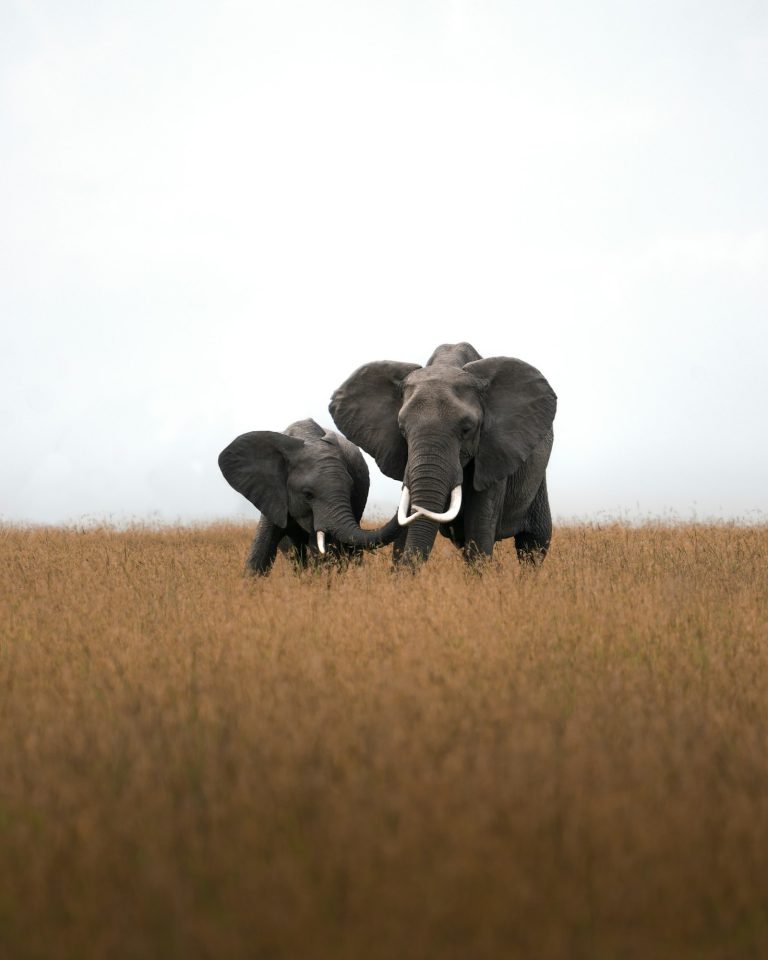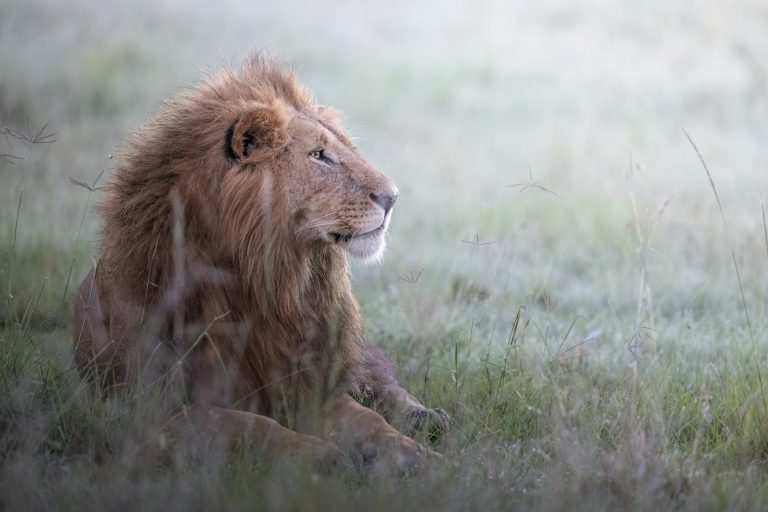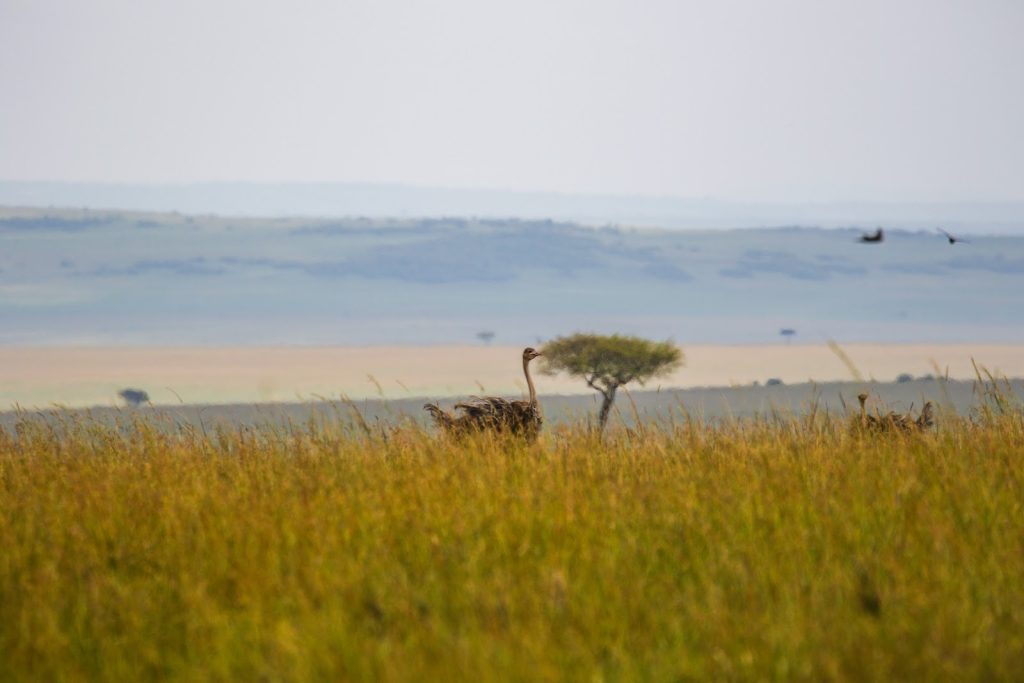
A Masai Mara walking safari trades the vehicle for your own two feet, and the difference in what you notice is immediate. A game drive shows you the animals; a walk shows you everything they leave behind: a track pressed fresh in the mud, a scent mark on a tree, a chorus of alarm calls from birds you would normally drive straight past.
You move slower, talk quieter and start reading the bush the way your guide does. It is not an activity for the national reserve itself, which keeps visitors on foot out, but for travellers staying in the right conservancy it is often the most memorable morning of the trip. Sense of Adventure, a TRA-licensed safari operator based at Mountain Mall on Thika Road in Nairobi, builds a Masai Mara walking safari into any itinerary based in a conservancy that allows it.
✅ Masai Mara Walking Safari: Quick Answer
- Where: only in the private conservancies around the reserve, such as Mara North, Naboisho, Olare Motorogi and Ol Kinyei; never inside the national reserve or the Mara Triangle.
- Who leads it: a trained walking guide, usually with a ranger or Maasai scout; the exact arrangement varies by conservancy and camp.
- How long: usually two to three hours at first light, at an easy, stop-and-look pace.
- What you see: tracks, dung, birds, insects, plants and, at a safe distance, plains game.
- Cost: included in some conservancy camp rates, an add-on at others; always confirm with the camp.
- Who it suits: most reasonably fit adults and older children; camps set their own minimum ages.
Want a morning on foot in the Mara? Ask us which conservancy camps run guided walks on your dates.
Find My Walking CampWhat Is a Masai Mara Walking Safari?
A Masai Mara walking safari is a guided bush walk through conservancy land on the edge of the reserve. Instead of sitting in a vehicle, you follow a guide on foot through grassland, along lugga riverbeds and past acacia thickets, stopping often to look, listen and learn.
The aim is not to get close to lions. It is to understand how the ecosystem works: who walked this path last night, why the birds have gone quiet, which plant the Maasai use for toothbrushes. After their first Masai Mara walking safari, most guests say it changed the way they watched wildlife on every game drive that followed.
Walks are small, slow and quiet. Groups are usually limited to a handful of guests, and the guide sets a pace that leaves plenty of time for questions and photographs.
Where and Why Walking Safaris Work in the Masai Mara
Walking safaris are not permitted inside the Masai Mara National Reserve itself, including the Mara Triangle, but they are allowed in the private conservancies bordering it, among them Mara North, Naboisho, Olare Motorogi and Ol Kinyei. These conservancies can offer walks because guest numbers are capped relative to land size, there are no day-trippers passing through, and the Maasai landowners who lease the land have a direct stake in managing the activity safely.
A typical walk lasts roughly two to three hours and is almost always scheduled for early morning, when temperatures are cool and animals are most active. The distance covered is modest, because the walk is about stopping and looking rather than covering ground.
Conservancies that offer a Masai Mara walking safari
Each conservancy has its own character, and camps within them decide whether and how they run walks. Our guides to Mara North conservancy camps, Naboisho conservancy camps, Olare Motorogi conservancy camps and Ol Kinyei, Lemek and Enonkishu describe the camps in each area. For a side-by-side view, read our Mara North vs Naboisho vs Olare Motorogi comparison.
Why the reserve stays off-limits on foot
The national reserve receives far more visitors than the conservancies, has a high density of big predators and is managed for game viewing from vehicles. Keeping people in vehicles there protects both visitors and wildlife. The conservancy model, with fewer beds and trained walking guides, is what makes a Masai Mara walking safari possible. Our reserve vs conservancies rules guide explains the other differences, from off-road driving to night drives.
Expert tip from our Nairobi team
Book your walk for the morning after your first full day of game drives. By then you know the animals by sight, so you can enjoy the tracks, birds and plants your guide points out instead of hoping for a big cat. Ask the camp in advance who leads its walks and whether a ranger or scout joins, as arrangements differ between conservancies.

Six Things to Know Before You Book a Masai Mara Walking Safari
It Only Happens in the Conservancies
The Masai Mara National Reserve, including the Mara Triangle, does not permit walking safaris, largely because of visitor density and predator concentration. The private conservancies that border the reserve, Mara North, Naboisho, Olare Motorogi and Ol Kinyei among them, allow it because they cap guest numbers, control vehicle traffic and are run in partnership with the Maasai communities who own the land. If a walking safari matters to your trip, your camp needs to be in one of these conservancies.
You Walk With Trained Guides
A proper Masai Mara walking safari is led by a trained walking guide, often accredited through the Kenya Professional Safari Guides Association, and usually accompanied by a ranger or Maasai scout. In some areas the escort is armed strictly for emergencies; in others it is not, so ask your camp how its walks are staffed. Small groups, careful routes and strict rules are what keep walking safe alongside lions, buffalo and elephant.
The Focus Is on What You Would Otherwise Drive Past
A walking safari rarely delivers a close-up lion sighting, and that is not really the point. Guides focus on tracks and dung to work out which animals passed recently, on birdlife across an ecosystem with more than 450 recorded species, and on the smaller creatures and plants a vehicle moves too fast to notice. Many walks also cover traditional Maasai bush skills, from reading the wind to the medicinal and practical uses of local plants.
Timing and Pace Are Built for Comfort
Most walking safaris depart at first light, when temperatures are coolest and wildlife is most active, and run for two to three hours at an easy, conversational pace. It is a low-to-moderate activity suited to most reasonably fit adults, not a strenuous hike, and some camps end the morning with a bush breakfast at the end of the route.
Pricing Varies by Camp
Some conservancy camps bundle a walking safari into the daily rate or conservation fee, while others price it as an add-on, so confirm with your specific camp rather than assuming either way. Several camps in Ol Kinyei, Naboisho and Mara North are built around walking and have long-standing walking-guide programmes; we can recommend the right one for your dates and budget.
It Pairs Naturally With a Night Drive
Because walking safaris and night drives are both conservancy-only activities that are not allowed inside the main reserve, camps that offer one very often offer the other. A multi-night conservancy stay lets you combine both with standard game drives. Ask your camp to build a full activity plan rather than defaulting to two game drives a day for the whole stay.
A Typical Masai Mara Walking Safari, Step by Step
Every camp runs its walks a little differently, but most follow the same rhythm. Knowing what to expect makes it easier to relax and enjoy the morning.
- Early wake-up call. Tea or coffee arrives around first light, and you dress in neutral layers and closed shoes.
- Safety briefing. Your guide explains the hand signals, the single-file order and what to do if an animal comes close. Listen carefully; it takes five minutes and matters.
- A short drive or walk out. Some walks start from camp, others from a point a short drive away chosen for the morning’s conditions.
- The walk itself. You move slowly, stopping to read tracks, examine dung, watch birds and hear stories about plants and Maasai bush craft.
- Wildlife at a respectful distance. When the guides spot plains game or elephant, they position the group downwind and well back, so you can watch without disturbing them.
- Breakfast or pick-up. Many walks end at a vehicle, and some camps set up breakfast in the bush before you return.
What You See on a Masai Mara Walking Safari
The sightings on foot are different from those on a game drive, and many guests find them more personal. These are the highlights most guides like to share.
Tracks, dung and signs
Fresh tracks tell the overnight story: a hyena that trotted past, a herd of zebra heading to water, perhaps a leopard on the edge of a lugga. Guides read dung like a newspaper, explaining diet, age and how recently an animal passed. On a Masai Mara walking safari, these small clues quickly become the most exciting part of the morning.
Birds you would normally drive past
On foot you hear birds before you see them. Alarm calls from francolins or plovers can reveal a hidden predator, and the guide will often stop to point out bee-eaters, rollers, hornbills and weavers. Bring binoculars; they make a real difference.
Small life and plants
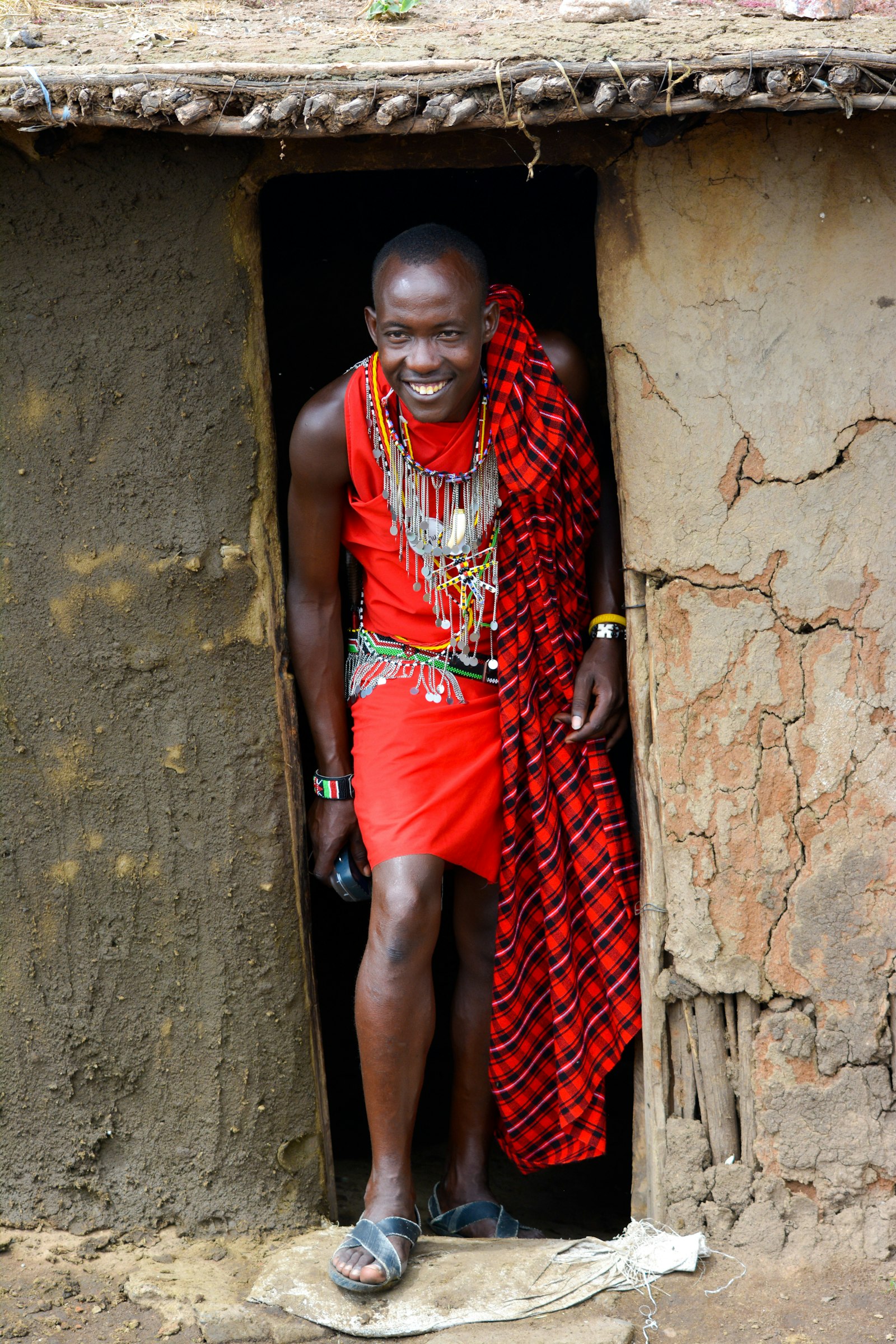
Termite mounds, dung beetles, spiders’ webs heavy with dew and the tiny dik-dik are all easier to appreciate from the ground. Maasai guides add knowledge you cannot get from a book, such as which shrub is used as a natural toothbrush and which bark is boiled as medicine.
Big animals, seen safely
You may well see giraffe, zebra, wildebeest, impala or elephant on a walk, always from a distance the guide judges safe. The aim is to observe calmly, never to approach, and walking guides deliberately steer clear of big predators and buffalo.
Where to Stay for a Masai Mara Walking Safari
Choosing the right camp is the single biggest decision for a Masai Mara walking safari. If walking matters to you, the camp must sit in a conservancy that permits it and must employ qualified walking guides. This simple table helps you compare the main options.
| Where you stay | Walking safari? | Good to know |
|---|---|---|
| Inside the national reserve | No | Superb game drives and migration crossings, but no walks |
| Mara Triangle | No | Part of the reserve; vehicle-based viewing only |
| Mara North, Naboisho, Olare Motorogi | Yes, at many camps | Low vehicle numbers; walks and night drives often offered |
| Ol Kinyei and nearby conservancies | Yes, at many camps | Quieter areas with strong walking traditions |
| Camps just outside the reserve | Sometimes | Some run short walks on community land; check what is offered |
A good compromise for many travellers is a split stay: two or three nights in a conservancy for walks and night drives, then a night or two near the reserve for river crossings in migration season. Our guide to inside or outside Masai Mara camp locations explains the trade-offs.
Not Sure Which Conservancy Camp Walks Best?
Tell us your dates, budget and how much walking you want, and we will suggest camps where a guided walk is part of the daily rhythm.
Best Time for a Masai Mara Walking Safari
A Masai Mara walking safari is possible all year in the conservancies, but conditions change with the seasons. The long dry season, roughly June to October, brings shorter grass, firm ground and the Great Migration, which makes for good visibility on foot.
The short rains around November and the long rains around April and May can make paths muddy and grass taller. Camps may shorten or reschedule a Masai Mara walking safari after heavy rain, and a few close for part of the long rains. January to March is often warm and green, with fewer visitors and plenty of young animals.
Whatever the month, walks start early because mornings are cool. Our Kenya weather by month guide shows what to expect in each season.
How Much Does a Masai Mara Walking Safari Cost?
There is no single price for a Masai Mara walking safari, because it is usually part of a conservancy camp stay rather than a separate ticket. Some camps include walks in the nightly rate, while others charge per walk.
Conservancies also charge a daily conservancy fee, which supports the Maasai landowners and is normally built into the camp rate. Our Kenya conservancy fees guide explains how these fees work. Our Masai Mara safari packages start from USD 590, and we can quote a conservancy-based version with walking included where the camp offers it.
If you want walking to be the centre of the trip rather than one morning, our Laikipia walking safari is listed from USD 4,200 and is built around time on foot.
Get a Written Quote With Walking Included
The best conservancy camps book early, especially from July to October. Send your dates and we will price a Mara stay with a guided walk built in.
Request My Walking QuoteWho Can Join: Age, Fitness and Health
A Masai Mara walking safari suits most people who can walk comfortably for a couple of hours on uneven ground. You do not need to be an athlete, but you should be able to keep a steady pace, stand quietly for a few minutes and follow instructions quickly.
Each camp sets its own minimum age for walks, and the rules vary, so check before you book if you are travelling with children. Families with younger children can often enjoy a short walk around camp instead of a full Masai Mara walking safari. If you have a heart condition, recent injury or mobility limits, tell us in advance; our safari fitness guide sets out what is realistic.
What to Wear and Pack for a Masai Mara Walking Safari
- Neutral clothing: khaki, olive, brown or grey; avoid white, bright colours and camouflage.
- Closed, comfortable shoes: trainers or light walking boots that are already broken in.
- Layers: a fleece or light jacket for the cool start, which you can remove as the sun rises.
- Hat and sunscreen: the equatorial sun is strong, even early in the morning.
- Binoculars and a small camera: keep them on a strap so your hands stay free.
- Water: most camps provide it, but ask if you should carry your own bottle.
- Insect repellent: useful near water and long grass.
For a full list, see our what to pack for a Masai Mara safari guide.
Safety Rules on a Masai Mara Walking Safari
A Masai Mara walking safari has an excellent safety record when the rules are followed. Your guides will repeat them in the briefing, but they are worth knowing before you go.
- Walk in single file and stay close to the person in front.
- Keep talking to a whisper and switch phones to silent.
- Never run. If an animal approaches, stand still and wait for the guide’s instruction.
- Do not wander off to take photographs; ask the guide to pause instead.
- Tell the guide straight away if you feel unwell or need a rest.
Our walking bush safari safety rules and is a walking safari safe guides go into more detail. For general safety and entry information, read the GOV.UK travel advice for Kenya.
Combining a Masai Mara Walking Safari With Other Experiences
A Masai Mara walking safari sits naturally alongside the other conservancy activities. A good three-night plan might include morning and afternoon game drives, one walk, one night drive and a sundowner. Our nocturnal wildlife guide covers the night drives, and our Masai Mara bucket list lists other experiences worth adding.
If you want to walk in more than one place, Kenya has other strong options, from Laikipia’s conservancies to Crescent Island on Lake Naivasha. Our best parks for walking safaris in Kenya compares them. The Magical Kenya tourism site is also a useful starting point for wider trip ideas.
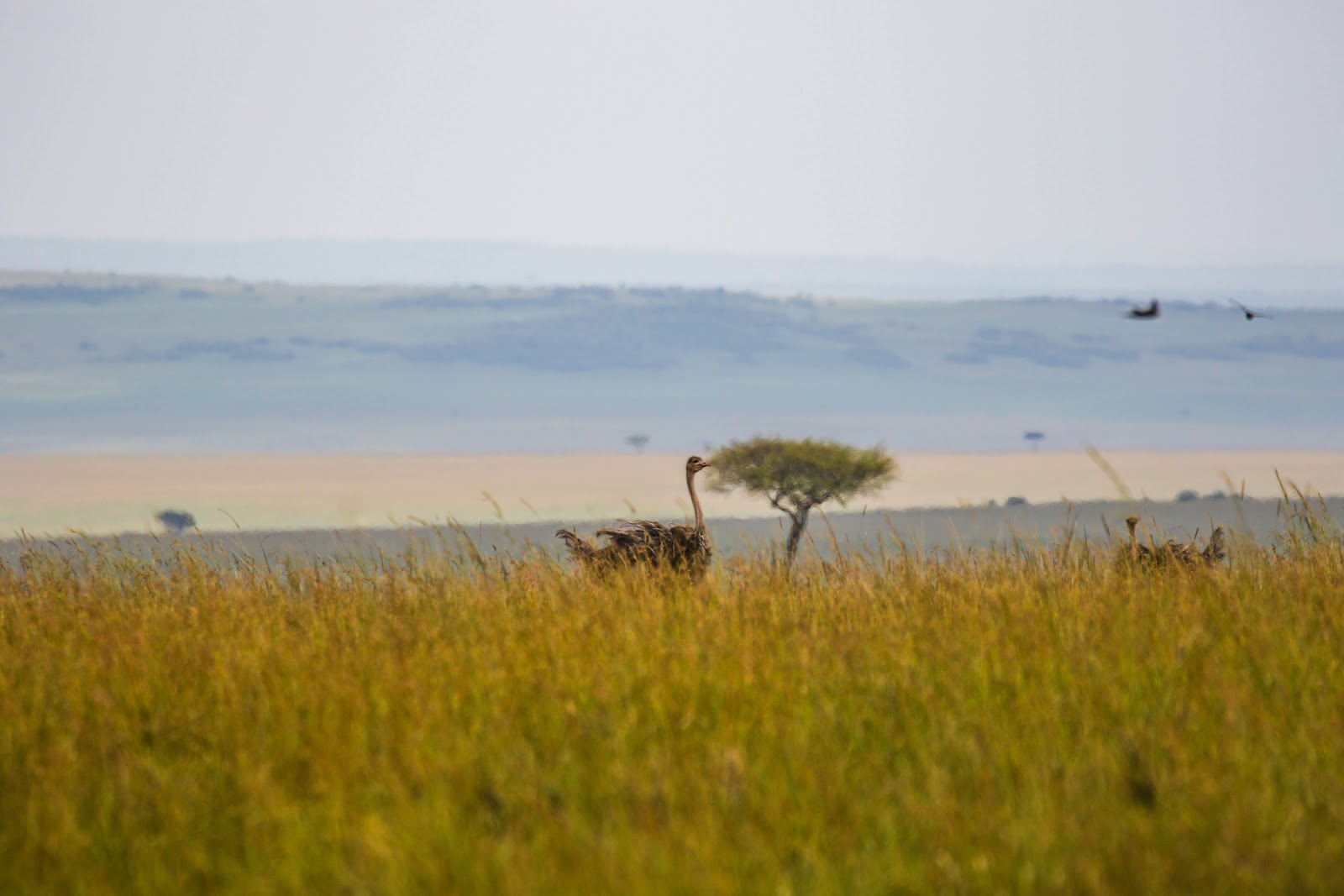
Masai Mara Walking Safari Facts at a Glance
- Where allowed: only in the private conservancies bordering the reserve, including Mara North, Naboisho, Olare Motorogi and Ol Kinyei; never inside the national reserve itself.
- Duration: typically two to three hours, at an easy pace with frequent stops.
- Guides: a trained walking guide, usually with a ranger or Maasai scout; staffing varies by conservancy and camp.
- Best time: early morning, when temperatures are cool and wildlife is most active.
- Wildlife focus: tracks, dung, birdlife from an ecosystem with 450-plus recorded species, and small mammals and plants.
- Cost: bundled into some conservancy rates, priced separately at others; confirm with your specific camp.
A Walking Safari Fits Best Into a Conservancy Stay
Walking safaris work best as one activity inside a broader conservancy itinerary rather than a stand-alone booking. Our Masai Mara conservancies guide explains how the reserve and conservancy systems differ, our nocturnal wildlife guide covers the night drives that pair naturally with a morning walk, and our Masai Mara bucket list guide lists the other conservancy-only experiences worth adding.
When you are ready to plan, explore our private Kenya safari options, a luxury Kenya safari or a Kenya safari from Nairobi, any of which can include a Masai Mara walking safari.
Masai Mara Walking Safari FAQs
Are walking safaris allowed in the Masai Mara National Reserve?
No. Walking safaris are not permitted inside the Masai Mara National Reserve or the Mara Triangle, where viewing is from vehicles. They take place in the private conservancies bordering the reserve, such as Mara North, Naboisho, Olare Motorogi and Ol Kinyei, where guest numbers are capped and camps employ trained walking guides.
How long is a typical Masai Mara walking safari?
Most walks last two to three hours and leave at first light, when it is cool and animals are active. The pace is slow, with frequent stops for tracks, birds and plants, so the distance is modest. It is an easy to moderate activity for reasonably fit adults, not a strenuous hike.
Is a Masai Mara walking safari safe?
Walks have a good safety record when the rules are followed. They are led by a trained walking guide, usually with a ranger or Maasai scout, and the exact arrangement varies by conservancy and camp. Small groups, careful routes, a safety briefing and keeping well back from big animals keep the risk low.
What will I see on a Masai Mara walking safari?
Expect detail rather than close-up predators. Guides read tracks and dung, point out birds from an ecosystem with hundreds of recorded species, explain termite mounds, insects and plants, and share Maasai bush knowledge. You may also watch giraffe, zebra or elephant from a distance the guide judges safe.
Does a walking safari cost extra in the Masai Mara?
It depends on the camp. Some conservancy camps include guided walks in the nightly rate, while others charge per walk. Conservancy fees are normally built into the camp rate. Pricing is not standardised, so we confirm what each camp includes and show it clearly in your written quote.
What is the best time for a Masai Mara walking safari?
Walks run all year in the conservancies, but June to October usually brings shorter grass, firm ground and good visibility. Heavy rain in April, May and November can make paths muddy and lead camps to shorten or cancel a walk. In every month, early morning is the best time of day.
Can children join a Masai Mara walking safari?
Sometimes. Each camp sets its own minimum age for walks, and limits are usually higher than for game drives. Older children who can walk quietly and follow instructions are often welcome, while younger ones may be offered a short walk near camp. Send us their ages and we will check each camp.
Walk the Mara, Not Just Drive It
Our Nairobi team will pick a conservancy camp with experienced walking guides and build a guided bush walk into your Masai Mara itinerary.
Kenya-based experts. Real local knowledge. Transparent pricing.