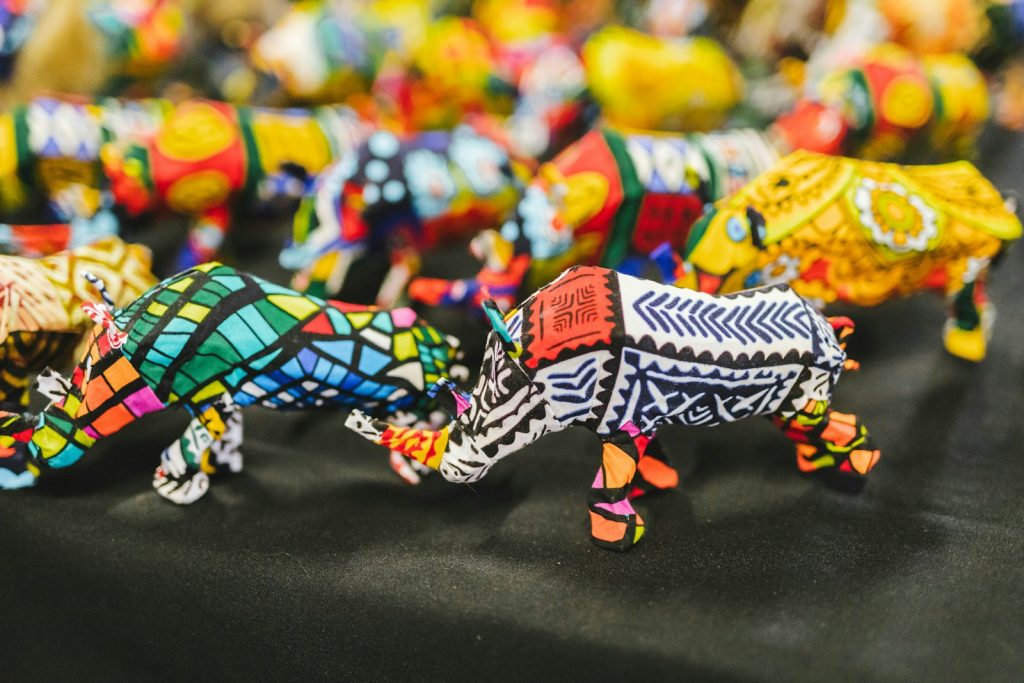
The Maasai Market Nairobi is the city’s most colourful place to shop for handmade Kenyan crafts. Hundreds of traders lay out beadwork, baskets, carvings, paintings, fabrics and leather goods on tables and blankets, creating a lively open-air market that moves between venues on different days of the week. For travellers short on time, conference delegates looking for gifts, families and budget shoppers, it is the easiest way to find authentic souvenirs at fair prices in a single visit. This guide explains how the market works, what to buy, how much to pay and how to bargain respectfully.
Short on Time and Need Gifts?
We can take you to the Maasai Market Nairobi on the right day and help you shop fairly.
What Is the Maasai Market Nairobi?
Despite the name, the Maasai Market Nairobi is not run only by Maasai traders. It began as a small gathering of Maasai women selling beadwork and has grown into a large rotating market where artisans and traders from many Kenyan communities sell their crafts. Each day of the week, the market sets up in a different location, such as a shopping centre car park or an open space in the city, so locals and visitors can find it somewhere most days.
Because the venues and days can change, it is always worth checking the current schedule before you go. Weekend markets are usually the largest, with the widest choice of goods. We confirm the location for our guests on the day of their visit.
If the open-air market is not running on the day you are free, Nairobi also has several permanent craft centres and fair-trade shops that sell similar goods in a calmer, covered setting. Prices are usually fixed and a little higher, but quality is consistent and staff can explain where each piece was made. We can include one of these as an alternative or an extra stop on your tour.

6 Things to Buy at the Maasai Market Nairobi
1. Maasai Beadwork
Colourful necklaces, bracelets, belts and earrings made by hand, often by Maasai women’s groups.
2. Kiondo Baskets
Woven sisal baskets with leather straps, strong enough for everyday use and easy to pack.
3. Soapstone Carvings
Smooth carved bowls, animals and chess sets from Kisii in western Kenya.
4. Wood Carvings
Animal figures, masks and salad servers, many carved by Akamba artisans.
5. Kikoys and Shukas
Bright cotton wraps and checked blankets that work as sarongs, scarves or throws.
6. Paintings and Leather
Canvas paintings, leather sandals, bags and belts at a range of prices.
Book the Nairobi Shopping Tour
Hotel pick-up, a local shopping guide, the Maasai Market and a craft centre. From $90 per person.
What to Buy in More Detail
Beadwork
Beadwork is the signature craft of the Maasai Market Nairobi. You will find necklaces, bracelets, earrings, belts, key rings, sandals and even beaded table mats. Traditional Maasai designs use bold colours, each with meaning: red often represents bravery and unity, blue the sky and water, green the land and white purity. Many pieces are made by women’s groups, and buying them supports their families.
Kiondo baskets
These woven sisal baskets, traditionally made by Kikuyu and Akamba women, are strong, light and useful. Many have leather handles and come in a range of sizes and colours. They make excellent shopping bags and gifts.
Soapstone
Soapstone carvings come from the Kisii region in western Kenya. Look for bowls, candle holders, animal figures and chess sets, often carved in soft pinks, creams and greys and decorated with etched patterns.
Wood carvings
Carved giraffes, elephants, rhinos, masks and kitchen utensils are popular buys. Many are made by Akamba carvers, who have a long tradition of woodwork. Check the finish and ask what wood has been used.
Fabrics
Kikoys are striped cotton wraps from the coast, while shukas are the checked red and blue blankets worn by Maasai herders. Both make practical souvenirs. You will also find kangas printed with Swahili proverbs.
Art and leather goods
Paintings of wildlife, landscapes and city scenes are sold in a wide range of styles and sizes. Leather sandals, bags and belts are also widely available.
How to Bargain at the Maasai Market Nairobi
At the Maasai Market Nairobi, bargaining is expected and is part of the fun, but it should always be friendly and respectful. Here is a simple approach:
- Walk around the whole market first to compare quality and prices.
- Ask the price, then make a counter-offer of around 40 to 60 percent of the first price.
- Expect to settle somewhere between your offer and the asking price.
- Buy several items from one trader for a better overall deal.
- Smile, be patient and walk away politely if you cannot agree.
- Once a price is agreed, pay it; changing your mind after agreeing is considered rude.
Remember that the difference of a few hundred shillings may mean little to you but a lot to the trader. Aim for a price that feels fair to both sides.
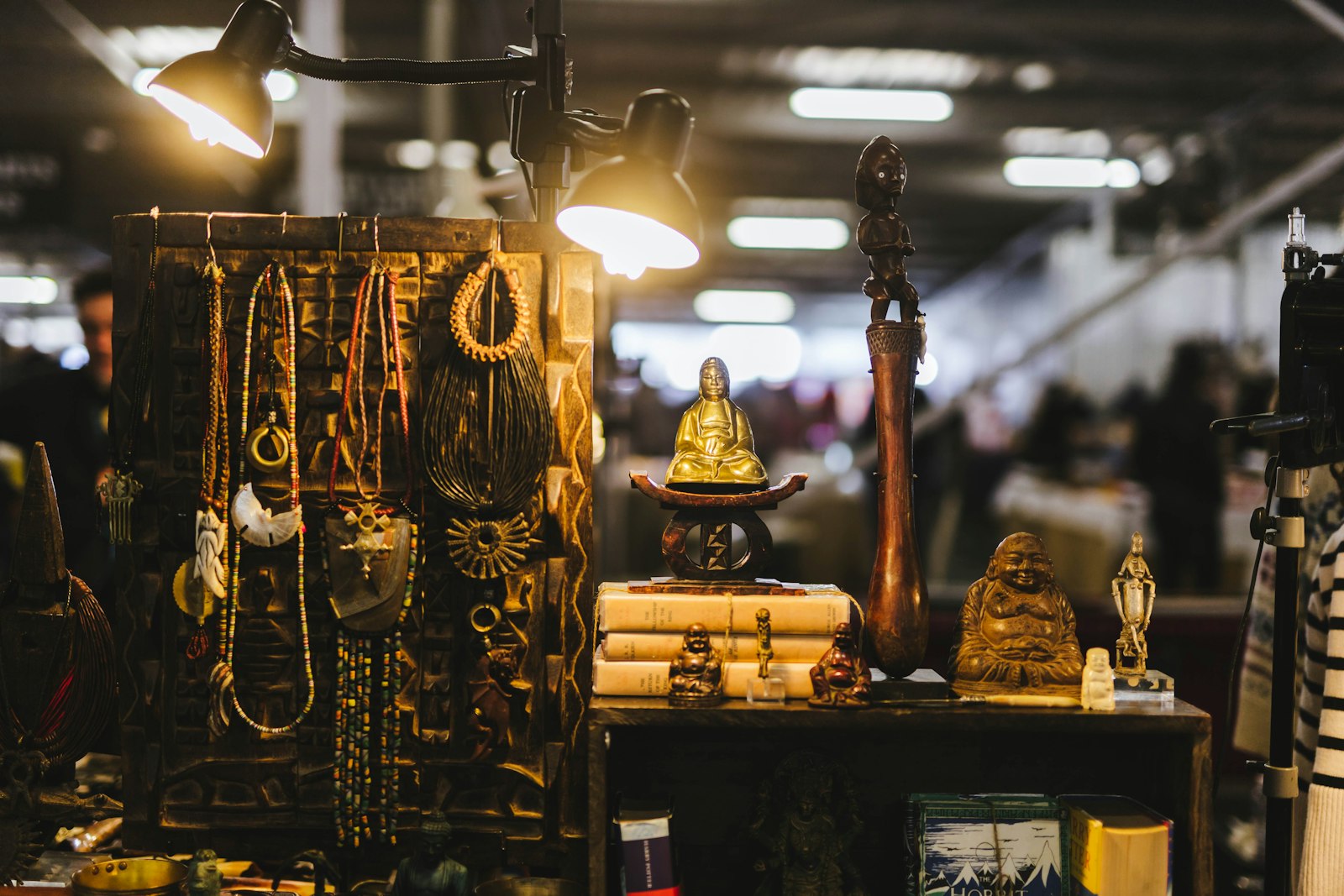
Who Should Visit the Maasai Market Nairobi?
Travellers short on time
If you have only an afternoon in Nairobi, the Maasai Market Nairobi lets you buy all your gifts in one place. A guide helps you find the market quickly, shop efficiently and get back to your hotel or the airport.
Conference delegates and business visitors
Delegates often need gifts for family and colleagues. The market is close to many hotels and conference venues, and a short guided visit in the late afternoon fits well around sessions.
Travellers in transit
With a daytime layover and a valid entry permit, you can visit a market near the city, pick up souvenirs and return to the airport in good time.
Budget travellers and students
The market offers some of the best prices in the city for handmade crafts, especially if you bargain well and buy in quantity.
Dignitaries and their families
For official visitors who prefer not to browse a busy market, we can arrange a private visit to a quieter craft centre or bring selected artisans and goods to a hotel setting with advance notice.
International school groups
The market is a lively lesson in local economics, craft traditions and communication. Teachers can set tasks such as comparing prices or learning the meaning of beadwork colours.
Payment, Safety and Practical Tips
Cash in Kenyan shillings is the most widely accepted form of payment. Some traders accept mobile money, but cards are rarely accepted. Carry small notes, as traders may not have change for large ones. Read our Kenya currency and money guide for more on paying in Kenya.
The Maasai Market Nairobi is busy, so keep your wallet and phone in a front pocket or a zipped bag. Go during daylight, and consider visiting with a guide on your first trip. Guides help you navigate, translate, judge quality and negotiate fair prices.
Maasai Market shopping tips
- Carry small notes in Kenyan shillings.
- Walk the whole market before buying.
- Agree the price and quantity clearly before paying.
- Keep your phone and wallet in a front pocket or zipped bag.
- Check the quality of beadwork, stitching and finishes.
- Bring a foldable bag for your purchases.
What Not to Buy
Some items are illegal to buy or export, and others harm wildlife. Avoid anything made from ivory, rhino horn, tortoiseshell, coral, seashells or animal skins of protected species. Be cautious with very large wooden carvings, which may be made from protected hardwoods. If in doubt, ask your guide. Customs officers at the airport may confiscate prohibited items, and penalties can be severe.
A Sample Shopping Tour
- 1:00pm: pick-up from your hotel.
- 1:30pm: arrive at the day’s Maasai Market venue with your guide.
- 1:30pm–3:30pm: browse, compare and bargain for beadwork, baskets, carvings and fabrics.
- 3:45pm: optional stop at a fair-trade craft centre for higher-end pieces.
- 4:30pm: drop-off at your hotel or the airport.
The Story Behind the Beads
Beadwork has deep cultural meaning for the Maasai and other Kenyan communities. Patterns and colours can show a person’s age set, marital status or clan, and special pieces are made for ceremonies such as weddings and coming-of-age celebrations. Women usually make the beadwork, often working in groups and sharing designs. Buying directly from these artisans helps keep the tradition alive and supports family incomes. For more on Maasai traditions, read our guide to Maasai culture in Kenya, or see the background on the Maasai people.
Packing and Shipping Your Purchases
Many visitors buy more than they expected at the Maasai Market Nairobi, so plan ahead. Beadwork, kikoys and kiondo baskets pack easily, but soapstone and wood carvings are heavy and can break. Wrap fragile items in clothing or ask traders for newspaper and bubble wrap. If you are flying on a light-aircraft safari after Nairobi, remember the strict soft-bag weight limits on small planes and consider leaving purchases at your Nairobi hotel. Some craft centres can arrange international shipping for larger pieces such as furniture or big carvings; ask for a written quote and keep your receipt.
Combining the Market with Other Sights
The Maasai Market Nairobi fits well with other city experiences. You could visit the Nairobi National Museum or Bomas of Kenya in the morning and shop in the afternoon. After shopping, many visitors enjoy trying local food; read our guide to what to eat in Nairobi for ideas.
How Much Things Cost at the Maasai Market Nairobi
Prices at the Maasai Market Nairobi vary with size, quality and how well you bargain, but some rough guides help. Simple beaded bracelets and key rings are among the cheapest items, often a few hundred shillings each, especially if you buy several. Larger beaded necklaces, belts and sandals cost more. Kiondo baskets range from small, inexpensive versions to large, finely woven pieces with leather trim. Soapstone and wood carvings vary widely: small animals are cheap, while large, detailed carvings and chess sets can be expensive. Paintings depend on the size and the artist. Treat these as a starting point rather than fixed prices, and always compare a few stalls before buying.
Quality Checks Before You Buy
Not every item at the Maasai Market Nairobi is the same quality, so a quick inspection is worthwhile. For beadwork, check that the beads are evenly sewn and the thread is tight, with no loose ends. Kiondo baskets should be firmly woven, with straps securely stitched. Soapstone should be smooth and free of cracks; tap it gently and look closely at thin parts such as legs and horns. For wood carvings, check for cracks, insect holes and wobbly bases. Leather should be soft and well finished. If something is not right, ask the trader to show you another piece.
When to Go
Weekends are the busiest and most colourful days at the Maasai Market Nairobi, with the most traders and the widest choice, but also the biggest crowds. Weekdays are quieter and can be better for relaxed browsing and bargaining. Late morning to mid-afternoon is usually the best time, after traders have finished setting up and before they start packing away. In the rainy seasons, open-air markets may be smaller or close early, so check the forecast and have a covered craft centre as a backup.
Is the Maasai Market Nairobi Worth Visiting?
Yes. The Maasai Market Nairobi is the best place in the city to buy handmade Kenyan crafts in one visit, with a huge choice and fair prices if you bargain well. It is colourful, lively and full of character, and buying from artisans helps support local families. For travellers short on time, a guided visit is the most efficient way to shop.
Maasai Market Nairobi: Quick Reference
- What it is: a rotating open-air craft market held at different venues on different days.
- Best buys: beadwork, kiondo baskets, soapstone, wood carvings, kikoys and shukas.
- Bargaining: expected; start around 40–60% of the first price.
- Payment: cash in Kenyan shillings; some traders accept mobile money.
- Avoid: ivory, shells, coral and any wildlife products.
- Tour price: from US$90 per person with transport and guide.
Book Your Shopping Tour
Join our Nairobi Shopping Tour, or browse all our day trips from Nairobi.
Shop Smart in Nairobi
Message us your dates and we will check where the Maasai Market Nairobi is running that day.
Frequently Asked Questions
Where is the Maasai Market in Nairobi?
The Maasai Market Nairobi moves between several venues, including shopping centres and open spaces, on different days of the week. Check the current schedule before you go, or let us confirm it for you.
What days is the Maasai Market open?
The market runs on most days of the week but at a different location each day. Weekend markets are usually the biggest.
Do you need to bargain at the Maasai Market Nairobi?
Yes. Bargaining is expected. A fair approach is to start at around 40 to 60 percent of the first price and settle somewhere in the middle.
What should I buy at the Maasai Market?
Popular buys include Maasai beadwork, kiondo baskets, Kisii soapstone, wood carvings, kikoys, shukas, paintings and leather sandals.
Is the Maasai Market Nairobi safe?
Yes, with normal precautions. Keep valuables secure, carry small notes and go with a guide if it is your first visit.
Can I pay by card at the Maasai Market?
Most traders prefer cash in Kenyan shillings. Some accept mobile money, but cards are rarely accepted.