Safari fitness for a classic Kenya game-drive trip simply means being able to climb a high step into a 4×4, sit comfortably for several hours on bumpy tracks and walk short distances around camp, so you do not need to be especially fit. Walking safaris, gorilla treks and mountain climbs need more.
Sense of Adventure is a licensed, Nairobi-based safari operator (TRA licence TRA1/47/C01/77087), and we plan trips for travellers of every age and ability. This guide explains safari fitness honestly: what each activity really asks of your body, how altitude and long drives feel, how to prepare, and how we adapt itineraries for limited mobility or health conditions.
Table of Contents
✅ Safari Fitness: The Quick Answer
- Game drives: low effort; you mostly sit, with a high step in and out of the vehicle.
- Long road transfers: the main physical challenge is 4–6 hours on rough roads; fly-in safaris avoid most of this.
- Walking safaris: moderate; usually 2–4 hours at a gentle pace on mostly flat ground.
- Gorilla trekking: moderate to hard; 30 minutes to several hours of steep, muddy hiking at altitude.
- Altitude: Nairobi sits at about 1,795 metres and the Mara at up to about 2,100 metres; most people feel fine.
- Limited mobility: often possible with the right vehicle, camp and pace; tell us your needs.
🌎 Worried a Safari Might Be Too Physical?
Tell us about your fitness and any health concerns, and we will suggest a pace and itinerary that work for you. 💬 WhatsApp Us Now or call +254 729 837 481
Safari Fitness by Activity: How Hard Is Each One?
Safari fitness depends far more on the activities you choose than on the destination. Use this table to see what each one asks of you.
| Activity | Effort level | What it involves | Who it suits |
|---|---|---|---|
| Game drive | Easy | Sitting in a 4×4 for 2–4 hours, sometimes standing at the pop-up roof | Almost everyone |
| Full-day game drive | Easy to moderate | 6–9 hours in the vehicle with a picnic lunch | Most travellers; tiring on bad backs |
| Road transfer Nairobi–Mara | Moderate | About 5–6 hours, partly on bumpy roads | Most travellers; consider flying if you have back or neck issues |
| Hot-air balloon flight | Easy to moderate | Climbing into a basket and adopting a braced landing position | Most adults; rules for children and pregnancy |
| Bush walk | Moderate | 2–4 hours on foot, often on uneven ground | Reasonably active adults and older children |
| Gorilla or chimp trek | Moderate to hard | Steep, muddy forest trails at altitude | Fit, active travellers; porters help |
| Horse riding safari | Moderate to hard | Several hours in the saddle | Experienced riders only |
| Mount Kenya or Kilimanjaro climb | Hard | Multi-day trekking at high altitude | Fit, well-prepared hikers |
For a fuller picture of the different styles of trip, see our guide to the types of safari in Africa.
Game Drives: The Easiest Part of Any Safari
A game drive needs very little safari fitness: you sit in a vehicle while your guide finds the animals, and you can stay seated the whole time.
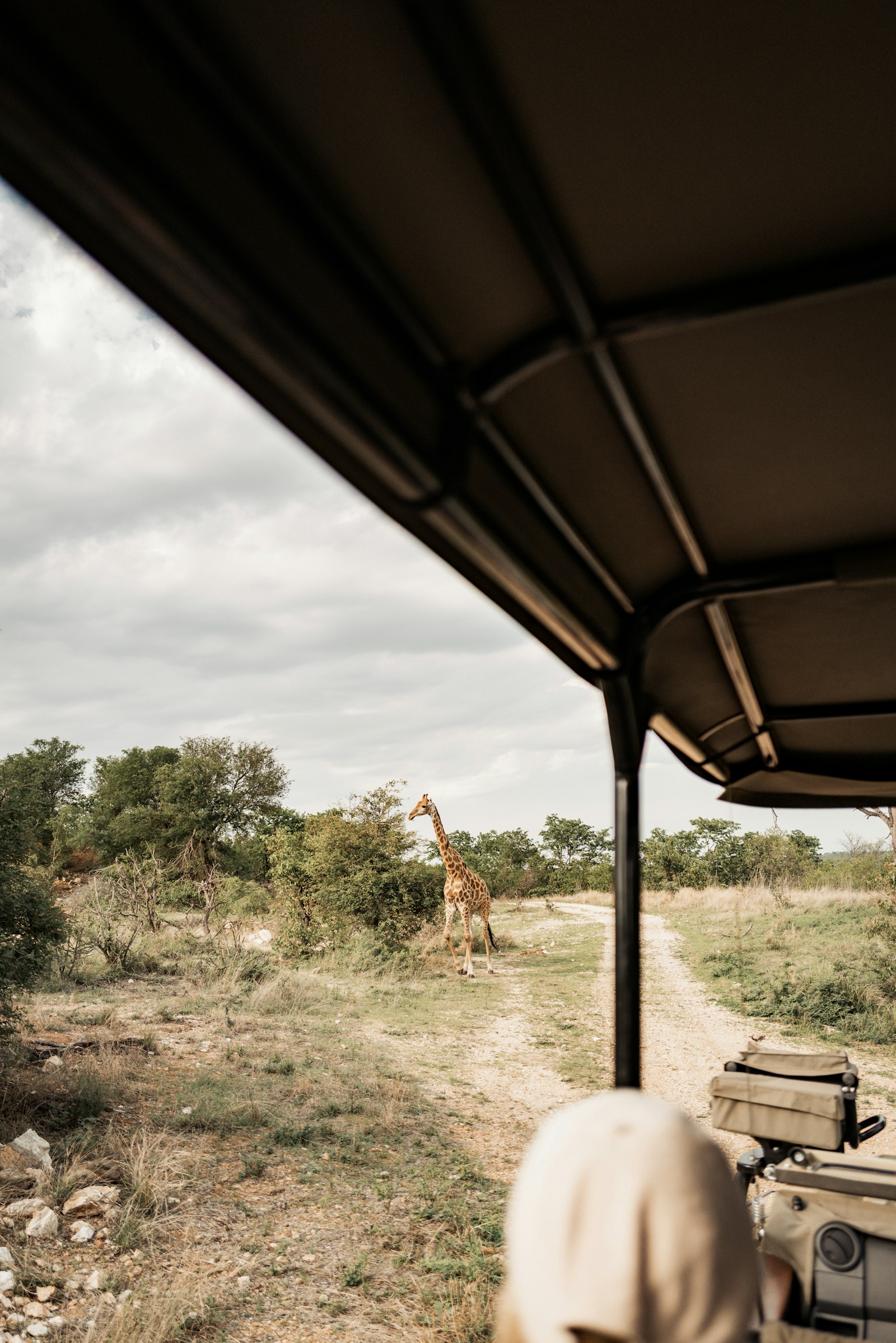
The main physical moments are climbing in and out. Safari 4x4s such as Land Cruisers sit high off the ground, and the first step can be around knee height. Guides help, and many carry a small step stool on request. Once inside, you can stand to look out of the pop-up roof or stay seated. Tracks are bumpy, which locals jokingly call an “African massage”, so a supportive seat and a cushion help if you have back problems.
How long are game drives?
Morning and afternoon drives usually last 2–4 hours each, with breaks back at camp. Full-day drives with a packed lunch are popular in the Masai Mara, especially in migration season, but you can always ask to return early. Read more about safari vehicles in Kenya and their seating.
Long Drives, Bumpy Roads and Light Aircraft
For many travellers, the most tiring part of safari fitness is not walking but travelling between parks on long, uneven roads.
- Nairobi to the Masai Mara by road: usually around 5–6 hours, with a stop at the Great Rift Valley viewpoint and a rougher final stretch.
- Nairobi to Amboseli: roughly 4–5 hours on mostly good tarmac.
- Light aircraft: the Mara is about 45–60 minutes from Nairobi’s Wilson Airport, which suits travellers with back, neck or joint problems.
Light aircraft have a few physical points of their own. There are small steps to climb, cabins are compact, and soft luggage is usually limited to around 15 kg. Some airlines ask to be told in advance about passengers who need help boarding or who may need extra space, so let us know when you book.
Expert tip from our Nairobi team: if long car journeys tire you, a mixed itinerary often gives the best balance: drive to a nearby park such as Lake Naivasha or Amboseli, then fly to the Mara. It reduces road time without the full cost of a fly-in safari and makes safari fitness far less of a concern.
Walking Safaris: Moderate Safari Fitness Required
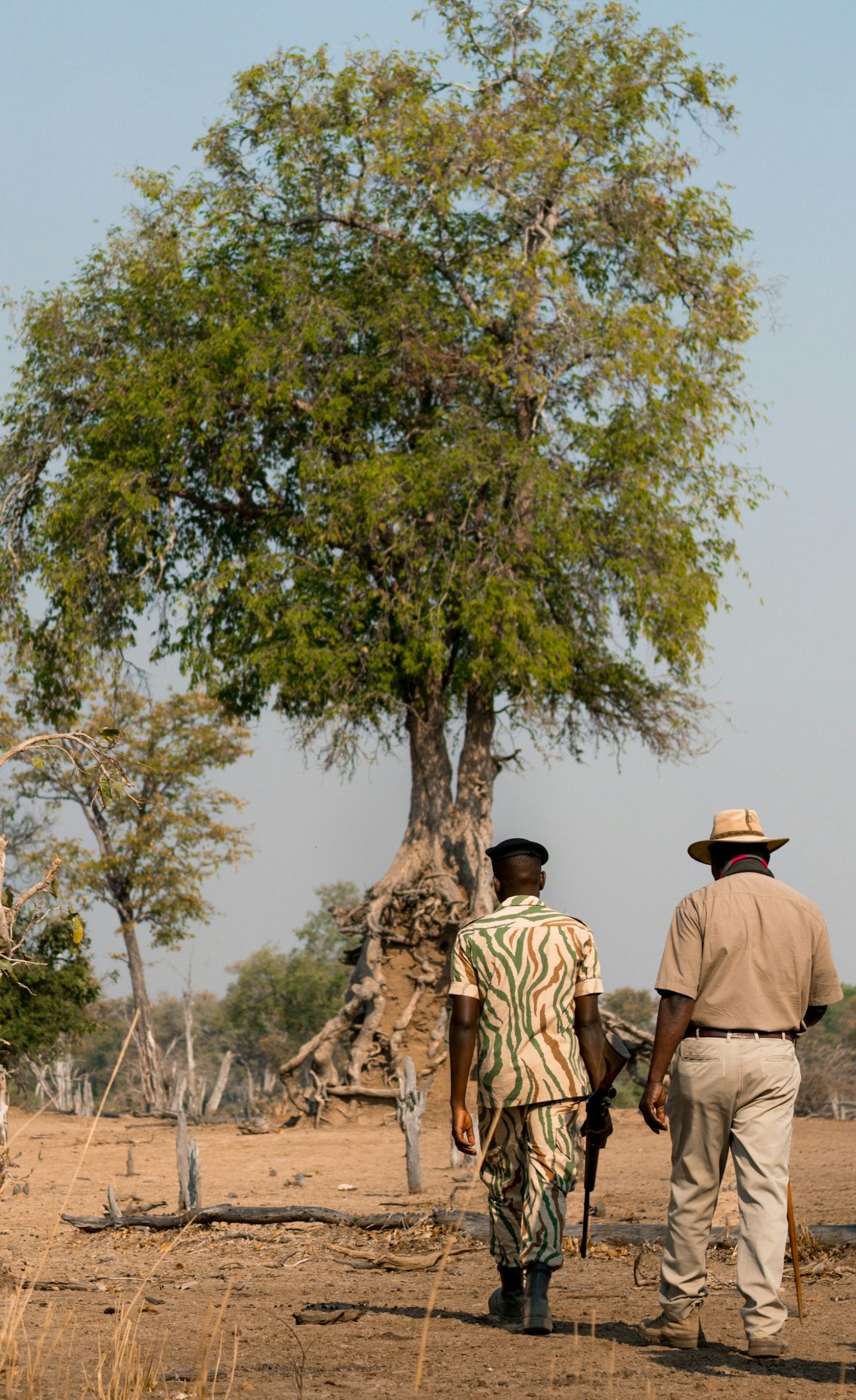
A guided bush walk needs moderate safari fitness: you should be comfortable walking for two to four hours on uneven ground, in warm sun, at a steady pace.
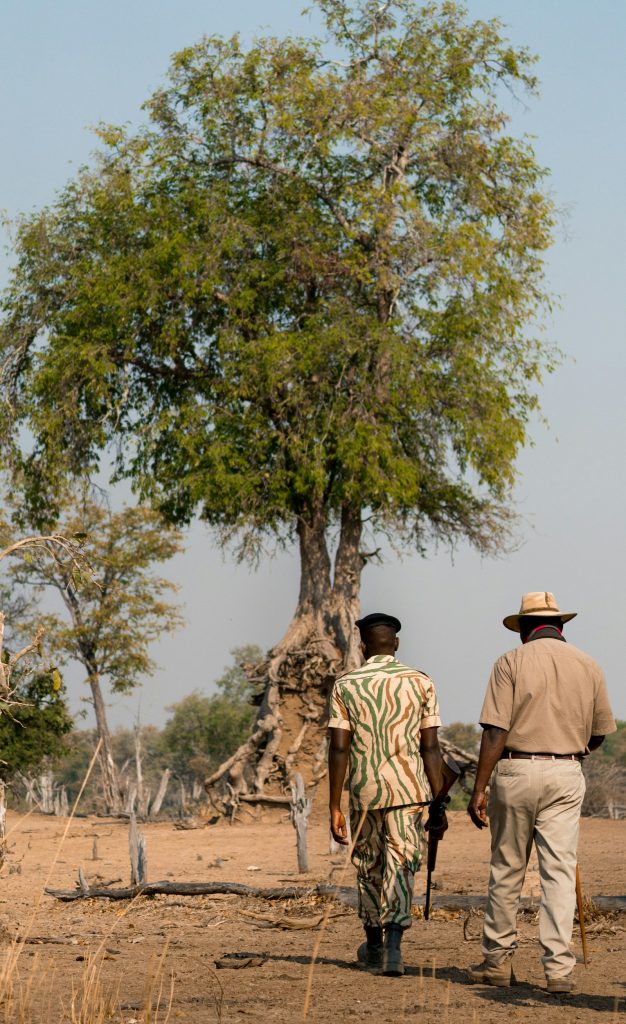
Walks in Kenya usually take place in private conservancies and some parks, led by an armed ranger or trained walking guide. The pace is slow, with frequent stops to look at tracks, plants and insects, and walks often start early to avoid the heat. You need to keep quiet, follow instructions instantly and walk in single file, so balance and hearing matter as much as stamina. Most camps set a minimum age for walks, often in the early teens.
Safari fitness checklist for walking safaris
- Can you walk 5–8 km on rough paths without long rests?
- Are you steady on uneven ground and over small obstacles?
- Can you cope with heat and carry a small daypack with water?
- Are you comfortable standing still and quiet for several minutes?
If the answer is yes, our Laikipia and Masai Mara walking safari is a great choice. If not, shorter one-hour nature walks around camp give a taste of the bush on foot.
Gorilla Trekking and Other Demanding Add-Ons
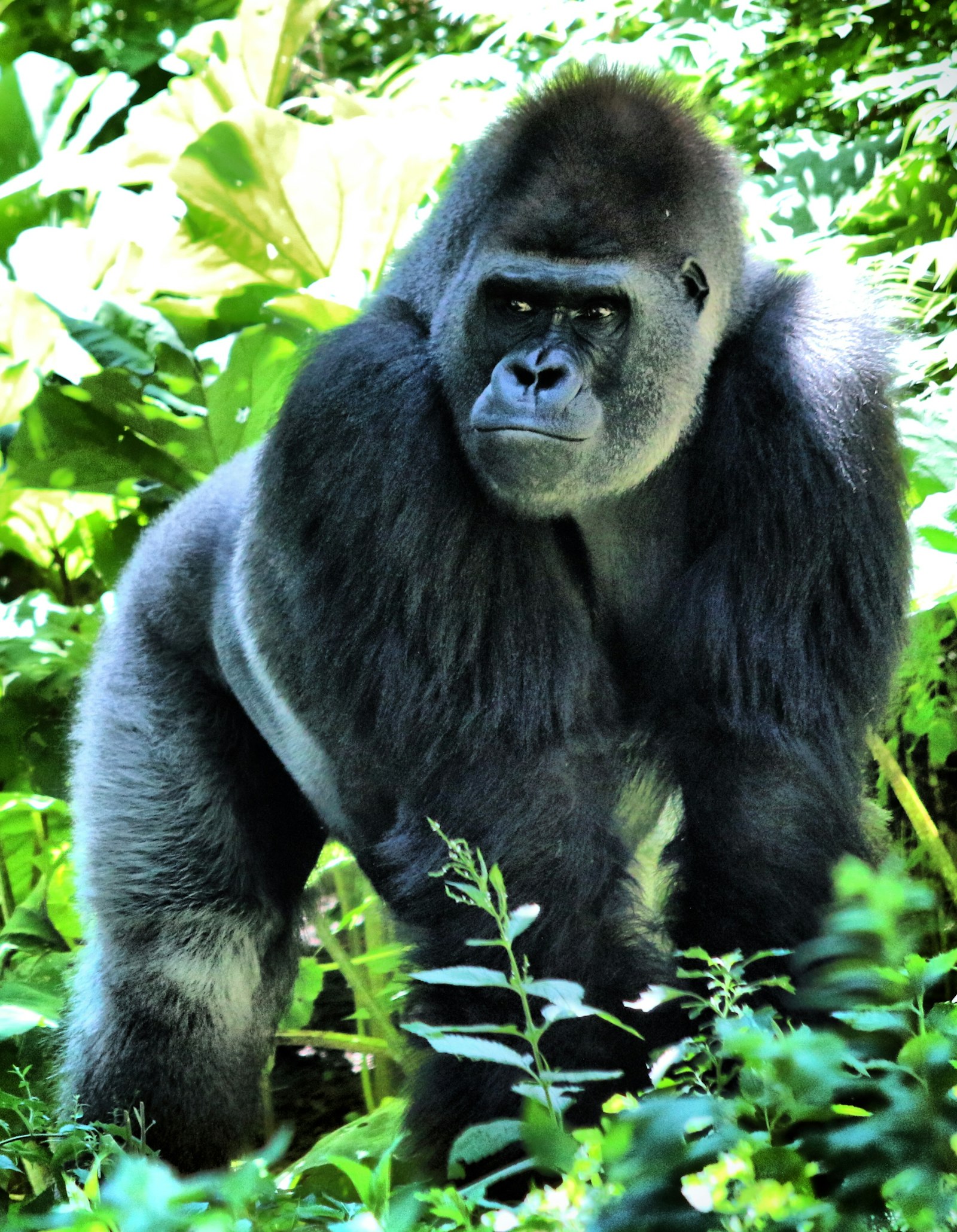
Gorilla trekking in Rwanda or Uganda asks the most safari fitness of any common add-on, because the trails are steep, muddy and at altitude.
Visit Rwanda says hikes take from about 30 minutes to four or more hours, gorillas live at around 2,500 to 4,000 metres, the minimum age is 15 and porters are available to carry bags and help on the trail. The Uganda Wildlife Authority describes treks as needing moderate fitness, with the whole activity lasting 2 to 7 hours. In both countries, visitors spend one hour with the gorillas.
- Hire a porter: they carry your bag and give a steadying hand on slippery slopes, and the fee supports local families.
- Ask for an easier family: rangers try to match groups to gorilla families by fitness, though nothing is guaranteed.
- Use walking poles: usually provided or available at the start.
See our gorilla trekking permit cost guide, Rwanda vs Uganda gorilla trekking and our 3-day Rwanda gorilla trek. Mountain climbs such as our Kilimanjaro Machame route are a different level altogether and need specific training.
📅 Get a Free, No-Obligation Safari Quote
Tell us your interests and comfort level, and we will build a safari that matches your safari fitness, from gentle game drives to gorilla treks. ✉ Send Us Your Dates on WhatsApp
Altitude, Heat and Early Starts
Altitude, sun and early mornings affect safari fitness more than most people expect, but they are easy to manage.
- Altitude: Nairobi lies at about 1,795 metres and the Mara at about 1,500–2,100 metres. Some visitors feel slightly breathless climbing stairs on the first day; drink water and take it easy. Serious altitude sickness is not a concern on standard Kenyan safaris.
- Heat and sun: the equatorial sun is strong, especially at midday. Wear a hat, use sun cream and drink plenty of water.
- Early starts: drives often leave around 6:00–6:30, so build in a midday rest; most camps schedule downtime from late morning to mid-afternoon.
- Cold mornings: June to August dawns can be chilly in open vehicles; see our Kenya weather by month guide.
Safari Fitness for Older Travellers and Limited Mobility
Age is rarely a barrier: many guests in their 70s and 80s enjoy Kenya, because a vehicle-based trip needs little safari fitness when it is planned at the right pace.
How we adapt a safari
- Shorter travel days: fewer parks, more nights in each and flights instead of long drives.
- Accessible rooms: ground-floor rooms or tents close to the main area, with fewer steps and handrails where available.
- Vehicle help: step stools, front seats and a private vehicle so you can set your own pace.
- Later starts: you can skip the dawn drive and go out after breakfast instead.
Our gentle fly-in safari for seniors is designed with these points in mind, and our Kenya safari for seniors guide shares more ideas. Wheelchair users should contact us early, as fully accessible camps are limited and need careful matching.
Health Conditions and Safari Fitness
Most medical conditions do not rule out a safari or demand special safari fitness, but you should speak to your doctor and plan around them, because some camps are hours from a hospital.
- Back and joint problems: choose flights over long drives and ask for the smoothest seats, usually the middle row.
- Heart and lung conditions: ask your doctor about altitude and heat; avoid strenuous walks and treks unless cleared.
- Diabetes and other long-term conditions: bring enough medication plus spares, and keep it in your hand luggage.
- Pregnancy: malaria risk and bumpy roads need careful thought; see our guide to Kenya safari malaria risk.
Check the CDC’s advice for travellers to Kenya or your national travel health service, and make sure your travel insurance covers pre-existing conditions and medical evacuation.
Balloons, Cycling, Riding and Other Activities
Optional extras each ask for a slightly different kind of safari fitness, so check the details before you add them to your itinerary.
- Hot-air balloon safari: you climb into a tall basket, often with footholds, stand for about an hour in the air and brace in a seated or crouched position for landing, which can be bumpy. Operators set their own rules on minimum age, pregnancy and mobility.
- Cycling at Hell’s Gate: the main track is mostly flat and sandy, and you can ride slowly; the gorge walk that often follows involves scrambling over rocks. See our Hell’s Gate day trip.
- Horse riding: riding safaris are for confident, experienced riders, and stables usually set rider weight limits and ask for your experience level in advance.
- Boat trips and canoeing: a boat ride on Lake Naivasha needs no special safari fitness, just a careful step on and off the jetty.
- Cultural visits: a Maasai village visit involves short walks on uneven ground and low doorways into homes.
Families should note that activity age limits often matter more than safari fitness for children; our guide to a Kenya safari with teenagers lists which activities suit which ages.
How to Prepare: A Simple 8-Week Safari Fitness Plan
You do not need a gym programme to build safari fitness for a game-drive trip, but a little preparation makes the trip more comfortable, especially if you plan walks or treks.
- Weeks 1–2: walk 30 minutes a day, including some hills or stairs.
- Weeks 3–4: add a longer walk of 1–2 hours at the weekend, ideally on uneven paths.
- Weeks 5–6: practise step-ups on a stair or low bench to prepare for climbing into vehicles.
- Weeks 7–8: for gorilla treks, do 3–4 hour hikes with a light daypack, including steep sections.
- Throughout: gentle core and back exercises help with bumpy roads.
Break in your walking shoes before you travel, and pack them with the help of our African safari packing list.
Which Safari Fits Your Fitness Level?
Match your safari fitness to the right style of trip with this quick guide.
| Your fitness | Best style | Example trip |
|---|---|---|
| Limited mobility or low energy | Fly-in, few parks, private vehicle | Gentle Fly-in Safari for Seniors |
| Average, happy in a vehicle | Road safari with game drives | Amboseli and Masai Mara |
| Active, enjoys walking | Conservancies with walks | Laikipia Walking Safari |
| Fit and adventurous | Safari plus gorillas | Kenya and Rwanda Safari |
| Very fit hiker | Safari plus a mountain | Mount Kenya Trek |
Expert tip from our Nairobi team: be honest about your safari fitness when you book. A guide who knows you tire easily will plan shorter drives and rest stops, and that small conversation makes a bigger difference to your enjoyment than any training plan.
Safari Fitness FAQs
How fit do you need to be for a safari?
For a standard game-drive safari, you only need basic safari fitness: climbing a high step into a 4×4, sitting for several hours on bumpy tracks and walking short distances around camp. Walking safaris need moderate fitness, while gorilla trekking and mountain climbs require good stamina. Most itineraries can be adapted to your ability.
Is a safari physically demanding?
A classic Kenya safari is not very physically demanding, because most wildlife viewing happens from a vehicle. The tiring parts are early starts, heat and long drives on rough roads. Flying between parks, staying longer in fewer places and taking a midday rest make the trip much more comfortable for most travellers.
Can overweight or unfit people go on safari?
Yes. Game drives suit almost everyone, and guides help with the high step into the vehicle. Tell your operator about any mobility needs so they can choose suitable rooms and seats. Some light aircraft and balloon operators have weight or space rules, so share details early to avoid surprises on the day.
How hard is gorilla trekking?
Gorilla trekking is moderate to hard. Visit Rwanda says hikes range from about 30 minutes to four or more hours at roughly 2,500 to 4,000 metres, on steep and often muddy trails. Porters, walking poles and a slow pace help a great deal, and rangers try to match groups to their fitness.
Is there an age limit for a Kenya safari?
There is no upper age limit for a game-drive safari, and many guests in their 70s and 80s travel happily. Lower age limits apply to some activities: walks often start in the early teens, and gorilla trekking requires a minimum age of 15. Camps may also set their own minimum ages.
Will altitude affect me on a Kenya safari?
Most people feel fine. Nairobi lies at about 1,795 metres and the Masai Mara at roughly 1,500 to 2,100 metres, so you may feel slightly breathless on stairs at first. Drink plenty of water and rest on arrival day. Serious altitude sickness is a concern for mountain climbs, not standard safaris.
How long is the drive from Nairobi to the Masai Mara?
The road journey usually takes around five to six hours, including a stop at the Great Rift Valley viewpoint, with the final stretch on rougher roads. If long drives are difficult for you, a light aircraft flight from Nairobi takes about 45 to 60 minutes and greatly reduces the physical strain.
🏕 Plan Your Safari With Sense of Adventure
Kenya-based experts. Real local knowledge. Transparent pricing. Tell us about your safari fitness and wishes, and we will design a trip at exactly the right pace. 💬 WhatsApp Us — Start Planning Today
Call or WhatsApp: +254 729 837 481
Related Safari Guides
- ›Kenya Safari for Seniors
- ›Types of Safari in Africa
- ›Gorilla Trekking Permit Cost 2026
- ›Full Board vs All Inclusive Safari
- ›How Many Days Do You Need for a Kenya Safari?
Official travel & park resources: Kenya Wildlife Service ↗, Visit Rwanda ↗ and Uganda Wildlife Authority ↗