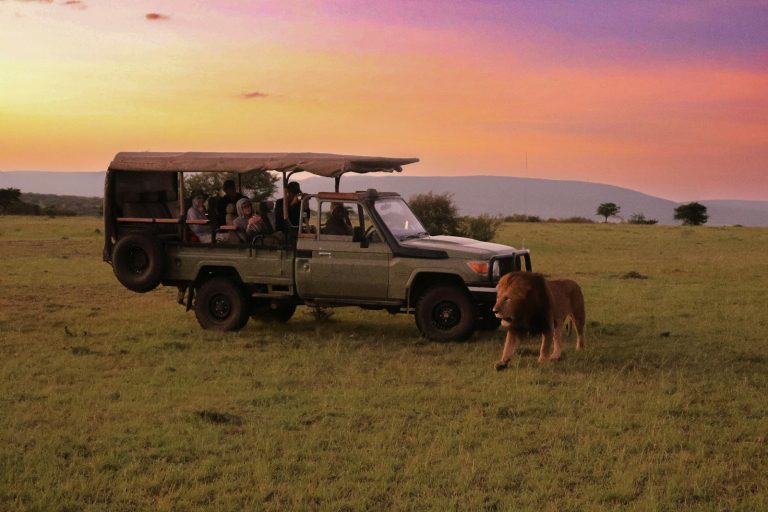

A Kenya safari for seniors is not a scaled-down version of a younger traveller’s trip — it is simply a better-planned one, built around comfort rather than compromise. Most of a safari happens seated in a vehicle, which already suits travellers who prefer less walking, and Kenya’s better lodges now build specifically for guests who want ground-floor rooms, grab rails and a driver who paces the day around them rather than a fixed group schedule.
Picture an unhurried morning game drive, a private vehicle stopping exactly as long as you like at each sighting, and a lodge room you can reach without a single flight of stairs. Sense of Adventure plans exactly this kind of trip routinely, and it takes nothing away from the wildlife — if anything, the slower pace that suits an older traveller often produces better, longer sightings than an itinerary rushing to tick off every possible activity.
Table of Contents
Tell Us What Comfort Looks Like for You
Mention any mobility needs when you message us and we will match lodges and pacing accordingly.
What Actually Changes for a Senior-Friendly Safari
The core safari experience barely changes for older travellers — game drives are seated, vehicles can be adapted with ramps or easier-entry seating, and guides are used to managing pace around whoever is in the vehicle. What does change is the planning: choosing lodges with ground-level rooms and walk-in showers over multi-level tented camps reached by long pathways, booking a private vehicle rather than a shared group one, and being upfront with your operator about any mobility or medical considerations before you book, not after you arrive.
None of this means a smaller safari — it means the same Big Five wildlife, the same iconic landscapes, delivered through choices about vehicle, lodge and pacing that put comfort ahead of covering the maximum possible ground each day.
Who a Kenya Safari for Seniors Suits Best
A Kenya safari for seniors works well for retired couples marking a milestone birthday or anniversary, grandparents travelling with their families, and solo older travellers who want a guide to handle every detail. A Kenya safari for seniors also suits anyone who has put off a safari because they assumed it meant rough camping, long walks or rushed days. If you can sit comfortably in a car for a couple of hours at a time, with breaks, you can enjoy a Kenyan game drive.
Travellers with more significant mobility needs, including wheelchair users, can still travel with the right vehicle and lodge choices. Our guide to wheelchair and mobility-accessible safaris explains those options in more detail.
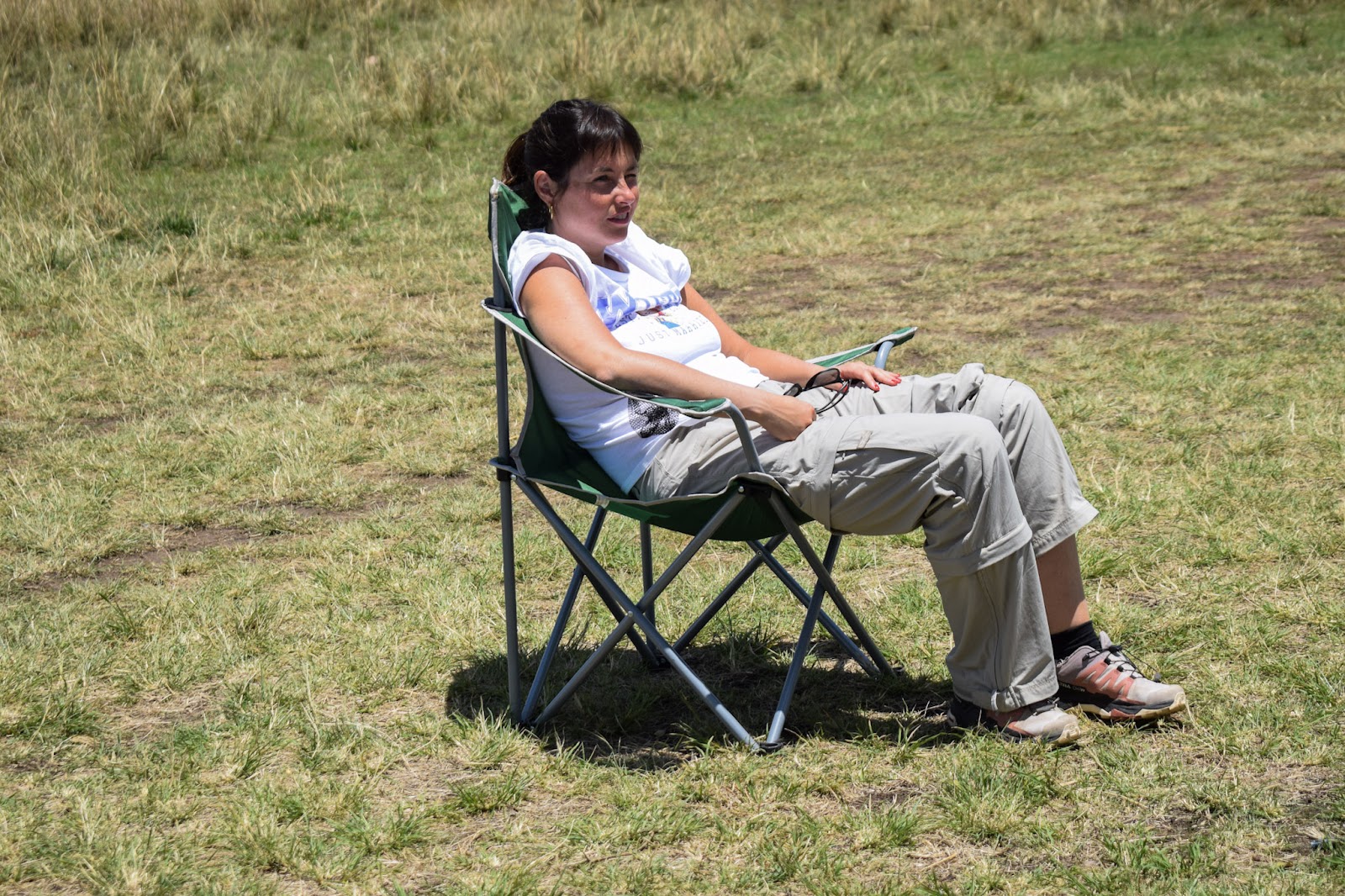
My mother is 74 and was worried a safari would be too physically demanding. We told Sense of Adventure upfront and they put us in a private vehicle with a ground-floor lodge room every single night — she never once felt like the trip was built around everyone else’s pace instead of hers.
— Sense of Adventure guest, family safari with senior parent
The 9 Things That Make a Senior Safari Work
A Private Vehicle, Not a Shared One — the single biggest comfort upgrade
A private vehicle lets your driver-guide set the pace entirely around you — longer stops, easier boarding, no waiting on other guests’ preferences. For any traveller with mobility considerations, this is the one upgrade we recommend booking without hesitation.
Ground-Floor, Accessible Lodges — no stairs between you and your bed
Many of Kenya’s better properties now offer ground-level rooms with grab rails, walk-in showers and minimal pathway distance from the main lodge area. Tell us this matters and we will filter every camp option accordingly, rather than defaulting to whichever tented camp looks best in photos.
Gentler Parks and Circuits — Amboseli and the Mara’s flatter terrain
Amboseli’s compact, flat circuits and the Masai Mara’s well-maintained main tracks both suit vehicle-based viewing with minimal jostling, compared to some of Kenya’s rougher, more remote reserves — a genuine consideration alongside wildlife density when choosing where to go.
Activities Beyond the Game Drive — low-effort, high-reward alternatives
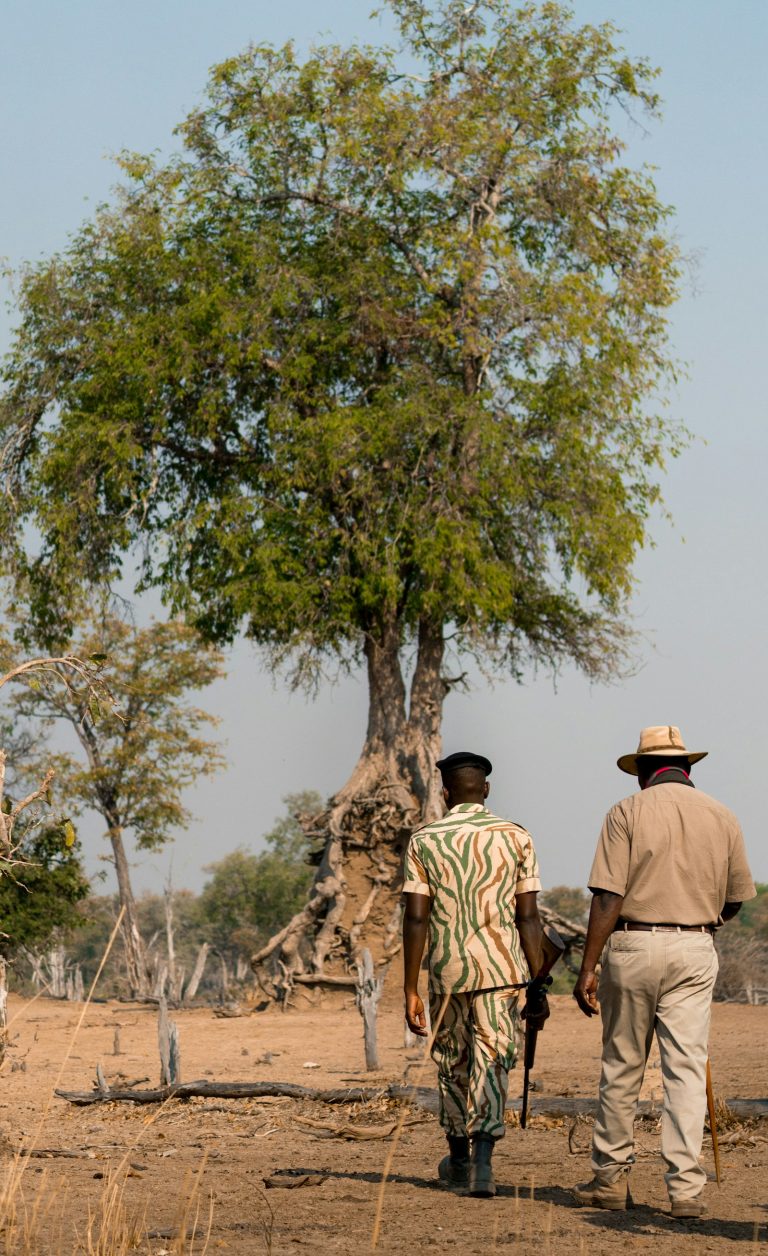
Hot air balloon safaris, sundowner stops and gentle guided walks on flat conservancy terrain all deliver a real safari experience without demanding physical exertion — worth building into an itinerary alongside, not instead of, standard game drives.
Medical and Insurance Planning — sorted before you fly, not improvised on arrival
Travel insurance with genuine medical evacuation cover matters for every safari guest, but especially so for older travellers — see our travel insurance guide for what to actually check the policy includes before booking.
Being Upfront With Your Operator — the one step that makes everything else possible
Every accommodation above depends on your operator knowing in advance — mention any mobility needs, medications requiring refrigeration, or pacing preferences when you first enquire, so the whole itinerary is built around you rather than retrofitted once you’ve already arrived.
A Realistic Daily Pace — fewer, longer stops beat a packed schedule
A senior-friendly itinerary favours one unhurried morning game drive and one afternoon drive over a jam-packed schedule chasing every possible activity. Building in a rest morning at the lodge between park transfers, rather than moving every single day, keeps energy levels comfortable throughout a longer trip.
Choosing the Right Length of Trip — shorter and calmer often beats longer and rushed
A 6-7 day trip covering two well-chosen parks, each stayed in for two or three nights rather than one, generally suits older travellers better than a longer trip that changes camp every single night. Fewer transfers means fewer early departures and more time simply enjoying each lodge’s own grounds and pace.
Flying Over Driving for Longer Transfers — worth the extra cost for a smoother trip
For park-to-park transfers of several hours by road, a light aircraft hop is worth the extra cost for older travellers even where a younger group might choose to save money and drive — the time saved translates directly into more rest and less jostling over rough roads, which matters more here than on a typical trip.
A Safari Paced Around You
Private vehicle, accessible lodges, a realistic daily pace — tell us what you need and we will plan it.
Best Parks for a Kenya Safari for Seniors
On a Kenya safari for seniors, where you go matters as much as how you travel. The best parks for older travellers combine reliable wildlife with good roads or airstrips, short transfer times and a choice of comfortable lodges. Three areas stand out, and most itineraries for a Kenya safari for seniors combine two of them.
Amboseli National Park
Amboseli is known for its large elephant herds and, on clear mornings, views of Mount Kilimanjaro across the border in Tanzania. The park is relatively small and mostly flat, so game drives are short, smooth and rarely far from your lodge. It is also one of the easier parks to reach from Nairobi by road, and it has an airstrip for those who prefer to fly.
Masai Mara National Reserve
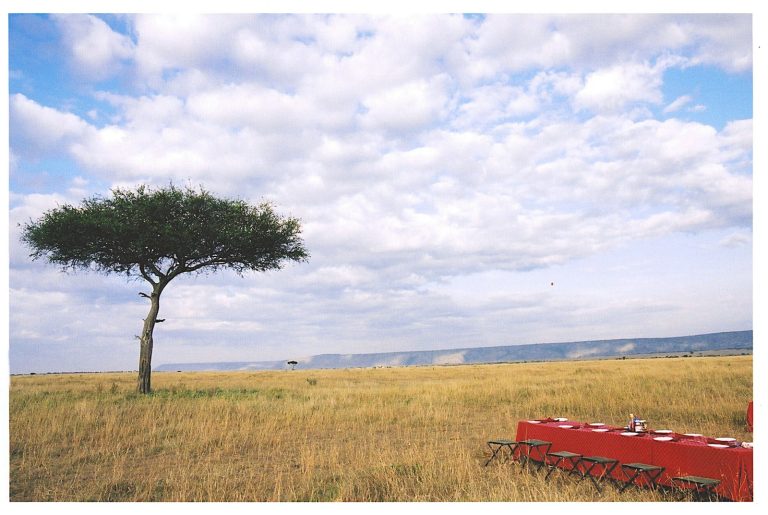
The Masai Mara offers Kenya’s richest big cat viewing and, roughly from July to October, the river crossings of the Great Migration. The road from Nairobi is long, so for older travellers we usually suggest a short scheduled flight to one of the Mara airstrips instead. Once there, the open plains make for easy, rewarding drives, and a hot air balloon flight at dawn is a memorable, seated way to see the reserve.
Ol Pejeta Conservancy
Ol Pejeta, in Laikipia near Mount Kenya, is a private conservancy known for its rhino conservation work, including the last two northern white rhinos, and a chimpanzee sanctuary. It is a gentle, well-organised first stop on a Kenya safari for seniors, with good tracks and a calm atmosphere. You can read about the conservancy’s work and visitor rules on the Ol Pejeta Conservancy website, and about Kenya’s national parks on the Kenya Wildlife Service website.
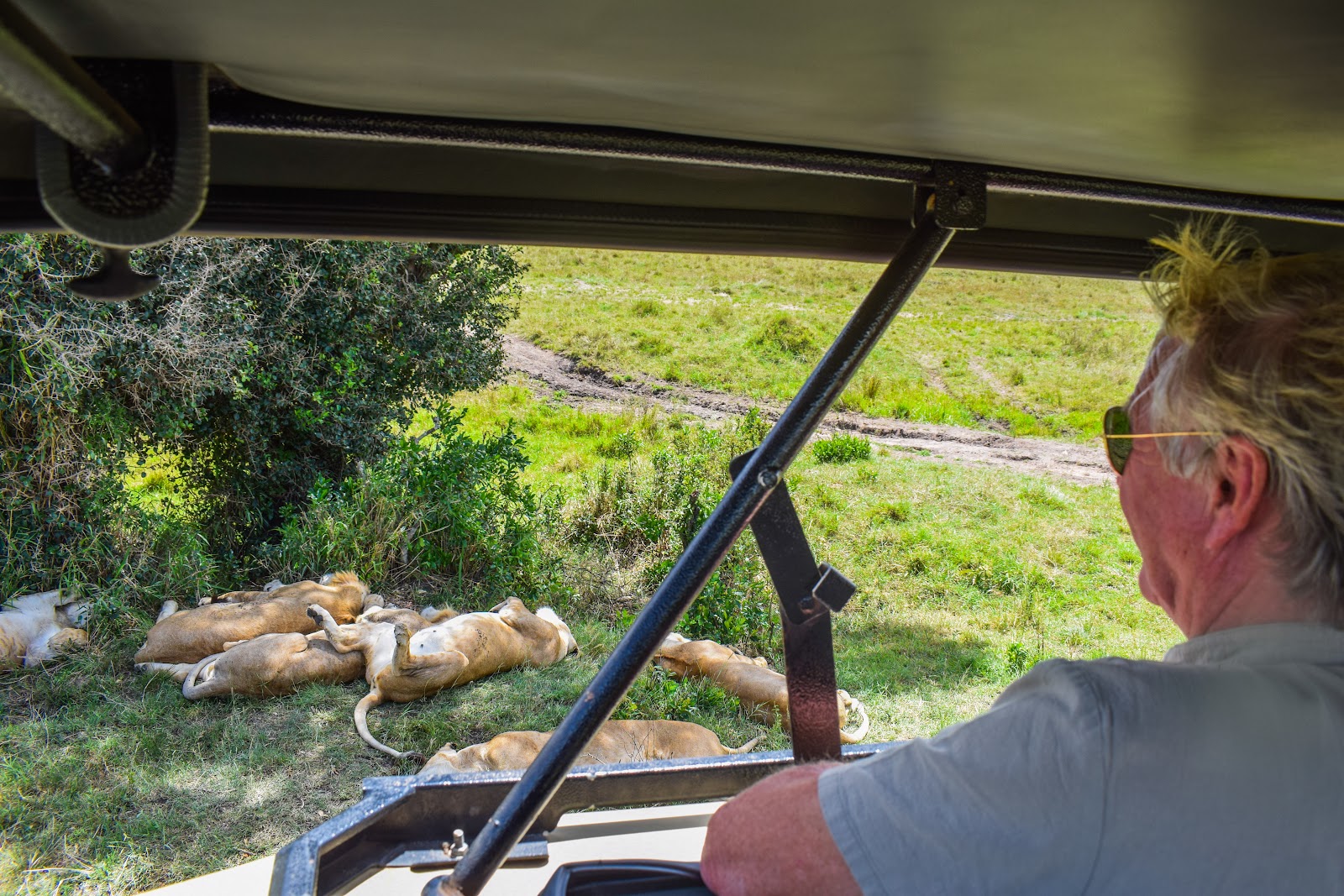
Kenya Safari for Seniors Facts
- Core activity: game drives are seated throughout, requiring minimal walking compared to many other holiday types.
- Best-suited parks: Amboseli and the Masai Mara offer flatter terrain and well-maintained main circuits.
- Recommended upgrade: a private vehicle lets your pace, not a group’s, determine the day.
- Lodge choice: ground-floor rooms with grab rails and walk-in showers are increasingly available at Kenya’s better properties.
- Low-exertion activities: hot air balloon safaris and short flat-terrain walks add variety without physical strain.
- Planning step that matters most: telling your operator about any mobility or medical needs before booking, not after arrival.
Best Time to Go on a Kenya Safari for Seniors
Kenya is a year-round destination, but the dry seasons are the most comfortable time for a Kenya safari for seniors. From late June to October and again from January to February, tracks are firmer, grass is shorter and animals gather near water, so sightings come more easily and drives are smoother.
The long rains usually fall from around March to May, and the short rains around November and December. Rain tends to come in afternoon showers rather than all day, and lodges are quieter, but some roads become muddy and bumpy. If comfort is your priority, the dry months are the safer choice. If you want the Great Migration in the Masai Mara, plan for July to October and book early, because the best-located lodges fill quickly.
Weather and Altitude
Much of safari Kenya sits at altitude, so mornings and evenings can be cool even when the middle of the day is warm. Nairobi stands at about 1,800 metres above sea level. Most healthy travellers notice little more than mild breathlessness on stairs for the first day or two, but if you have heart or lung conditions it is worth mentioning altitude to your doctor before you travel.
Health, Fitness and Medication on a Kenya Safari for Seniors
You do not need to be especially fit for a Kenya safari for seniors, but it helps to be able to climb two or three steps into a vehicle and sit for a couple of hours with breaks. Your guide can bring a step, help you in and out, and stop whenever you need a rest or a bush toilet break. Before any Kenya safari for seniors, tell us about any condition that affects your comfort on rough roads, such as back or joint problems, so we can choose routes and parks accordingly.
See your doctor or a travel clinic six to eight weeks before departure. Ask about routine vaccinations, yellow fever requirements, malaria prevention for the areas you will visit, and how your regular medicines interact with antimalarial tablets. The UK government’s Kenya travel advice and the World Health Organization both publish up-to-date health guidance for travellers.
Carry all prescription medicines in your hand luggage, in their original packaging, with a copy of the prescription and enough to cover a few extra days in case of travel delays. Most lodges can keep medicines refrigerated if you ask in advance.
What to Pack for a Kenya Safari for Seniors
Packing light makes a Kenya safari for seniors easier, especially if you take light aircraft flights, which usually limit luggage to a modest allowance in soft-sided bags. Our pre-trip checklist covers the full list, but these items matter most for older travellers:
- A small cushion or seat pad for longer drives on uneven tracks.
- Comfortable, closed walking shoes with good grip for lodge paths.
- Layers: a warm fleece or light jacket for early mornings and evenings.
- A wide-brimmed hat, sunglasses and high-factor sun cream.
- Lightweight binoculars, so you can enjoy sightings without moving around the vehicle.
- Spare reading glasses, hearing aid batteries and any mobility aids you use at home.
- Prescription medicines, a simple first-aid kit and insect repellent.
Sample Itinerary: A Gentle 6-Day Kenya Safari for Seniors
Our Gentle Fly-in Safari for Seniors – Ol Pejeta & Masai Mara (6 Days) is built around short flights, easy-access vehicles and relaxed timings. A typical outline for this Kenya safari for seniors looks like this, and we adjust every detail to your needs:
- Day 1: Arrive in Nairobi, meet-and-greet at the airport and a quiet night at a comfortable hotel.
- Days 2–3: Short flight to Laikipia for Ol Pejeta, with unhurried game drives to see rhinos, elephants and lions, and time to rest at your lodge.
- Days 4–5: Flight to the Masai Mara for big cat country, with a morning and afternoon drive each day and the option of a dawn balloon flight.
- Day 6: Final morning drive, then a flight back to Nairobi for your onward connection.
If you would rather drive than fly, our Amboseli and Masai Mara safari follows a similar rhythm by road and can be paced with extra nights to break up the longer transfers.
Getting There and Entry Requirements
Most international visitors fly into Jomo Kenyatta International Airport in Nairobi. Most nationalities need an Electronic Travel Authorisation before travel, which you apply for online through the official Kenya eTA portal. Apply well ahead of your trip and check that your passport has enough validity and blank pages.
If walking long distances through the airport is difficult, request wheelchair or assistance services through your airline when you book. On every Kenya safari for seniors we plan, we meet you on arrival and handle all transfers from there, so you never need to manage luggage or find your own way between airports and lodges.
Planning a Comfortable Kenya Safari
Read alongside our travel insurance guide for medical evacuation cover considerations, and our luxury safari guide if comfort-focused accommodation is a priority throughout the trip. Our first-time visitor guide covers the wider planning sequence for anyone building their first Kenya itinerary, and our pre-trip checklist is a useful place to note any mobility or medical details you want your operator to plan around well before departure.
If your Kenya safari for seniors includes friends or another couple, our small group safari guide explains how a private group of two to eight can share a vehicle and still keep the pace relaxed. For general travel ideas and practical information about the country, the Magical Kenya tourism board is a helpful official source.
Comfort Without Compromise
A senior-friendly safari is still a full safari. Message us and tell us what comfort means for your trip.
Frequently Asked Questions
Is a Kenya safari suitable for seniors?
Yes — a Kenya safari suits seniors well since game drives are seated throughout with minimal walking required. The key adjustments are choosing accessible, ground-floor lodges, booking a private vehicle, and picking flatter-terrain parks like Amboseli or the Masai Mara.
What lodges are best for seniors on a Kenya safari?
Lodges with ground-floor rooms, walk-in showers, grab rails and minimal pathway distance from the main building suit senior travellers best. Tell your operator about mobility preferences in advance so these features can be specifically filtered for.
Should seniors book a private vehicle for a Kenya safari?
Yes — a private vehicle is the single most valuable upgrade for older travellers, since it lets your guide set the pace, stop length and boarding process entirely around you rather than a shared group’s preferences.
What activities suit seniors on a Kenya safari besides game drives?
Hot air balloon safaris, sundowner stops and short guided walks on flat conservancy terrain all offer a genuine safari experience with minimal physical exertion, making good additions to a senior-friendly Kenya itinerary.
Do seniors need special travel insurance for a Kenya safari?
Every safari guest benefits from insurance with genuine medical evacuation cover, and this matters especially for older travellers. Buy a policy before departure and confirm evacuation limits explicitly rather than assuming a standard policy covers remote safari areas.
How many days should a Kenya safari for seniors last?
Six to seven days is a comfortable length for most older travellers. It allows two parks with two or three nights in each, so you avoid packing and moving every day. Adding a rest night in Nairobi at the start helps you recover from the long-haul flight before your first game drive.
When is the best time for a Kenya safari for seniors?
The dry seasons, from late June to October and from January to February, are the most comfortable. Roads are firmer, drives are smoother and wildlife is easier to find. The rainy months from March to May can mean muddy, bumpy tracks, which older travellers often prefer to avoid.
Is a Kenya safari for seniors possible with limited mobility?
Yes. With a private vehicle, a portable step, ground-floor lodge rooms and flights instead of long road transfers, many travellers with limited mobility enjoy Kenya comfortably. Tell your operator exactly what you can and cannot manage when you first enquire, so every lodge and vehicle is chosen with that in mind.
Is there an age limit for hot air balloon safaris in the Masai Mara?
Balloon operators set their own health and fitness conditions, and these can change, so ask before booking. Passengers usually need to climb into the basket and brace for landing, which can be bumpy. If you have back, hip or heart concerns, discuss them with your doctor and the operator first.