
Types of safari is the search almost every first-time traveler runs before they book anything, and most articles answering it read like a glossary rather than a decision aid. Walking, fly-in, photographic, mobile camping, honeymoon, cultural: the words are easy to define and hard to choose between when you have never done any of them. A fly-in safari means light aircraft hopping between remote camps instead of long drives. A walking safari means tracking on foot with an armed ranger a few paces ahead of you. Sense of Adventure builds all six styles into real Kenya, Tanzania, Uganda and Rwanda packages, so this guide exists to help you pick the one that actually fits your trip instead of just listing definitions.
Not Sure Which Safari Style Fits You
Message us with your priorities and budget and we will recommend the right style, not just a park.
Why the Type of Safari Matters More Than the Destination
Two travelers can book the same 6-day Masai Mara trip and have completely different experiences depending on whether it is built as a road safari or a fly-in one. A road safari covers more ground and costs less per day, while a fly-in version skips the 5 to 6-hour transfers entirely, landing you at a bush airstrip in under an hour so more of your trip is spent actually in the bush. Choosing the wrong style for your budget, physical ability or patience for long drives causes more trip disappointment than choosing the wrong park does.

We had never done a fly-in safari before and assumed it would feel rushed, but landing on a dirt airstrip and being at camp within twenty minutes instead of a five-hour drive meant we actually had an extra half day of game viewing we did not expect. It changed how we plan every trip since.
— Sense of Adventure guest, fly-in Masai Mara safari
6 Types of Safari, Explained
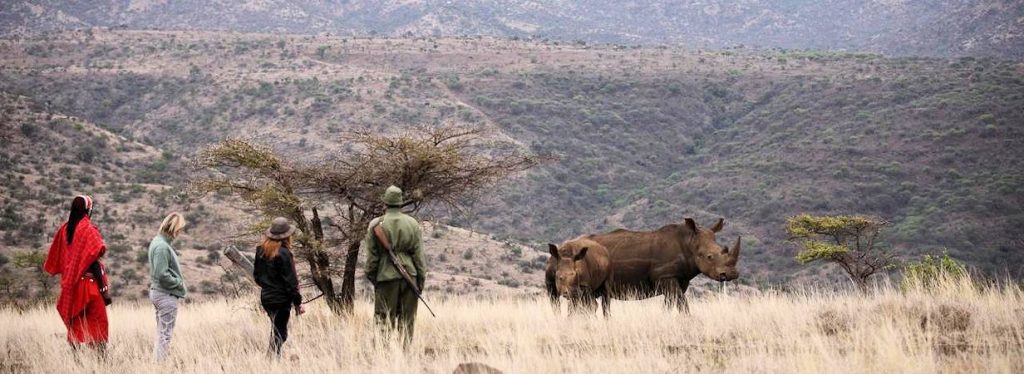
1. Walking Safari — tracking on foot with an armed ranger
Walking safaris trade vehicle speed for slow, close-range tracking of spoor, dung and alarm calls, usually led by an armed ranger and a second guide, with a minimum age of around 12 at most conservancies. Laikipia and the Mara conservancies allow this where the national reserve itself does not.
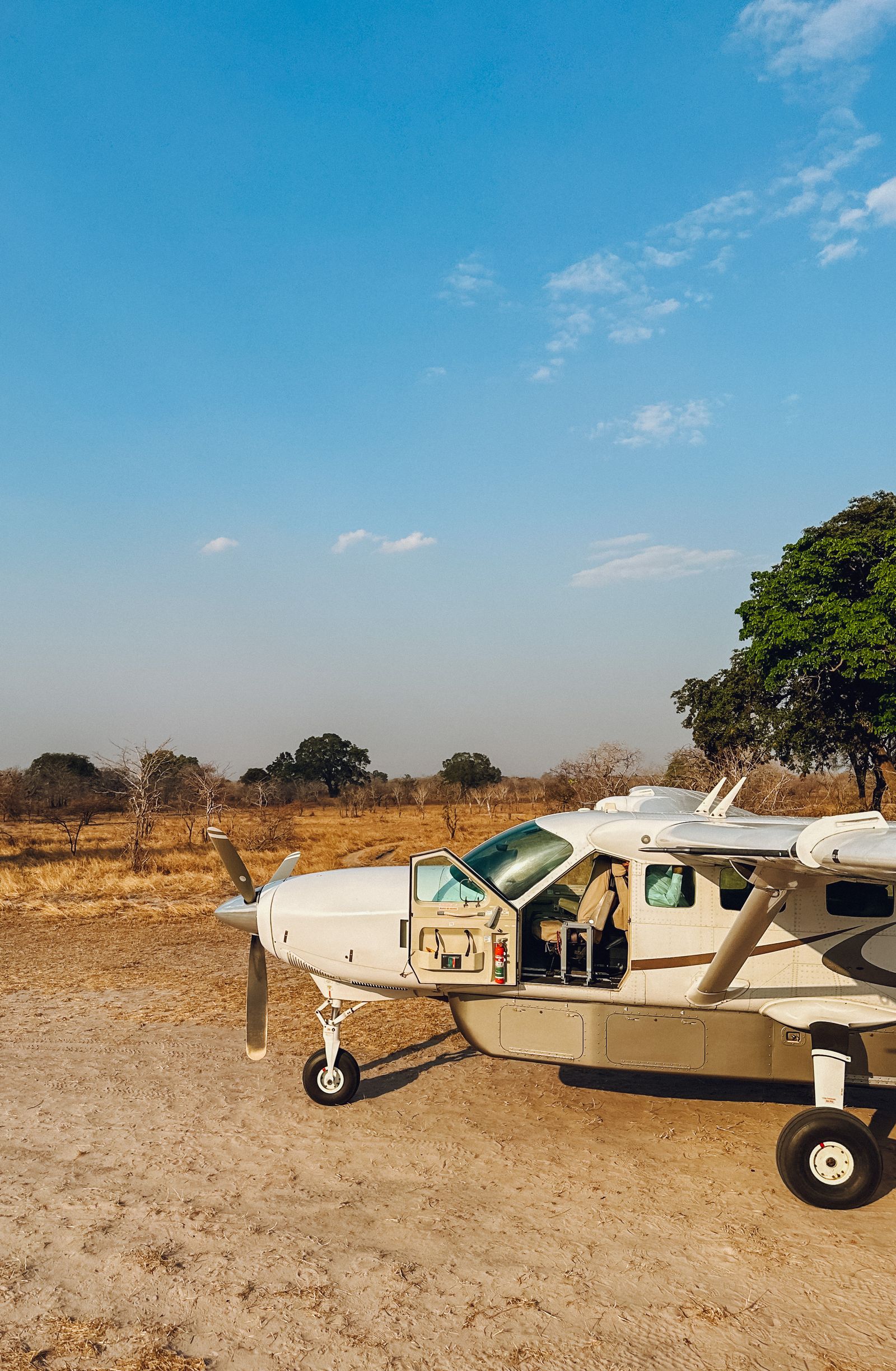
2. Fly-In Safari — light aircraft instead of long road transfers
Small planes hop between bush airstrips in under an hour, replacing a 5 to 6-hour road transfer, though soft bags are usually capped around 15kg per person on these flights. Our Fly-in Masai Mara Luxury Safari is built entirely around skipping the road time.
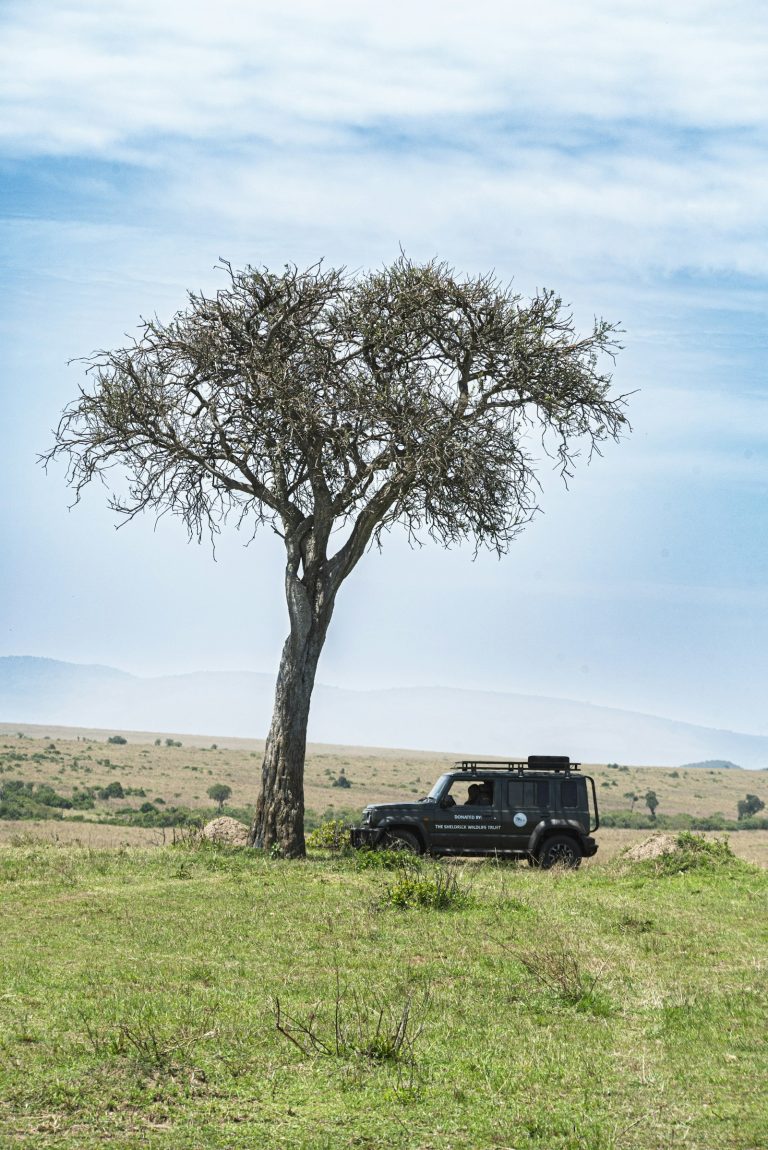
3. Road or Mobile Safari — the classic overland circuit
Road safaris cover more parks per trip for less money, moving by 4×4 between lodges or, at the higher end, between mobile tented camps that get struck and rebuilt at each new stop. It remains the most common and most affordable way to see multiple ecosystems on one Kenya itinerary.
4. Photographic Safari — built around light, hides and vehicle positioning
Photographic itineraries prioritise dawn and dusk light, longer stops at sightings, and conservancies that allow off-road positioning for a clean angle on a kill or a crossing. Our Big Cats Photographic Safari and Great Migration Photographic Safari are both built for exactly this kind of pacing.
5. Honeymoon and Luxury Safari — privacy over ground covered
These itineraries trade the number of parks visited for private conservancy camps, exclusive-use vehicles and fewer, longer stops. Couples typically book 4 to 7 days in one or two locations rather than a longer multi-park circuit, which is the model our Masai Mara Honeymoon Safari follows.
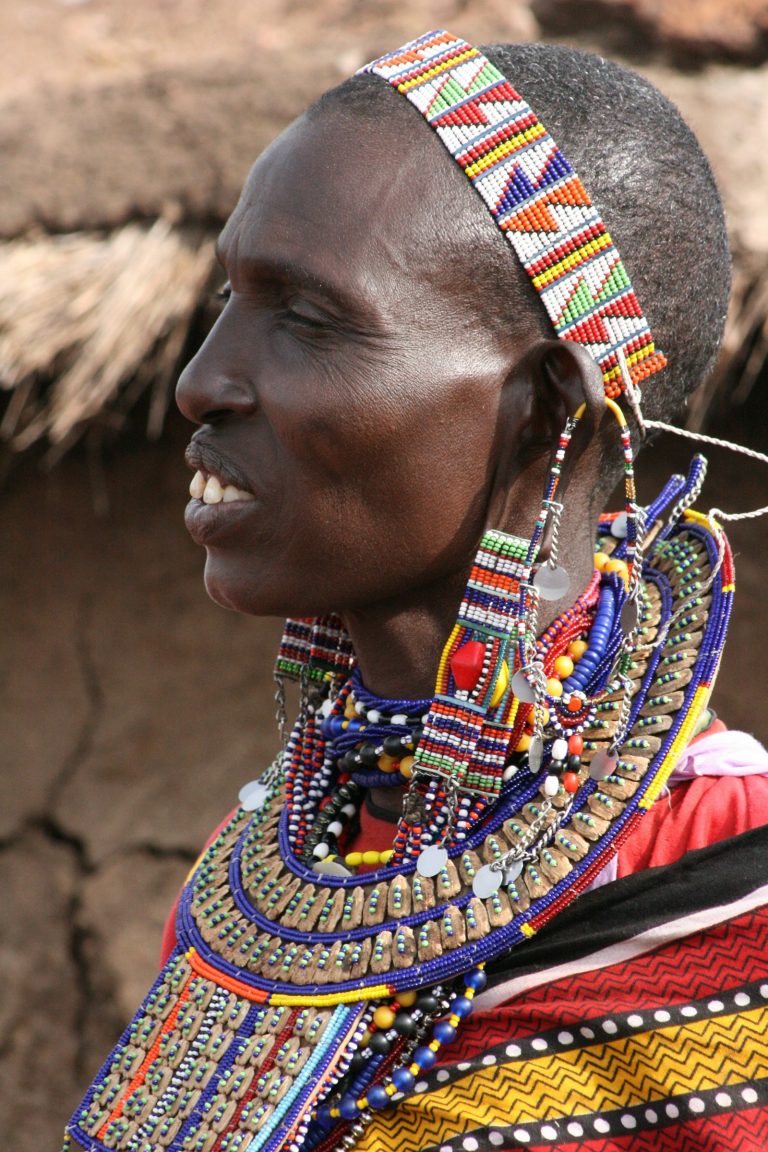
6. Cultural Safari — wildlife alongside village and community visits
Cultural itineraries add guided Maasai or Samburu village visits and community-run conservancies to a standard game-viewing schedule, giving context to the landscape rather than just the animals in it. Our Northern Kenya Cultural Safari pairs Samburu wildlife with exactly this kind of community access.
Tell Us Your Priorities, We Will Match the Style
Budget, pace, privacy or photography — message us and we will point you to the right package, not just a park.
Types of Safari: Quick Reference
- Best for budget and ground covered: road or mobile safari.
- Best for saving time: fly-in safari, usually under 1 hour between camps instead of 5-6 hours by road.
- Best for a close, slow encounter: walking safari, minimum age around 12 at most conservancies.
- Best for serious camera work: photographic safari with off-road access and dawn-to-dusk pacing.
- Best for privacy: honeymoon and luxury safari, typically 4-7 days in one or two locations.
- Best for context beyond wildlife: cultural safari with village and community visits included.
Turning a Safari Style Into a Real Itinerary
Once you know the style, the next step is matching it to a destination and package. Our walking safari Kenya guide and our fly-in vs road safari comparison go deeper into those two specific styles. Browse our photographic safari packages or our honeymoon safari packages to see how each style translates into a bookable, priced itinerary.
Stop Guessing, Start With the Right Style
Message us today and we will design the safari style that actually matches how you want to travel.
Frequently Asked Questions
What are the main types of safari in Africa?
The main types of safari in Africa are walking, fly-in, road or mobile, photographic, honeymoon and luxury, and cultural safaris. Each trades off differently between cost, pace, privacy and physical involvement, so the right one depends on your priorities rather than a single best answer.
What is the difference between a fly-in and a road safari?
A fly-in safari uses light aircraft to move between camps in under an hour, while a road safari covers the same ground by 4×4 over 5 to 6 hours or more. Fly-in safaris cost more per day but save significant time, leaving more hours for actual game viewing.
Is a walking safari safe?
Yes, walking safaris are led by an armed, licensed ranger alongside your guide, following strict protocols on distance and animal behaviour. Most conservancies set a minimum age of around 12 years old and brief guests thoroughly before setting out.
Which type of safari is best for a honeymoon?
A honeymoon or luxury-style safari is generally best for couples, since it prioritises privacy, exclusive-use vehicles and fewer, longer stops in one or two locations over covering as much ground as possible across many parks.
Which type of safari is cheapest?
A road or mobile safari is typically the cheapest type of safari, since it avoids the added cost of light-aircraft transfers used on fly-in itineraries and can use a wider range of lodge categories to fit different budgets.