

Amboseli birds thrive on the park’s great contradiction: a dust-dry lakebed at the foot of Kilimanjaro, punctured by lush permanent swamps that never fail. That collision of habitats packs more than 420 recorded species into just 392 km². Pelicans and jacanas paddle the spring-fed pools while sandgrouse and larks work the alkaline flats a hundred metres away; raptors patrol the boundary between the two worlds. Because the wetlands sit beside the game-drive tracks, Amboseli birding is armchair birding — some of the easiest, closest waterbird viewing in Kenya. Sense of Adventure guides happily switch the drive to bird mode; just say the word.
Bring the Binoculars to the Swamps
Waterbird spectacles at point-blank range plus dry-country specials — tell us birds are on your list.
Why Amboseli’s Wetlands Are a Bird Magnet
Amboseli’s swamps — Enkongo Narok, Longinye, Olokenya and the Kimana fringe — are fed underground by Kilimanjaro’s rain and meltwater, so they stay green when everything else is dust. In a semi-arid landscape that permanence is priceless: herons, egrets, storks, ibises, ducks and waders crowd the channels year-round, joined November-April by Palearctic migrants from ruffs to yellow wagtails. The surrounding alkaline plains and acacia scrub add a completely different cast — bustards, coursers, sandgrouse, larks and dry-country raptors — which is how a single morning’s loop delivers pelican and pratincole in the same notebook.
We stopped counting herons and egrets at nine species before lunch. A saddle-billed stork fished right beside the track, totally unbothered. My husband watched elephants; I filled four pages of my notebook. Amboseli spoils both kinds of safari-goer.
— Sense of Adventure guest, birding-focused Amboseli trip
The 5 Essential Amboseli Birding Experiences
The Swamp-Edge Slow Drive — waterbirds at arm’s length
Idle along the Longinye margins and the birds simply ignore you: purple herons stalking, African jacanas trotting across lily pads, squacco herons flushing gold from the reeds, malachite kingfishers stitching the channels. It is the closest, most relaxed waterbird viewing in Kenyan safari — a 300 mm lens feels almost excessive.
The Saddle-Billed Stork Hunt — Africa’s most elegant fisherman
A metre and a half of black, white and scarlet, the saddle-billed stork is Amboseli’s wetland aristocrat, spear-fishing the channels in slow motion. Pairs hold territories here year-round, so guides know where to look. Watching one toss and swallow a catfish is a top-five sighting for any bird lover.
Pelican and Flamingo Pools — pink and white flotillas in the desert
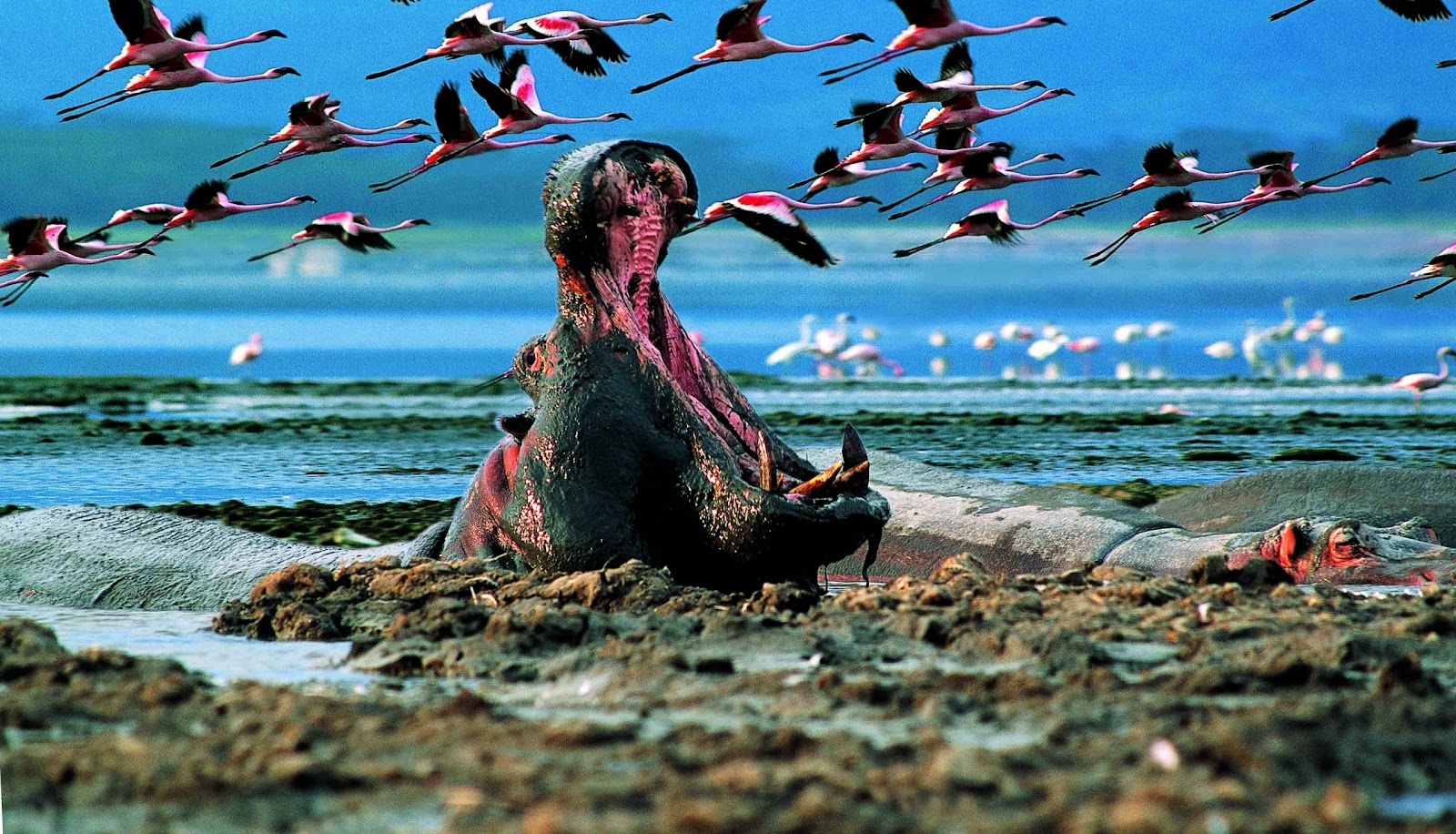
Great white pelicans fish the open pools in coordinated squadrons, and in wetter years lesser flamingos dust the alkaline shallows pink — surreal against the dust-devils of the dry lakebed beyond. Water levels decide the show; your guide will know which pools are performing this season.
Dry-Country Specials — the other half of the list
Between wetlands, the alkaline flats produce birds waterside watchers rarely meet: kori bustards displaying, double-banded coursers sprinting between stones, chestnut-bellied sandgrouse whirring to water at dawn, and larks and pipits for the connoisseur. This habitat whiplash is exactly what makes Amboseli lists so long so fast.
Raptors on the Boundary — eagles working the ecotone
Where swamp meets savannah the hunting is rich: African fish eagles claim the pools, martial and tawny eagles patrol the flats, pale chanting goshawks sit sentinel on acacias, and pygmy falcons — Africa’s smallest raptor — hunt from whistling-thorns. After rains, harriers and kestrels arrive in force from Europe.
A Full Birding Morning, Arranged
Swamp loop, dry-lake circuit and a checklist that fills fast — ask us to build a Amboseli birding morning into your safari.

Amboseli Birding Facts
- The list: over 420 species recorded in just 392 km² — density born of habitat contrast.
- Water source: the swamps are fed underground from Kilimanjaro and never dry — the engine of the whole bird show.
- Migrant season: November-April adds Eurasian waders, warblers, wagtails and raptors by the thousand.
- Star residents: saddle-billed stork, grey crowned crane, African jacana, malachite kingfisher and African fish eagle.
- Dry-side stars: kori bustard, coursers, sandgrouse and pygmy falcon within minutes of the pools.
- Ease: most key wetland viewing happens right off the main game-drive tracks — no walking required.
Birding Amboseli Within a Bigger Trip
Amboseli pairs its birds with the famous elephants — read our Amboseli elephants guide and the general Amboseli safari guide for context. Serious listers should chain Amboseli with the Rift lakes using our Kenya birdwatching safari guide, or start simple with the Amboseli day safari from Nairobi.
420 Species and a Mountain Backdrop
Few parks fill a bird list this fast. Tell us your dates and targets — we’ll do the rest.
Frequently Asked Questions
How many bird species are in Amboseli?
Amboseli has recorded more than 420 bird species in its 392 km² — an exceptional density created by permanent spring-fed swamps sitting inside semi-arid plains. Waterbirds crowd the wetlands while bustards, coursers and sandgrouse work the dry flats minutes away.
What birds is Amboseli famous for?
Amboseli birds of note include the saddle-billed stork, grey crowned crane, African jacana, malachite kingfisher, great white pelican and African fish eagle in the wetlands, plus kori bustards and pygmy falcons on the dry plains. In wet years lesser flamingos tint the alkaline pools pink.
When is the best time for birdwatching in Amboseli?
The best Amboseli birding runs November to April, when 100-plus migrant species join the residents and many birds breed in bright plumage. The spring-fed swamps guarantee excellent waterbird viewing in every month, even peak dry season.
Why does Amboseli have swamps in a dry landscape?
Amboseli’s swamps are fed by rain and snowmelt from Kilimanjaro that travels underground through volcanic rock for years before surfacing inside the park. The springs never fail, keeping Enkongo Narok, Longinye and Olokenya green — and packed with birds — through the harshest droughts.
Can I combine birding with elephant viewing in Amboseli?
Perfectly — Amboseli’s birds and elephants share the same swamps. A single slow morning loop delivers herons, jacanas and fish eagles between elephant herds wading the channels. Tell your guide birds matter and the same game drive serves both passions.