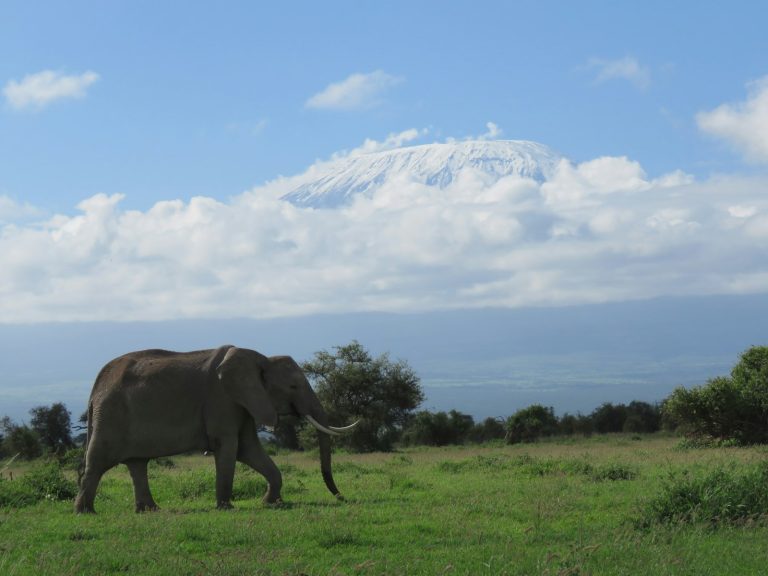
An Amboseli safari delivers the single most iconic image in African wildlife photography — great herds of elephants crossing golden plains beneath the snow-capped peak of Mount Kilimanjaro. Set in southern Kenya on the Tanzanian border, Amboseli National Park is famous for its big-tusked elephants, its sweeping views of Africa’s highest mountain, and some of the most reliable elephant viewing in the country. In this guide we cover the best things to do in Amboseli, the wildlife you’ll encounter, the perfect time to visit, park fees, where to stay and how Amboseli fits into a wider Kenya safari.
✅ Amboseli Safari: The Quick Answer
- Best for: relaxed elephant herds at close range, Kilimanjaro views and photography.
- Best time: June to October and January to February, when the park is dry and the mountain is most often clear.
- How long: two nights is ideal; one night works as a short break from Nairobi.
- Park fee: USD 90 per non-resident adult per day and USD 45 per child (KWS rates in force since October 2025).
- Getting there: about 4–5 hours by road from Nairobi, or a short light-aircraft flight from Wilson Airport.
Why Visit Amboseli
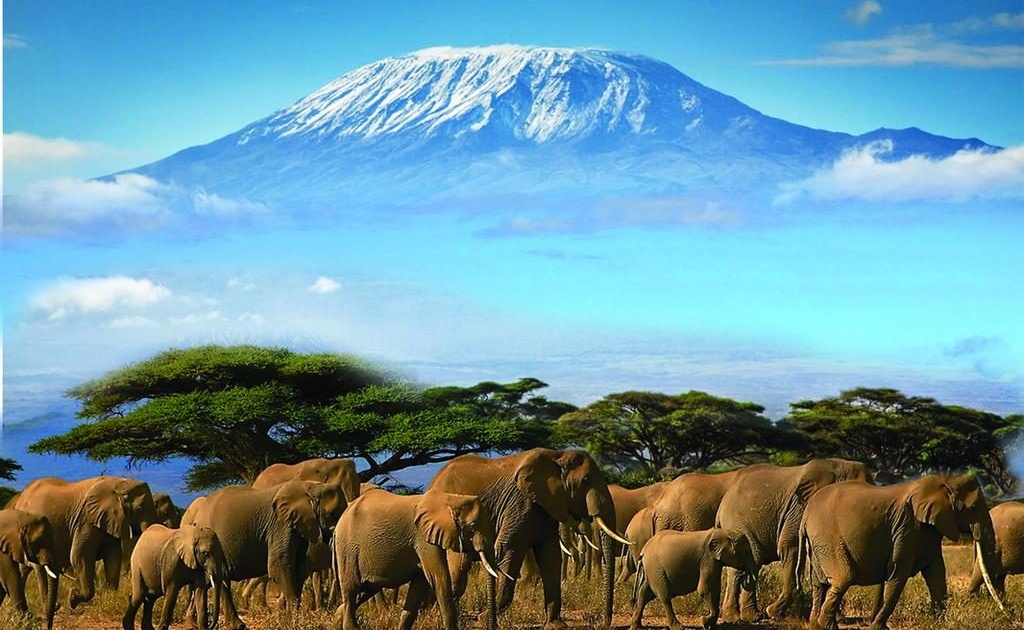
Amboseli is built for elephants — and for the photographers who come to see them. Its open, short-grass plains and seasonal swamps fed by Kilimanjaro’s meltwater attract huge herds, including some of the largest tuskers left in Africa, all framed by the mountain rising across the border.
Beyond elephants, Amboseli offers lions, cheetahs, hyenas, buffalo and giraffes, plus more than 400 bird species around its wetlands. The combination of reliable big game, dramatic scenery and easy access from Nairobi makes it one of Kenya’s must-visit parks.
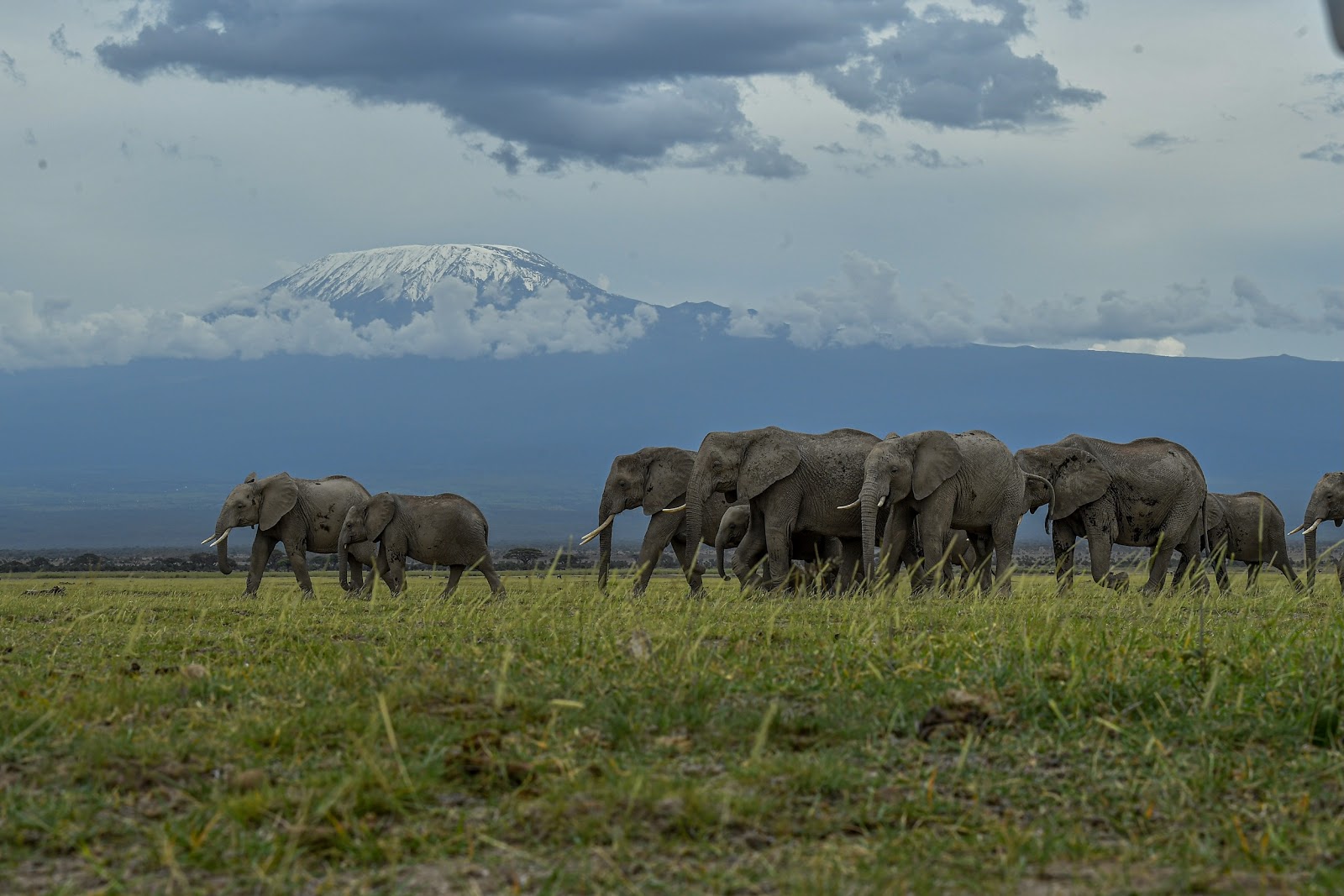
The elephants here are also some of the calmest in Africa. Research on Amboseli’s elephant families began in 1972, and Kenya Wildlife Service describes it as the longest-running study of wild elephants anywhere. Because the herds are so used to vehicles, your guide can often switch off the engine and let a family walk past within a few metres — one of the great moments of any Amboseli safari.
5 Best Things to Do on an Amboseli Safari
1. Photograph Elephants Beneath Kilimanjaro
The classic Amboseli shot — a line of elephants with Mount Kilimanjaro behind — is best captured at dawn and dusk when the mountain is clear of cloud. Few places on earth offer a more dramatic wildlife backdrop.
2. Watch Big Cats on the Plains
Amboseli’s open terrain makes spotting predators easier than in dense bush. Lions, cheetahs and spotted hyenas hunt across the plains, often in clear view against the short grass.
3. Explore the Kilimanjaro-Fed Swamps
The Enkongo Narok and Longinye swamps stay green year-round, drawing elephants, buffalo, hippos and a wealth of water birds — a lush contrast to the surrounding dusty plains.
4. Climb Observation Hill
This small rise offers a rare chance to step out of the vehicle and take in a panoramic view of the swamps, plains and — on a clear day — the full sweep of Kilimanjaro.
5. Meet the Maasai
Amboseli sits within Maasai land, and many visitors add a cultural visit to a nearby village to learn about the traditions of one of Africa’s most famous pastoral peoples.
For a meaningful visit, go with a guide who knows the family and agree the fee before you arrive. Ask about cattle, water and schooling: a real conversation is worth far more than a performance put on for visitors, and your fee goes directly to the community.
Ready to experience Amboseli? Plan your trip with our safari experts.
💬 Book on WhatsAppView Safari Packages →Wildlife to See
Amboseli is one of the best places in Kenya for reliable big-game viewing. Look out for:
- Elephants — large herds and some of Africa’s biggest tuskers
- Lions, cheetahs & hyenas — hunting the open plains
- Buffalo, giraffe, zebra & wildebeest — across the grasslands
- Hippos & water birds — in the year-round swamps
- 400+ bird species — including pelicans, flamingos and crowned cranes
Honest sighting odds on an Amboseli safari
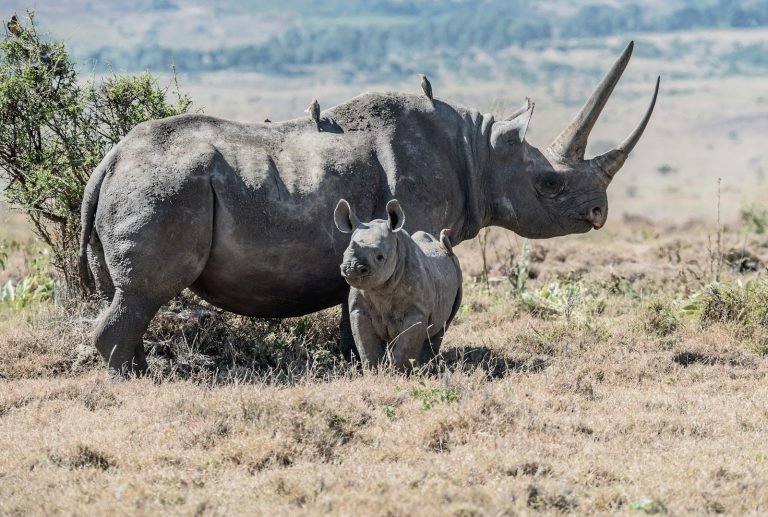
Elephants are close to certain on every Amboseli safari, and buffalo, zebra, wildebeest, giraffe and hippo are very likely. Lions are seen on many trips, though prides move in and out of the park, so sightings are less reliable than in the Masai Mara. Cheetahs and hyenas are fair bets on the open plains. Leopards are rare, and there are no rhinos in Amboseli, so if the Big Five matter to you, add Lake Nakuru or Ol Pejeta to your route.

Best Time to Visit Amboseli
The best time for an Amboseli safari is the dry season — June to October and January to February — when wildlife concentrates around the swamps and Kilimanjaro is most often visible. The mountain is typically clearest in the early morning and late afternoon. The green season (November and March–May) brings lush scenery, newborn animals and excellent birding, though clouds can hide the peak.
| Months | Weather | Wildlife and views |
|---|---|---|
| January–February | Hot, mostly dry | Herds at the swamps; often clear at dawn |
| March–May | Long rains | Green, fewer visitors; frequently cloudy |
| June–August | Cool, dry | Big gatherings at the swamps; good views |
| September–October | Hot, dry, dusty | Peak elephant concentrations |
| November–December | Short rains | Clear spells after rain; calves |
Kilimanjaro is shy in every month. Cloud often hides the summit by mid-morning and lifts again in the late afternoon, which is why two nights — and two sunrise chances — make such a difference. For weather across the rest of Kenya, see our Kenya weather by month guide.
Amboseli Safari Costs and Park Fees
Amboseli is one of Kenya Wildlife Service’s Premium Parks, so its daily conservation fee is higher than many others. These are the KWS rates in force since October 2025:
- Non-resident adult: USD 90 per day; child USD 45.
- African citizen (non-EAC): USD 50 per day; child USD 25.
- Kenya resident: KES 2,025 per day; East African citizen KES 1,500.
- Children aged 5 and under enter free.
All park fees are paid cashless through eCitizen, and you can check current rates on the Kenya Wildlife Service Amboseli page. In 2025 the government moved to hand management of the park to Kajiado County, and the transfer was suspended by the High Court while a petition is heard, so arrangements could change. When you book with us, every fee is included in one written price. Read our full Amboseli National Park guide for gate details and rules.
What affects the price of an Amboseli safari
The total cost of an Amboseli safari depends on four things: the number of nights, the season, your accommodation and whether you share a vehicle or travel privately. Lodges inside the park cost more in the dry months, while camps on the surrounding community land vary from comfortable mid-range to top-end luxury. A private vehicle costs more than a shared group trip, but it lets you stay with the elephants for as long as you like. Tell us your budget and we will show you the options side by side.
How to Get to Amboseli
There are two main road routes from Nairobi. The most common runs along the Nairobi–Mombasa road to Emali, then on tarmac to Iremito gate, about 204 km from Nairobi according to KWS. The other runs south via Kajiado to Namanga, then on gravel to Meshanani gate, about 220 km. Allow 4–5 hours either way, depending on traffic and stops.
If you prefer to fly, scheduled light aircraft from Wilson Airport reach airstrips in and around the park in roughly an hour. Flights save time but limit you to soft bags of around 15 kg. Kimana gate on the eastern side links Amboseli with Tsavo West for travellers heading on towards the coast.
How Many Days for an Amboseli Safari?
For most travellers, two nights is the best length for an Amboseli safari. You get a full day of game drives and two chances at a clear Kilimanjaro sunrise. One night works as a short break from Nairobi on our 2-Day Amboseli Safari, and a long Amboseli Day Safari is possible but tiring. Photographers should plan three nights or more, so one cloudy morning does not cost them the classic shot.
Sample 2-day Amboseli safari itinerary
Day 1: Leave Nairobi at about 7am and drive via Emali to Iremito gate. Check in for lunch, rest through the midday heat, then take an afternoon game drive to the swamps and finish at Observation Hill for sunset.
Day 2: Head out at first light for the clearest mountain views and elephants coming to drink. Return for breakfast, then take a final game drive on the way out, arriving back in Nairobi in the late afternoon.
Where to Stay in Amboseli
On an Amboseli safari you can sleep inside the park for the shortest drives to the swamps, or in a camp on the community land around it for a quieter, more private stay. Inside the park, lodges such as Ol Tukai Lodge and Amboseli Serena Safari Lodge sit close to the wildlife. Outside, tented camps on the surrounding conservancies combine Kilimanjaro views with guided walks and fewer vehicles.
Not sure which style suits you? Our guide to choosing a tented camp vs lodge explains the differences, and we are happy to shortlist two or three options for your dates and budget.
Amboseli Safari Tips and Park Rules
- Start early: morning drives leave around 6.30am to catch the mountain before the cloud builds. Gates open at 6am and close at 6pm.
- Stay on the tracks: off-road driving is not allowed, the speed limit is 40 km/h and vehicles should keep at least 20 metres from wildlife.
- Protect yourself from glare and dust: bring sunglasses, a hat, strong sunscreen and a light scarf for the dry season.
- Pack a zoom lens: elephants come close, but birds and cats do not. Spare batteries are essential.
- Dress in neutral colours and add a warm layer for cold early mornings.
- Check entry rules: most visitors need an Electronic Travel Authorisation from the official eTA Kenya portal, and you should read your government’s advice, such as the UK travel advice for Kenya.
Amboseli and the People Who Protect It
Amboseli is small, and most of its wider ecosystem lies outside the park on Maasai group ranches. KWS notes that only about 40% of the elephants around Amboseli use the park in the dry season; the rest of the time they depend on community land where families also graze cattle, sheep and goats. That shared space brings real costs, from crops raided by elephants to livestock lost to lions.
Conservation groups such as the Big Life Foundation employ local rangers to stop poaching and reduce conflict, and community sanctuaries pay landowners to keep wildlife corridors open. Your park and conservancy fees are part of what makes that work, so every Amboseli safari supports the people who live alongside the elephants.
Is an Amboseli Safari Worth It?
Yes, especially if elephants and photography top your list. An Amboseli safari gives you some of the most relaxed elephants in Africa, a mountain backdrop no other Kenyan park can match and easy game viewing in a compact area, even on a short stay. It is less suited to travellers whose priority is leopards or rhinos, so we usually pair it with another park.
The best Amboseli safari for first-timers is two nights combined with the Masai Mara, which adds big cats and, from July to October, the Great Migration. Families like the short distances, and photographers love the clean backgrounds and open light.
How Amboseli Fits Into a Kenya Safari
An Amboseli safari is superb as a standalone trip or as part of a southern-Kenya circuit. For a quick visit, see our Amboseli Day Safari; photographers should look at the Amboseli Elephant Photographic Safari. Amboseli also pairs beautifully with the Masai Mara and Samburu on our Kenya Luxury Big Five Safari.
Kenya’s classic route is our 7-day Amboseli, Lake Naivasha and Masai Mara safari, and you can compare the two parks in our Masai Mara vs Amboseli guide. Heading to the coast? The Tsavo and Amboseli Safari from Mombasa links both parks, and our Tsavo vs Amboseli comparison helps you choose. If you want your own vehicle and guide, see how a private Kenya safari works, or browse every Kenya safari from Nairobi.
Amboseli Belongs on Your Kenya Safari
For close-up elephants, dramatic mountain views and world-class photography, few destinations rival Amboseli. Get in touch and we’ll craft an Amboseli safari around your dates, budget and travel style.
Ready to experience Amboseli? Plan your trip with our safari experts.
💬 Book on WhatsAppView Safari Packages →Related Safari Guides
Frequently Asked Questions
How far is Amboseli from Nairobi?
Amboseli’s Iremito gate is about 204 km from Nairobi via Emali, and Meshanani gate about 220 km via Namanga, according to KWS. Allow roughly 4 to 5 hours by road, depending on traffic and stops, or take a short scheduled flight of about an hour from Wilson Airport.
What is Amboseli famous for?
Amboseli is famous for its large elephant herds and big-tusked elephants set against the backdrop of Mount Kilimanjaro, making it one of the most photographed safari destinations in Africa. Its elephants have been studied since 1972 and are unusually relaxed around vehicles.
Can you see Kilimanjaro from Amboseli?
Yes. On clear days Mount Kilimanjaro dominates the southern skyline. The mountain is usually clearest at dawn and dusk, when cloud cover is lowest. Staying two nights gives you two sunrise chances, which greatly improves your odds of the classic view.
What is the best time to visit Amboseli?
The dry months of June to October and January to February offer the best wildlife viewing and the clearest Kilimanjaro views, as animals gather around the swamps and skies are clearer. The rainy months are greener and quieter, but cloud often hides the mountain.
How many days do you need in Amboseli?
Two to three days lets you fully enjoy the elephants, big cats and Kilimanjaro views. A single day trip is possible from Nairobi but a longer stay is far more rewarding, and photographers should plan at least three nights.
How much is the Amboseli park fee?
Since October 2025, Kenya Wildlife Service charges non-resident adults USD 90 and children USD 45 per day. Kenya residents pay KES 2,025 and East African citizens KES 1,500. Children aged 5 and under enter free, and fees are paid online through eCitizen rather than in cash.
Are there rhinos in Amboseli?
No. There are no rhinos in Amboseli, so it cannot complete the Big Five on its own. Travellers who want rhino usually combine an Amboseli safari with Lake Nakuru or Ol Pejeta Conservancy, both of which have good rhino populations and are easy to add to a Kenya itinerary.