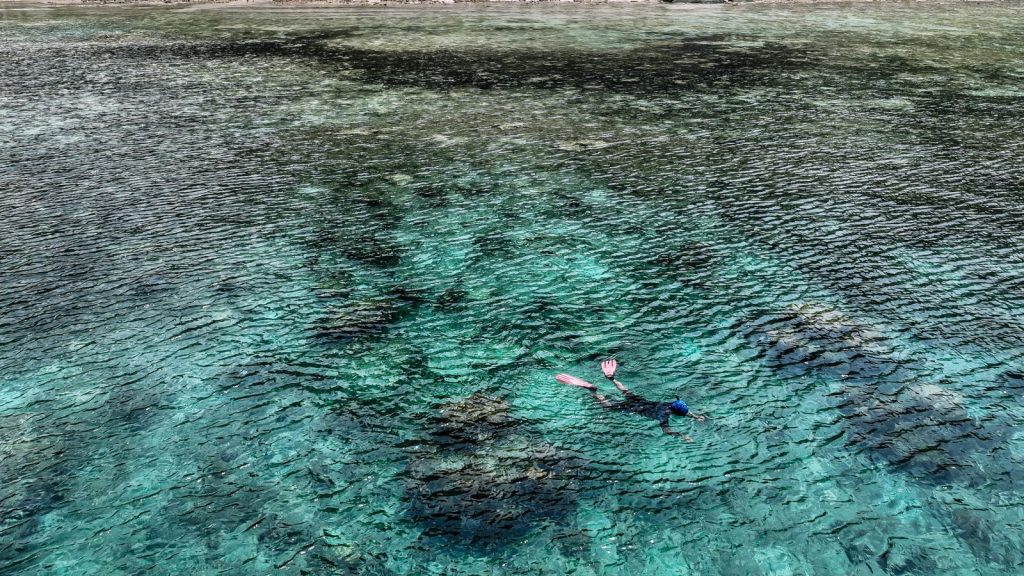
The marine parks in Kenya sit along a coastline most safari itineraries skip entirely, and each one specialises in something different. Kisite-Mpunguti, the southernmost, is the best place on the coast for dolphin encounters and clear-water snorkelling. Watamu, gazetted in 1968 alongside neighbouring Malindi as Kenya’s first marine parks, is prized for healthy coral gardens, turtles and a quieter atmosphere.
Diani has no marine national park of its own, but it is the south coast’s best-equipped beach base, with the widest range of water sports and easy day trips to Kisite-Mpunguti from Shimoni. Picture ending a Kenya safari not with another game drive, but drifting over coral with dolphins passing beneath the boat. Sense of Adventure builds beach-and-safari combinations around exactly this coastal extension.
✅ Marine Parks in Kenya: Quick Answer
- Best for dolphins: Kisite-Mpunguti Marine National Park, by dhow from Shimoni on the south coast.
- Best for coral and turtles: Watamu Marine National Park on the north coast, with a calm lagoon and fewer crowds.
- Easiest from a city: Mombasa Marine National Park, just off Nyali and Bamburi beaches.
- Best beach base: Diani, for water sports and day trips to Kisite.
- Calmest seas: usually October to March; humpback whales pass from about July to October.
- Easy option: our Wasini Island and Kisite Dolphin Day Trip starts from USD 140 per adult sharing.
Adding the coast to your safari? Tell us your dates and we will match you to the right reef.
Match Me a ReefHow Marine Parks in Kenya Work
Kenya has four marine national parks: Malindi, Watamu, Mombasa and Kisite. Each is surrounded or joined by a marine national reserve, such as Mpunguti next to Kisite, and there is also the Diani-Chale Marine Reserve on the south coast. All are managed by the Kenya Wildlife Service.
The difference matters. In the marine national parks, fishing and the collection of shells or coral are banned, which is why fish are so plentiful. In the reserves, local fishers may use traditional methods under rules. For visitors, the marine parks in Kenya are where the best snorkelling is, and where you pay a daily KWS marine park fee.
Visits are by boat, usually a glass-bottom boat or a traditional wooden dhow, with snorkelling stops over coral gardens. You do not need to dive, and life jackets are provided, so non-swimmers can still enjoy the reef from the boat.
The Best Marine Parks in Kenya, One by One
Here is what each of the marine parks in Kenya does best, plus Diani, the south coast’s main beach base.
Kisite-Mpunguti Marine National Park — the dolphin specialist
Gazetted in 1978 and reached by boat from Shimoni, Kisite holds healthy coral, around 250 recorded fish species and resident bottlenose and Indian Ocean humpback dolphins, with spinner dolphins also seen. It is the best single choice if dolphins are the priority. See our Kisite-Mpunguti Marine National Park guide.
Watamu Marine National Park — gazetted 1968, coral and turtles
A long-protected reef and lagoon with a peaceful atmosphere compared with the busier south coast. Green turtles nest on nearby beaches, and coral gardens sit close to shore. It is the strongest choice for reef health and fewer crowds. See our Watamu Marine Park guide.
Malindi Marine National Park — Kenya’s first marine park
Gazetted in 1968, Malindi pairs coral gardens with a historic Swahili town. It combines easily with Watamu on a north coast stay. See our Malindi Marine National Park guide.
Mombasa Marine National Park — the most accessible reef
Just off Nyali, Bamburi and Shanzu, this reef and lagoon suits travellers staying north of Mombasa or with only a few hours to spare. See our Mombasa Marine National Park guide.
Diani — the south coast beach base
Diani offers the most developed access and the broadest range of water sports on the south coast, from snorkelling and diving to kitesurfing, plus day trips to Kisite-Mpunguti, the southernmost of the marine parks in Kenya. Book our Diani Beach Getaway as a base.
Marine Parks in Kenya Compared
This table sets the marine parks in Kenya side by side for a typical beach stay.
| Area | Coast | Highlight | Best for |
|---|---|---|---|
| Kisite-Mpunguti | South, from Shimoni | Dolphins and clear water | Dolphin lovers, full-day trips |
| Watamu | North | Coral gardens and turtles | Snorkellers, families, quiet stays |
| Malindi | North | Reef plus Swahili history | Culture and reef combined |
| Mombasa | North of the city | Easy lagoon access | Short stays and layovers |
| Diani (base) | South | Water sports, Kisite day trips | Beach comfort and variety |
Kisite, Watamu or Diani: How to Choose
Most travellers have time for one coast, so choosing between the marine parks in Kenya is the key decision. Start with what you most want to see in the water.
Choose Kisite-Mpunguti if dolphins come first
Dolphins are seen on most trips, though never guaranteed, and the full-day dhow trip includes snorkelling and a Swahili seafood lunch on Wasini Island. Base yourself in Diani, Galu or Tiwi and allow a full day, as Shimoni is about an hour and a half’s drive south of Diani.
Choose Watamu for coral, turtles and calm
Of all the marine parks in Kenya, Watamu best suits snorkellers who want healthy reef close to shore and a slower pace. It also pairs with Arabuko Sokoke forest and Mida Creek on land, so it works well for nature lovers.
Choose Diani for variety and comfort
Diani suits mixed groups where not everyone wants to snorkel. You get a long white-sand beach, the widest choice of hotels and activities, and Kisite within reach for a day.
Marine parks in Kenya for families
Families usually do best with Watamu’s calm lagoon or a glass-bottom boat at Mombasa, where trips are short. Kisite is a long day, so it suits children who are happy on a boat for several hours.
Dolphins, Turtles or Beach Comfort?
Tell us who is travelling, how confident you are in the water and how many beach nights you have. We will recommend the coast and the marine park that fit.
Marine Life You Can See
The variety is what makes the marine parks in Kenya so rewarding. Coral reef, sea-grass beds and sandy channels sit close together, and each draws different animals.
- Dolphins: Indo-Pacific bottlenose and Indian Ocean humpback dolphins are resident around Kisite, and spinner dolphins sometimes appear in larger pods.
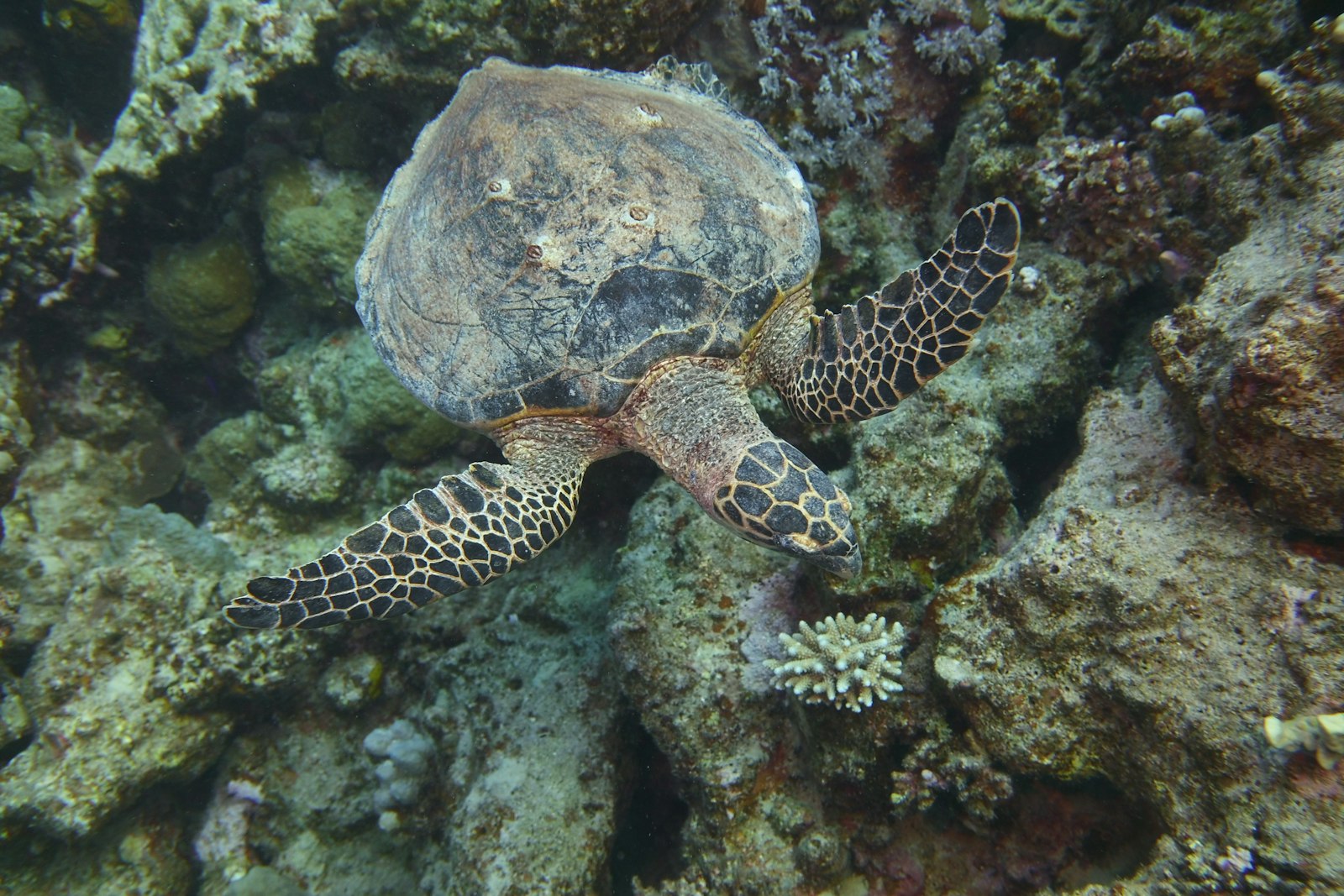
- Turtles: green turtles graze sea-grass beds and hawksbill turtles feed around the coral, especially at Watamu and Kisite.
- Reef fish: parrotfish, angelfish, butterflyfish, triggerfish, groupers, wrasses and moray eels.
- Rays and invertebrates: blue-spotted rays, giant clams, sea stars and soft corals in the shallows.
- Whales: humpback whales pass along the coast from about July to October.
Best Time to Visit Marine Parks in Kenya
The marine parks in Kenya are open all year, but sea conditions change with the monsoon winds. Calm water makes snorkelling more comfortable and improves visibility.
| Months | Sea conditions | Best for |
|---|---|---|
| October to March | Usually calmest and clearest | Snorkelling, families, first-timers |
| April to May | Long rains, warm water | Fewer visitors |
| June to September | South-east trade winds, choppier on some days | Whale season (about July to October) |
Mornings are usually calmer than afternoons, and low tide exposes the best coral gardens in the lagoons, so boat crews plan around the tide tables. Ask us to time your snorkelling day for the best conditions.
Diving in the Marine Parks in Kenya
You do not need to dive to enjoy the reef, but certified divers have plenty to explore. Licensed dive centres operate from Diani, Watamu and Malindi, and dives in the marine parks in Kenya take you to reef walls, coral heads and channels where larger fish, turtles and rays gather.
Beginners can usually arrange a supervised try-dive with a qualified instructor in calm, shallow water. Visibility is generally best in the calmer months from October to March. Always dive with a licensed centre, bring your certification card and logbook, and leave at least 24 hours between your last dive and any flight.
Costs and Park Fees
Visitors to the marine parks in Kenya pay a KWS fee per day. For non-resident adults it is about USD 25, with lower rates for residents and citizens; rates change from time to time, so check the current tariff on the Kenya Wildlife Service website.
The easiest option is an inclusive trip. Our Wasini Island and Kisite Dolphin Day Trip starts from USD 140 per adult sharing, including transfers from Diani hotels, the dhow, the marine park fee, snorkelling gear and lunch. The Watamu & Malindi Marine Escape (4 days) starts from USD 700 and the Diani Beach Getaway (4 days) from USD 650.
Plan Your Reef Day Around the Tides
Share your travel dates and hotel, and we will suggest the best day for your marine park trip and send a written quote with park fees included.
Quote My Reef TripA Sample 3-Day Coast Plan
Here is how a short stay on the south coast can work, with one of the best marine parks in Kenya at its heart.
- Day 1: fly from Nairobi to Ukunda or Mombasa, transfer to Diani and spend the afternoon on the beach.
- Day 2: a full-day dhow trip to Kisite-Mpunguti for dolphins and snorkelling, with lunch on Wasini Island.
- Day 3: water sports in Diani, or our Shimba Hills day trip for sable antelope and forest elephants.
On the north coast, swap Kisite for a Watamu snorkelling morning and add our Gede Ruins and Mida Creek day trip for Swahili history and mangroves.
Getting to Kenya’s Coast
To reach the marine parks in Kenya, most visitors fly from Nairobi to Mombasa, Ukunda (for Diani) or Malindi (for Watamu); flights take about an hour. The SGR train from Nairobi to Mombasa is a scenic alternative; compare the options in our Nairobi to Mombasa guide.
From Diani, Shimoni and the Kisite boats are about an hour and a half by road. Watamu’s marine park is a short boat ride from the beach hotels, and Malindi’s lies just south of the town. Mombasa Marine National Park is reached from the beaches north of the city, making it the easiest of the marine parks in Kenya for a short stay.
Marine Parks in Kenya: Key Facts
- Kisite-Mpunguti dolphins: resident bottlenose and Indian Ocean humpback dolphins, with spinner dolphins also seen.
- Kisite-Mpunguti reef: around 250 recorded fish species, plus green and hawksbill turtles; gazetted in 1978.
- Watamu’s age: Watamu Marine National Park was gazetted in 1968, the same year as Malindi, Kenya’s first marine parks.
- Four parks: Kenya’s marine national parks are Malindi, Watamu, Mombasa and Kisite, all run by KWS.
- Diani: a beach base with no marine national park of its own; Kisite-Mpunguti is the nearest, by boat from Shimoni.
- Access: Kisite-Mpunguti is reached by boat from Shimoni; Watamu, Malindi and Mombasa by boat from nearby beaches.
Responsible Snorkelling and Dolphin Watching
The marine parks in Kenya stay healthy only if visitors follow a few simple rules on the water.
- Never stand on, touch or kick the coral; keep your fins up and float.
- Wear a rash vest and reef-friendly sunscreen.
- Boats should approach dolphins slowly and never chase or surround them.
- Do not feed fish or collect shells, coral or starfish: it is illegal in the parks.
- Wear a life jacket if you are not a confident swimmer.
Malaria is present on the coast, so speak to your doctor, and check the latest GOV.UK travel advice for Kenya. For coast tourism information, see Magical Kenya.

What to Bring for a Day in the Marine Parks in Kenya
- Swimwear, a towel and a dry change of clothes.
- A hat, sunglasses and reef-friendly sunscreen.
- A rash vest to protect your back from the sun while snorkelling.
- A dry bag for your phone, camera and cash.
- Sea-sickness tablets if you are prone to motion sickness.
- Your own mask if you prefer a perfect fit, although most trips supply gear.
- Some cash for tips, drinks and small purchases.
Pack light: on a dhow or glass-bottom boat, space is limited and everything may get splashed.
Combining a Safari With a Kenyan Coast Extension
Adding one of the marine parks in Kenya to a safari is easy. Our Diani Beach Getaway and Kenya Bush & Beach Honeymoon (7 days, from USD 2,800) pair Masai Mara game viewing with a Diani stay, and can include a Kisite-Mpunguti or Wasini Island day trip on request. For the logistics, read combining a safari with a beach holiday.
Short on time? A Tsavo safari is the closest big-game park to the coast. For a fully tailored route, see our private Kenya safari options.
From the Savannah to the Coral Reef
Finish your safari at one of the marine parks in Kenya. Tell us your safari dates and we will add the right coast, hotel and marine park day, with transfers handled.
Frequently Asked Questions
Which is the best of the marine parks in Kenya?
It depends on your priority. Kisite-Mpunguti is best for dolphins and clear water, Watamu is best for coral gardens, turtles and a quiet atmosphere, and Mombasa is the easiest to reach. Diani has no marine park of its own but makes the best beach base for Kisite day trips.
How many marine parks are there in Kenya?
Kenya has four marine national parks: Malindi, Watamu, Mombasa and Kisite. Each sits next to a marine national reserve, such as Mpunguti beside Kisite, and the south coast also has the Diani-Chale Marine Reserve. All are managed by the Kenya Wildlife Service, which charges a daily park fee.
Where can you see dolphins on the Kenyan coast?
Kisite-Mpunguti Marine National Park, reached by boat from Shimoni south of Diani, is the most reliable place. Bottlenose and Indian Ocean humpback dolphins are resident, and spinner dolphins are sometimes seen. Dolphins are wild, so sightings are never guaranteed, but they are seen on most trips.
How do you get to Kisite-Mpunguti Marine National Park?
Drive to Shimoni, about an hour and a half from Diani, then take a boat into the park. Most visitors join a full-day dhow trip with transfers, snorkelling and lunch on Wasini Island. Our day trip from Diani starts from USD 140 per adult sharing.
Is Watamu or Diani better for snorkelling?
Watamu is generally better for snorkelling straight from your hotel area, with healthy coral and a calm lagoon inside a marine national park. Diani offers more water sports and hotels, and its best snorkelling trip is the day out to Kisite-Mpunguti, which has very clear water and dolphins.
When is the best time to visit marine parks in Kenya?
October to March usually brings the calmest, clearest seas, which is best for snorkelling and families. April and May are rainy but quiet. From June to September the south-east trade winds make some days choppy, although July to October adds the chance of humpback whales.
Can you combine a Kenya safari with a marine park visit?
Yes. A Masai Mara or Tsavo safari pairs naturally with a coastal extension to Diani or Watamu, usually at the end of the trip. Flights from Nairobi to the coast take about an hour, and we can add a Kisite or Watamu reef day to any itinerary.