
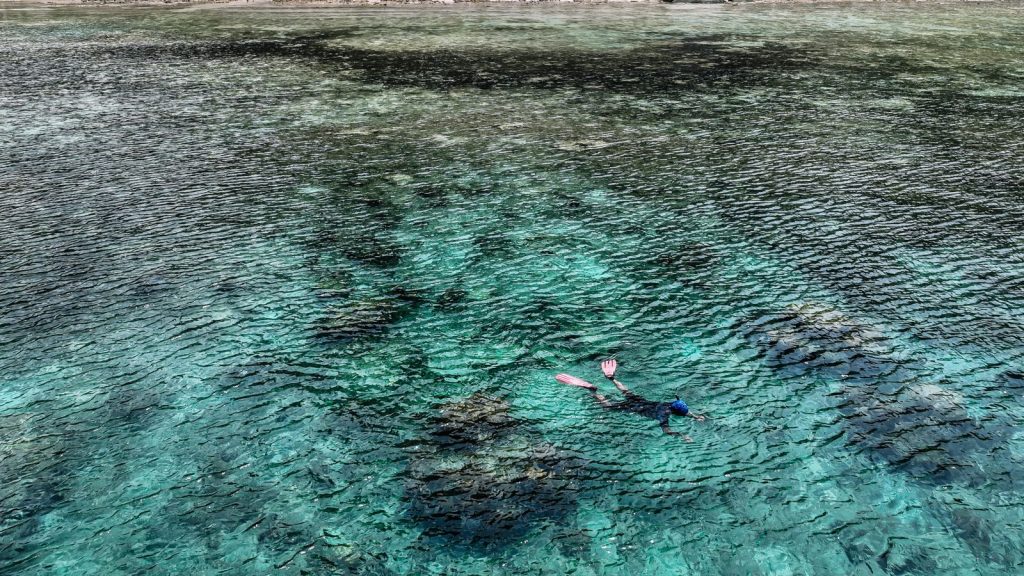
Kisite Mpunguti Marine National Park was Kenya’s first Blue Park when it was established in 1978, and it remains one of the country’s best places to swim in genuinely clear water surrounded by living coral reef. Four small islands off Shimoni and Wasini Island, near the Tanzanian border, sit inside a marine reserve holding over 200 dolphins — spinner, humpback and bottle-nosed, usually in pods of 2-25 — plus roughly 250 recorded fish species, sea turtles, and, between July and October, migrating humpback whales. Picture snorkelling over a coral garden with parrotfish and butterflyfish drifting past, then a pod of spinner dolphins breaking the surface metres from the boat on the ride back. Sense of Adventure treats Kisite Mpunguti as one of the best marine add-ons to any southern Kenya coast trip.
Swim With Dolphins in Kenya’s First Blue Park
Coral reefs, 200+ resident dolphins — message us to add Kisite Mpunguti to your coast trip.
Kenya’s First Marine Protected Area
Kisite covers 11 km² and neighbouring Mpunguti reserve a further 28 km², together comprising four small coral-fringed islands south of Wasini Island near Shimoni, in Kwale County close to the Tanzanian border. Established in 1978 as Kenya’s first Blue Park, the reserve holds over 200 dolphins — spinner, humpback and bottle-nosed, typically in pods of 2 to 25 — alongside roughly 250 recorded fish species, sea turtles including green and hawksbill, and seasonal humpback whales passing through on their July-to-October migration.
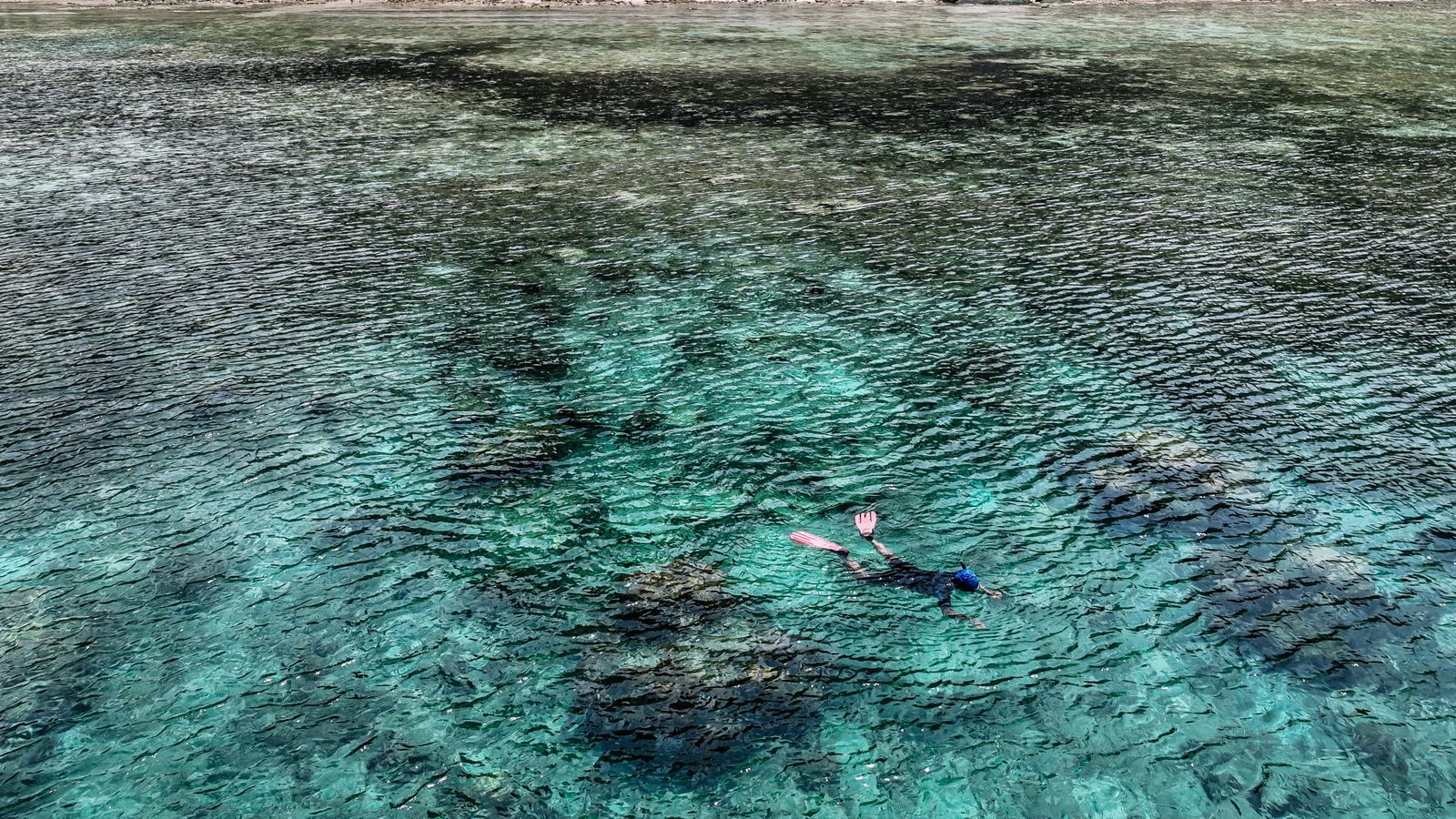
We went expecting a nice snorkel and came back having watched a pod of maybe fifteen spinner dolphins leaping right beside the boat for a good ten minutes. Our guide said Kisite has one of the highest dolphin encounter rates on the whole coast, and after that afternoon I completely believe it.
— Sense of Adventure guest, Kenyan south coast
The 6 Things That Make Kisite Mpunguti Worth the Trip
Kenya’s First Blue Park — established 1978, still one of the best
Kisite Mpunguti was designated Kenya’s first Blue Park in 1978, giving it decades of protection that show in the health of its coral gardens and fish populations compared to less-protected reef areas along the coast.
Over 200 Resident Dolphins — spinner, humpback and bottle-nosed
The reserve is genuinely one of the best places on the Kenyan coast for dolphin encounters, with a resident population of over 200 across three species, usually seen in pods of 2 to 25 breaking the surface near the boat.
Seasonal Humpback Whales — July to October migration
Between July and October, migrating humpback whales pass through the area, adding a seasonal highlight for visitors timing their coast trip around whale-watching alongside the resident dolphins.
Roughly 250 Recorded Fish Species — a genuinely rich coral ecosystem
Snorkellers and divers can expect triggerfish, moray eels, angelfish, butterflyfish, groupers, parrotfish, wrasses and rays across the park’s coral gardens, alongside green and hawksbill sea turtles.
Four Small Coral-Fringed Islands — a compact, easily explored marine area
The park comprises four small islands south of Wasini, keeping the whole marine area compact enough to explore thoroughly in a single day trip by boat from Shimoni.
A Natural Pairing With Wasini Island — lunch and culture alongside the reef
Most visits combine the marine park with a stop on Wasini Island itself for a seafood lunch and a look at the island’s small Swahili fishing community — a natural full-day package rather than just a snorkelling stop.
A Full Day of Reef, Dolphins and Island Culture
Message us to build a Kisite Mpunguti day trip into your south coast stay.
Kisite Mpunguti Marine National Park Facts
- Location: off Shimoni and south of Wasini Island, Kwale County, near the Tanzanian border.
- Size: Kisite park 11 km² plus Mpunguti reserve 28 km², roughly 39 km² total.
- Established: 1978 — Kenya’s first Blue Park (marine protected area).
- Dolphins: over 200 resident — spinner, humpback and bottle-nosed, usually in pods of 2-25.
- Fish species: roughly 250 recorded, plus green and hawksbill sea turtles.
- Whale season: humpback whales migrate through July to October.
Combining Kisite Mpunguti With a Kenyan Coast Trip
Kisite Mpunguti pairs naturally with Arabuko Sokoke National Park further north for travellers wanting both a coral-reef marine day and a rare-species forest walk on the same coast trip, and combines easily with a Diani Beach stay given its proximity to the south coast.
Dolphins, Coral and a Wasini Island Lunch
One of the Kenyan coast’s best full-day marine trips. Message us to plan your visit.
Frequently Asked Questions
What is Kisite Mpunguti Marine National Park known for?
Kisite Mpunguti Marine National Park is known for being Kenya’s first Blue Park, established in 1978, and for its resident population of over 200 dolphins alongside vibrant coral reefs and roughly 250 recorded fish species.
Where is Kisite Mpunguti Marine National Park located?
Kisite Mpunguti Marine National Park is located off Shimoni, south of Wasini Island, in Kwale County on Kenya’s south coast near the Tanzanian border.
Can you see dolphins at Kisite Mpunguti?
Yes — Kisite Mpunguti has a resident population of over 200 dolphins (spinner, humpback and bottle-nosed), typically encountered in pods of 2 to 25, making it one of the most reliable dolphin-watching spots on the Kenyan coast.
When can you see whales at Kisite Mpunguti?
Humpback whales migrate through Kisite Mpunguti Marine National Park between July and October, making this the best window for combining whale watching with the park’s year-round dolphin and coral reef sightings.
Can you combine Kisite Mpunguti with Wasini Island?
Yes — most visits combine a Kisite Mpunguti snorkelling or diving trip with a stop on nearby Wasini Island for a seafood lunch and a look at its small Swahili fishing community, making it a natural full-day excursion.