The best parks for walking safaris in Kenya narrow down quickly, because most of the country’s famous parks and reserves keep visitors in a vehicle for safety. Hell’s Gate is one of the few national parks where you may walk and cycle, following Kenya Wildlife Service rules. Crescent Island, a private sanctuary on Lake Naivasha, has no large predators, so you can stroll among giraffe, zebra and waterbuck. Picture hearing your own footsteps on dry grass instead of an engine, with a guide pointing out tracks at eye level. Sense of Adventure plans walking trips around the best parks for walking safaris, from easy day trips to ranger-led walks in conservancies.
✅ Best Parks for Walking Safaris in Kenya: Quick Answer
- Easiest from Nairobi: Hell’s Gate National Park, where walking and cycling are permitted under KWS rules.
- Most relaxed: Crescent Island, a private sanctuary on Lake Naivasha with no large predators.
- Real bush walking: Laikipia conservancies such as Ol Pejeta, Lewa and Borana, with armed rangers.
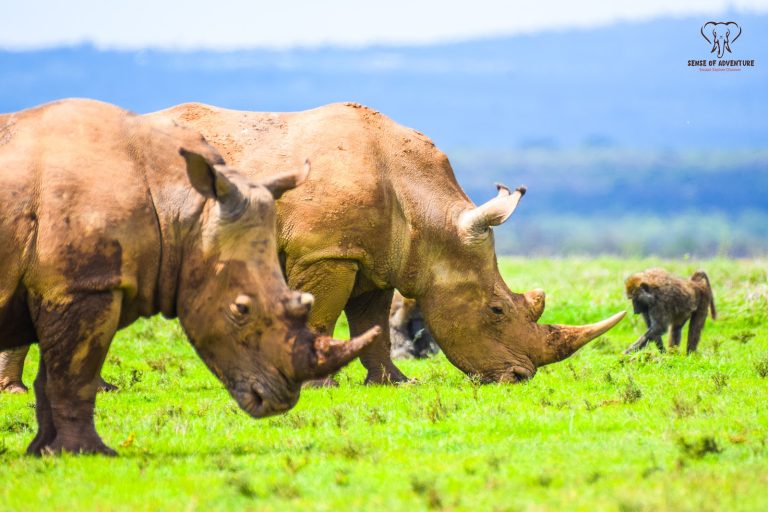
- Rhinos on foot: Lewa, Borana and Sera Rhino Sanctuary offer guided rhino tracking.
- Big cat country: Masai Mara conservancies run guided walks; the main reserve does not.
- Price guide: our Crescent Island & Hell’s Gate Day Trip starts at USD 160 per person.
Want to get out of the vehicle? We can plan a walking day or a full walking safari.
Plan My Walking DayWhy Most of Kenya’s Parks Keep You in the Vehicle
In most Kenyan national parks and reserves, including the Masai Mara, Amboseli and Tsavo, visitors must stay in their vehicles except at marked points such as picnic sites and viewpoints. The reason is simple: lions, leopards, buffalo, elephants and hippos can be dangerous to people on foot.
That is what puts Hell’s Gate among the best parks for walking safaris. It is one of the few Kenyan national parks where you may walk and cycle along its tracks, following Kenya Wildlife Service rules, and it has KWS campsites. Large predators are rarely seen there, but buffalo and other wildlife live in the park, so stay alert and keep your distance.
Crescent Island, a private sanctuary on Lake Naivasha, takes a different approach: because no large predators live there, visitors walk among giraffe, zebra, waterbuck and wildebeest, usually with a sanctuary guide. Beyond these two, most of the best parks for walking safaris are private and community conservancies, where armed rangers or trained guides lead small groups on foot.
The 6 Best Parks for Walking Safaris in Kenya
Hell’s Gate National Park — Walking and Cycling Under KWS Rules — one of the few Kenyan national parks that allows this
Hell’s Gate lets visitors walk and cycle among zebra, giraffe and gazelle beneath red cliffs and the volcanic towers of Fischer’s Tower and Central Tower. A guide is strongly advised for the gorge, which can flood after rain. See our Hell’s Gate National Park guide and cycling & rock climbing guide.
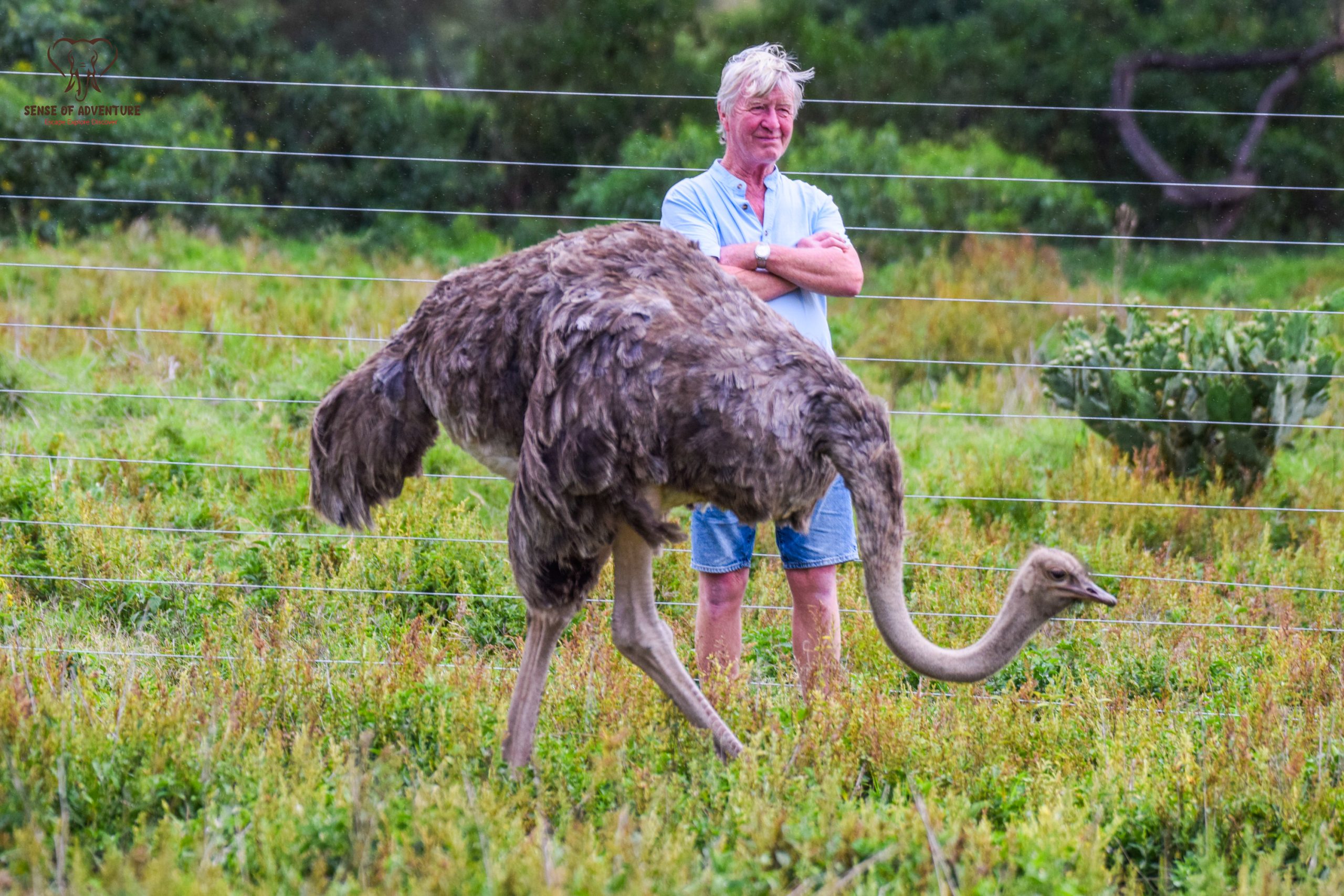
Crescent Island, Lake Naivasha — A Private, Predator-Free Sanctuary — walk among giraffe, zebra and waterbuck
A private sanctuary with no resident large predators, so visitors walk at close range among grazing wildlife, usually with a sanctuary guide and under the sanctuary’s own rules. It is one of the most relaxed walking settings in Kenya. See our Crescent Island walking safari guide.
Ol Pejeta & Laikipia Conservancies — Ranger-Led Walks — armed guides, small groups, predator country
Private conservancies across Laikipia run structured walks led by trained guides and armed rangers, taking small groups on foot into real predator country. This is a very different experience from the freer walking at Hell’s Gate or Crescent Island. See our Laikipia & Masai Mara Walking Safari.
Lewa, Borana & Sera — Tracking Rhinos on Foot — one of Kenya’s most memorable walks
Lewa and Borana share an unfenced rhino landscape below Mount Kenya, and Sera Rhino Sanctuary in Samburu country was the first community-owned rhino sanctuary in East Africa. All three offer rhino tracking on foot with rangers. See our Borana Conservancy guide and Sera Rhino Sanctuary guide.
Masai Mara Conservancies — Guided Walks in Big Cat Country — available in conservancies, not the main reserve
The Masai Mara National Reserve, run by Narok County, does not allow walking safaris, but many of the private conservancies on its borders offer guided walks with Maasai guides and rangers. See our Masai Mara safari packages.
Mount Longonot National Park — A Crater-Rim Hike — Rift Valley views on foot
Not a wildlife walk in the classic sense, but a steep hike up a dormant volcano to a crater rim above the Rift Valley, where you may see plains game on the lower slopes. It rounds out the best parks for walking safaris for keen hikers. See our Mount Longonot National Park guide.
Best Parks for Walking Safaris Compared
This table compares the best parks for walking safaris by walking style, wildlife and who leads the walk.
| Place | Walking style | Who leads | Best for |
|---|---|---|---|
| Hell’s Gate | Walking and cycling on park tracks | Self-guided under KWS rules; guide advised for the gorge | Active day trips |
| Crescent Island | Gentle walk among plains game | Usually a sanctuary guide | Families, first-timers |
| Laikipia conservancies | Bush walks in predator country | Trained guides and armed rangers | A true walking safari |
| Lewa, Borana, Sera | Rhino tracking on foot | Rangers | Rhino lovers |
| Mara conservancies | Short guided walks | Maasai guides and rangers | Adding a walk to a Mara stay |
| Mount Longonot | Steep crater-rim hike | Ranger or guide recommended | Fit hikers |
Rules can change, so we always confirm the current walking arrangements with each park or conservancy when we book.
How to Choose the Best Parks for Walking Safaris
Choosing between the best parks for walking safaris depends on how close you want to get to big game, your fitness and how much time you have.
Best parks for walking safaris on a day trip
Hell’s Gate and Crescent Island sit close together near Lake Naivasha, about two hours from Nairobi, and combine easily into one day. Our Crescent Island & Hell’s Gate Day Trip starts at USD 160 per person, and our Hell’s Gate Day Trip starts at USD 130, including bike hire, a ranger and transfers.
Best parks for walking safaris in predator country
Choose Laikipia. Our Laikipia & Masai Mara Walking Safari (7 days) starts at USD 4,200 per person and combines guided walks in Laikipia and a Mara conservancy with fly-in transfers.
Best parks for walking safaris for families and first-timers
Crescent Island is the gentlest option. Our Lake Naivasha Family Safari (4 days), with Hell’s Gate and Lake Nakuru, starts at USD 780 per person. Many conservancy walks have a minimum age, so check our safari minimum age guide.
For keen hikers
Mount Longonot is a steep half-day climb. Our Mount Longonot Day Hike from Nairobi starts at USD 120 per person.
Gentle Stroll or Ranger-Led Bush Walk?
Tell us your fitness, ages and how close you want to get to big game. We will match you to Hell’s Gate, Crescent Island or a conservancy walk.
Best Time to Visit the Best Parks for Walking Safaris
Walking is possible all year in the best parks for walking safaris, but the weather changes how comfortable and safe it feels.
- June to October: the long dry season, with cooler mornings, shorter grass and good visibility, ideal for walking.
- January to February: dry and warm; start early to avoid the midday heat.
- March to May: the long rains. Tracks get muddy, grass grows tall and Hell’s Gate Gorge may close when flash floods are possible.
- November to mid-December: the short rains, usually brief showers, with green scenery and fewer visitors.
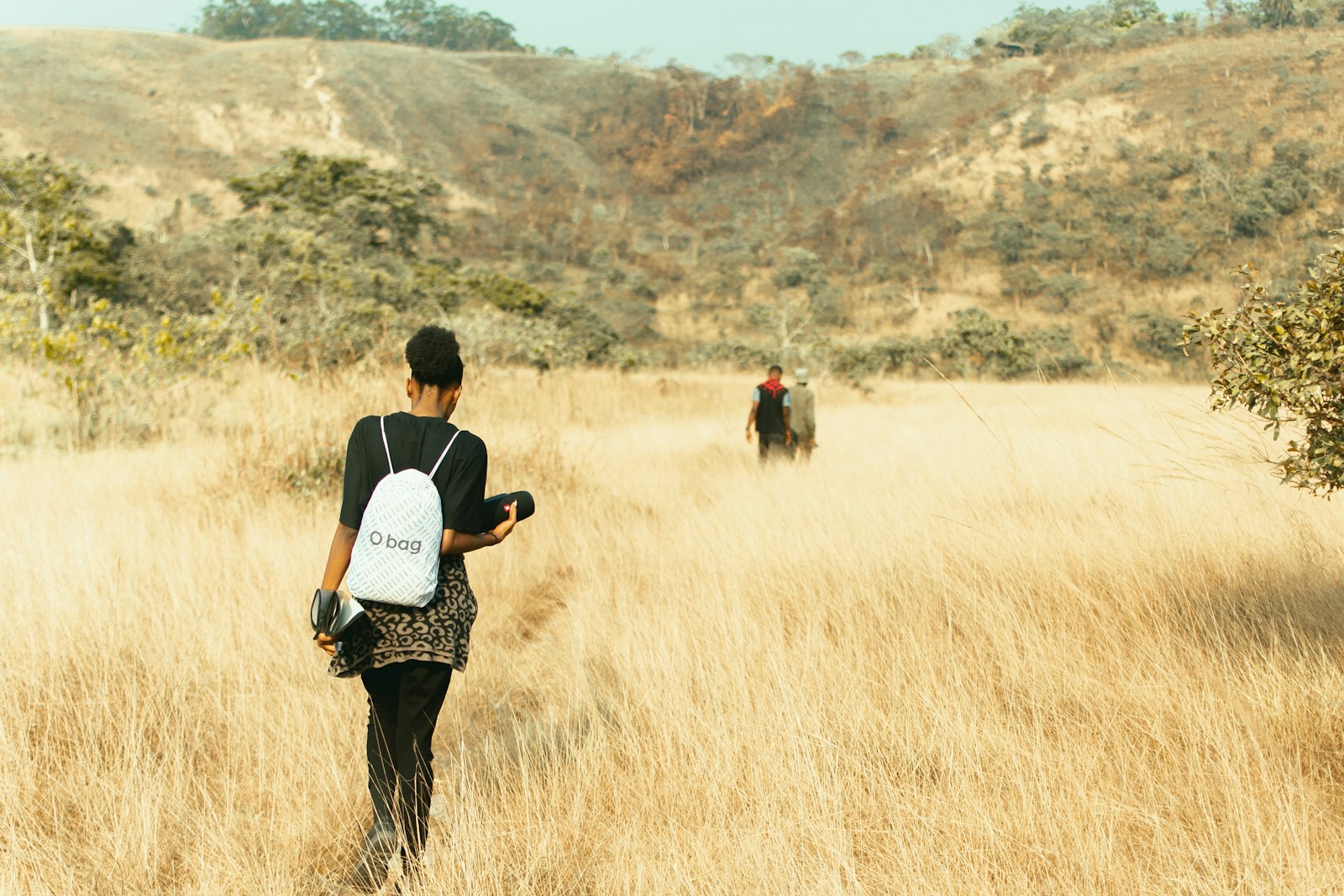
Most walks start soon after sunrise, when animals are active and the air is cool, and last two to four hours. For month-by-month detail, see our Kenya weather by month guide.
What Walking Safaris in Kenya Cost
These are starting prices per person for trips to the best parks for walking safaris on our website:
- Mount Longonot Day Hike: from USD 120.
- Hell’s Gate Day Trip: from USD 130, including bike hire, a ranger and transfers.
- Crescent Island & Hell’s Gate Day Trip: from USD 160.
- Lake Naivasha Family Safari (4 days): from USD 780. See the Lake Naivasha Family Safari.
- Laikipia & Masai Mara Walking Safari (7 days): from USD 4,200.
KWS sets entry fees for Hell’s Gate and Mount Longonot; see our Kenya national parks entrance fees guide. Crescent Island charges its own sanctuary fee, and conservancies charge nightly conservancy fees that help pay for rangers; see our conservancy fees guide. The Masai Mara reserve itself is run by Narok County, at USD 100 per adult per day in low season and USD 200 in peak season.
Ready to Price a Safari on Foot?
Conservancy camps that run walks have limited rooms, so it helps to ask early for peak months. Send your dates and group size, and we will reply with a written quote including fees.
Quote My Walking SafariSafety Rules in the Best Parks for Walking Safaris
Walks in the best parks for walking safaris are carefully run, and they stay safe when guests follow a few simple rules.
- Listen to your guide or ranger. Their briefing comes first, and their instructions are final.
- Walk in single file and stay quiet. A compact, quiet group is easier to manage and disturbs wildlife less.
- Never run. If an animal approaches, stand still and follow the guide.
- Keep your distance. Even on Crescent Island, give animals space and never try to touch or feed them.
- Check the gorge. In Hell’s Gate, do not enter the gorge if rain is likely, and follow ranger advice.
- Respect the rules of each park. KWS rules apply in national parks; conservancies and sanctuaries set their own.
Read our walking bush safari safety rules and our honest answers to is a walking safari safe before you go.
What to Wear in the Best Parks for Walking Safaris
Packing is simple, but the details matter more on foot than in a vehicle.
- Footwear: sturdy, closed walking shoes or light boots that are already worn in.
- Clothing: neutral colours such as khaki, olive or brown; avoid bright colours and white.
- Sun protection: a wide-brimmed hat, sunglasses and sunscreen.
- Water: at least a litre per person, more at Hell’s Gate and Longonot.
- Small daypack: for water, a light jacket, binoculars and a camera.
You do not need to be an athlete, but you should be comfortable walking for two to four hours on uneven ground. See our guide to safari fitness.
Best Parks for Walking Safaris: Key Facts
- Hell’s Gate access: one of the few Kenyan national parks where walking and cycling are permitted, following KWS rules, with KWS campsites.
- Crescent Island: a private sanctuary on Lake Naivasha with no large predators; walks follow the sanctuary’s rules.
- Conservancy walks: led by trained guides and armed rangers in real predator country, usually in small groups.
- General rule: most Kenyan national parks and reserves keep visitors in vehicles, except at marked points.
- What to bring: sturdy closed shoes, a hat, sunscreen and water; walking is slower and more exposed than a game drive.
- Best combination: pair Hell’s Gate or Crescent Island with a Lake Naivasha boat safari for a full day out of the vehicle.
Building a Walking-Focused Kenya Trip
Read our general walking safari Kenya guide for what to expect and how to prepare. Hell’s Gate and Crescent Island both sit near Lake Naivasha and combine naturally into a single day trip from Nairobi. For a longer trip that links several of the best parks for walking safaris, combine Naivasha with a Laikipia conservancy and a Mara conservancy, so every stop includes time on foot.
For a tailored route through the best parks for walking safaris, see our private Kenya safari options, our luxury Kenya safari packages or a Kenya safari from Nairobi.
For official park rules and information, visit the Kenya Wildlife Service and Magical Kenya. Before you travel, apply for your eTA on the official Kenya eTA portal and check the UK travel advice for Kenya or your own government’s advice.
A Safari You Feel Under Your Own Feet
From giraffes on Crescent Island to rhino tracking in Laikipia, we will plan a walking day or a full itinerary through the best parks for walking safaris.
Frequently Asked Questions
Which Kenyan national parks allow walking safaris?
Hell’s Gate National Park is one of the few Kenyan national parks where you may walk and cycle along its tracks, following Kenya Wildlife Service rules. Mount Longonot also allows hiking to its crater rim. In most other national parks and reserves you stay in a vehicle, and guided walks happen in private and community conservancies instead.
Is Crescent Island safe for walking?
Yes, for most visitors. Crescent Island on Lake Naivasha is a private sanctuary with no resident large predators, so you can walk at close range among giraffe, zebra, waterbuck and wildebeest. Walks follow the sanctuary’s rules and are usually guided. Keep a respectful distance, never touch the animals, and watch for hippos near the shore.
Can you do a walking safari in predator country in Kenya?
Yes, in private and community conservancies such as Ol Pejeta, Lewa, Borana and those around the Masai Mara. Trained guides and armed rangers lead small groups on foot and manage the risk from predators and other large animals. These are among the most rewarding walking safaris in Kenya, and they usually start at dawn.
Why don’t most Kenyan national parks allow walking safaris?
Most Kenyan national parks and reserves keep visitors in vehicles because lions, leopards, buffalo, elephants and hippos can be dangerous to people on foot. Vehicles keep visitors safe and limit disturbance to wildlife. Walking is allowed only where rules and conditions make it safe, such as Hell’s Gate, Crescent Island and guided conservancy walks.
What should I wear for a walking safari in Kenya?
Wear sturdy, closed walking shoes that are already worn in, and neutral clothing in khaki, olive or brown. Bring a wide-brimmed hat, sunglasses, sunscreen and at least a litre of water. A light jacket helps on cool mornings. Avoid bright colours and white, which stand out to wildlife and show dust quickly.
How fit do you need to be for a walking safari?
You do not need to be very fit. Most walks last two to four hours at a gentle pace with frequent stops to look at tracks, birds and plants. Hell’s Gate is flat apart from the gorge, while Mount Longonot is a steep climb. If you can walk comfortably for a few hours, you will manage.
Can children join a walking safari?
Children can walk on Crescent Island and at Hell’s Gate with their parents, making them good family options. Conservancy walks in predator country usually set a minimum age, which varies by camp, so check before booking. Our safari minimum age guide explains the usual rules, and we will confirm the policy for each camp.