You freewheel down a dusty track in the cool of the morning, and the only sound is gravel under your tyres. Red cliffs rise on both sides. A family of zebras lifts their heads, decides you are harmless and goes back to grazing twenty metres away. Ahead, a dark tower of volcanic rock stands alone on the valley floor, and far above it a vulture rides the first warm air of the day. There is no vehicle, no window and no engine. Just you, the wind and the Rift Valley.
Hell’s Gate National Park is a 68 km² park in Kenya’s Rift Valley, about 90 km from Nairobi near Lake Naivasha. It is one of the few Kenyan parks where you can cycle and walk among zebras, giraffes and buffalo, climb Fischer’s Tower and hike a steep gorge. Non-resident adults pay USD 50 per day in 2026.
Sense of Adventure is a Nairobi-based safari company on Thika Road, licensed by Kenya’s Tourism Regulatory Authority (TRA1/47/C01/77087). We run Hell’s Gate National Park as an active day trip from Nairobi and as part of longer Rift Valley safaris every month of the year. This guide covers the landscape and its history, the people who live and work here, 2026 fees, cycling, climbing and the gorge, safety rules, the best months, where to stay and a sample itinerary.

✅ Hell’s Gate National Park: The Quick Answer
- Where: Nakuru County, on the floor of the Rift Valley just south of Lake Naivasha, about 90 km north-west of Nairobi.
- Best for: Cycling and walking among wildlife, rock climbing, gorge hiking, birds of prey and a geothermal spa.
- Best time: The dry months, January to February and June to October. The gorge can close in heavy rain.
- Entry fee: Non-resident adults USD 50, children USD 25; East African citizens KES 500 per day (KWS, since October 2025).
- How long to stay: One full day, or two nights at Lake Naivasha to add Crescent Island and a boat trip.
- Getting there: About 2 hours by road from Nairobi via Naivasha town and Moi South Lake Road to Elsa Gate.
🌍 Planning a Safari to Hell’s Gate National Park?
Tell us your fitness level and how many days you have, and we will plan bikes, guides and timings around you. 💬 WhatsApp Us Now or call +254 799 160 081
What Is Hell’s Gate National Park?
Hell’s Gate National Park is a small, dramatic volcanic park between Lake Naivasha and the Longonot and Suswa volcanoes, gazetted in 1984 and managed by Kenya Wildlife Service.
KWS gives the area as about 68 km², which makes Hell’s Gate National Park compact enough to explore in a single day. The park sits at roughly 1,500 to 2,100 metres above sea level. Its main valley is lined with sheer red and brown cliffs, broken by volcanic plugs, obsidian caves and steam vents. In 2023 the National Museums of Kenya added the park to Kenya’s UNESCO World Heritage Tentative List for its geology, geothermal features, cliffs and gorge.
Where the name comes from
The name refers to a narrow break in the cliffs. It was given in 1883 by two explorers on rival expeditions, the German Gustav Fischer and the Scot Joseph Thomson. Fischer’s Tower, the volcanic plug near the main gate, carries the German explorer’s name. Further down the valley stands Central Tower, a second plug, beside the head of the gorge.
Hell’s Gate on screen
The park’s cliffs and valley are widely reported to have been studied by the crew of Disney’s The Lion King (1994) before the film was drawn, and parts of Lara Croft: Tomb Raider, The Cradle of Life (2003) were filmed here. If the film link is the reason you want to come, read our story on the real Lion King landscape at Hell’s Gate.
The People of Hell’s Gate: Maasai, Rangers and Geothermal Neighbours
Hell’s Gate National Park is Maasai country, protected by KWS rangers and shared with one of Africa’s largest geothermal energy fields.
Many place names here are Maa, the language of the Maasai, who have grazed cattle across the southern Naivasha basin for generations. The gorge is known as Ol Njorowa (spelt Ol Jorowa in the UNESCO listing). A Maasai cultural centre in the park area introduces visitors to Maasai homes, beadwork and traditions. Local guides, many from nearby communities, lead walks into the gorge and earn their living from your visit.
KWS rangers staff Elsa Gate, patrol the park and manage its rules, campsites and safety. Your conservation fee is paid straight to KWS and funds that work across Kenya’s parks.
Olkaria: the earth’s engine room
Hell’s Gate National Park sits on the Olkaria geothermal field. Olkaria I, commissioned in 1981, was the first geothermal power station in Africa, and several more stations have followed, the most recent of them Olkaria V in 2019. You will see pipelines and plumes of steam in parts of the park. Some visitors find this industrial edge jarring. Others love the chance to see the Rift Valley’s heat being turned into power, then soak in the warm water of the Olkaria Geothermal Spa listed by KWS.
Hell’s Gate National Park Entry Fees for 2026
In 2026, a non-resident adult pays USD 50 per day to enter Hell’s Gate National Park, which KWS places in its Scenic Parks category.
These rates have applied since 1 October 2025 under the KWS conservation fee schedule. They cover 24 hours. Payment is cashless, through eCitizen by card or M-Pesa. Children aged 5 and under enter free, and the child rate covers ages 5 to under 18.
| Charge (per day) | Adult | Child or student |
|---|---|---|
| Non-resident | USD 50 | USD 25 |
| African citizen (non-EAC) | USD 20 | USD 10 |
| Kenya resident | KES 675 | KES 350 |
| East African citizen | KES 500 | KES 250 |
| Bicycle you bring in (excluding entry fee) | USD 10 non-resident / KES 300 citizen and resident | per bicycle |
| Public campsite | USD 20 non-resident / KES 200 citizen | USD 15 / KES 150 |
Bike hire at the gate is run by private operators, and their prices are not set by KWS, so agree the rate before you ride. Gorge guides also charge their own fee. KWS fees change from time to time, so check the official schedule before you travel. Our Kenya national park entrance fees for 2026 guide compares every park, and every quote we send already includes all fees.
How to Get to Hell’s Gate National Park
Most visitors reach Hell’s Gate National Park by road from Nairobi in about two hours, entering at Elsa Gate on the south side of Lake Naivasha.
From Nairobi, take the A104 Uplands road over the Rift Valley escarpment to Naivasha, then turn onto Moi South Lake Road. KWS notes that Elsa Gate lies about 25 km along from that junction. The views from the escarpment viewpoints on the way down are a highlight in their own right. Hell’s Gate National Park gates open at 6 am and close at 6 pm, except for visitors staying overnight.
Public transport and matatus run to Naivasha and along the lake road, but a private vehicle gives you far more freedom, especially for a shuttle back up the valley after the gorge. There is no scheduled flight. Our guide to a Kenya safari from Nairobi explains the easy road trips from the capital.
Hell’s Gate Cycling: Riding With Zebras
Hell’s Gate cycling is the signature experience of Hell’s Gate National Park: you ride a graded track down the main valley among grazing wildlife, without a vehicle around you.
Bikes are hired near Elsa Gate, the main entrance to Hell’s Gate National Park, or you bring your own and pay the KWS cycling charge. The main track runs gently downhill from the gate past Fischer’s Tower towards Central Tower and the gorge, on a dirt and gravel surface. Most casual riders manage it comfortably. The return is uphill and often into the heat, so many of our guests ride one way and let the vehicle collect them.
Tips for a good ride
- Start early: the air is cooler, the light is softer and animals are more active before 10 am.
- Check the bike: test brakes, gears and tyres before you leave the gate, and ask for a helmet.
- Carry water: at least 1.5 litres each, plus sun cream and a hat under the helmet.
- Give wildlife space: KWS asks visitors to keep at least 20 metres from animals. Buffalo need much more.
Expert tip from our Nairobi team: Ride with the sun behind you in the morning and stop often. The magic of Hell’s Gate cycling is silence, and the zebras and giraffes you would race past on a bike are the ones you will remember if you stop and watch.
Climbing Fischer’s Tower and Exploring the Gorge
Fischer’s Tower offers short guided climbs for beginners, and the Hell’s Gate gorge offers a guided scramble between towering, water-carved walls.
Rock climbing at Fischer’s Tower
Fischer’s Tower is a volcanic plug of about 25 metres, standing on its own near the main gate of Hell’s Gate National Park. KWS lists it as the park’s popular rock climbing spot. Local climbing guides set up top ropes and provide harnesses, so you need no experience or gear of your own. Many first-timers reach the top in well under an hour. Watch for rock hyraxes on the ledges, and enjoy the view along the valley from the summit.
The Hell’s Gate gorge walk
Near Central Tower, the valley drops into the Ol Njorowa gorge. Paths and steps lead down between narrow walls of soft volcanic rock, streaked cream, ochre and pink, with warm springs seeping from the sides in places. The walk takes one to three hours depending on the route and involves scrambling, wet rock and some steep steps. A local guide is strongly advised, and the gorge is the part of Hell’s Gate National Park where safety matters most.
Other walks, caves and viewpoints
KWS and Kenyan media also list the Obsidian Caves, Hell’s Kitchen, Kapartania View Point, Lake View Point and walking trails such as the route to Ol Basta Rock Tower. Hikers with time can explore beyond the main valley, but always tell your guide or the gate where you are going.
Wildlife and Birds in Hell’s Gate National Park: Honest Odds
Hell’s Gate National Park is about plains game, cliffs and raptors, not big cats, which is exactly why you can explore it on foot and by bike.
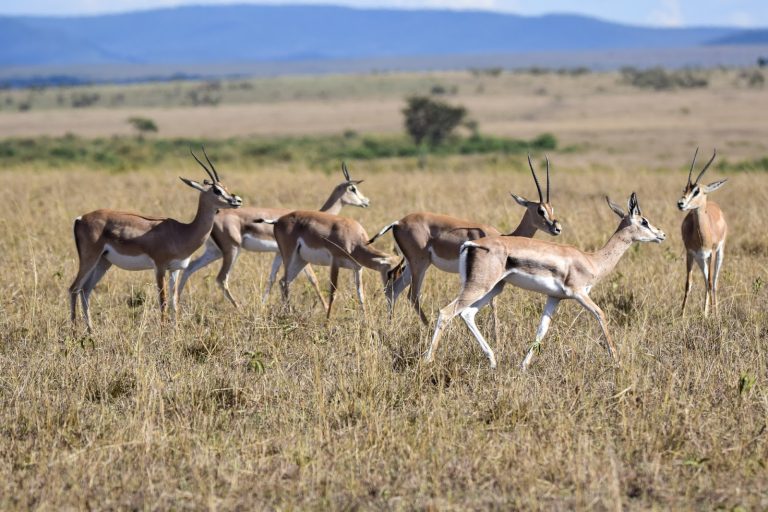
- Zebra, warthog and gazelles: very likely on almost every visit.
- Maasai giraffe: likely; the UNESCO listing names it among the park’s endangered species.
- Buffalo: likely; treat them with real respect and keep well away.
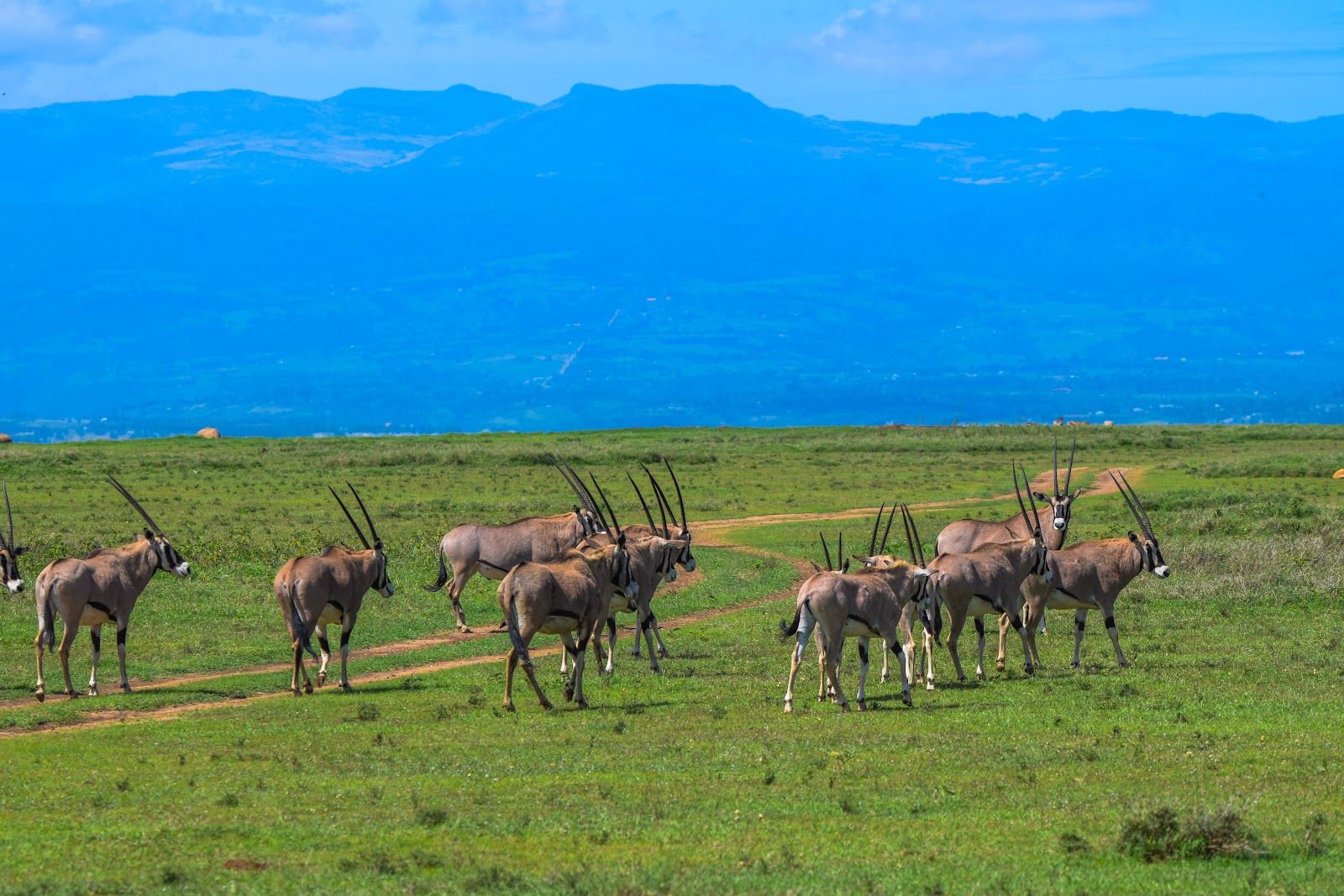
- Eland, hartebeest and impala: fairly likely in the open grassland.
- Rock hyrax, baboons and klipspringer: often seen around the cliffs and towers.
- Lion, leopard, cheetah and hyena: recorded in the park but rarely seen. Do not come here for cats.
Over 100 bird species have been recorded in Hell’s Gate National Park. The cliffs are the stars: watch for vultures, Verreaux’s eagles and augur buzzards on the thermals, and swifts racing along the rock faces. Hell’s Gate was historically an important home for the bearded vulture, or lammergeier, though it is now very rarely seen. For more reliable big game, pair the park with Lake Nakuru National Park.
📅 Get a Free, No-Obligation Safari Quote
Send us your dates and group size, and we will price a Hell’s Gate day or a Naivasha weekend with fees, bikes and guides included. ✉ Send Us Your Dates on WhatsApp
Best Time to Visit Hell’s Gate National Park
The best time to visit Hell’s Gate National Park is in the dry months, January to February and June to October, when tracks are firm and the gorge is safest.
The Naivasha area follows Kenya’s two rainy seasons, with the long rains usually from about March to May and the short rains around November. Rain upstream can fill the gorge with fast water in minutes, so wet-season visits need flexible plans. Days are generally warm and evenings cool at this altitude. Our Kenya weather by month guide has the wider picture.
| Month | Weather | Cycling and walking | Gorge |
|---|---|---|---|
| January–February | Warm and mostly dry | Excellent; clear mornings | Usually open |
| March | Warm; rains may begin | Good early in the day | Check conditions |
| April–May | Long rains | Muddy in places; quietest months | Closures more likely |
| June–August | Cooler and dry | Excellent; popular holiday period | Usually open |
| September–October | Warm and dry | Excellent; dusty | Usually open |
| November | Short rains | Good between showers; green | Check conditions |
| December | Mostly dry, warm | Very good; busy over the holidays | Usually open |
Hell’s Gate National Park Rules and Safety
Hell’s Gate National Park is safe when you follow KWS rules, keep away from buffalo and never enter the gorge when rain threatens.
Flash floods in the gorge
The gorge is a drainage channel. In September 2019, a flash flood swept through it and killed seven people, six visitors and their guide. Since then, the gorge may be closed when rain is forecast or falling. Follow every closure, go with a guide who watches the sky upstream, and turn back early if clouds build. No view is worth the risk.
KWS park rules
- Keep to established roads and trails; off-road driving is prohibited.
- Keep at least 20 metres from wildlife and never feed animals.
- The speed limit for vehicles is 40 km/h; hooting is not allowed.
- Single-use plastics are banned; carry all your rubbish out.
- Drones need a KCAA licence and a KWS permit; see our guide to drone rules in Kenya’s national parks.
- Never leave a campfire unattended, and be out of the park by 6 pm unless you are camping.
Check current advice on the UK government’s Kenya travel advice page before you go, and make sure your insurance covers cycling, climbing and hiking.
Expert tip from our Nairobi team: Plan the gorge for the morning and cycling around it, not the other way round. Afternoon storms are more common in the rainy months, and an early start gives you the best chance of finding the gorge open and dry.
How Many Days Do You Need at Hell’s Gate?
One full day is enough for Hell’s Gate National Park itself, and two nights at Lake Naivasha lets you add the lake’s best experiences without rushing.
Allow about two hours for cycling, one for Fischer’s Tower and one to three for the gorge, plus time for the spa or a picnic. A day trip from Nairobi works well if you leave early. With a night or two at Naivasha you can ride in the cool morning, then spend the next day on the water. Our guide to how many days you need for a Kenya safari helps you fit it into a longer trip.
Where to Stay Near Hell’s Gate and What to Pack
You can camp inside Hell’s Gate National Park or, as most visitors do, stay in a lodge or hotel on the shores of Lake Naivasha a short drive away.
KWS runs two public campsites, Naiburta and Oldubai, and the Endachata special campsite. They are simple, so bring everything you need. Lake Naivasha’s south shore has a wide range of private hotels, lodges and tented camps, from family-friendly resorts to quiet country houses. Our Lake Naivasha safari guide explains the areas, and a dedicated Naivasha luxury hotels guide is coming soon in our lodges series.
What to pack for Hell’s Gate National Park
- Closed shoes with good grip for the bike pedals and the wet rock in the gorge
- Comfortable clothes you do not mind getting dusty, plus a light fleece for the morning
- Sun hat, sunglasses and strong sunscreen
- A small backpack with water, snacks and a rain jacket
- Swimwear and a towel if you plan to visit the geothermal spa
- Binoculars for the raptors on the cliffs
For a full list, see what to pack for an African safari.
Combining Hell’s Gate With Lake Naivasha and Nearby Parks
Hell’s Gate National Park is the active centrepiece of the Naivasha area, and it pairs naturally with the lake, Crescent Island, Mount Longonot and Lake Nakuru.
- Lake Naivasha: a Lake Naivasha boat safari brings you close to hippos and fish eagles.
- Crescent Island: a Crescent Island walking safari among giraffes and wildebeest.
- Mount Longonot: fit hikers can walk the crater rim; read our Mount Longonot National Park guide.
- Lake Nakuru: about 90 minutes north, for rhinos, lions and flamingos.
For a weekend plan, see our Naivasha weekend getaway. For the other parks where you can explore on foot, read the best parks for walking safaris in Kenya, and browse the complete list of Kenya’s national parks and reserves.
Sample 2-Day Hell’s Gate and Naivasha Itinerary
This relaxed two-day plan from Nairobi gives you Hell’s Gate National Park at its best, plus the lake.
- Day 1, Nairobi to Hell’s Gate: leave at 6.30 am, stop at the escarpment viewpoint, enter at Elsa Gate by 9 am. Climb Fischer’s Tower, cycle down the valley and walk the gorge with a local guide. Picnic lunch, then an optional soak at the geothermal spa. Overnight at Lake Naivasha.
- Day 2, lake and island: an early boat ride among hippos and fish eagles, then a guided walk on Crescent Island. Return to Nairobi in the afternoon, or continue to Lake Nakuru or the Masai Mara.
Book it as our Hell’s Gate Day Trip (from USD 130 per adult), our Crescent Island and Hell’s Gate Day Trip (from USD 160 per adult) or the Lake Naivasha Family Safari (4 days, from USD 780 per adult). Prices vary by season and group size. Prefer your own vehicle and pace? See our private Kenya safari options.
Hell’s Gate National Park FAQs
How much is the Hell’s Gate National Park entry fee in 2026?
Since October 2025, KWS charges non-resident adults USD 50 and children USD 25 per day for Hell’s Gate National Park. East African citizens pay KES 500 and Kenya residents KES 675. Children aged 5 and under enter free, and payment is cashless through eCitizen. Bike hire and gorge guides cost extra.
Can you cycle in Hell’s Gate National Park?
Yes. Hell’s Gate is one of the few Kenyan parks where you may cycle among wildlife. You hire a bike near Elsa Gate or bring your own and pay the KWS cycling charge, then ride the valley track past zebras, giraffes and buffalo. Start early, carry water and keep your distance from buffalo.
Are there lions in Hell’s Gate National Park?
Lions, leopards and cheetahs have been recorded in Hell’s Gate, but they are rarely seen, which is why walking and cycling are allowed. The animals you are likely to meet are zebras, gazelles, warthogs, Maasai giraffes, buffalo and eland. Treat buffalo with caution and follow your guide.
Is the Hell’s Gate gorge safe to visit?
The gorge is safe in dry weather with a local guide, but it is prone to flash floods. In September 2019 a flood in the gorge killed seven people. Go in the morning, follow every KWS closure, and turn back if rain clouds build upstream, even if the sky above you looks clear.
How far is Hell’s Gate from Nairobi?
Hell’s Gate is about 90 km from Nairobi, roughly two hours by road via the A104 to Naivasha and then Moi South Lake Road to Elsa Gate. That makes it an easy day trip, though an overnight at Lake Naivasha lets you ride in the cool morning and add a boat trip.
Can beginners climb Fischer’s Tower?
Yes. Fischer’s Tower is a volcanic plug of about 25 metres near the main gate, and local climbing guides provide harnesses, top ropes and coaching. No experience is needed, and many first-time climbers reach the top in under an hour. Wear closed shoes and agree the guide fee before you start.
Is Hell’s Gate National Park worth visiting?
Yes, if you want an active day outdoors. Hell’s Gate offers cycling and walking among wildlife, a dramatic gorge, rock climbing, raptors on the cliffs and a geothermal spa, all two hours from Nairobi. It is not a big cat park, so combine it with Lake Nakuru or the Masai Mara.
How long do you need at Hell’s Gate?
Plan a full day. Allow about two hours for cycling, an hour for Fischer’s Tower and one to three hours for the gorge, plus time for lunch or the spa. Leaving Nairobi early makes a day trip comfortable, while one or two nights at Lake Naivasha make it relaxed.
🏕 Plan Your Hell’s Gate Safari With Sense of Adventure
Kenya-based experts. Real local knowledge. Transparent pricing. Tell us your dates and we will plan your Hell’s Gate National Park day around the coolest hours, the safest gorge timing and the right bikes for your group. 💬 WhatsApp Us — Start Planning Today
Call or WhatsApp: +254 799 160 081 · Email: reservations@senseofadventure.co.ke
Related Safari Guides
- › Lake Naivasha Safari Guide
- › Mount Longonot National Park Guide
- › Lake Elementaita Guide
- › Is a Walking Safari Safe?
- › Nairobi National Park Guide
Official travel & park resource: Kenya Wildlife Service ↗ · Hell’s Gate park page: KWS Hell’s Gate ↗ · Tourism board: Magical Kenya ↗