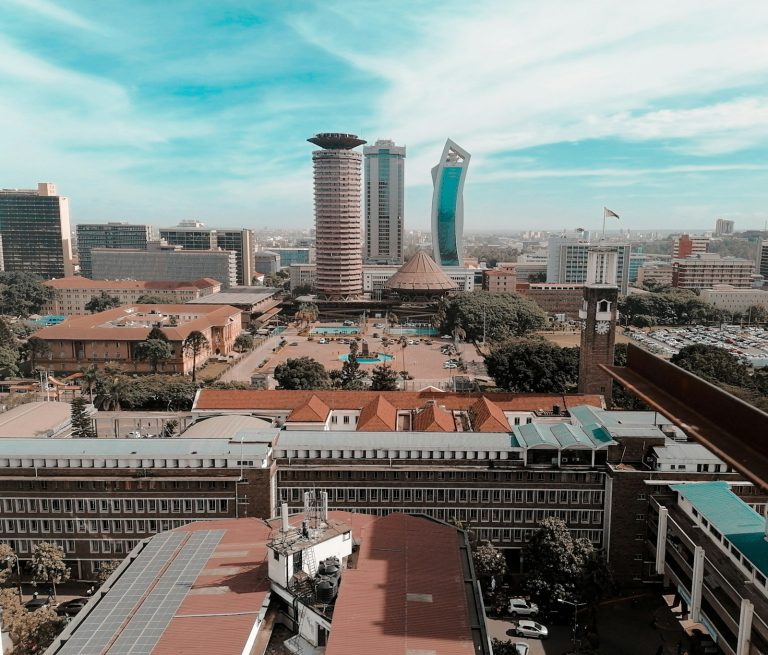

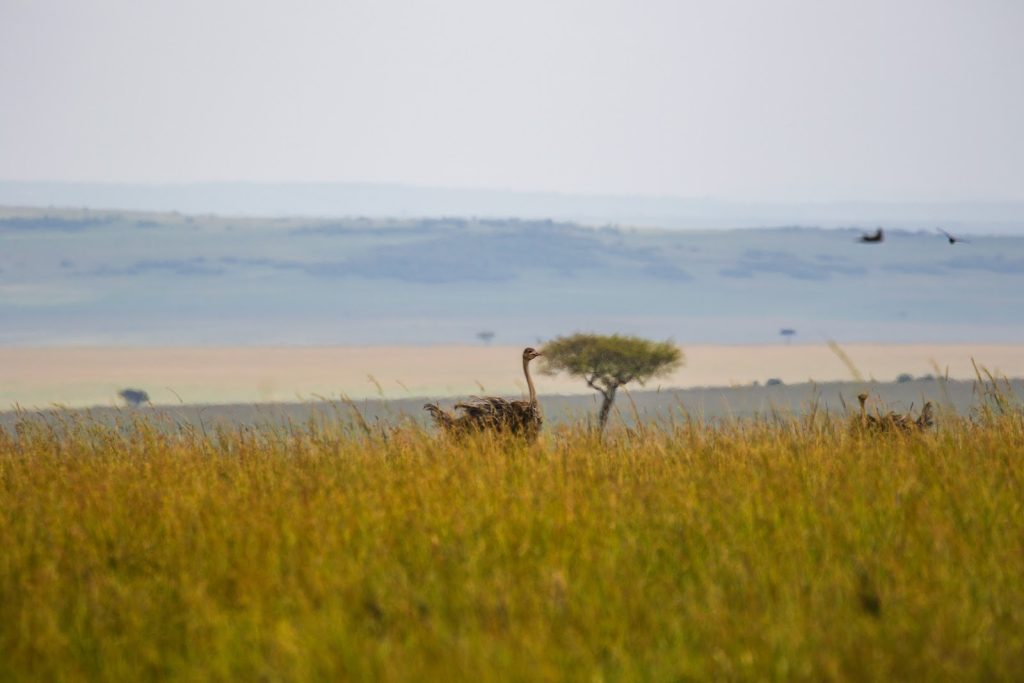
Chyulu Hills National Park protects one of the youngest volcanic ranges on the planet — some lava flows here are estimated at just 500 years old, with the most recent eruptions occurring in 1856. Nestled between Tsavo and Amboseli in southeastern Kenya, these rolling green hills hold the Leviathan Cave, an 11 km lava tube and one of the longest caves in Africa, hollowed out by molten rock rather than water. Picture standing on a 2,188-metre summit with unbroken views rolling toward both neighbouring parks, then descending underground into a passage carved by lava that flowed through this exact spot centuries ago. Sense of Adventure treats Chyulu Hills as a genuine scenic and geological bridge between two of Kenya’s best-known safari destinations.
The Missing Link Between Tsavo and Amboseli
Rolling volcanic hills and an 11 km cave — message us to build Chyulu Hills into your Tsavo/Amboseli route.
One of the World’s Youngest Volcanic Ranges
The Chyulu Hills form a roughly 100 km-long volcanic field about 150 km east of the Kenya Rift, nestled directly between Tsavo and Amboseli national parks. Volcanism here began around 1.4 million years ago and has propagated steadily southeast, producing some of the youngest lava flows in the world — several estimated at just 500 years old, with the most recent eruptions (Shaitani and Chainu) occurring in 1856. The park, covering the eastern flank of the hills since its formation in 1983, protects roughly 741 km² of rolling green volcanic cones and ancient lava flows rising to a highest peak of 2,188 metres. Rainfall soaking into the hills’ porous volcanic rock travels underground for years before resurfacing dozens of kilometres away — most famously at Mzima Springs in Tsavo West — making the Chyulu Hills a genuine water catchment for the wider ecosystem, not just a scenic backdrop.
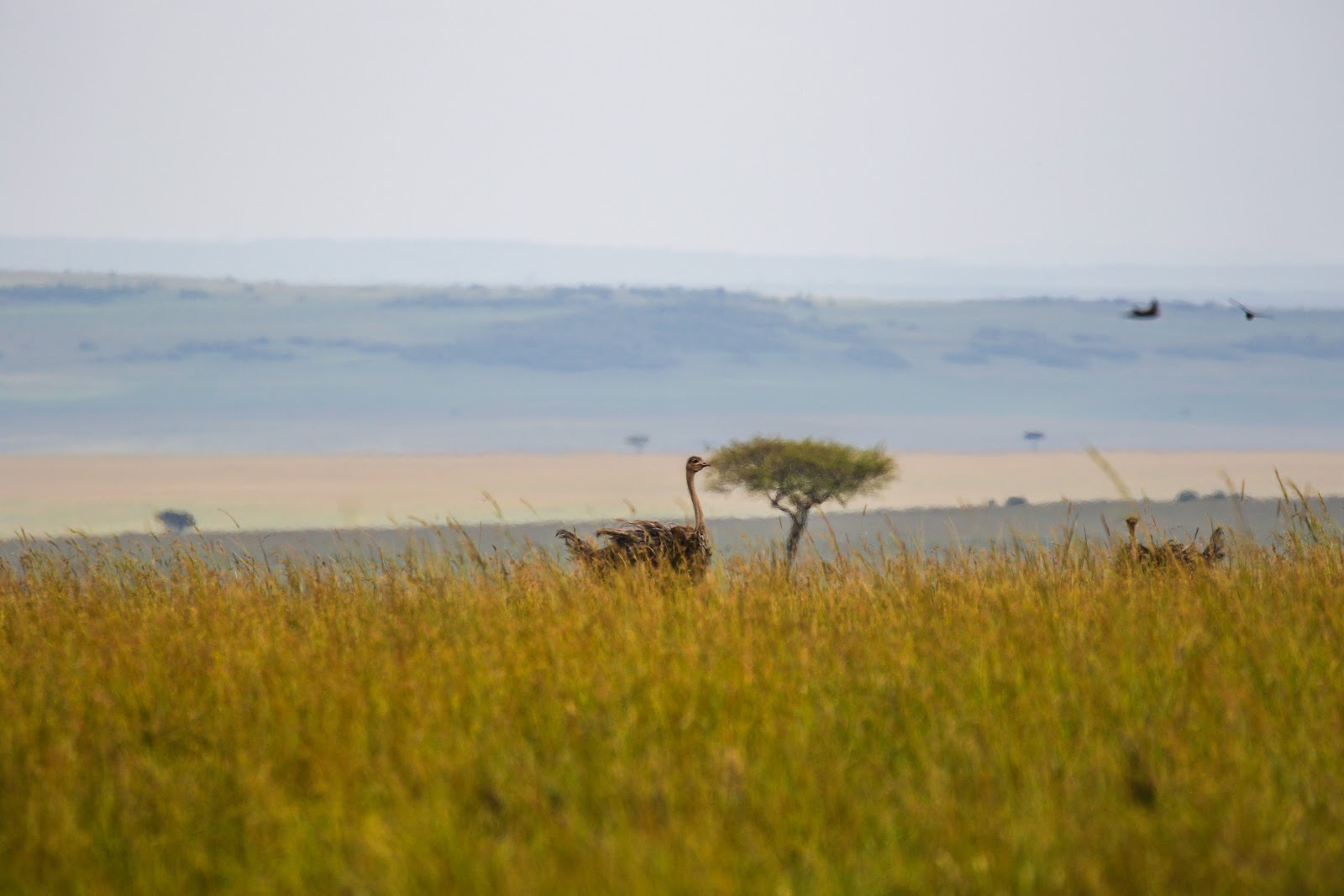
We’d driven past the Chyulu Hills on the way to Amboseli for years without stopping, assuming it was just scenery. Then we actually walked into the Leviathan Cave and realised we were inside an 11-kilometre lava tube, one of the longest caves in Africa — a completely different kind of experience from anything else on our Kenya trip.
— Sense of Adventure guest, Tsavo-Amboseli circuit
The 6 Things That Make Chyulu Hills Worth Stopping For
The Leviathan Cave — an 11 km lava tube, one of Africa’s longest
The Leviathan Cave (also called Kisula Caves) runs roughly 11 km through the hills, formed by molten lava hollowing out cylindrical passages rather than by water erosion — one of the longest caves on the continent.
One of the Youngest Volcanic Ranges Alive — lava flows as young as 500 years old
Some Chyulu Hills lava flows are estimated at just 500 years old, with volcanism still considered active — the most recent eruptions, named Shaitani and Chainu, occurred as recently as 1856.
A Genuine Bridge Between Tsavo and Amboseli — nestled directly between two major parks
The hills sit geographically between Tsavo and Amboseli, making them a natural scenic stop for travellers already routing between the two rather than a separate detour.
Rolling Green Hills, Unusual for the Region — a striking contrast with surrounding dry plains
The park’s volcanic cones and lava flows are covered in unusually green rolling grassland for this part of Kenya, creating a striking visual contrast with the dry plains of neighbouring Tsavo.
Sweeping Summit Views — up to 2,188 metres elevation
The highest points in the park reach 2,188 metres, offering sweeping views across the surrounding volcanic field and toward both Tsavo and Amboseli on clear days.
Easy to Combine, Not a Standalone Trip — best booked as an add-on to Tsavo or Amboseli
Chyulu Hills works best as an add-on to an existing Tsavo East & West safari or an Amboseli itinerary rather than a standalone destination — ask us about adding a stop here to either package.
A Conservation Area, Not Just a Park — community and private land border the park
The Chyulu Hills sit alongside significant community and private conservancy land, part of a broader conservation area that also protects the water catchment feeding springs as far away as Mzima Springs in Tsavo West — the hills’ porous volcanic rock filters rainwater that resurfaces there.
Add a Volcanic Detour to Your Tsavo/Amboseli Route
Message us to fit Chyulu Hills into an existing Tsavo or Amboseli itinerary.
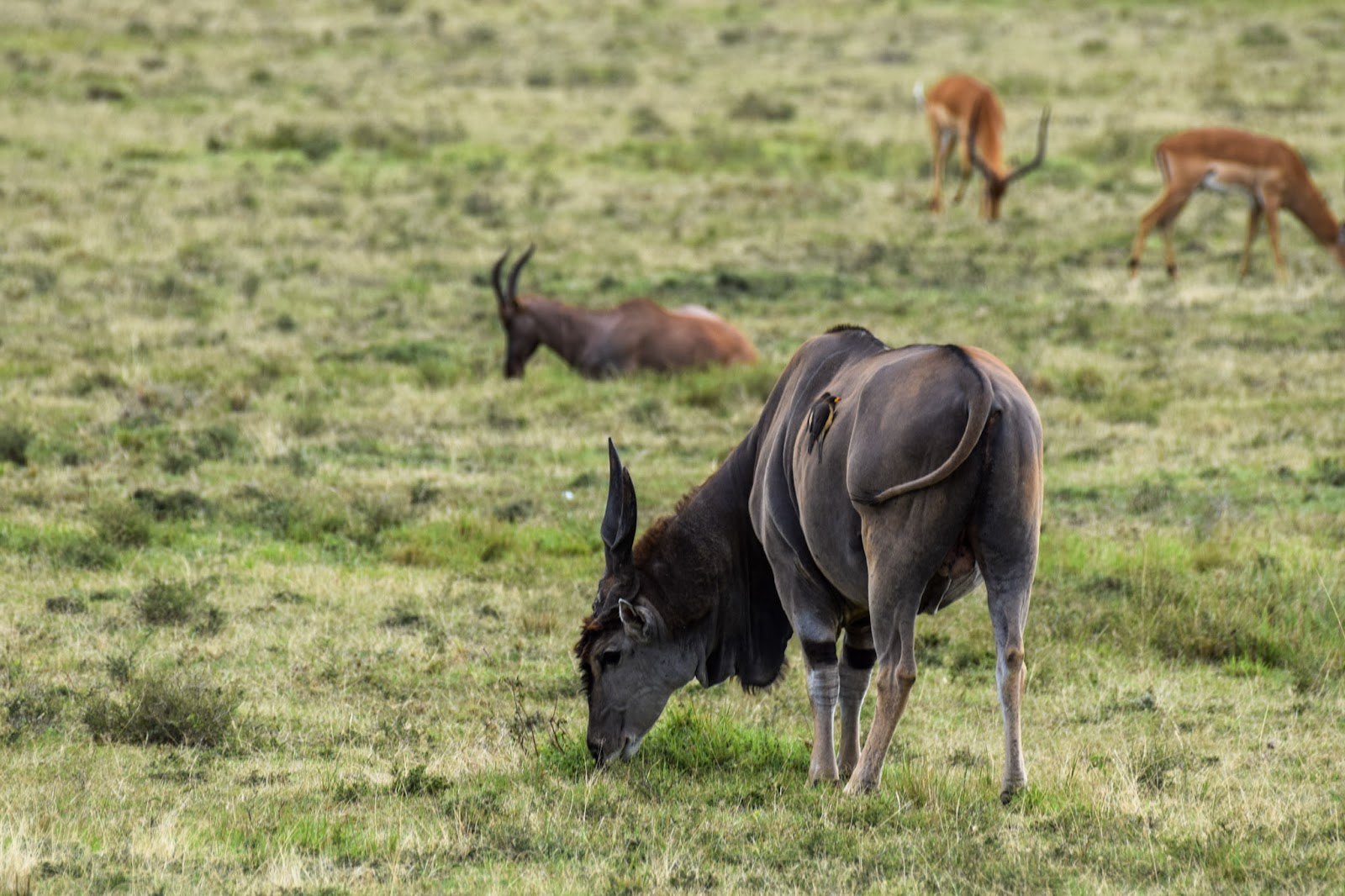
Chyulu Hills National Park Facts
- Location: Makueni County, southeastern Kenya, between Tsavo and Amboseli national parks.
- Size: approximately 741 km², formed as a park in 1983.
- Leviathan Cave: roughly 11 km long, one of the longest lava-tube caves in Africa.
- Volcanic age: some lava flows estimated at just 500 years old; most recent eruptions in 1856.
- Elevation: highest peak reaches 2,188 m, with sweeping views toward both neighbouring parks.
- Best use: an add-on stop to a Tsavo or Amboseli itinerary rather than a standalone destination.
Adding Chyulu Hills to a Tsavo or Amboseli Trip
Chyulu Hills fits naturally alongside a Tsavo East & West Safari or an Amboseli day safari — message us and we’ll add a Chyulu Hills stop to either package rather than treating it as a separate trip.
One of the Youngest Volcanic Landscapes on Earth
An 11 km cave and rolling green hills between two of Kenya’s best-known parks. Message us to plan the stop.
Frequently Asked Questions
What is Chyulu Hills National Park known for?
Chyulu Hills National Park is known for the Leviathan Cave, an 11 km lava-tube cave and one of the longest in Africa, and for being one of the world’s youngest volcanic ranges, with lava flows as recent as 500 years old.
Where are the Chyulu Hills located?
The Chyulu Hills sit in Makueni County, southeastern Kenya, nestled directly between Tsavo and Amboseli national parks, forming a roughly 100 km-long volcanic field.
Can you explore the Leviathan Cave at Chyulu Hills?
Yes — the Leviathan Cave (also known as Kisula Caves), roughly 11 km long, is explorable with a guide and formed by ancient lava tubes rather than water erosion, one of Africa’s longest caves.
Is Chyulu Hills volcanic range still active?
Yes — the Chyulu Hills are considered one of the youngest active volcanic ranges in the world, with some lava flows estimated at just 500 years old and the most recent eruptions occurring in 1856.
Should Chyulu Hills be a standalone safari destination?
Not usually — Chyulu Hills works best as a scenic and geological add-on stop to an existing Tsavo or Amboseli itinerary, given its location directly between the two parks, rather than a separate standalone trip.