A Kenya safari from Australia is a long journey, but it is one of the most rewarding trips an Australian traveller can make. Australia and Kenya share more than you might expect: a love of the outdoors, warm, direct people and a deep respect for wild places. Kenya’s Tourism Research Institute recorded 27,396 Australian visitors in 2024, up about 15% on 2023. The distance from Australia is real, but so is the reward.
This guide covers everything Australian travellers need to know to plan a Kenya safari in 2026: flights, the Kenya eTA, health, timing, itineraries and costs.
Planning the long trip from Sydney, Melbourne, Brisbane, Adelaide or Perth? Ask us how many days your route really needs.
Size My Australian Trip✅ Kenya Safari from Australia: Quick Answer
- Flights: no direct flights; one-stop routes via Dubai, Doha or Johannesburg are the most common.
- Entry: Australians need a Kenya Electronic Travel Authorisation (eTA), applied for online before travel, plus Kenya’s mandatory inbound travel health insurance (about USD 44 plus small fees).
- Best months: July to October for the Great Migration; January to February for green-season value.
- Ideal length: 10 to 15 nights on the ground to make the long flight worthwhile.
- Time difference: Kenya is 7 hours behind Sydney (8 during daylight saving) and 5 hours behind Perth.
Kenya Safari from Australia: Flights and Routes
There are no direct flights between Australia and Kenya — all routes require at least one connection. The good news: several excellent one-stop options keep the transit manageable:
- Via Dubai (Emirates): The most popular routing for Australians. Emirates flies from Sydney, Melbourne, Brisbane, Perth, and Adelaide to Dubai, with excellent connections to Nairobi. Allow roughly 20–24 hours door to door from the east coast, depending on the connection. From Perth, the closest Australian city to Kenya, the total is usually a few hours shorter.
- Via Doha (Qatar Airways): Qatar Airways connects multiple Australian cities through Doha to Nairobi. Excellent service and competitive pricing — often the best value option for economy class.
- Via Johannesburg: Qantas flies from Sydney and Perth to Johannesburg, where you can connect to Nairobi on a regional carrier such as Kenya Airways. This southern routing suits travellers adding South Africa, Botswana or Victoria Falls to the trip.
- Via Singapore or Addis Ababa: Singapore Airlines and Ethiopian Airlines routings usually involve a partner connection and sometimes two stops. They can be good value, and a Singapore stopover is a popular way to break the journey.
Return flight costs from Australia to Nairobi: fares change with your home city, the season and the cabin, so compare current prices on the airlines’ own sites rather than relying on old figures. Perth is the closest major Australian city to East Africa, so Western Australians often have the shortest journey. For the July and September-October school holidays, look at flights as soon as your safari dates are settled, because the best-value seats go early.
Choosing the Best Flight Routing for Your Kenya Safari from Australia
When comparing fares, look beyond the headline price. A cheaper ticket with a 10-hour layover can cost you a full day of your holiday and leave you exhausted on arrival. We suggest choosing a connection of two to five hours, or deliberately building in a one-night stopover in Dubai, Doha or Singapore if you prefer to break the journey.
Try to land at Jomo Kenyatta International Airport (JKIA) in Nairobi in the morning or early afternoon. That gives you time to clear immigration, collect your bags and reach your hotel before dark, and it lets your driver-guide brief you on the safari ahead. If your flight lands late at night, we simply arrange a meet-and-greet and a quiet hotel close to the airport.
Check your baggage allowance carefully if your safari includes light aircraft flights to the Masai Mara or Samburu. These small planes usually limit luggage to around 15 kg per person in a soft-sided bag, so pack light from the start and leave hard suitcases at your Nairobi hotel if needed.
Visa Requirements for Australian Passport Holders
Kenya replaced its old eVisa system with the Electronic Travel Authorisation (eTA) in 2024. Australian citizens must apply for an eTA online before travel through the official government portal at etakenya.go.ke. The fee is about USD 30 per person; check the current amount on the official site when you apply. Applications are usually processed within a few working days, so apply at least two to three weeks before departure. You will need a passport valid for at least six months with blank pages, a digital passport photo, your return flight details and your hotel or safari confirmation.
Mandatory Kenyan travel health insurance: since October 2026 the eTA also requires Kenya’s Government inbound travel health insurance. It costs about USD 44 per traveller plus small processing fees, covers up to 90 days and can be bought in the eTA application or beforehand on eCitizen. An Australian policy cannot be uploaded instead, and each child needs their own policy. Our Kenya mandatory travel insurance guide explains the steps.
If you are combining Kenya with Uganda and Rwanda, ask us whether the East Africa Tourist Visa (USD $100) suits your route; it covers those three countries only. Tanzania is not part of that visa, so a Kenya and Tanzania safari needs separate entry approvals for each country.
Insurance and Entry Checks for Australians
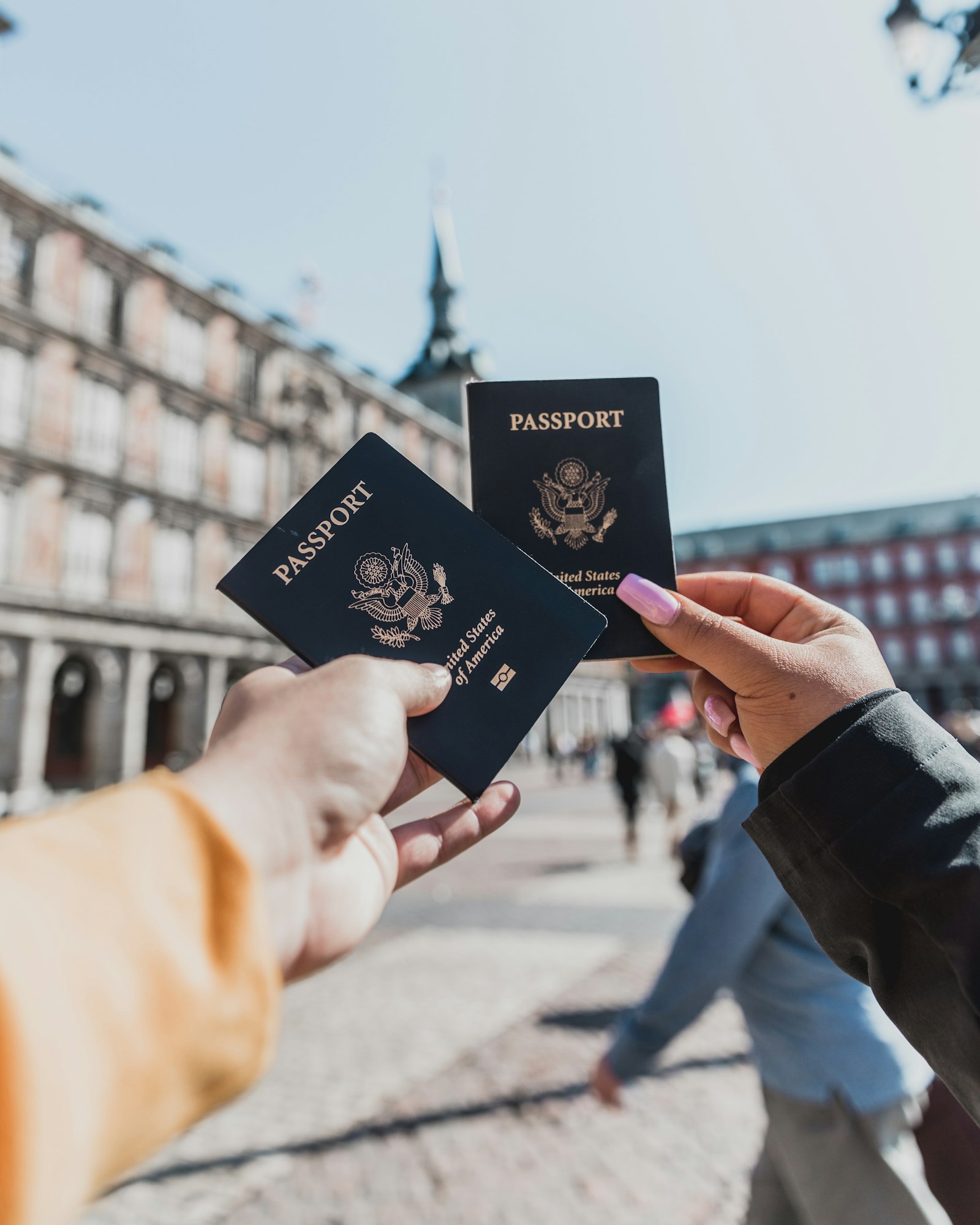
Before you book, we talk you through your route and current travel conditions. Keep your eTA approval, your Kenyan insurance certificate and your safari confirmation together with your passport for a smooth arrival at JKIA.
Your own comprehensive travel insurance from Australia is still essential, alongside the mandatory Kenyan policy. Make sure your policy covers medical treatment and emergency evacuation in Kenya, and that it includes any activities you plan, such as a hot-air balloon flight or a walking safari. Every Sense of Adventure safari also includes complimentary AMREF Flying Doctors emergency evacuation cover while you are on safari with us, which works alongside your own insurance rather than replacing it.
Best Time for Australian Travellers to Visit Kenya
Kenya’s best safari seasons align reasonably well with Australian school holiday patterns:
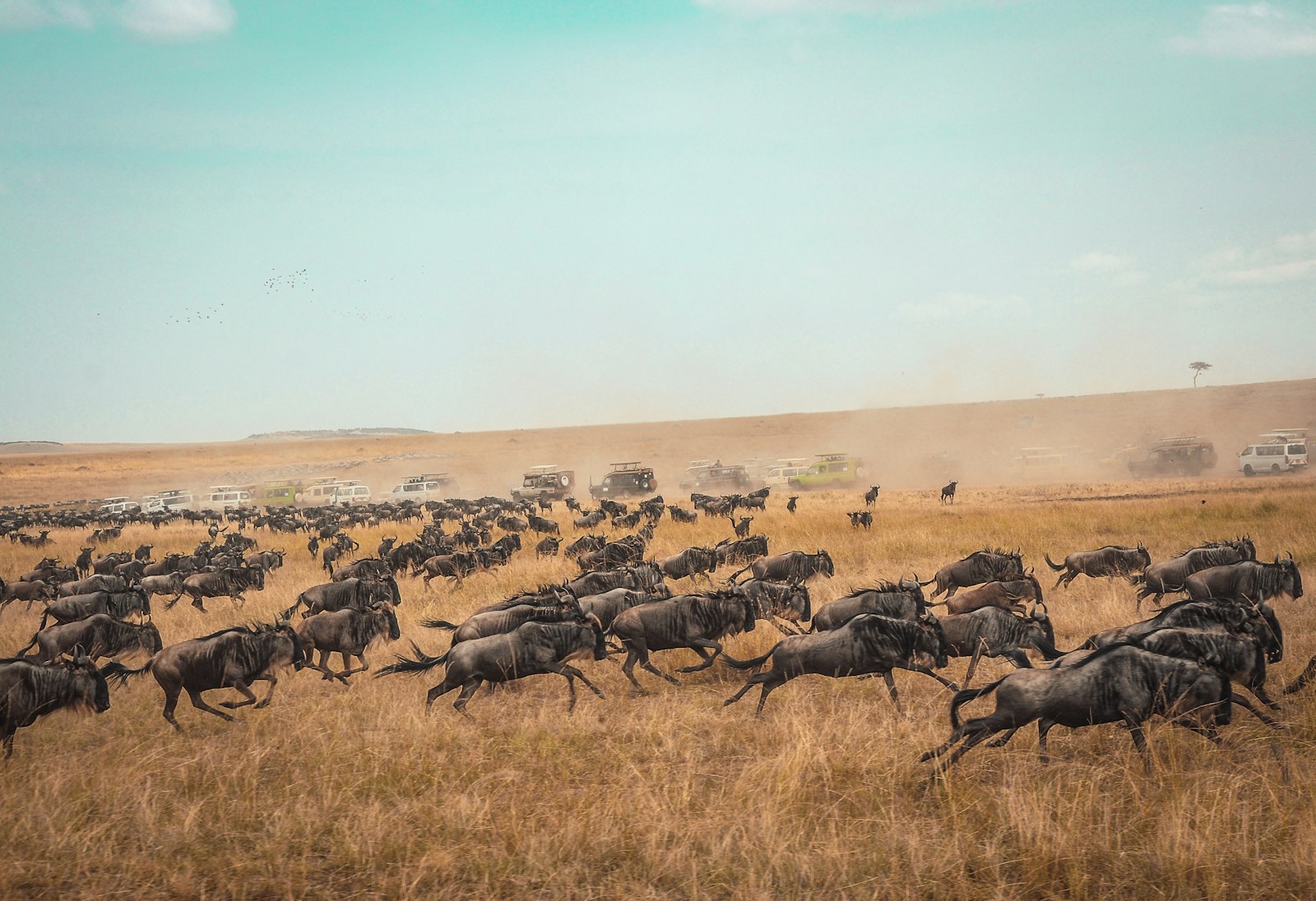
- July (Australian school holidays): Peak migration season in the Masai Mara — the most dramatic game viewing of the year. Coincides with many Australian state school holidays. Seasonal camps for July and August often fill 9 to 12 months ahead, so start early.
- September–October (October school holidays): Still within the migration season through mid-October. Post-migration game viewing in October is excellent and prices begin to soften. The September-October window is our most recommended for Australian travellers — strong wildlife, slightly lower prices than August, and good availability if booked 3–4 months ahead.
- January (summer holidays): Kenya’s green season — lush landscapes, strong predator activity, significantly lower prices. For Australians visiting during their Christmas/New Year/January holidays, Kenya’s green season delivers extraordinary value and very good game viewing. The wildlife does not take the holidays off.
School holiday dates differ between states and territories, so check your own state’s calendar before locking in flights. The months to approach with more care are April and May, Kenya’s long rains, when some camps close and roads can be muddy. November brings the shorter rains, usually as afternoon showers, and is often a quiet, good-value month for travel. For a month-by-month view, read our Great Migration safari guide.
Travelling in the July or September-October school holidays?
Migration-season camps book early. Send your state and dates, and we will send a written quote within 24 hours.
Quote My Holiday-Window SafariManaging the Distance: Jet Lag and Travel Strategy
The Kenya-Australia time difference is significant: Kenya is UTC+3, Australia Eastern Standard Time is UTC+10 (UTC+11 during AEDT). That is a 7–8 hour difference. Flying west from Australia (Sydney → Dubai → Nairobi), you gain time during travel rather than losing it, which makes the initial jet lag easier to manage for most travellers.
Our recommendation: build at least one full night in Nairobi into your itinerary before beginning your safari. Arriving at the Masai Mara after a 20-hour journey and immediately attempting a 06:00 game drive is not ideal. One night at a good Nairobi hotel (we recommend Karen-area properties near the game drive starting point) allows recovery and ensures you begin your safari fresh. Many Australian travellers also build a day in Dubai, Singapore, or Doha into the routing for a break on the way.
A few simple habits help. Set your watch to Kenyan time when you board, drink plenty of water, and try to sleep on the long leg to the Middle East. On your first day in Nairobi, get outside in the daylight: a gentle morning at the Giraffe Centre or the elephant orphanage is far better than an afternoon nap. Our Kenya safari from Nairobi guide lists easy first-day options and driving times to the parks.
Health Preparation for Australian Travellers
Book an appointment with your GP or a travel clinic six to eight weeks before you leave. They will advise on routine vaccinations, hepatitis A, typhoid and malaria prevention for the areas you are visiting. The World Health Organization publishes country information on who.int, and your doctor can tailor the advice to your health and itinerary.
Yellow Fever and Returning to Australia
Yellow fever matters on the way home as much as on the way out. Kenya is on the Australian Government’s list of yellow fever risk countries, so travellers aged one year and over who arrive in Australia within six days of leaving Kenya may be asked for a valid yellow fever vaccination certificate. Discuss the vaccine with your doctor well before departure and carry the certificate with your passport.
Malaria is present in many lowland safari areas and on the coast, while Nairobi and the central highlands carry a lower risk. Use the antimalarials your doctor prescribes, wear long sleeves at dusk and use insect repellent. Most safari camps provide mosquito nets.
Recommended Australian-to-Kenya Itineraries
12 nights — The Complete Kenya (ideal for the long journey):
Given the distance from Australia, we recommend a minimum of 12 nights to truly justify the travel time. Nairobi (1 night) → Masai Mara (5 nights) → Amboseli (2 nights) → Samburu or Laikipia (2 nights) → Diani Beach coast (3 nights). This 12-night circuit covers the migration (seasonally), Big 5, Samburu Special Five, and ends with Indian Ocean recovery.
16 nights — Kenya and Tanzania Grand Circuit:
The full East Africa experience — Masai Mara, Serengeti, Ngorongoro, Zanzibar. Australians travelling this far deserve to see it all. See our East Africa itinerary guide for the full circuit options.
Coast first, if you prefer: both circuits can be run in reverse on request, so you land, rest for a few nights in Mombasa and Diani or on Zanzibar, and finish with the safari. Our 14 Day Big Five & Beach Retreat and 18 Day Wildlife Odyssey end on Diani Beach as standard and can be reversed the same way. A coast-first route depends on flight schedules and camp availability, and we confirm the order and price in your written quote.
Which route suits your flight?
Tell us your Australian departure city and arrival airport, and we will suggest a safari-first or coast-first order.
Suggest My Route OrderSample Packages and Prices for a Kenya Safari from Australia
All our safaris are private, with your own 4×4 Land Cruiser and driver-guide, and can be adjusted to your flight times. These packages are popular with Australian guests (prices are per adult sharing, in US dollars, and vary with season and accommodation):
- Kenya Highlights Safari (9 Days) — Samburu, Ol Pejeta, Lake Nakuru and the Masai Mara, from USD 2,350.
- 15 Day Kenya Safari & Beach — five wildlife regions and two nights on Diani Beach, from USD 3,950.
- 14 Day Kenya Grand Slam Signature Safari — Samburu to Tsavo, from USD 4,650.
- Kenya & Tanzania Classic Safari (10 Days) — the Masai Mara and the Serengeti, from USD 3,500.
Every one of these can be run as a private Kenya safari for just your own group. For a wider list with entry notes written for Australians, see our page of Kenya safari packages from Australia.
Australian Dollar Currency Tips
Australian dollars are not accepted in Kenya — exchange to USD before departure or withdraw Kenyan Shillings on arrival at JKIA airport. USD is the standard currency for tips and incidental payments at safari camps. Current approximate exchange: AUD $1 ≈ USD $0.65 (verify before travel). Most Nairobi hotels and lodges accept Visa and Mastercard for main bills.
If you carry US dollars, bring clean notes printed in 2013 or later, as older or torn notes are often refused. M-Pesa, Kenya’s mobile money service, is used almost everywhere for small payments, and visitors can register a local SIM card with their passport at the airport. Let your Australian bank know your travel dates so your cards are not blocked.
For a full safari cost breakdown, see our Kenya safari cost guide. When you are ready to plan, message our Nairobi team on WhatsApp and we will send a written quote within 24 hours.
Practical Tips for Australians on Safari in Kenya
- Power: Kenya uses 240-volt power with UK-style three-pin (Type G) sockets, so bring an adapter for Australian plugs. Many camps charge devices in the main area or by solar power.
- Driving side: Kenyans drive on the left, just like at home, although your driver-guide will do all the driving.
- Clothing: Pack neutral colours, a warm fleece for early game drives, a sun hat and good sunglasses. Mornings in the Mara can be cool, even in January.
- Plastic bags: Kenya bans single-use plastic carrier bags, so pack toiletries in reusable pouches.
- Connectivity: Many camps have Wi-Fi in the main area, and a local SIM gives good coverage in most parks.
Australian Biosecurity When You Fly Home
Australia has strict biosecurity rules, and safari souvenirs often need declaring. Wooden carvings, beadwork with seeds, woven grass baskets, animal skins and any food items should be declared on your incoming passenger card. Clean the soil off your walking boots before you pack them. Declaring an item does not mean it will be taken; it simply lets officers check it.
How Many Days Do You Need for a Kenya Safari from Australia?
Because the flights take a full day each way, we rarely suggest fewer than 10 nights in Kenya for Australian guests. Ten nights covers Nairobi, the Masai Mara and one or two other parks at a relaxed pace. With 12 to 15 nights you can add Samburu or Laikipia for different wildlife and finish on the beach. With 16 nights or more, a combined Kenya and Tanzania safari or a gorilla trek in Rwanda or Uganda becomes realistic.
That said, a shorter Kenya safari from Australia can still work. Shorter trips suit travellers who are already in Africa or on a stopover. Our Nairobi layover tour fits a long connection, and a three or four-day Masai Mara safari is easy to add to a business trip or a wider African holiday.
Frequently Asked Questions
Do Australians need a visa for Kenya?
Australians do not need a traditional visa, but they must hold an approved Kenya Electronic Travel Authorisation (eTA) before boarding. Apply online at etakenya.go.ke, pay the fee of about USD 30, and allow a few working days for approval. Apply two to three weeks ahead to be safe.
How long is the flight from Australia to Kenya?
There is no direct flight, so most travellers fly one-stop via Dubai, Doha or Johannesburg. From Sydney, Melbourne or Brisbane, allow roughly 20 to 24 hours door to door including the connection. From Perth the journey is usually a few hours shorter. A stopover night can make the trip easier.
What is the best month for a Kenya safari from Australia?
September is a strong choice: the Great Migration is usually still in the Masai Mara, the weather is dry, and it can fit around spring school holidays. July and August are busier and dearer. January and February offer green landscapes, newborn animals and lower prices, which suits the Australian summer holidays.
How much does a Kenya safari cost for Australians?
On the ground, our private safaris start from around USD 2,350 per adult sharing for a nine-day multi-park trip, and rise with luxury camps, fly-in transfers and peak dates. Add return flights, which usually run from about AUD 2,000 in economy, plus your eTA, insurance and tips.
Do Australians need Kenya’s travel health insurance?
Yes. Since October 2026 every visitor needs Kenya’s Government inbound travel health insurance with the eTA, about USD 44 plus small fees for up to 90 days. An Australian policy cannot replace it, so keep both. Before you book, we talk you through your route and current travel conditions.
Make the Long Flight from Australia Count
Kenya-based experts. Real local knowledge. Transparent pricing. Tell us your dates, home city and wish list, and our Nairobi team will build your Kenya safari from Australia, with gorilla, Tanzania or beach extensions if you want them.
Start My Australian Safari Quote Email Our Planning TeamCall or WhatsApp: +254 799 160 081 · Plan my safari online