An East Africa safari itinerary 2 weeks long is the most rewarding use of a fortnight’s travel budget anywhere on the planet. In 14 days you can see the Great Migration in Kenya’s Masai Mara, descend into Ngorongoro Crater in Tanzania, stand a few metres from a mountain gorilla in Rwanda, and decompress on Zanzibar’s white coral beaches — four experiences that between them deliver every major East African wildlife, landscape, and cultural encounter available.
The logistics are manageable: East Africa’s airports are well-connected, the flights between destinations are short, and Sense of Adventure has been building these circuits for years. This guide lays out the best 2-week East Africa itineraries — three circuit options — and explains exactly how the pieces connect.
✅ East Africa Safari Itinerary 2 Weeks: The Quick Answer
- Best overall route: Masai Mara, Serengeti and Ngorongoro, then Zanzibar for the beach — the classic Kenya and Tanzania circuit.
- Best for gorillas: Masai Mara and Amboseli in Kenya, then Volcanoes National Park in Rwanda, finishing on Zanzibar.
- Best months: July to October for Mara River crossings; January to March for the Serengeti calving season.
- Getting around: short regional flights of one to two hours link Nairobi, Kigali, Entebbe, Kilimanjaro and Zanzibar.
- Budget guide: from roughly USD 5,000–7,000 per person mid-range for Kenya, Tanzania and Zanzibar, excluding international flights.
- Book ahead: four to nine months for peak migration dates and gorilla permits.
One East Africa Circuit. One Team. Zero Logistics Headache.
Sense of Adventure handles every component of your East Africa circuit — permits, flights, lodges, transfers, and the moments in between. Contact us with your dates to begin.
East Africa Safari Itinerary 2 Weeks: How to Choose Your Circuit
Every East Africa safari itinerary 2 weeks long is a balance between three things: the wildlife you most want to see, the month you can travel, and how much time you are happy to spend in transit. Fourteen days sounds like a lot, but each change of country costs you half a day, so the best plans limit themselves to three or four bases.
Start with your non-negotiables. If a Mara River crossing is the dream, travel between July and October and give the Masai Mara at least three nights. If mountain gorillas matter most, build the trip around a permit date in Rwanda or Uganda first, then fit the savannah around it. If you want the newborn wildebeest calves, the southern Serengeti in January to March becomes your anchor.
Which East Africa safari itinerary 2 weeks suits first-timers?
For a first visit, the classic Kenya and Tanzania circuit below is hard to beat. It gives you the Big Five, the migration and the Ngorongoro Crater, and ends with real rest on Zanzibar. It also keeps flights simple, because the Mara, Arusha and Zanzibar are all well linked by daily scheduled services.
When to choose fewer countries
If you are travelling with young children, older relatives or a heavy camera kit, two countries is often better than four. Fewer flights mean fewer luggage weigh-ins, fewer early starts and more time on game drives. A Kenya-only fortnight with a beach finish at Diani is a calm and excellent alternative, and our private Kenya safari options can be shaped around it.
Circuit 1 — The Classic Kenya + Tanzania Circuit (14 Days)
Best for: First-time East Africa travellers wanting the migration and the Crater. Best months: July–October (peak migration) or January–March (calving season in Serengeti).
Day-by-Day Itinerary
Days 1–3: Nairobi arrival. Transfer or fly to Masai Mara. Three mornings and evenings of game drives — Big Five, river crossings (if Jul–Oct), and conservancy night drives.
Day 4: Fly Masai Mara → Arusha. Transfer to first Serengeti camp.
Days 4–7: Serengeti — zone based on season. Full-day drives, migration or calving depending on dates.
Day 8: Transfer Serengeti → Ngorongoro rim. Afternoon rim walk. Overnight crater-view lodge.
Day 9: Full crater descent at 06:00. Lions, rhinos, hippos, flamingos. Exit by 18:00.
Day 10: Drive/fly Ngorongoro → Zanzibar.
Days 10–14: Zanzibar — beach, Stone Town walking tour, Mnemba snorkelling, spice farm, sunset dhow.
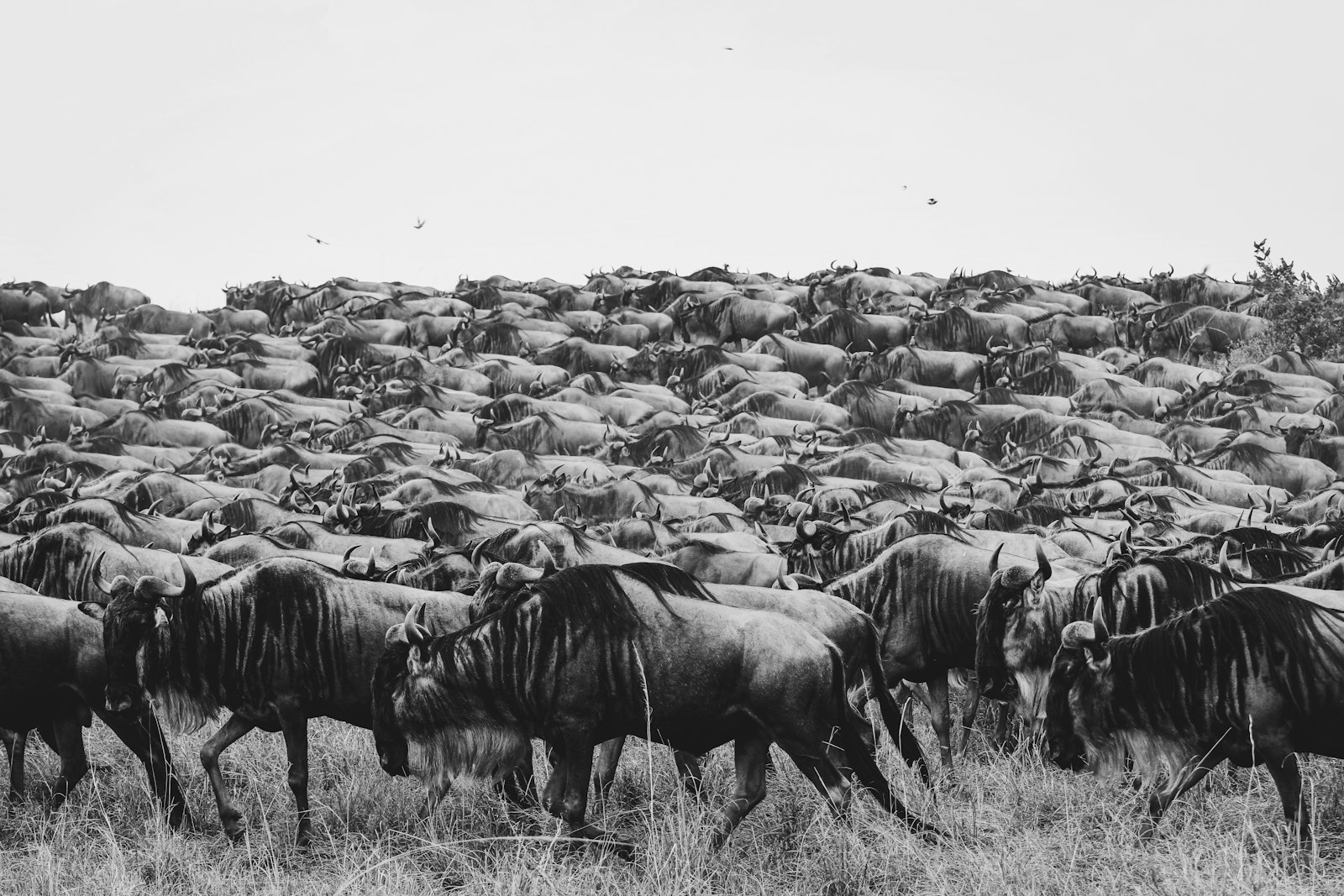
This East Africa safari itinerary 2 weeks route works in both directions. In the calving months of January to March, we often start in Tanzania so you reach the southern Serengeti while the herds are there, and finish in the Masai Mara for big cats before flying home from Nairobi. Read our guide to a Kenya and Tanzania safari for border and routing details, and check park information on the Tanzania National Parks website.
Circuit 2 — Kenya + Rwanda Gorillas Circuit (14 Days)
Best for: Travellers who want the combination of Big Five plains safari and mountain gorillas. Best months: June–October (dry season in both countries).
Day-by-Day Itinerary
Days 1–3: Nairobi arrival. Fly to Masai Mara. Conservancy game drives — Big Five, migration river crossings.
Days 3–5: Amboseli National Park — elephant herds against Kilimanjaro.
Day 6: Fly Nairobi → Kigali. Afternoon Kigali city visit.
Days 7–9: Volcanoes National Park — gorilla trek, golden monkey trekking, twin lakes.
Day 10: Return to Kigali. Transfer to Kigali International Airport.
Days 10–14: Zanzibar beach finale via Nairobi connection.

Gorilla permits are limited each day, so on this East Africa safari itinerary 2 weeks plan we secure the permit before booking flights and camps around it. You can read about Rwanda’s parks and permit rules on the official Visit Rwanda website. If Uganda suits your dates better, our Uganda Gorillas & Chimps Safari slots neatly into this circuit in place of Rwanda.
Circuit 3 — The Full East Africa Grand Circuit (14 Days)
Best for: Experienced travellers wanting maximum diversity. Best months: July–October.
Day-by-Day Itinerary
Days 1–2: Nairobi — Nairobi National Park morning drive. Giraffe Centre. Depart afternoon.
Days 2–4: Masai Mara — migration crossings, conservancy drives.
Days 4–6: Fly Nairobi → Entebbe. Bwindi gorilla trek.
Days 6–8: Fly Entebbe → Kilimanjaro. Northern Serengeti migration.
Day 9: Ngorongoro Crater descent and exit.
Days 9–14: Zanzibar — full 5-night beach, diving, Stone Town.
Of the three options, this is the busiest East Africa safari itinerary 2 weeks can comfortably hold, with a flight every two or three days. It suits travellers who have been on safari before and want maximum variety. If you would rather slow down, our 11-day Kenya, Tanzania and Uganda safari package covers three countries at a gentler pace, and you can add beach days on the end.
Best Time for an East Africa Safari Itinerary 2 Weeks Long
East Africa has good safari conditions all year, but the best order for your East Africa safari itinerary 2 weeks plan changes with the seasons. The herds of the Great Migration move in a loop between Tanzania and Kenya, following the rain and fresh grass, so the month you travel decides where you start.
July to October: migration in the Mara
This is the peak season. The herds are usually in the northern Serengeti and the Masai Mara, and the Mara River crossings draw visitors from around the world. It is also dry season in Rwanda and Uganda, so gorilla trails are easier. Expect the highest rates and book early.
January to March: calving in the Serengeti
The herds gather on the short-grass plains of the southern Serengeti, where hundreds of thousands of calves are born and predators follow closely. Weather is warm and mostly dry, and the Masai Mara has excellent resident big cats at this time too. Zanzibar is hot and sunny.
April, May and November: green season
The long rains in April and May and the short rains in November bring lush scenery, fewer vehicles and lower prices. Some camps close in the wettest weeks, and forest trails in gorilla country are muddier. For a full month-by-month view, see our guide to the best time for safari in Africa and Kenya weather by month.
Practical East Africa Circuit Notes
| Flight Route | Duration | Frequency |
|---|---|---|
| Nairobi → Masai Mara (charter) | 45 min | Daily |
| Nairobi → Kigali | 1.5 hrs | Multiple daily |
| Nairobi → Entebbe | 1.5 hrs | Multiple daily |
| Nairobi/Kilimanjaro → Zanzibar | 1.5–2 hrs | Multiple daily |
| Serengeti airstrip → Zanzibar | 2.5 hrs (via JRO) | Daily connections |
Light aircraft luggage rules
Most safari flights on an East Africa safari itinerary 2 weeks long, such as those into the Masai Mara and the Serengeti, use small aircraft with a soft-bag limit of about 15 kg per person, including hand luggage. Pack in a duffel bag rather than a hard suitcase. If you are carrying city clothes or diving gear for Zanzibar, we can arrange to store extra bags in Nairobi or Arusha and reunite you with them later.
Road transfers and border crossings
Some sections work well by road, such as Nairobi to Amboseli or Arusha to Ngorongoro. The Namanga border between Kenya and Tanzania is a common overland crossing, but road days are long, so on a two-week trip we usually recommend flying the longer legs. Our Kenya safaris from Nairobi show which parks are an easy drive from the capital.
What a 2-Week East Africa Safari Costs
Price depends on your accommodation style, the season and how many flights you take. As a guide, a mid-range East Africa safari itinerary 2 weeks long covering Kenya, Tanzania and Zanzibar starts from about USD 5,000–7,000 per person, including park fees, internal flights and guides but not international airfare. Luxury circuits in private conservancy camps run from about USD 12,000 to over USD 20,000 per person.
Gorilla permits are the biggest single extra: a Rwanda permit adds USD 1,500 per person. To see how the Kenya part of the trip is priced, compare our Masai Mara safari packages, which start from USD 650 per person for a 3-day road safari and USD 3,200 for a 4-day fly-in luxury safari. Our guide to Kenya vs Tanzania safari costs explains why the Tanzanian section usually costs more per day.
Ways to keep costs down
A few simple choices can make an East Africa safari itinerary 2 weeks long noticeably cheaper without losing the highlights:
- Travel in shoulder months such as June, November or early December, when rates drop but wildlife is still excellent.
- Choose two countries, not four, to cut the number of regional flights.
- Mix camp styles, with a special camp for the migration and simpler lodges elsewhere.
- Use road transfers on shorter legs, such as Arusha to the Ngorongoro Crater.
If you prefer the best of everything, our luxury Kenya safari collection shows the kind of camps we pair with fly-in Tanzanian lodges and private villas on Zanzibar.
Your East Africa Circuit Starts Here
Tell Sense of Adventure your travel dates, your budget, and which experiences matter most. We will build the circuit — and handle everything between your flights home.
Visas, Health and Paperwork for a Multi-Country Safari
Each country on an East Africa safari itinerary 2 weeks long has its own entry rules, and they change from time to time, so always check official sources before you fly. Kenya requires most visitors to apply online for an Electronic Travel Authorisation before travel through the official eTA Kenya website. Tanzania, Rwanda and Uganda have their own visa systems, and some nationalities can use the East Africa Tourist Visa for Kenya, Uganda and Rwanda.
Health rules matter too. Talk to a travel clinic about malaria tablets and routine vaccines, and ask about yellow fever, because some countries ask for a certificate if you arrive from a country with yellow fever risk, which can include travel between Kenya and Tanzania or Zanzibar. The World Health Organization travel advice pages are a good starting point, and UK travellers should read the UK government’s Kenya travel advice.
Travel insurance
Choose a policy that covers medical evacuation and the activities you plan, such as gorilla trekking, balloon flights and snorkelling. Kenya has introduced a travel health insurance requirement for visitors; read our guide to Kenya mandatory travel insurance for the current position.
What to Pack for Two Weeks Across East Africa
Packing for several climates in one soft bag is the hardest part of an East Africa safari itinerary 2 weeks long for many travellers. The savannah is warm by day and cold at dawn, the Ngorongoro rim and the Rwandan volcanoes can be chilly, and Zanzibar is hot and humid. Layers solve almost everything.
- Neutral safari clothes: khaki, olive or beige shirts and trousers, plus a warm fleece for early game drives.
- Gorilla trek kit: waterproof jacket, long sleeves, garden gloves for nettles and sturdy walking boots.
- Beach basics: swimwear, a modest cover-up for Stone Town and reef-safe sun cream.
- Essentials: binoculars, a hat, sunglasses, insect repellent, a power bank and any personal medication.
- Documents: passport with blank pages, printed eTA and visas, insurance details and any health certificates.
Common Mistakes to Avoid on a Two-Week Circuit
The most common mistake on an East Africa safari itinerary 2 weeks long is trying to fit in too much. Adding a fifth destination usually means losing a full day of game drives to airports. Two or three nights per base is the minimum that feels relaxed, and four nights in the Masai Mara during migration season improves your chances of seeing a crossing.
Other mistakes include booking international flights before gorilla permits are confirmed, arriving on a late flight and starting a long drive the next morning, and forgetting that light aircraft have strict luggage limits. Our guide to whether you should book flights or your safari first explains the best order. If you have only a week, our 7-day Kenya safari itinerary is a strong place to start.
How to adapt an East Africa safari itinerary 2 weeks for families
Families should slow the pace, choose camps with family tents and pools, and keep transfers short. Gorilla trekking has a minimum age of 15, so younger children can stay with a parent for a nature walk or a visit to a community project instead. Beach time at the end gives everyone a chance to rest before the long flight home.
Frequently Asked Questions — East Africa Safari Itinerary
What is the minimum time needed for an East Africa circuit?
A meaningful East Africa circuit — Kenya safari + one other country — can be done in 10 days. Fourteen days is the sweet spot that allows three destinations without rushing. Going beyond 14 days opens up Uganda gorilla trekking, Kilimanjaro, or a combination of all four countries. Sense of Adventure designs circuits from 7 days (Kenya-only) to 21+ days (Kenya + Tanzania + Rwanda + Uganda + Zanzibar).
Do I need separate visas for each East African country?
Kenya, Uganda, Rwanda, and Tanzania each issue their own visas or travel authorisations, though East African citizens travel freely between all four. Kenya now asks most visitors to apply for an eTA online before travel, and Tanzania uses an e-visa applied for before departure for most nationalities. The East Africa Tourist Visa (covering Kenya, Uganda, and Rwanda) is available for some nationalities at USD 100 and covers all three countries. Sense of Adventure provides current visa guidance as part of every booking.
How much does a 2-week East Africa circuit cost?
A 2-week circuit combining Kenya, Tanzania, and Zanzibar starts at approximately USD 5,000–7,000 per person for mid-range accommodation, including all park fees, internal flights, and guides but excluding international airfare. A luxury circuit (private conservancy camps, top lodges) runs USD 12,000–20,000+. Rwanda gorilla permits add USD 1,500 per person. Sense of Adventure provides detailed quotes for all budget levels — contact us with your group size and preferences.
Is two weeks enough for Kenya, Tanzania and Zanzibar?
Yes. An East Africa safari itinerary 2 weeks long gives you three nights in the Masai Mara, four in the Serengeti, one or two at the Ngorongoro Crater and four or five on Zanzibar. That pace gives you plenty of game drives and real beach time. Adding Rwanda or Uganda as well is possible, but it means shorter stays and more flights.
Can I see the Great Migration on a two-week East Africa safari?
Yes, if you plan around the season. From about July to October the herds are usually in the northern Serengeti and the Masai Mara, and from January to March they calve in the southern Serengeti. River crossings are never guaranteed, because the herds move with the rain, but giving each area enough nights improves your chances.
Is it safe to travel between East African countries?
Kenya, Tanzania, Rwanda and Zanzibar are visited safely by many thousands of safari travellers every year. Most trips run on guided transfers and scheduled flights, so you are rarely alone in unfamiliar areas. Check your government’s travel advice before you go, follow your guide’s instructions and keep valuables out of sight in cities.
Ready to plan your own East Africa safari itinerary 2 weeks long? Send us your dates, budget and must-see experiences, and we will build a circuit that fits. For more inspiration on the Kenyan side, visit Magical Kenya, the official tourism board website.
🏑 Ready to Book Your East Africa Safari?
Sense of Adventure — Kenya-based experts with real local knowledge. Transparent pricing. Personalised itineraries across Kenya, Tanzania, Rwanda, Uganda and Zanzibar.
💬 Plan My Safari on WhatsAppCall or WhatsApp: +254 799 160 081