A Masai Mara bucket list should stretch well beyond the standard morning and afternoon game drive: hot air balloons at dawn, sundowners on a hilltop, a Maasai village visit and a walking safari where the rules allow it. Here are 10 experiences worth building into a full Mara itinerary, with honest notes on where, when and how to book each one.
Most visitors spend two or three days in the reserve and leave having seen lions, elephants and perhaps a cheetah hunt. That is wonderful, but the travellers who come home talking about the trip for years usually did something more: they floated over the plains at sunrise, ate breakfast under an acacia, or walked out with a Maasai guide reading tracks in the dust. This guide shows you how to fit those moments into your days.
✅ Masai Mara Bucket List: Quick Answer
- The big three: a dawn hot air balloon flight, a sundowner on a viewpoint and a bush breakfast after a morning drive.
- Culture: a respectful visit to a Maasai manyatta, ideally arranged through your camp.
- Conservancy-only: walking safaris and night drives are not allowed inside the national reserve, so stay in a conservancy for these.
- Seasonal: Mara River crossings happen roughly July to October, but timing varies every year.
- How long: three to four nights lets you tick off most of this Masai Mara bucket list without rushing.
- Book early: balloon seats and the best conservancy camps fill first in the July to October peak.
Want these experiences built into real dates? Tell us which ones excite you most.
Plan My Mara Bucket ListWhy the Game Drive Isn’t the Whole Story
A well-planned Masai Mara trip layers in experiences beyond the drives themselves: sunrise from a balloon basket, a sundowner at a scenic viewpoint, a guided walk that slows the pace right down. Some of these are available reserve-wide; others, like walking safaris and night drives, require a conservancy stay.
Building two or three of these into a multi-day trip turns a great safari into a complete one. The trick is spacing them out. A balloon flight means a 4:30am wake-up, so pair it with a lazy afternoon. A walking safari works best on a cooler morning. A bush dinner suits your last night, when you want a proper send-off. Think of your Masai Mara bucket list as a rhythm, not a checklist to race through.
10 Experiences for Your Masai Mara Bucket List
These ten Masai Mara bucket list experiences are listed roughly in the order most travellers rank them. Not every camp offers all of them, so use this list when you choose where to stay.
Hot Air Balloon at Dawn — the classic Mara bucket-list item
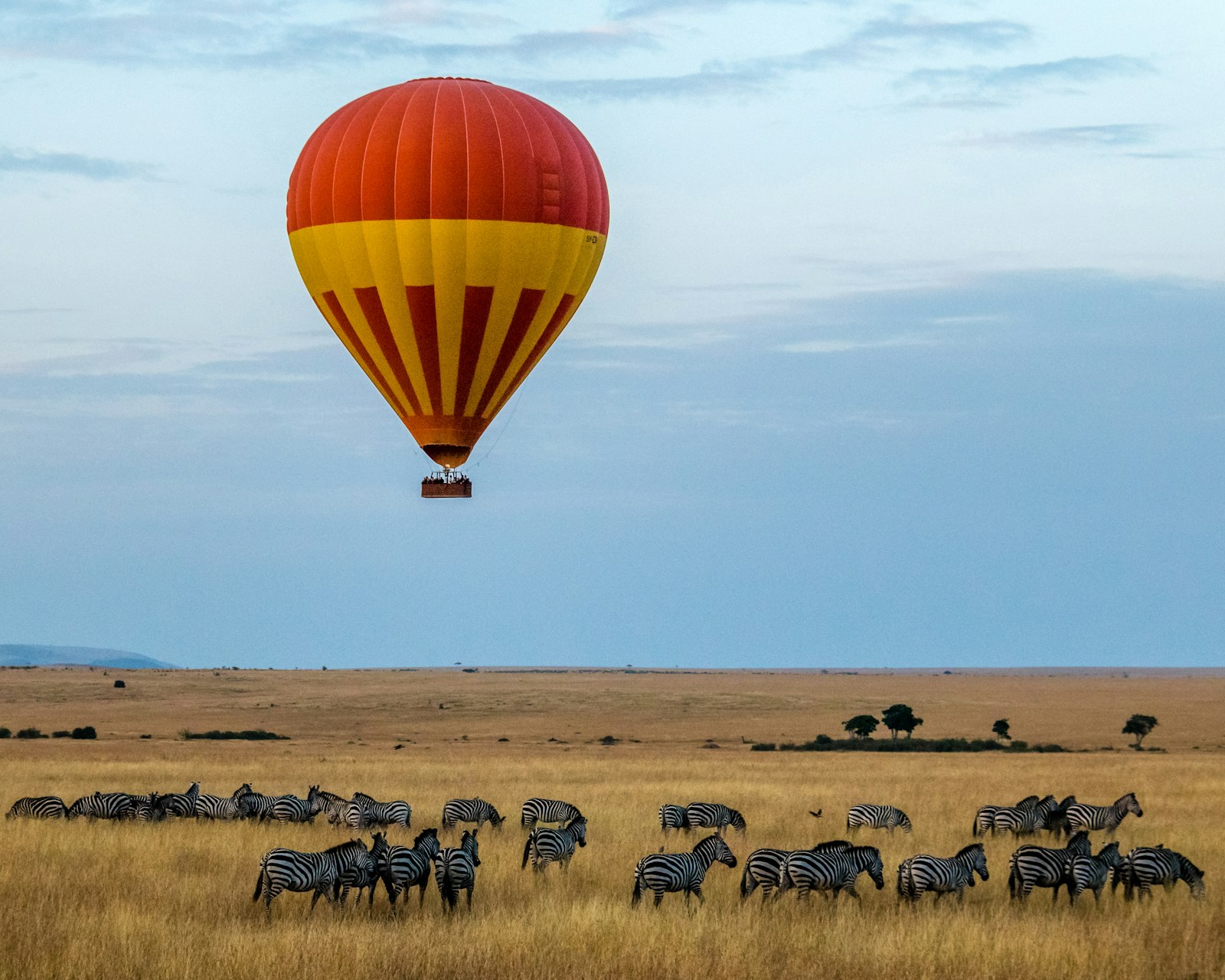
A roughly 45-minute sunrise flight over the plains, often followed by a champagne bush breakfast on landing. See our full balloon safari guide for what to expect.
A Proper Sundowner — not just a drink, a whole ritual
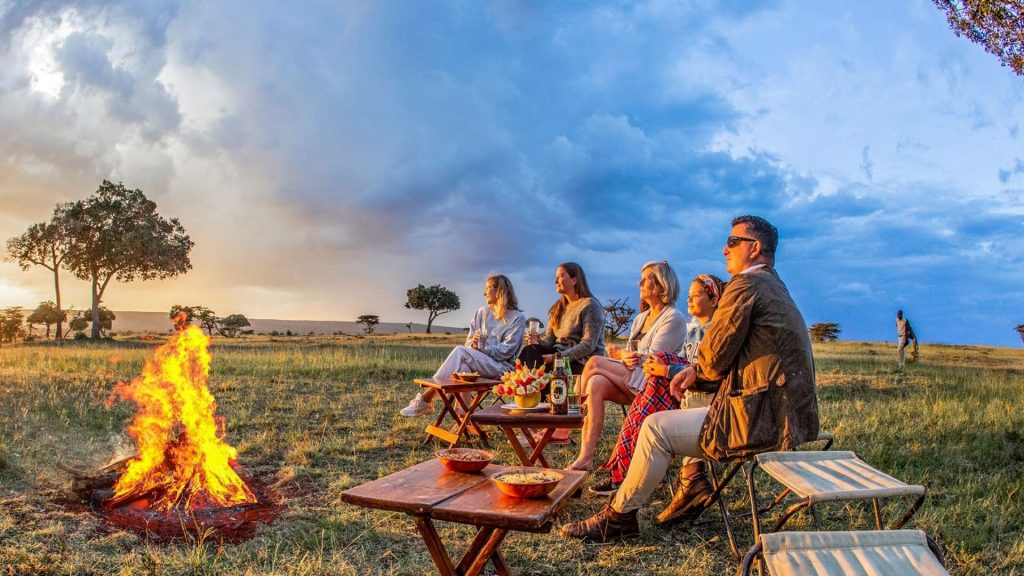
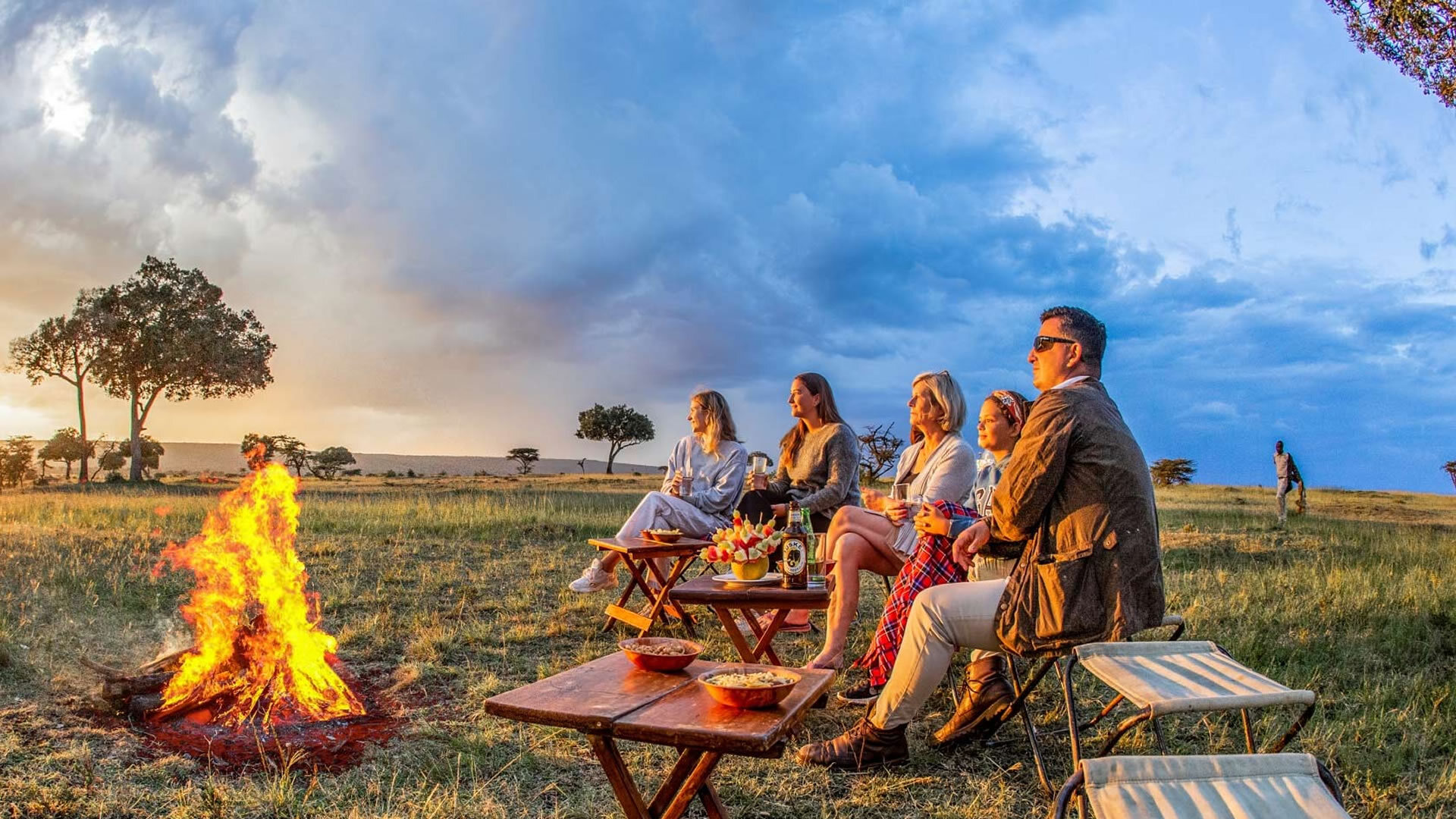
An evening game drive timed to end at a scenic viewpoint, riverside, hilltop or open plain, for a drink and canapés as the sun sets over the savannah. Our sundowners and bush dinners guide has more ideas.
Bush Breakfast After a Morning Drive — table linens in the middle of nowhere
A full breakfast laid out in the open bush after your dawn game drive, often at a spot chosen for the view as much as the food.
Maasai Village Visit — real cultural exchange, done respectfully
A visit to a working manyatta, including the adumu jumping dance where it’s offered. Our village visit etiquette guide covers how to do this well.
Walking Safari (Conservancy Only) — armed Maasai guides, a completely different pace
A 2-4 hour guided walk focused on tracks, plants and bird calls rather than big-game spotting, only available in conservancies, not the main reserve. Read our Masai Mara walking safaris guide first.
A Night Drive — also conservancy-only
Spotlighted drives reveal genets, bushbabies and more active hyena and leopard behaviour. See our nocturnal wildlife guide for what you might see.
A Bush Dinner Under the Stars — lanterns, a bonfire, sometimes live music
An open-air dinner set up after dark, often built around a bonfire, and at some camps accompanied by traditional Maasai dance performances on certain nights of the week.
Photography-Focused Drives — golden hour, camera settings, hides
A drive timed and positioned around light rather than just sightings. Our photography guide covers the details.
Great Migration River Crossing (Seasonal) — roughly July to October
If your dates align, witnessing a Mara River crossing is the most dramatic wildlife spectacle in the ecosystem. See our river crossing guide.
Simply Sitting Still Somewhere — the most underrated item on this list
Time at camp with nothing scheduled, a fire, the sounds of the bush and no vehicle, rounds out a trip that would otherwise be wall-to-wall driving.
The Masai Mara Bucket List in Detail
The short list above tells you what to aim for. The sections below explain how each item actually works on the ground, so you can decide which belong on your own Masai Mara bucket list.
Hot air balloon: what the morning looks like
Balloon guests are usually collected from camp before first light and driven to the launch site. You watch the burners fill the envelope, climb into the basket and lift off as the sun comes up. The flight drifts with the wind, so no two routes are the same, and pilots fly low enough to see herds, hippo pools and sometimes lions below.
After landing, most operators serve a bush breakfast, and a vehicle drives you back to camp through the reserve, which doubles as a game drive. Flights depend on weather and can be cancelled on windy or wet mornings. The balloon is priced separately from most safari packages, so ask us for the current rate for your dates rather than relying on old figures online.
Sundowners and bush dinners
A sundowner is the safari version of an evening drink and an easy Masai Mara bucket list win. Your guide finds a viewpoint, sets out a small bar on the bonnet or a folding table, and you watch the light go gold and then red. It is relaxed, social and, for many travellers, the most memorable hour of the day.
A bush dinner takes the idea further. Camps set tables in the open, light lanterns and a fire, and cook or carry the meal out. Some include Maasai singing or dancing. Most camps can arrange one on request, especially for honeymoons and celebrations, so mention it when you book.
Bush breakfast
On a full-morning drive, your guide may stop by a river or under a shady tree for breakfast. At some camps this is a simple picnic box; at others it is a laid table with eggs cooked on a fire. Either way, eating in the open while wildlife grazes nearby is one of the simplest pleasures on any Masai Mara bucket list.

Maasai village visit
On a Masai Mara bucket list, a good village visit is a conversation, not a show. You are welcomed by members of the community, shown how a manyatta is built, and given time to ask about cattle, schooling and daily life. Ask before taking photographs, and expect a fee that goes to the community; buying beadwork directly also helps.
Visits arranged through a conservancy or your camp tend to be better organised and more fairly shared. If culture is high on your Masai Mara bucket list, our cultural tours page shows other ways to meet communities in Kenya.
Walking safaris and night drives
These two experiences are the main reason many travellers choose a conservancy. Inside the national reserve, visitors must stay in vehicles and drives end at dusk. In the private conservancies around it, camps can offer guided walks with trained guides and armed rangers, plus night drives with a spotlight.
A walk changes how you see the Mara. You notice dung beetles, medicinal plants, the alarm calls of birds and the age of a footprint. A night drive reveals a different cast: hyenas on the move, genets, bushbabies and, with luck, a leopard. If either is on your Masai Mara bucket list, the camp you choose matters more than anything else.
Reserve or Conservancy: Where Your Masai Mara Bucket List Works Best
Where you sleep decides which Masai Mara bucket list items you can do. This table sets out the main differences.
| Experience | National reserve | Private conservancy |
|---|---|---|
| Game drives | Yes, daylight hours only | Yes, with fewer vehicles per sighting |
| Hot air balloon | Yes, from several launch sites | Yes, with a transfer to a launch site |
| Walking safari | No | Yes, with guides and rangers |
| Night drive | No | Yes, with a spotlight |
| River crossings | Yes, the Mara River runs through the reserve | Day trips into the reserve needed |
| Bush breakfast and sundowner | Yes | Yes, often more private |
Many travellers split their stay: two nights near the river for crossings and two nights in a conservancy for walks and night drives. Our comparison of Mara North, Naboisho and Olare Motorogi and the conservancies guide help you choose.
Not Sure Which Camp Unlocks Your List?
Tell us the experiences you care about most, such as walking, night drives or river crossings, and we will suggest a reserve and conservancy split that fits them.
Match My Camp to ListBest Time to Tick Off Your Masai Mara Bucket List
Most of the Masai Mara bucket list works all year. The balloon flies in every season, weather permitting, and sundowners, bush meals and village visits run year-round. The big seasonal item is the migration.
- July to October: the herds are usually in the Mara and river crossings are possible. This is peak season, with the busiest roads and the highest park fees.
- November and December: short rains bring green grass and fewer visitors. Most of the herds have usually moved south, but resident wildlife stays.
- January to March: generally dry and warm, good for walking safaris and photography, with lower fees.
- April and May: the long rains. Some camps close, but those that stay open are quiet and often good value.
Masai Mara National Reserve fees for non-resident adults are USD 100 per day from January to June and USD 200 from July to December. On our packages these fees are included. For a month-by-month view, see our Great Migration safari page.
How Many Days Do You Need for a Masai Mara Bucket List Trip?
For a Masai Mara bucket list trip, two days give you a taste, but they rarely leave room for more than game drives and one extra. Three nights let you add a balloon flight and a sundowner. Four nights, ideally split between the reserve and a conservancy, let you tick off nearly the whole Masai Mara bucket list without early starts every single day.
Our article Is 2 days in the Masai Mara enough? goes into this in more detail.
A sample four-night Masai Mara bucket list itinerary
- Day 1: fly or drive from Nairobi, afternoon game drive, sundowner at a viewpoint.
- Day 2: dawn balloon flight with bush breakfast, rest at camp, afternoon drive towards the river.
- Day 3: move to a conservancy, guided walk in the morning, night drive after dinner.
- Day 4: full-day drive with bush breakfast, village visit in the afternoon, bush dinner.
- Day 5: last early drive, then fly or drive back to Nairobi.
Getting There and Booking Tips
The Mara is roughly five to six hours by road from Nairobi, or about 45 to 60 minutes by light aircraft to one of the reserve’s airstrips. Our Nairobi to Masai Mara distance guide compares the options, and a Kenya safari from Nairobi shows how the trip fits together.
To make the most of your Masai Mara bucket list, book these items when you book the safari, not when you arrive:
- Balloon seats, the most requested Masai Mara bucket list item, are limited each morning and sell out first in peak season.
- Conservancy camps are small, often with a handful of tents, so they fill early.
- Private bush dinners need notice for the kitchen and staff.
- Village visits are best arranged through the camp so the community is expecting you.
Most visitors need an electronic travel authorisation before they fly; apply through the official eTA Kenya portal. For general destination information, Magical Kenya, the national tourism board site, is a useful starting point.
Balloon Seats Go First in Peak Season
The best camps and dawn flights book early for July to October. Send us your dates and we will check balloon availability and send a written quote.
Bucket List Ideas by Traveller Type
Not every item suits every traveller, so tailor your Masai Mara bucket list to the people you are with.
- Honeymooners: balloon flight, private sundowner and a bush dinner for two. See our Masai Mara honeymoon safari guide.
- Families: bush breakfast, a village visit and shorter drives. Walking safaris have age limits at most camps. Our Masai Mara family safari guide explains the options.
- Photographers: golden-hour drives, a balloon flight for aerial views and a private vehicle so you can wait at sightings.
- Solo travellers: shared activities such as bush dinners are a good way to meet others at camp.
Responsible Travel Tips
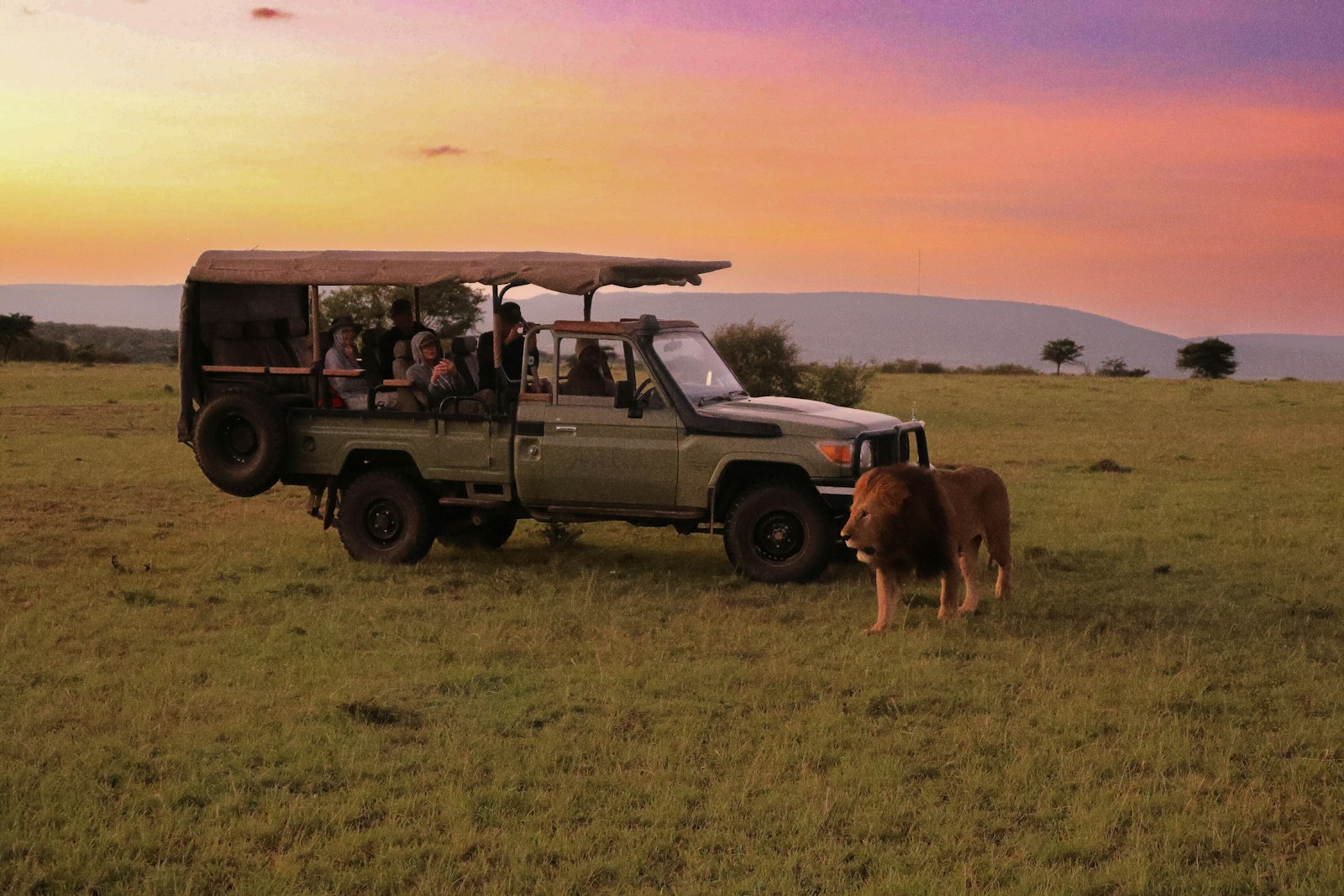
The best Masai Mara bucket list moments leave the Mara better, not worse. Stay with camps that support conservancies, which pay landowners to keep land open for wildlife. Ask your guide to keep a respectful distance at sightings, even if other vehicles crowd in. Choose village visits run with the community, and buy crafts directly from the people who make them.
Finally, leave room for nothing at all. The tenth item on this Masai Mara bucket list, sitting still, is the one people forget to plan and later remember most.
Build the Complete Trip
Combine this Masai Mara bucket list with our Masai Mara safari guide for full logistics, and our conservancies guide to know which stays unlock the conservancy-only items on this list.
Ready to see options? Browse our Masai Mara safari packages, or ask about a private Kenya safari or a luxury Kenya safari built around the experiences you care about most.
Turn Your Masai Mara Bucket List Into a Real Itinerary
Pick your must-dos, from a dawn balloon to a night drive, and our Nairobi team will build them into a day-by-day plan with park fees included.
Frequently Asked Questions
What should be on every Masai Mara bucket list beyond game drives?
A hot air balloon flight, a proper sundowner, a bush breakfast and a respectful Maasai village visit belong on almost every list. If you stay in a conservancy, add a guided walking safari and a night drive. Between July and October, a Mara River crossing is the seasonal highlight.
Are walking safaris allowed in the Masai Mara?
Only in the private conservancies bordering the reserve, not inside the national reserve itself. Conservancy camps run walks with trained guides and armed rangers, usually for two to four hours in the cooler morning. Most camps set a minimum age, so families should check before booking.
How long is a Masai Mara hot air balloon flight?
Roughly 45 minutes in the air, flown at dawn when the winds are calm. Including the early pick-up, launch, landing and the bush breakfast that usually follows, plan on most of the morning. Flights can be cancelled in bad weather, so avoid booking one on your final day.
When can you see a Great Migration river crossing in the Masai Mara?
Roughly July through October, when the wildebeest migration is in the Mara and crossing the Mara River. Timing varies from year to year with the rains, and crossings can happen at any hour. Allowing at least three full days near the river gives you the best chance.
How many days do I need for a Masai Mara bucket list trip?
Three to four nights is ideal. That gives time for game drives plus a balloon flight, a sundowner and a bush meal. If you want walking safaris and night drives too, add two nights in a conservancy. Two days usually only leave room for drives and one extra.
Is it worth booking activities beyond the standard game drive?
Yes. Many travellers rank the balloon flight, sundowners or a village visit among their highlights, alongside the game drives rather than instead of them. These experiences change the pace of the trip and show the Mara from new angles, from the air, on foot and after dark.