
Saiwa Swamp National Park is Kenya’s smallest national park by a wide margin — just 3 km², walkable in an unhurried morning — yet it protects an animal so shy that it is often called “the ghost of the swamp.” The sitatunga antelope has splayed, elongated hooves built for walking on floating vegetation and a habit of submerging almost entirely underwater when threatened, leaving only the tip of its nose showing.
Picture standing on an elevated observation tower at dawn, mist still lifting off the swamp, waiting for a shaggy-coated antelope most safari-goers have never even heard of to step cautiously into view. Sense of Adventure treats Saiwa Swamp as a genuine specialist detour for travellers who want a species most itineraries never offer.
✅ Saiwa Swamp National Park Quick Answer
- Where: about 22 km northeast of Kitale, Trans-Nzoia County, western Kenya.
- Famous for: the semi-aquatic sitatunga antelope, the reason the park exists.
- How you explore: on foot, along nature trails, boardwalks and wooden observation towers. No game drives.
- Best time of day: dawn and late afternoon, when sitatunga leave the reeds to feed.
- How long: two to four hours is enough; stay overnight for both a dusk and a dawn session.
- Pairs with: Mount Elgon National Park and Kakamega Forest on a western Kenya circuit.
Hoping to see a sitatunga? We will time your tower visit for the quiet hours at dawn or dusk.
Why an Entire National Park Exists for One Antelope
Saiwa Swamp was gazetted in 1974 specifically to protect the sitatunga, a semi-aquatic antelope whose splayed hooves let it move across floating swamp vegetation that would swallow any normal ungulate. The species is widespread in central Africa but rare in Kenya, where its swamp habitat has largely been drained for farming.
Rather than driving, visitors walk nature trails and boardwalks and climb wooden observation towers overlooking the swamp — an entirely different, quieter safari experience from a vehicle-based game drive, built around patient, still observation rather than covering ground. Because the whole park covers just 3 km², a visit rarely takes more than a few hours, making it easy to combine with a wider western Kenya circuit.
The 7 Things That Make Saiwa Swamp National Park Worth the Visit
The Sitatunga, Explained — why it needs a swamp specifically
The sitatunga’s splayed, elongated hooves spread its weight across floating vegetation, letting it move through swampland where other antelope would sink — a genuine evolutionary specialisation you can only appreciate by seeing the terrain it lives in firsthand.
The Swamp Ghost Behaviour — submerging almost completely to hide
When threatened, a sitatunga can sink into the water until only the tip of its nose is above the surface — the behaviour that earned it the nickname “the ghost of the swamp.”
Kenya’s Smallest National Park — just 3 km², walkable in a morning
At only 3 km², Saiwa Swamp is a fraction the size of any other Kenyan park, meaning a visit is a focused half-day rather than a multi-day commitment — an easy, efficient addition to a broader itinerary.
Elevated Observation Towers — a different way of watching wildlife
Rather than a vehicle, visitors explore via trails, boardwalks and wooden observation towers overlooking the swamp — a still, patient style of wildlife watching that rewards quiet waiting over covering distance.
The De Brazza’s Monkey — another swamp specialist worth seeking out
Beyond the sitatunga, Saiwa Swamp protects the De Brazza’s monkey, black-and-white colobus, otters, bushbucks and serval cats — a distinct small-mammal community shaped by the swamp and riverine forest.
Over 370 Bird Species — including Ross’s turaco and lesser jacana
The swamp and forest edge support more than 370 recorded bird species, including Ross’s turaco, the African black duck and the lesser jacana — a serious birding destination in its own right.
A Natural Pairing With Mount Elgon — both near Kitale in western Kenya
Saiwa Swamp sits close to Kitale, making it a natural half-day addition alongside Mount Elgon National Park for travellers building a genuine western Kenya circuit.
Saiwa Swamp National Park Facts
- Location: about 22 km northeast of Kitale, in Trans-Nzoia County, western Kenya.
- Size: just 3 km² — the smallest national park in Kenya.
- Gazetted: 1974, specifically to protect the sitatunga, which is rare in Kenya.
- Signature species: the sitatunga — a semi-aquatic antelope with splayed hooves; males stand up to about 1.2 m at the shoulder.
- Other wildlife: De Brazza’s monkey, black-and-white colobus, otters, bushbucks and serval cats.
- Birds: over 370 recorded species, including Ross’s turaco and the lesser jacana.
- Managed by: the Kenya Wildlife Service. Vehicles are not used inside the park.
What You Can See in Saiwa Swamp National Park
Saiwa is not a Big Five destination, and that is the point. It rewards patient visitors who enjoy smaller, rarer animals and excellent birdlife.
Sitatunga in Saiwa Swamp National Park
Sitatunga are most active in the early morning and late afternoon, when they move out of the tall reeds to feed at the edges of open water. Males are darker, with long spiral horns; females are reddish-brown and hornless. Sightings are likely but never guaranteed, so allow time on more than one tower.
Primates of the riverine forest
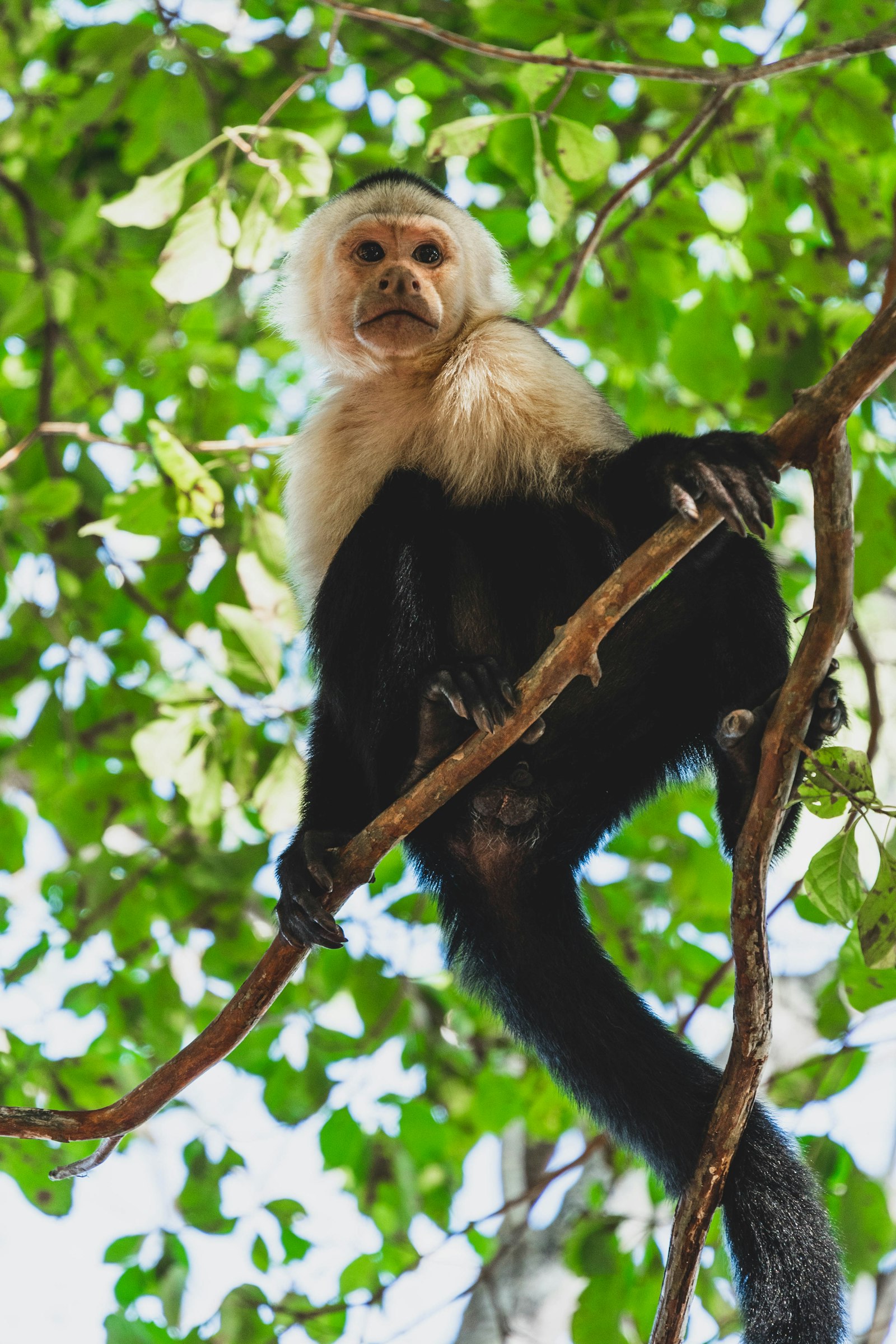
De Brazza’s monkeys, with their white beards and orange brow bands, are shy and keep low in thick vegetation. Black-and-white colobus are easier to spot in the taller trees, and blue monkeys are also recorded. Move slowly and scan the lower branches near the water.
Birds of Saiwa Swamp
Turacos, kingfishers, sunbirds and weavers are common along the trails, while the swamp itself holds herons, jacanas and the occasional African black duck. Birders should bring binoculars and a field guide and plan at least half a day.
How to Get to Saiwa Swamp National Park
Kitale is the gateway town. Most visitors arrive in Kitale by road from Eldoret, about 70 km away, or as part of a longer drive from Nairobi through Nakuru that takes a full day.
From Eldoret airport
Domestic flights from Nairobi to Eldoret take about an hour. From there it is roughly a two-hour drive to the park gate, so a morning flight leaves time for an afternoon session on the towers.
From Kitale or Mount Elgon
From Kitale it is a short drive north along the Kitale–Kapenguria road, then a signed turn-off along a rural track to the gate. If you are coming from Mount Elgon, plan around an hour, depending on road conditions.
Where to Stay Near Saiwa Swamp
The Kenya Wildlife Service has a small campsite at the park for self-sufficient travellers. Facilities are basic, so bring your own tent, food and water. Camping here means you can be on a tower at first light without driving.
Most guests base themselves in Kitale, which has a range of simple hotels and guest houses and makes a good hub for Mount Elgon too. We suggest options based on your budget and style, and we only recommend places we have checked recently.
Camp at the Swamp or Base Yourself in Kitale?
Tell us whether dawn on the towers or a hot shower matters more, and we will plan the right base for Saiwa and Mount Elgon.
Best Time to Visit Saiwa Swamp National Park
Saiwa Swamp National Park can be visited all year, and the swamp holds water in every season. The time of day matters more than the month.
| Period | What to expect |
|---|---|
| December to March | Drier trails and easier walking; good visibility from the towers. |
| April to November | Wetter, greener and excellent for birds; trails can be muddy after afternoon rain. |
| Dawn (6:30 to 9:00) | The best window for sitatunga and birdsong. |
| Late afternoon (16:00 to 18:00) | A second good chance as sitatunga return to feed. |
For a country-wide view of the seasons, read our Kenya weather guide for safari.
Saiwa Swamp Entrance Fees and Costs
The Kenya Wildlife Service charges a daily conservation fee per person, with separate rates for citizens, residents and international visitors. Fees are paid online through eCitizen. As one of the smallest parks, Saiwa is generally cheaper than flagship parks, but always check the current tariff on the Kenya Wildlife Service website, as rates are revised from time to time.
Add a guide’s fee if you want a ranger or local guide on the trails, plus camping fees if you stay overnight. Our Kenya national parks entrance fees guide explains the tiers. On a tailor-made trip, we include every fee in one quote so there are no surprises at the gate.
See the Full Cost of a Saiwa and Elgon Add-On
Transport from Eldoret, park fees, guide and nights in Kitale, set out clearly in one written quote.
Tips for Spotting a Sitatunga
- Arrive early and climb the first tower quietly. Voices carry a long way over water.
- Wear muted colours and avoid bright rain jackets if you can.
- Scan the edges where reeds meet open water, and look for a dark back or horns moving slowly.
- Give each tower at least 20 to 30 minutes before moving on.
- Bring binoculars of 8x or 10x magnification and a zoom lens of 300 mm or more for photos.
- Be patient. A blank first hour is common, and the second hour is often better.
The species is assessed globally by the IUCN Red List; it is not threatened across Africa, but in Kenya it survives in only a few swamps, which is why this small park matters so much.
What to Bring to Saiwa Swamp
- Waterproof walking shoes, as boardwalks and trails can be wet even in dry months.
- Insect repellent and long sleeves for the swampy margins at dawn and dusk.
- A light rain jacket in a muted colour.
- Drinking water and snacks; there are no shops or cafés inside the park.
- Your passport and eCitizen payment confirmation for the gate.
A Sample Half-Day at Saiwa Swamp National Park
This simple plan works well for a first visit, whether you stay in Kitale or camp at the gate.
Early morning: towers and boardwalks
Leave Kitale before 6:00 to reach the gate at first light. Walk quietly to the first observation tower and spend half an hour scanning the reed edges for sitatunga. Move on to a second tower further along the swamp, stopping on the boardwalk to listen for turacos and look for otters in the channels.
Mid-morning: forest trail and primates
As the sun climbs and the sitatunga retreat into cover, follow the riverine forest trail for De Brazza’s monkeys, colobus and forest birds. A short break with a flask of tea at a viewpoint makes this a relaxed morning rather than a march.
Late morning: onward travel
Leave by 11:00 and continue to Mount Elgon, Kakamega or back to Eldoret for a flight. If you stay another night, return for a late-afternoon session on the towers.
Is Saiwa Swamp National Park Worth Visiting?
Yes, if you enjoy walking safaris, birding or seeing a species few visitors ever tick off. Saiwa Swamp National Park is peaceful, inexpensive compared with the big parks and easy to combine with Mount Elgon. It is not the right choice if you only want lions and elephants, or if you have just a few days in Kenya; in that case, focus on the Masai Mara or Amboseli and save western Kenya for a return trip.
Building Saiwa Swamp Into a Western Kenya Trip
Saiwa Swamp pairs naturally with Mount Elgon National Park for a genuine western Kenya circuit distinct from the standard southern safari route. Add Kakamega Forest National Reserve for rainforest primates and birds, and you have a varied week far from the crowds.
As with Mount Elgon, this is arranged as a custom itinerary rather than a fixed package — message us and we’ll plan the routing and timing around your trip. Explore more quiet corners in our guide to the best hidden national parks in Kenya, or combine the west with big-game parks on a private Kenya safari.
Meet the Ghost of the Swamp
A quiet dawn on a Saiwa tower is one of Kenya’s most unusual wildlife moments. Message or email us and we will fit it into your western Kenya route.
Or call +254 799 160 081
Frequently Asked Questions
What animal is Saiwa Swamp National Park known for?
Saiwa Swamp National Park is known for the sitatunga, a semi-aquatic antelope with splayed hooves adapted to swamp vegetation. The park was gazetted in 1974 specifically to protect it, because the species is rare in Kenya and its wetland habitat has largely been lost elsewhere.
How big is Saiwa Swamp National Park?
Saiwa Swamp National Park covers just 3 km², making it the smallest national park in Kenya — visitable comfortably in a half-day rather than requiring a multi-day stay. Staying overnight nearby lets you visit at both dusk and dawn, the best times for sitatunga.
Why is the sitatunga called the swamp ghost?
The sitatunga is nicknamed “the ghost of the swamp” because it is shy, moves silently through the reeds and can submerge almost entirely underwater when threatened, leaving only the tip of its nose visible above the surface.
How do you view wildlife at Saiwa Swamp National Park?
Unlike most Kenyan parks, Saiwa Swamp is explored on foot via nature trails, boardwalks and wooden observation towers overlooking the swamp, rather than by vehicle. It is a quieter, more patient style of wildlife watching that suits birders and photographers.
Where is Saiwa Swamp National Park located?
Saiwa Swamp National Park is located about 22 km northeast of Kitale in Trans-Nzoia County, western Kenya, making it a natural pairing with nearby Mount Elgon National Park and Kakamega Forest for a western Kenya itinerary.
What is the best time of day to see a sitatunga?
Early morning, from about 6:30 to 9:00, is the best time to see a sitatunga at Saiwa Swamp, with late afternoon a close second. The antelope leave the tall reeds to feed at the water’s edge when it is cool and quiet, then retreat into cover.
Can you drive inside Saiwa Swamp National Park?
No. Saiwa Swamp is a walking park, and vehicles stay at the gate. You explore along marked trails, boardwalks and observation towers, ideally with a KWS ranger or local guide who knows where the sitatunga have been feeding recently.