
Mount Elgon National Park protects something almost nowhere else on Earth has: wild elephants that walk into pitch-dark caves and carve out the rock walls with their tusks to lick the salt inside. This ancient shield volcano straddling the Kenya-Uganda border holds one of the largest intact volcanic calderas in the world, roughly 8 km across, and the Kenyan side alone covers 169 km² of montane forest, bamboo and moorland rising toward the mountain’s 4,321-metre summit.
Picture a guide’s torch beam catching fresh tusk-scrape marks 200 metres inside Kitum Cave, then stepping back out into misty highland forest alive with over 300 bird species. Sense of Adventure treats Mount Elgon as one of Kenya’s most underrated add-ons for travellers who want genuine wilderness without another vehicle full of tourists.
✅ Mount Elgon National Park Quick Answer
- Where: Trans-Nzoia County, western Kenya, on the Uganda border, about 25 km from Kitale town.
- Famous for: Kitum Cave, where elephants mine salt from the rock with their tusks.
- Best for: hiking, caving, birding and quiet forest walks rather than classic game drives.
- Best time: the drier months of December to March; western Kenya can see rain in any month.
- How long: one full day for the caves, two or three days to add the Koitobos summit hike.
- Getting there: fly Nairobi to Eldoret, then drive about two hours; or a long day’s drive from Nairobi.
Want to stand inside Kitum Cave with a guide who knows where the fresh tusk marks are?
Why Mount Elgon National Park Is Unlike Any Other Kenyan Park
Most Kenyan parks are about open plains and vehicle-based game viewing; Mount Elgon is the opposite — a forested volcanic massif you explore mostly on foot, built around one genuinely strange natural phenomenon. Elephants, along with buffalo, have been entering the mountain’s lava-tube caves for generations specifically to mine mineral salts from the rock, a behaviour recorded nowhere else in East Africa at this scale.
Four main caves are explorable — Kitum, Making’eny, Chepnyalil and Kiptoro — each cut from ancient lava tubes, with Kitum the most famous and the deepest at roughly 200 metres. The Kenyan side of the mountain is considerably smaller than the Ugandan portion across the border, but it concentrates the most accessible caves and the clearest hiking trails, making a day trip or overnight camp genuinely worthwhile without needing to cross into Uganda at all.

The 7 Things That Make Mount Elgon National Park Worth the Detour
Kitum Cave’s Salt-Mining Elephants — a behaviour found almost nowhere else
Elephants and buffalo walk roughly 200 metres into total darkness inside Kitum Cave specifically to gouge mineral salts from the rock walls with their tusks — a learned behaviour passed down generations that has slowly enlarged the cave itself over centuries. Guides can point out fresh tusk-scrape marks on most visits.
One of the World’s Largest Intact Calderas — an 8 km-wide volcanic crater
Mount Elgon holds one of the largest intact volcanic calderas on the planet, roughly 8 km across — a rare geological feature that most visitors to East Africa never get to see, let alone walk the rim of. Hot springs bubble up on the caldera floor near the Suam River.
Four Explorable Lava-Tube Caves — Kitum, Making’eny, Chepnyalil, Kiptoro
Beyond Kitum, three further caves — Making’eny (with its own waterfall at the entrance), Chepnyalil and Kiptoro — are all explorable with a guide, each carved from ancient lava tubes rather than water erosion, a distinct geological story from typical limestone caves elsewhere.
Genuine Montane Forest and Bamboo Zones — a completely different Kenyan ecosystem
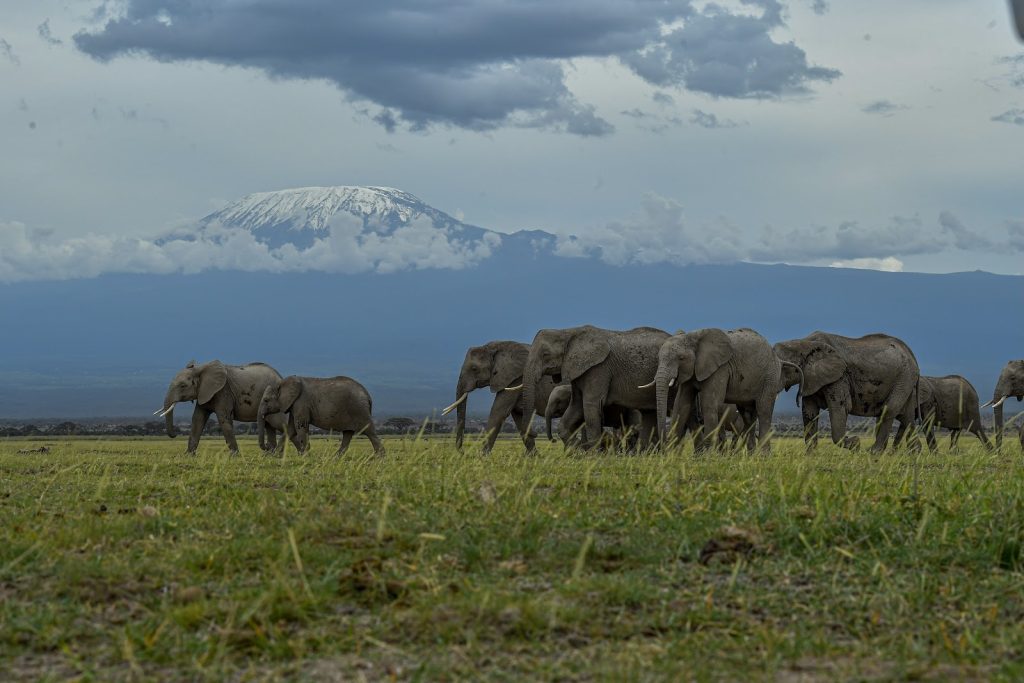
The lower forests hold elephants, buffalo, bushbuck, duikers and giant forest hogs, giving way to dense bamboo stands and then open moorland higher up — a vertical ecosystem shift that a flat savanna park simply cannot offer.
Over 300 Bird Species — including the rare Lammergeier
Birders come specifically for species like the rare Lammergeier (bearded vulture), African Goshawk and Baglafecht Weaver, alongside a strong supporting cast typical of Kenyan highland forest.
Genuinely Uncrowded — wilderness without the vehicle convoys
Mount Elgon receives a fraction of the visitors that the Mara or Amboseli see in a single morning, which means trails, caves and campsites feel like genuine wilderness rather than a scheduled stop on a well-worn circuit.
A Western Kenya Circuit Add-On — pairs naturally with Kitale-area attractions
Mount Elgon sits near Kitale in Trans-Nzoia County, making it a natural pairing with Saiwa Swamp National Park (Kenya’s smallest park, home to the sitatunga antelope) for travellers building a western Kenya itinerary beyond the standard southern circuit.
Mount Elgon National Park Facts
- Location: straddles the Kenya-Uganda border in Trans-Nzoia County, western Kenya, 140 km northeast of Lake Victoria.
- Size: the Kenyan portion covers 169 km²; the much larger Ugandan national park on the other side adds more than 1,100 km².
- Summit: the mountain’s highest point, Wagagai (4,321 m), is on the Ugandan side; Koitobos is the peak most often climbed from Kenya.
- Caldera: roughly 8 km across, one of the largest intact volcanic calderas in the world.
- Caves: four explorable lava-tube caves — Kitum, Making’eny, Chepnyalil, Kiptoro.
- Wildlife: elephants, buffalo, bushbuck, duikers, giant forest hogs, black-and-white colobus and over 300 bird species.
- Managed by: the Kenya Wildlife Service, which also issues entry and ranger services.
How to Get to Mount Elgon National Park
Mount Elgon National Park is a long way from Kenya’s classic safari circuit, so the journey deserves a little planning. The main entrance is Chorlim Gate on the eastern side of the mountain, reached from Kitale through farmland and the small town of Endebess.
By road from Nairobi
The drive from Nairobi to Kitale runs through Nakuru and Eldoret and usually takes a full day of seven to eight hours with stops. Most travellers break the journey with a night at Lake Nakuru or in Eldoret. From Kitale it is roughly 25 km to the gate, and a 4×4 is strongly advised for the park’s forest tracks, which turn muddy after rain.
By air via Eldoret
The quickest option is a domestic flight from Nairobi to Eldoret, which takes about an hour. From Eldoret it is roughly two hours by road to the park. We meet guests at the airport and drive them straight to the mountain, so a cave visit can start the same afternoon if flight times allow.
Things to Do in Mount Elgon National Park
Unlike most parks in Kenya, the best of Mount Elgon National Park is seen on foot with a ranger. These are the experiences we build a visit around.
Explore Kitum Cave in Mount Elgon National Park
Kitum is the headline. You walk in with a torch behind your guide, past fallen rock and bat roosts, to the chambers where elephants have scraped the walls. Sightings of elephants inside the cave are rare, as they tend to visit at night, but the tusk marks, dung and footprints make the story vivid.
Hike to Koitobos Peak
Koitobos is a flat-topped basalt peak on the caldera rim and the most popular summit hike from the Kenyan side. Fit walkers usually manage it in a long day from the upper road-head, though camping on the mountain allows a gentler pace. Expect cold mornings, alpine moorland with giant groundsels and lobelias, and wide views into the caldera.
Endebess Bluff and the Elephant Platform
Two easy viewpoints suit visitors with less time. Endebess Bluff is a rocky outcrop with sweeping views over the Trans-Nzoia farmland, while the Elephant Platform overlooks a forest clearing where elephants and buffalo sometimes come to feed.
Forest walks and birding
Guided walks through the montane forest of Mount Elgon National Park are excellent for black-and-white colobus, blue monkeys and forest birds. Early mornings are best for birdsong, and the bamboo zone is worth slowing down for. Bring binoculars, as the canopy is high and dense.
Where to Stay When Visiting Mount Elgon National Park
Accommodation here is simple, which is part of the appeal. Inside the park, the Kenya Wildlife Service runs basic self-catering bandas and public campsites, ideal for hikers who want an early start on the mountain. Bring your own food, as there are no restaurants inside the park.
Most of our guests prefer to stay in or near Kitale, where small hotels and guest houses offer hot water and meals, then drive to the gate each morning. If you are combining the mountain with Saiwa Swamp, Kitale works well as a base for both. We only recommend places we have checked recently, so ask us for current options.
Bandas on the Mountain or a Bed in Kitale?
Tell us how you like to travel and we will suggest the right base for the caves and the summit hike.
Best Time to Visit Mount Elgon National Park
Mount Elgon National Park lies in one of the wettest corners of Kenya, so timing matters more here than in the dry savanna parks.
| Months | Conditions | Good for |
|---|---|---|
| December to March | Driest period, clearer summit views | Koitobos hike, caves, photography |
| April to May | Heavy rain, muddy tracks | Lush forest, few visitors |
| June to November | Frequent afternoon showers | Morning cave visits and birding |
Whatever the month, plan cave visits and hikes for the morning. Afternoon storms build quickly on the mountain, and the upper tracks can become impassable for a few hours. For seasonal planning across the country, see our Kenya weather guide for safari.
Mount Elgon National Park Entrance Fees and Costs
Entry to Mount Elgon National Park is charged per person per day by the Kenya Wildlife Service, with lower rates for Kenyan citizens and residents than for international visitors. Like other KWS parks, fees are paid online through eCitizen rather than in cash at the gate. Smaller parks such as Elgon are generally cheaper than flagship parks like Amboseli or Nairobi, but rates change, so always check the current tariff on the Kenya Wildlife Service website before you travel.
On top of the entry fee, budget for a vehicle fee, camping or banda charges if you stay inside, and a ranger or guide for the caves and the summit. Our Kenya national parks entrance fees guide explains how the tiers work. When you book a tailor-made trip with us, every fee is built into one written quote.
Get Your Mount Elgon Trip Costed in Writing
Park fees, ranger, transport from Eldoret or Nairobi and your nights in Kitale — all in one clear quote.
Safety Tips for Mount Elgon National Park
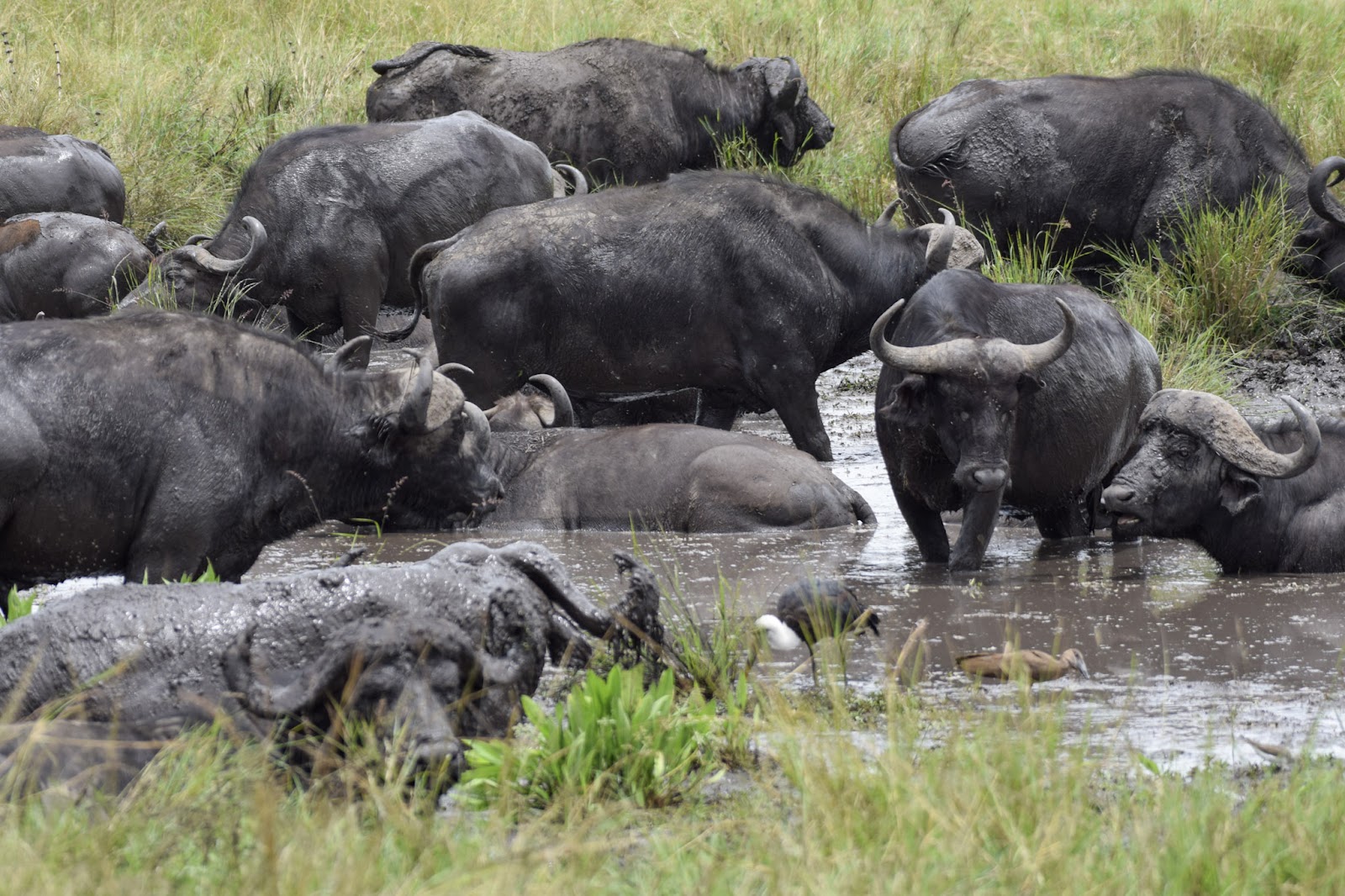
- Go with a ranger: buffalo and elephants use the same paths as hikers, so walk with an armed KWS ranger or experienced guide.
- Respect the caves: Kitum is home to large bat colonies. It was linked to two cases of Marburg virus in 1980 and 1987, so do not touch bats, walls or droppings, and follow your guide’s advice on face coverings.
- Prepare for altitude: the moorland sits above 3,500 m. Walk slowly, drink plenty of water and turn back if you feel unwell.
- Dress for cold and rain: pack a waterproof jacket, warm layers, a torch and boots with good grip.
- Check travel advice: read the latest GOV.UK travel advice for Kenya and the WHO Marburg fact sheet before cave visits.
A Sample 2-Day Mount Elgon Itinerary
Day 1: Eldoret to Mount Elgon National Park and Kitum Cave
Fly from Nairobi to Eldoret in the morning and drive to Chorlim Gate, the main entrance to Mount Elgon National Park. After a picnic lunch, walk to Kitum Cave and Making’eny Cave with a ranger, then visit the Elephant Platform in the late afternoon. Overnight in a park banda or in Kitale.
Day 2: Koitobos summit or forest walk
Start before dawn for the drive up the mountain and a guided hike to Koitobos Peak, with views across the caldera. Less keen hikers can choose a forest walk and Endebess Bluff instead. Return to Kitale or continue to Saiwa Swamp for sitatunga the next morning.
Pairing Mount Elgon With the Rest of Western Kenya
Mount Elgon combines naturally with Saiwa Swamp National Park for a genuine western Kenya circuit beyond the standard southern parks. Add the rainforest of Kakamega Forest National Reserve and you have a week of primates, birds and caves that few visitors ever see.
This is a custom, tailor-made itinerary rather than a fixed package — message us on WhatsApp and we’ll build the routing, permits and lodges around it specifically for your dates. For more quiet corners, browse our guide to the best hidden national parks in Kenya or the complete list of Kenya’s national parks and reserves. If you would rather pair Elgon with the big-game parks, see our private Kenya safari options.
Walk Into the Elephants’ Salt Cave
Kitum Cave, the Koitobos summit and Saiwa’s sitatunga, planned around your dates by a team that knows western Kenya. Send us a message or an email and we will reply with a draft route.
Or call +254 799 160 081
Frequently Asked Questions
What is Mount Elgon National Park known for?
Mount Elgon National Park is known for its salt-mining elephants, which walk deep into lava-tube caves like Kitum to gouge mineral salts from the rock walls with their tusks — a behaviour rarely seen elsewhere in East Africa — alongside one of the world’s largest intact volcanic calderas.
Can you go inside the caves at Mount Elgon?
Yes — Kitum, Making’eny, Chepnyalil and Kiptoro are all explorable with a park guide. Kitum is the most famous and reaches roughly 200 metres into the mountain, with visible tusk-scrape marks from salt-mining elephants. Bring a torch and avoid touching bats or cave walls.
How tall is Mount Elgon?
Mount Elgon rises to 4,321 metres (14,177 feet) at Wagagai, its highest summit, which lies on the Ugandan side. From Kenya, most hikers climb Koitobos Peak on the rim of the caldera, roughly 8 km across and one of the largest intact calderas in the world.
Is Mount Elgon National Park crowded with tourists?
No — Mount Elgon receives far fewer visitors than Kenya’s major southern parks, making it a genuinely uncrowded destination for travellers wanting real wilderness rather than a busy, well-worn safari circuit. On many days you may have the caves and trails almost to yourself.
Where is Mount Elgon National Park located?
Mount Elgon National Park is located in Trans-Nzoia County in western Kenya, straddling the border with Uganda, roughly 140 km northeast of Lake Victoria and about 25 km from the town of Kitale, which is the usual base for visitors.
How many days do you need in Mount Elgon National Park?
One full day is enough to explore Kitum and Making’eny caves and visit a viewpoint. Allow two or three days if you want to hike Koitobos Peak, walk in the forest and add nearby Saiwa Swamp National Park, as travel times in western Kenya are long.
Will I see elephants inside Kitum Cave?
Probably not. The elephants usually enter the caves at night, so daytime visitors mostly see fresh tusk marks, footprints and dung rather than the animals themselves. Elephants are shy on Mount Elgon, and sightings in the forest are a bonus rather than an expectation.
Is Mount Elgon National Park safe to visit?
Yes, when visited with a KWS ranger or experienced guide. The main risks are buffalo on forest paths, cold weather and altitude on the summit hike. In the caves, avoid touching bats or walls. Check current travel advice for the border area before you go.