

A Lake Nakuru safari is one of the easiest and most rewarding wildlife trips from Nairobi. Lake Nakuru National Park is a compact rhino sanctuary around a shallow soda lake, home to black and white rhinos, Rothschild’s giraffes, lions, leopards and, when water levels allow, flocks of flamingos. It sits in the Great Rift Valley, about three to four hours from Nairobi, so it works as a short private trip or as a stop between Nairobi and the Masai Mara.
Why Go on a Lake Nakuru Safari?
The park covers roughly 190 square kilometres, so animals are never far away and a single game drive can show you a lot. It is fenced as a sanctuary, which helps protect its rhinos, and the landscape changes from lakeshore to acacia woodland to rocky cliffs and viewpoints.
- Rhinos: both black and white rhinos, with excellent chances of a sighting.
- Rothschild’s giraffes: one of the world’s rarest giraffe subspecies.
- Flamingos and birds: flamingo numbers change with the water level, and the park has over 400 bird species.
- Big cats: lions and leopards, often resting in the acacia woodland.
- Viewpoints: Baboon Cliff and Lion Hill give wide views across the lake.
Lake Nakuru Safari From Nairobi: Itineraries
Most guests visit Lake Nakuru for one night, either on its own or as part of a longer route. These trips include the park, and we can also build a private Lake Nakuru trip to your dates.
| Trip | Length | From |
|---|---|---|
| Masai Mara & Lake Nakuru Camping Safari | 4 days | USD 590 |
| Lake Naivasha Family Safari: Hell’s Gate & Lake Nakuru | 4 days | USD 780 |
| Kenya Group Safari: Mara, Nakuru & Naivasha | 6 days | USD 1,390 |
| Kenya Highlights Safari: Samburu, Ol Pejeta, Nakuru & Mara | 9 days | USD 2,350 |
Prices are per person sharing. Compare more routes on our Kenya safari packages page.
How to Get to Lake Nakuru National Park
Lake Nakuru is about 160 kilometres north-west of Nairobi, a drive of three to four hours that crosses the Rift Valley escarpment with a scenic viewpoint. Most guests pair it with Lake Naivasha or continue on to the Masai Mara the next day, which makes it a natural first stop on a longer private safari.
Best Time for a Lake Nakuru Safari
Lake Nakuru can be visited year-round. The dry months from June to October and January to February have the easiest wildlife viewing and the best road conditions. Flamingo numbers depend on the lake’s water level and algae growth rather than the season, so we cannot promise them; your guide will tell you what to expect on the day. The rains from March to May mean fewer visitors and green scenery.
How Long Should You Stay at Lake Nakuru?
One night with an afternoon and a morning game drive is enough to see most of the park. A day trip from Nairobi is possible but means around seven hours of driving, so we usually suggest an overnight stay, ideally combined with the Masai Mara safari or Lake Naivasha.
What Wildlife Will You See on a Lake Nakuru Safari?
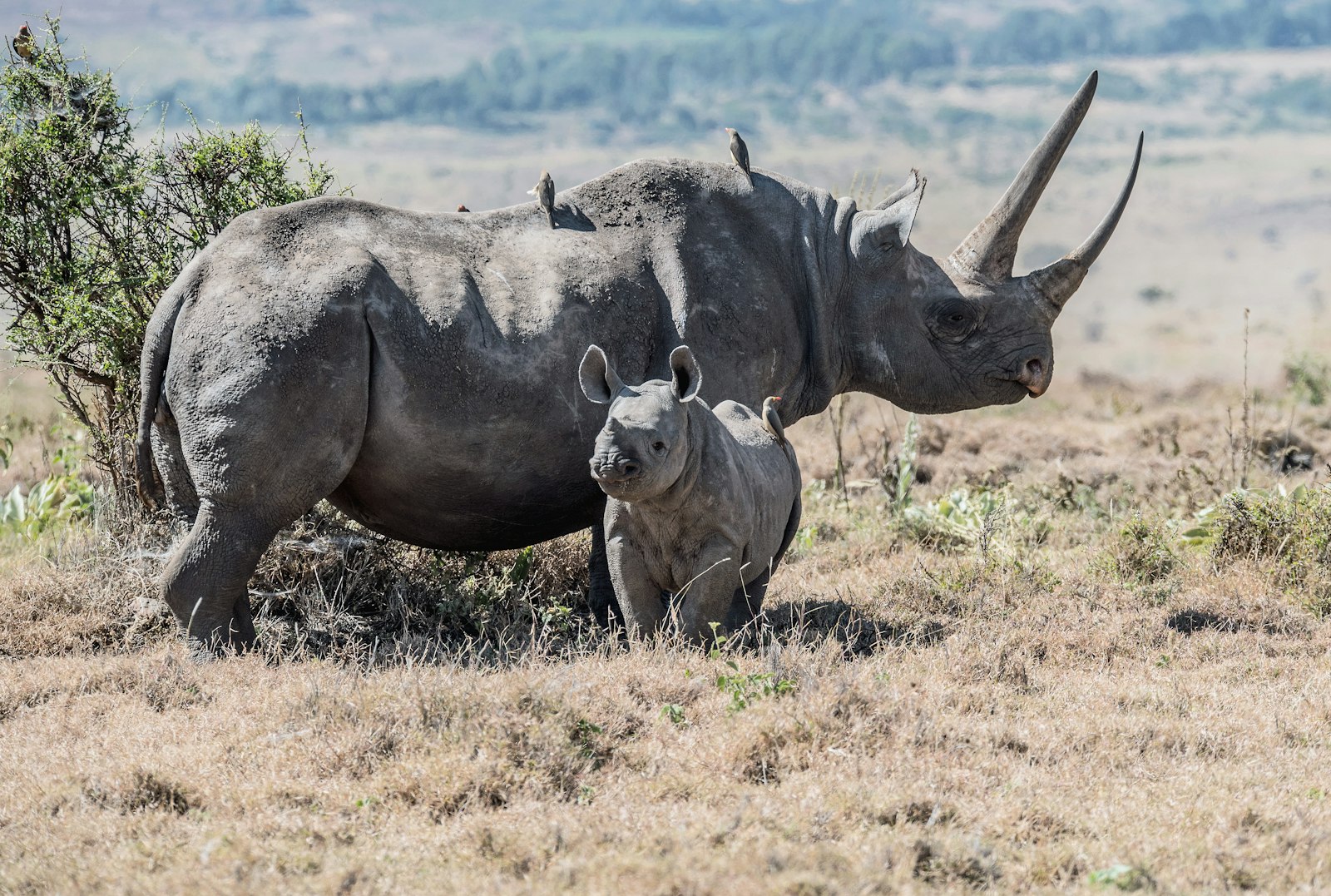
Rhinos are the main reason many guests come. Lake Nakuru protects both black rhinos and the larger white rhinos, and because the park is relatively small and the animals are well monitored, sightings are common on a game drive. White rhinos graze on the open grassland in small groups, while black rhinos prefer thicker bush and are more cautious, so your guide will check the likely spots at the start of each drive.
The park also has a healthy population of Rothschild’s giraffes, which were moved here to protect them and are easy to recognise by their pale, almost white lower legs and lack of markings below the knee. Buffalo, waterbuck, impala, Thomson’s gazelles, zebras, warthogs and troops of olive baboons are common. Lions and leopards live in the acacia woodland, and the leopard in particular is a rewarding find for patient observers. Pythons are sometimes seen in the trees, and hippos and otters live along the lakeshore and rivers.
Flamingos and Birdlife at Lake Nakuru
Lake Nakuru is a shallow, alkaline soda lake whose water supports huge blooms of blue-green algae. That algae feeds lesser flamingos, which can turn the shoreline pink when they gather in their thousands. Flamingo numbers are not guaranteed: they move between Rift Valley lakes depending on water levels, salinity and food, and in some years the birds are far fewer. Even when the flamingos are away, you can usually see great white pelicans, African spoonbills, Egyptian geese, fish eagles, kingfishers and hundreds of other bird species in and around the park.
The Best Viewpoints and Sights in Lake Nakuru National Park
- Baboon Cliff: a high lookout over the lake and flamingo flocks, and one of the best photo stops in the park.
- Lion Hill and the Out of Africa lookout: wide views across the lake basin, the woodland and the surrounding hills.
- Makalia Falls: a pretty waterfall and picnic area on the southern side of the park, with a chance of birds and monkeys.
- The euphorbia forest and acacia woodland: shady areas where leopards and lions rest in the heat.
A Sample Lake Nakuru Safari Itinerary
Here is how a typical two-day private Lake Nakuru safari from Nairobi runs. We can build the same route into a longer trip.
- Day 1, Nairobi to Lake Nakuru: an early pick-up and a drive through the Rift Valley with a stop at the escarpment viewpoint. After lunch you enter the park for a long afternoon game drive, with stops at Baboon Cliff and the lakeshore. Dinner and overnight at your lodge.
- Day 2, morning game drive and return: a sunrise drive when rhinos and big cats are most active, breakfast, then a last drive before leaving the park. You return to Nairobi in the afternoon, or continue on to Lake Naivasha or the Masai Mara.
Lake Nakuru or Lake Naivasha: Which Is Better?
The two lakes are close but offer different experiences. Lake Nakuru is a national park with rhinos, giraffes, big cats and flamingos and is the better choice for game drives. Lake Naivasha is a freshwater lake with hippo boat rides, cycling and walking at nearby Hell’s Gate, and is more relaxed and active. Many private itineraries visit both, which is how our Lake Naivasha family safari with Hell’s Gate and Lake Nakuru works.
How Much Does a Lake Nakuru Safari Cost?
Lake Nakuru is one of the more affordable parks to visit because it is close to Nairobi. A multi-day trip that includes the park, such as our four-day Masai Mara and Lake Nakuru camping safari, starts from USD 590 per person, while our four-day family safari with Hell’s Gate starts from USD 780 per person. Longer mid-range routes that combine the Mara, Nakuru and Naivasha start from USD 1,390 for six days. A private one- or two-night trip to Nakuru alone can be quoted on request and varies with the lodge, group size and season.
Every quote includes the private vehicle, driver-guide, park fees, meals and accommodation as listed. Flights, the Kenya eTA, insurance, tips and drinks are extra. Prices are generally highest during the school holidays and from July to October, and lowest in April and May.
Where to Stay Near Lake Nakuru National Park
Accommodation ranges from simple camps and budget hotels in Nakuru town to comfortable lodges inside and beside the park, some with views over the lake and swimming pools for the afternoon heat. Staying in or beside the park saves time and puts you at the gate for sunrise. Browse our Kenya lodges and camps and we will recommend the best match for your budget and group.
Photography Tips for a Lake Nakuru Safari
Lake Nakuru’s compact size makes it a good place to practise safari photography. The low sun at dawn and dusk gives soft, warm light on rhinos and giraffes, and the lakeshore offers reflections when the water is calm. Use a telephoto lens of 200 mm or longer for flamingos and birds, and a wide lens for the landscape from Baboon Cliff. Ask your guide to stay at a respectful distance from rhinos, and do not use flash.
A Lake Nakuru Safari for Birdwatchers
Birders find Lake Nakuru rewarding because so many habitats sit close together: open water, mudflats, grassland, acacia woodland and rocky cliffs. In a single morning you can look for pelicans and storks on the lake, raptors over the escarpment and colourful woodland birds such as barbets and sunbirds. Bring a field guide or ask your driver-guide to identify species as you go, and plan a slow drive along the shoreline for the best views.
Rhino Conservation at Lake Nakuru
Lake Nakuru National Park is managed by the Kenya Wildlife Service and is fenced as a sanctuary, which helps rangers monitor and protect its rhinos. Visiting supports that work through park fees, and following your guide’s advice helps too: keep your voice low, stay inside the vehicle, never leave litter and keep a respectful distance from every animal. You can read more about conservation in Kenya on the Kenya Wildlife Service website.
Lake Nakuru Safari Tips From Our Guides
- Arrive in time for an afternoon drive on day one, since the light is gentle and animals are active.
- Do the first game drive of the second day at sunrise, when rhinos and big cats are easiest to find.
- Stop at Baboon Cliff early in the day for clearer views across the lake.
- Keep your windows and roof closed around baboons and do not feed any animals.
- Ask us about adding Lake Naivasha and Hell’s Gate if you want walking and cycling on the same trip.
Is a Lake Nakuru Safari Good for Families?
Yes. The short drive from Nairobi, the open grassland and the high chance of seeing rhinos and giraffes make it a good first safari for children. Game drives can be short, and lodges often have pools. For more ideas, see our Kenya family safari packages.
What to Pack for a Lake Nakuru Safari
- Neutral, lightweight clothing with long sleeves and a warm layer for cool mornings and evenings.
- A hat, sunglasses and sunscreen, because the Rift Valley sun is strong.
- Binoculars for birds and a camera with a zoom lens.
- Closed shoes for walking around viewpoints and a light rain jacket in the rainy months.
- Insect repellent and any personal medication.
Combining Lake Nakuru With Other Parks
Lake Nakuru fits neatly between Nairobi and the Masai Mara, so many guests add it on the way. A common route runs Nairobi, Lake Nakuru, the Masai Mara and back, with a night at Naivasha if you want a gentler pace. You can also link it to Samburu and Ol Pejeta for a rhino-focused journey, as in our Samburu safari routes. See the full list of Kenya safari packages for ready-made options.
How to Book Your Lake Nakuru Safari
- Send us your dates, group size and budget by WhatsApp or email.
- We reply with a written, itemised quote and lodge options.
- A deposit secures your lodge and vehicle, and we send final documents and packing advice.
- Your driver-guide meets you in Nairobi and looks after you throughout the trip.
A Lake Nakuru safari is short, scenic and full of wildlife, which makes it one of the best value additions to any Kenya itinerary.
More Questions About a Lake Nakuru Safari
What is the best time of year for Lake Nakuru?
June to October and January to February are driest, with the easiest wildlife viewing and the best roads. The park is also rewarding in the green season, with fewer visitors and lower prices, though some tracks can be muddy after heavy rain.
Is Lake Nakuru a Big Five park?
Lake Nakuru has black and white rhinos, buffalo, lions and leopards, but elephants are not resident in large numbers, so it is not a full Big Five park. It is best combined with the Masai Mara or Samburu if you want to see all five.
How many hours do you need for Lake Nakuru?
A game drive that covers the lakeshore, the woodland and the main viewpoints takes about four to six hours. Most guests do an afternoon drive on arrival and a short morning drive the next day.
Can you walk in Lake Nakuru National Park?
Walking is limited because of the rhinos and big cats. Guests usually step out only at designated viewpoints and picnic sites with a ranger or guide. For walking and cycling, combine your trip with Hell’s Gate near Lake Naivasha.
Is Lake Nakuru better than the Masai Mara?
They suit different goals. Nakuru is closer, cheaper and better for rhinos and birds, while the Mara offers bigger predator populations and the Great Migration. Most guests visit both on the same trip.
Tell us your dates and we will build a Lake Nakuru safari, on its own or as part of a longer Kenya route.
What Our Lake Nakuru Safari Includes
- Private 4×4 Land Cruiser with pop-up roof and a window seat for every guest
- Professional English-speaking driver-guide
- Accommodation and meals as listed on each trip
- Lake Nakuru National Park entry fees as listed
- Hotel or airport pick-up in Nairobi and bottled water
- Complimentary AMREF Flying Doctors evacuation cover
Plan Your Lake Nakuru Safari
Send your dates and we reply with a written quote.
WhatsApp +254 799 160 081 Email UsIs Lake Nakuru worth visiting?
Yes. It is one of Kenya’s best places to see black and white rhinos, Rothschild’s giraffes and birdlife, and it is close to Nairobi.
How far is Lake Nakuru from Nairobi?
About 160 kilometres, or three to four hours by road.
Will I see flamingos at Lake Nakuru?
Often, but not always. Flamingo numbers change with the water level and algae, so sightings cannot be guaranteed.
Can I see rhinos at Lake Nakuru?
Very likely. The park is a rhino sanctuary with both black and white rhinos, and most guests see at least one.
Can I do Lake Nakuru as a day trip from Nairobi?
It is possible, but it involves around seven hours of driving. One night is far more relaxed and lets you add an evening and morning game drive.
Explore More Kenya Safari Destinations
Official resources: Kenya Wildlife Service and Magical Kenya.