

A Masai Mara camping safari is the most affordable way to enjoy real game drives in Kenya’s most famous reserve. This four-day trip sleeps you in permanent tented campsites with proper beds, feeds you with freshly cooked camp meals and takes you out in a 4×4 safari vehicle with a pop-up roof. It also adds a visit to Lake Nakuru National Park for rhinos, and the price starts from USD 590 per adult sharing.
Why Choose a Masai Mara Camping Safari?
The animals do not know whether you are sleeping in a lodge or a tent. The game drives, the scenery and the wildlife are the same, and the difference is mainly comfort and price. A Masai Mara camping safari strips away the extras so that more of your budget goes into what matters: time in the reserve with a good guide.
This Masai Mara camping safari is built for travellers who want a genuine safari without a luxury bill. It suits students, backpackers, solo travellers and small groups, and it works well for anyone who enjoys a simple, social style of travel.
- Great value: park entry fees, meals, camping and transport are all in one price.
- Real game viewing: a full day in the Masai Mara plus an afternoon at Lake Nakuru.
- Comfort where it counts: permanent tents with beds, hot showers and a camp cook.
- Easy for solo travellers: join a set departure and share the cost of the vehicle.
- Short and simple: three nights is enough to taste the Mara without a long holiday.
Masai Mara Camping Safari at a Glance
- Duration: 4 days and 3 nights
- Route: Nairobi, Masai Mara, Lake Nakuru, Nairobi
- Accommodation: permanent tented campsites, 3 nights
- Meals: all meals on safari, cooked fresh by a camp cook
- Vehicle: 4×4 safari vehicle with a pop-up roof, shared on joining departures
- Guide: English-speaking driver-guide
- Price: from USD 590 per adult sharing
Day-by-Day Masai Mara Camping Safari Itinerary
Day 1: Nairobi to the Masai Mara
You leave Nairobi in the morning and stop at the Great Rift Valley viewpoint, where the land drops away into a vast escarpment. The drive continues west and then south-west, and the road is long, so a good start is important. You arrive at your campsite on the edge of the reserve in time for lunch, settle into your tent and meet your camp crew.
In the afternoon you head out on your first game drive in the Masai Mara National Reserve. The light is soft, animals are becoming active again and the open plains are at their best. Dinner is served at camp, and you can expect a quiet night with the sounds of the savannah around you.
Day 2: A full day in the Masai Mara
This is the heart of the trip. You spend the whole day in the reserve with a picnic lunch, searching for lions, cheetahs, elephants and many other species. From July to October the Great Migration is usually in the Mara, and with luck you may see wildebeest and zebra massing near the Mara River. Our Masai Mara safari page explains the reserve in more detail.
If you would like to meet the local community, an optional Maasai village visit can be arranged at sunset. Back at camp, the cook prepares a hot dinner and you can swap sightings around the fire.
Day 3: Masai Mara to Lake Nakuru
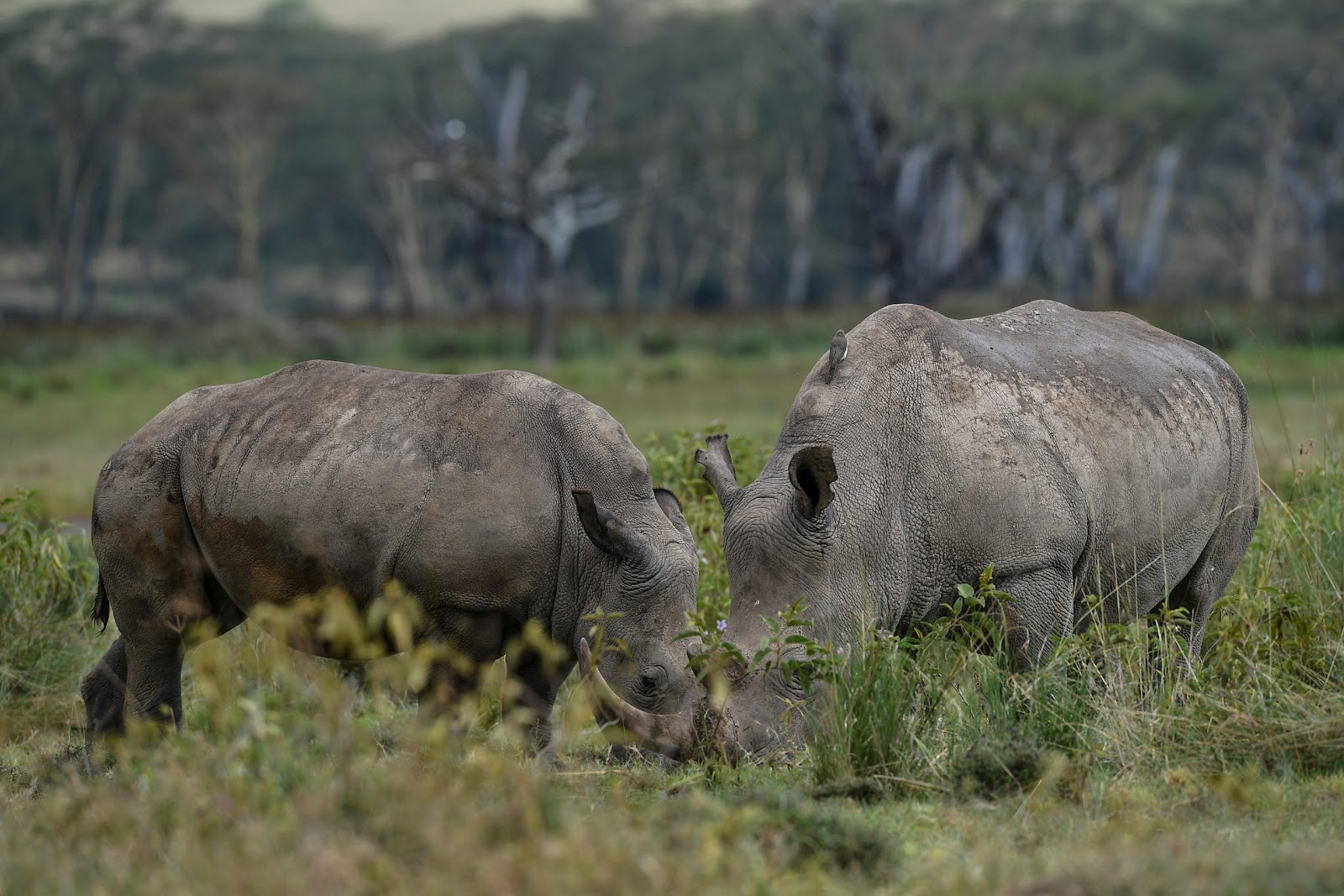
You begin with an early game drive in the Mara, when predators are still on the move, and then drive to Lake Nakuru National Park. The afternoon game drive looks for white and black rhinos, Rothschild’s giraffes and the lions that sometimes climb into trees. Lake Nakuru is small, scenic and packed with wildlife, and it is one of the best places in Kenya to see rhinos. Read our Lake Nakuru safari guide for more.
Day 4: Lake Nakuru to Nairobi
A short morning game drive or a visit to the Baboon Cliff viewpoint gives you a last look at the lake. You then drive back to Nairobi and arrive by early afternoon, in time for onward flights or a free evening in the city.
Wildlife on a Masai Mara Camping Safari
Two very different parks in four days means a wide range of animals. Here is what to look for in each.
The Masai Mara: big cats and plains game
The Mara is known for its predators. Lions live in prides across the reserve, cheetahs use termite mounds and low rises to scan for prey, and leopards rest in riverside trees. Herds of zebra, topi, impala, giraffe and buffalo graze on the plains, and elephants move through the woodland. Between July and October, huge herds of wildebeest arrive from the Serengeti.
Lake Nakuru: rhinos and birdlife
Lake Nakuru is a rhino sanctuary within a national park, so sightings are common. You also look for Rothschild’s giraffes, buffalo, waterbucks and the park’s tree-climbing lions. The lake is a haven for birds, and pelicans and flamingos are often seen along the shore, although numbers vary with water levels.
What Camping Is Really Like on This Trip
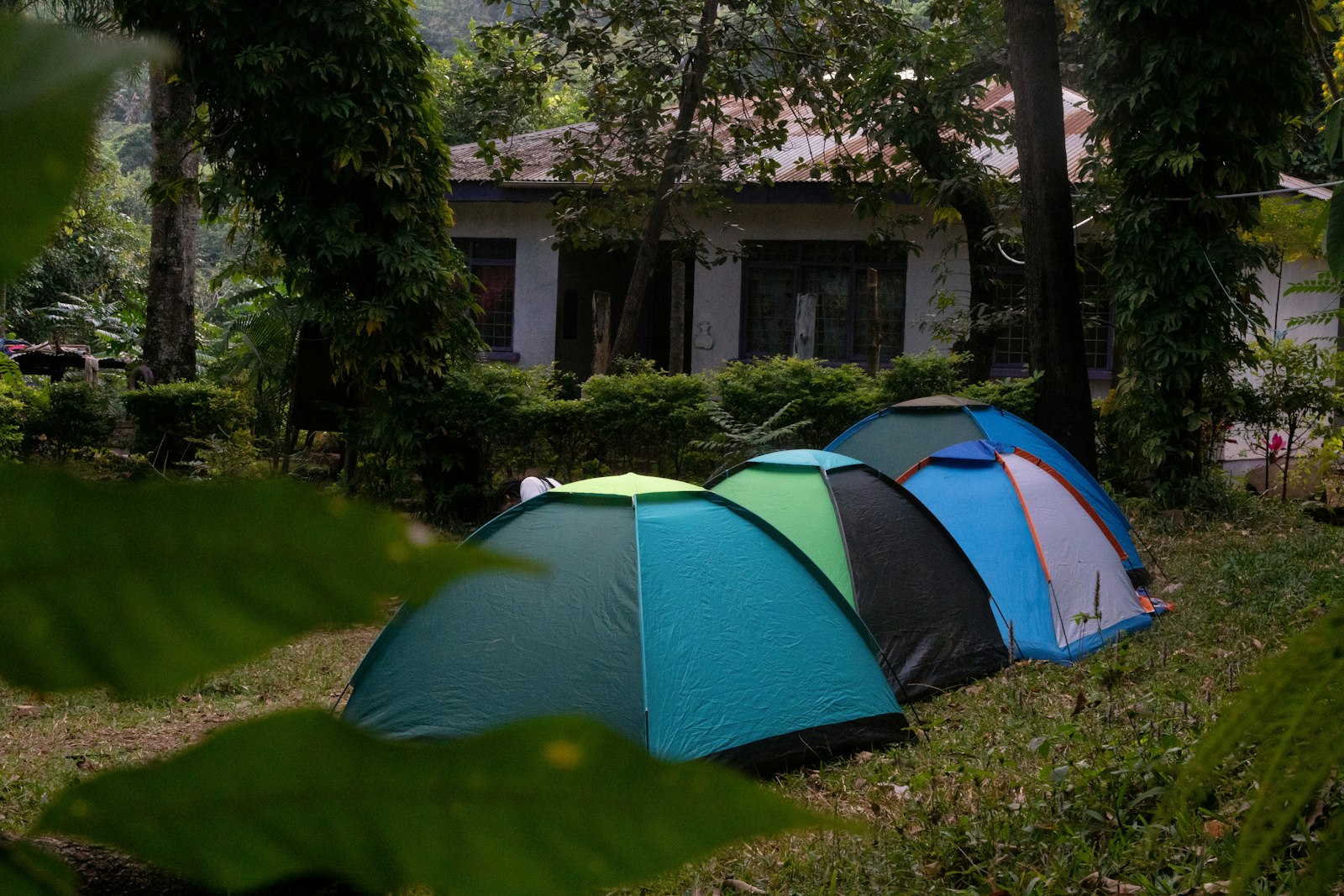
Many travellers imagine a thin tent on the ground. A Masai Mara camping safari with us is different. You sleep in permanent walk-in tents with beds and bedding, at campsites on the edge of the reserve. Facilities are either en-suite or shared, and most campsites offer hot showers. A camp cook prepares breakfast, a picnic lunch and dinner using fresh ingredients.
- Tents: walk-in canvas tents with beds, not sleeping mats on the ground.
- Bathrooms: en-suite or shared, depending on the campsite.
- Food: hearty, freshly cooked meals, with a picnic lunch on the full Mara day.
- Security: campsites are run by experienced staff, often with night guards.
- Atmosphere: simple, friendly and sociable, with evenings around the fire.
If you prefer a bit more comfort later, our Kenya safari packages include lodge and luxury camp options for every budget. You can also browse the lodges and camps in Kenya to compare styles.
Best Time for a Masai Mara Camping Safari
The Masai Mara camping safari runs all year, and wildlife is excellent in every season. The dry months from late June to October and from January to February are the best for game viewing, because grass is shorter and animals gather near water. The Great Migration is usually in the Mara from July to October.
- January to February: hot and dry, with good sightings and fewer visitors.
- March to May: the long rains bring green scenery and lower prices, with some muddy tracks.
- June to October: peak season, with the Great Migration and the clearest skies.
- November to December: short rains, fresh landscapes and good birding.
Nights can be cool on the plains, particularly in the dry season, so bring a warm layer even in summer.
How Much Does a Masai Mara Camping Safari Cost?
This Masai Mara camping safari starts from USD 590 per adult sharing. The final price depends on the season, the campsite, the size of your group and whether you join a set departure or travel privately. On a joining departure you share the vehicle with other guests, which keeps the cost low. Park fees are included, so there are no surprises at the gate. For a broader look at budgets, see how much an African safari costs.
What Is Included and Not Included
- 4×4 safari vehicle with a pop-up roof (shared with other guests on joining departures)
- English-speaking driver-guide
- 3 nights in permanent tented campsites
- All meals on safari
- Park entry fees
- Bottled drinking water
Not included: international flights, the Kenya eTA (from USD 30 per person, depending on the application type), travel insurance, tips and gratuities, drinks and personal expenses, and optional activities not listed as included.
A Typical Day on a Masai Mara Camping Safari
Days follow the rhythm of the animals. Wake-up is early, often around dawn, with tea or coffee at camp before you climb into the vehicle. The morning game drive is the most active time, because predators are finishing their night’s hunting and herds are on the move. By late morning it warms up and animals rest in the shade, so you return to camp or take a picnic breakfast out in the bush.
After lunch you can relax, write postcards or simply watch the plains from your camp. The afternoon game drive begins when the heat eases and the light turns golden, and it usually ends close to sunset. Dinner is served at camp, followed by an early night. This steady pattern means you see a great deal without feeling rushed.
Who Is This Masai Mara Camping Safari For?
This trip is ideal if you want to see the Mara on a modest budget and do not mind simple facilities. It is popular with students, backpackers and budget travellers, and with small groups of friends who prefer to spend their money on experiences rather than rooms. It is also a good choice for solo travellers, because you can join a set departure rather than pay for a private vehicle alone.
It may be less suitable if you need private bathrooms at every stop, a quiet room away from the group or a very slow pace. In that case, a lodge-based itinerary on our Kenya safari packages page may suit you better. Travellers who want a longer holiday can also combine this trip with a beach stay on the coast.
Getting There and Driving Times
The Masai Mara is a long drive from Nairobi, usually around five to six hours depending on traffic and road conditions, with a stop at the Rift Valley viewpoint. That is why this trip leaves early on day one and why the full day in the reserve is so valuable. Between the Mara and Lake Nakuru there is another long drive on day three, so it helps to bring a book, a charged phone and snacks. The scenery on the way is a pleasure in itself, with highland farms, small towns and Maasai herders along the road.
Photography on a Masai Mara Camping Safari
On a Masai Mara camping safari the pop-up roof gives you a raised, unobstructed view for photographs, and every guest has a window position. A lens of 200 to 400 mm suits most wildlife, while a wide lens helps with open skies and campsite scenes. The best light is in the early morning and late afternoon. Bring spare batteries and memory cards, since there may be limited charging at camp, and a bean bag or small cushion helps to steady a long lens on the window frame.
What to Pack for a Masai Mara Camping Safari
- Lightweight clothes in neutral colours, plus a fleece or jacket for cool mornings and evenings.
- A wide-brimmed hat, sunglasses and high-factor sunscreen.
- Closed, comfortable shoes and a pair of sandals for camp.
- A head torch or small flashlight for walking around camp at night.
- Binoculars, a camera and a power bank.
- Insect repellent and any malaria prevention advised by your doctor.
- A towel and toiletries, and a soft-sided bag that fits easily in the vehicle.
Visas, Health and Safety
Most visitors need a Kenya eTA before arrival, so apply online ahead of your trip and check the latest rules for your nationality. Malaria is present in parts of Kenya, so speak to your doctor, and take out travel insurance that covers medical evacuation. Your guide briefs you on simple safety rules at camp, and you should never walk outside the camp alone at night. For official information, visit the Kenya Wildlife Service and Magical Kenya.
Masai Mara Camping Safari FAQs
What are the tents like on a Masai Mara camping safari?
You sleep in permanent walk-in tents with proper beds and bedding, not on the ground. Most campsites have hot showers, either en-suite or shared.
Is a camping safari safe?
Yes. Campsites are run by experienced staff, often with night guards, and you never walk outside the camp alone at night. Your guide briefs you on simple safety rules.
Can solo travellers join this camping safari?
Yes. Solo travellers can join set departures and share the vehicle with other guests, which keeps the cost down. Private departures are also available.
What is the difference between camping and a lodge safari?
The game drives are the same. The difference is comfort and price: camping is simpler and cheaper, while lodges and luxury tented camps offer more space and service. If you want something between the two, ask about our 3 day Masai Mara safari.
When is the best time for a Masai Mara camping safari?
The dry months, from late June to October and January to February, are best. The Great Migration is usually in the Mara from July to October.
Book Your Masai Mara Camping Safari
Send us your dates and group size by WhatsApp or email, and we will confirm availability and send a written quote. A deposit secures your place, and we share final documents and a packing list before you travel. You can compare more trips on our Kenya safari packages page, or ask about a private departure if you would rather travel with your own group.
Travelling from abroad? See our packages for travellers from India, Malaysia, the USA, the UK and Australia.
Overview
Our Masai Mara camping safari is designed for travellers who want real game drives on a modest budget. You sleep in permanent tents with beds and shared or en-suite facilities at campsites on the edge of the reserve, and a camp cook prepares fresh meals.
Three nights give you a full day in the Masai Mara and a visit to Lake Nakuru National Park for rhinos. You travel in a 4×4 safari vehicle with pop-up roof, and solo travellers can join other guests to share costs.
Best for: Budget / small group. Popular with: Students, backpackers and budget travellers from the UK, Germany, the Netherlands, Spain and Poland. Best time: Year-round.
Price is from USD 590 per adult sharing; the final cost depends on season, accommodation and group size.
Plan your trip
Our guides: Mobile Camping Safari Kenya, Best Budget Safari Camps in Kenya and Solo Travel in the Masai Mara.
Official information: Kenya Wildlife Service (park rules and fees); apply for your Kenya eTA on the official government site.
Ready to go? Book this trip on WhatsApp and we’ll take it from there.
Highlights
- Great value Masai Mara game drives
- Lake Nakuru's rhinos and birdlife
- Permanent tented campsites with beds
- Freshly cooked meals by a camp cook
- Ideal for students and solo travellers


