

A Samburu safari Kenya trip takes you north of Mount Kenya into a hot, dry, dramatic landscape that feels very different from the Masai Mara. Samburu National Reserve lies on the Ewaso Ng’iro river, which draws big elephant herds, lions, leopards and a group of rare northern species found nowhere else on a southern safari. Sense of Adventure, a licensed safari company based in Nairobi, builds private Samburu itineraries in your own 4×4 Land Cruiser with a dedicated driver-guide.
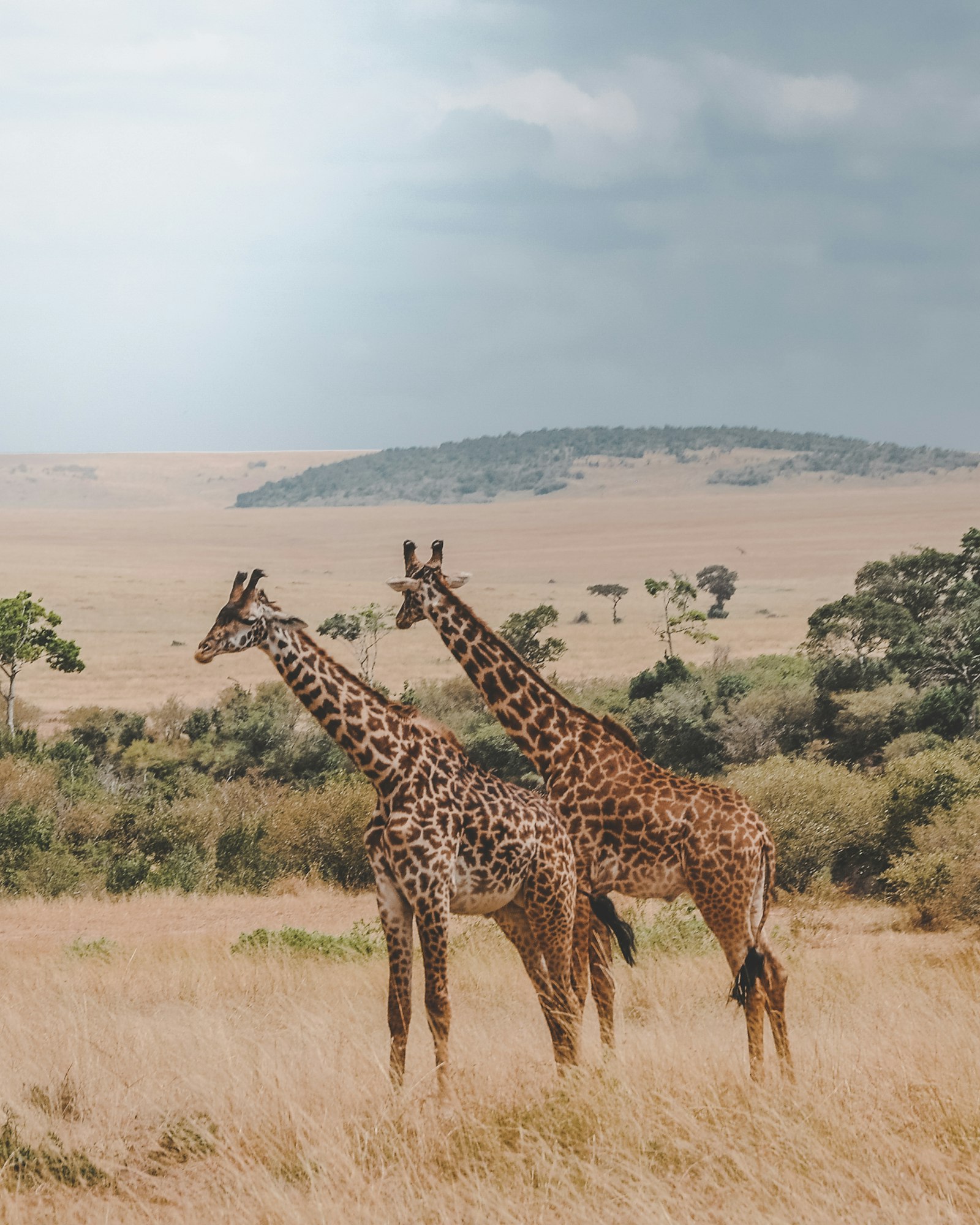
Why Go on a Samburu Safari?
Samburu sits alongside Buffalo Springs and Shaba reserves in a semi-arid region where life clings to the river. That concentrates wildlife and gives excellent photography, with fewer vehicles than the Mara. It is also the home of the Samburu people, whose culture is closely related to the Maasai.
- The Samburu Special Five: reticulated giraffe, Grevy’s zebra, Beisa oryx, Somali ostrich and gerenuk.
- Elephants: large herds that come to the river to drink and bathe.
- Big cats: lions, leopards and cheetahs, with leopards often seen in riverside trees.
- Birds and crocodiles: the river holds Nile crocodiles and many dry-country birds.
- Culture: village visits with Samburu communities can be arranged.
Samburu Safari Packages and Routes
Samburu is best combined with other regions, because the drive north is long. These are the routes we run most often. Prices are per person sharing, and we tailor each one.
| Trip | Length | From |
|---|---|---|
| Kenya Highlights Safari: Samburu, Ol Pejeta, Nakuru & Mara | 9 days | USD 2,350 |
| 15 Day Kenya Safari & Beach | 15 days | USD 3,950 |
| 14 Day Kenya Grand Slam Signature Safari | 14 days | USD 4,650 |
Looking for a premium itinerary? See the 10-day luxury safari through Samburu, Solio, Nakuru and the Masai Mara, the 8-day luxury Big Five safari or our luxury Kenya safari collection.
How to Get to Samburu
Samburu is about 350 kilometres north of Nairobi, a drive of roughly five to six hours via Nanyuki and Isiolo. Many guests break the journey at Ol Pejeta Conservancy or fly from Wilson Airport to a nearby airstrip, which saves most of a day.
Best Time for a Samburu Safari
The dry seasons from June to October and January to February are best, when animals stay close to the river and roads are firm. Days are hot and nights cool, so pack light layers and sun protection. The rains in March to May and November bring green landscapes and fewer visitors but some muddy tracks.
Where to Stay in Samburu
Camps range from comfortable tented camps on the riverbank to exclusive lodges in private conservancies around the reserve, some with walking safaris and cultural visits. Browse our Kenya lodges and camps and ask us for the best fit for your budget and dates.
What Wildlife Will You See on a Samburu Safari?
Samburu’s wildlife is concentrated along the Ewaso Ng’iro river, so game drives follow its banks and the open plains beyond. Elephants are the most visible animals: family herds come down to drink and bathe in the afternoon, and bulls and calves can be watched at very close range. Your guide will often recognise individual families and can tell you about their history.
Predators are also good here. Lions live along the river and in the surrounding scrub, leopards are often seen draped in acacia trees, and cheetahs hunt on the open ground. The Samburu Special Five are the highlight for many keen wildlife watchers. The reticulated giraffe has a bold, network-style pattern; Grevy’s zebra has narrow stripes and large round ears and is the rarest zebra in the world; the Beisa oryx has long, straight horns; the Somali ostrich has blue-grey legs and neck; and the gerenuk is a slim antelope that stands on its hind legs to browse.
Samburu, Buffalo Springs and Shaba Explained
Samburu National Reserve lies on the north bank of the Ewaso Ng’iro, and Buffalo Springs National Reserve is directly across the river. The two reserves are managed together and share the same wildlife, so most visits cover both. A little further east lies Shaba National Reserve, wilder and less visited, with rocky hills, springs and the old home of Joy Adamson, the author of Born Free. Beyond the reserves, community conservancies protect the wider ecosystem and offer walking safaris and night drives that are not allowed inside the parks.
Meeting the Samburu People
The Samburu are semi-nomadic pastoralists, closely related to the Maasai, and their red-and-blue clothing, beadwork and songs are part of the character of the region. Cultural visits let you learn about herding, livestock, traditional medicine and life in a manyatta, or homestead. We arrange visits with families and community groups who benefit directly from the income, and we brief guests on respectful behaviour and photography beforehand.
Game Drives, Walks and Night Drives Around Samburu
Inside the national reserves, wildlife viewing is done from the vehicle, with morning and afternoon game drives along the river and across the open plains. In the community conservancies that surround the reserves, the rules are different, and many camps offer guided bush walks, night game drives and sundowners on the riverbank. Walking with a Samburu guide is a good way to learn about tracks, plants and small animals that are easy to miss from a vehicle, and a night drive can turn up species such as aardwolves, bat-eared foxes and genets.
Is Samburu Right for a First Safari?
Samburu can work well as a first safari if you are comfortable with a longer journey and warm weather. It is quieter than the Masai Mara, the animals are used to vehicles, and the riverbank makes sightings easy to plan. Most first-time guests choose a route that begins in the south and works north, so that the first days are shorter and the trip builds gradually. If you have only one week, ask us about combining Samburu with Ol Pejeta and the Masai Mara, or about flying in to save time.
Samburu Safari Tips From Our Guides
- Spend the hottest hours at camp and head out again when the light softens, because animals and photographers both do best early and late.
- Ask your guide to stop at the river crossings in the afternoon, when elephants and other animals come to drink.
- Look up as well as across: leopards often rest in the branches of riverside acacia trees.
- Carry a refillable water bottle and a light scarf, because dust and heat are part of the experience.
- Allow at least three nights if you can, so that you have two full days of game viewing.
A Sample 3-Day Samburu Safari Itinerary
- Day 1, Nairobi to Samburu: leave early and drive north through Nanyuki, with views of Mount Kenya and a stop at the equator. After lunch you reach the reserve for an afternoon game drive along the river.
- Day 2, a full day in the reserve: a sunrise game drive looking for leopards and lions, a break at camp, then an afternoon drive to find the Special Five. Optional cultural visit or a sundowner on the riverbank.
- Day 3, return south: a last morning drive, breakfast and the road back to Nairobi, or on to Ol Pejeta or Lake Nakuru for a longer route.
How Much Does a Samburu Safari Cost?
Samburu is further from Nairobi than most parks, so it is usually part of a longer route. Our nine-day Kenya highlights safari, which includes Samburu, Ol Pejeta, Lake Nakuru and the Masai Mara, starts from USD 2,350 per person sharing. Our 15-day safari and beach trip starts from USD 3,950 per person, and the premium 14-day Grand Slam Signature Safari starts from USD 4,650 per person. Luxury camps and fly-in transfers cost more.
Each quote includes the private vehicle, driver-guide, accommodation, meals and park fees as listed. Flights, the Kenya eTA, insurance, tips and drinks are extra. Prices are highest from July to October and over Christmas, and lower in the green season.
Samburu or the Masai Mara: Which Should You Choose?
The Masai Mara offers the Great Migration and larger numbers of predators, while Samburu offers rare species, riverside elephants and a more remote atmosphere with fewer vehicles. Samburu is also hotter and drier, and the drive is longer. If you can, combine the two: Samburu for its distinctive wildlife and the Masai Mara safari for the big plains. If you only have time for one park, the Mara is the safer first choice, and Samburu is the right choice for returning visitors.
Getting to Samburu by Road or by Air
By road, Samburu takes five to six hours from Nairobi, with the last section on dirt tracks. Many guests break the drive at Ol Pejeta Conservancy, which has rhinos and a chimpanzee sanctuary. By air, scheduled and charter flights from Wilson Airport reach the reserve’s airstrips in a little over an hour, which saves most of a day and suits guests with limited time.
Photography Tips for a Samburu Safari
Samburu’s red earth, riverside trees and golden light create dramatic images. Shoot at dawn and dusk, when the light is soft and animals are active, and look for leopards in the branches over the river. A lens of 200 to 400 mm is ideal, and a wide-angle lens helps with elephants bathing in the water. Heat haze can soften midday images, so plan to rest at camp.
What to Pack for a Samburu Safari
- Lightweight, breathable neutral clothing, because days are hot, plus a warm layer for early starts.
- A wide-brimmed hat, sunglasses and high-factor sunscreen.
- Binoculars and a camera with a zoom lens.
- Closed shoes, a dust scarf and plenty of reusable water bottles.
- Insect repellent and any malaria prevention advised by your doctor.
Best Time to Visit Samburu Month by Month
- January and February: hot and dry, with animals concentrated along the river and good visibility.
- March to May: the long rains, with green landscapes, fewer visitors and some difficult roads.
- June to October: the main dry season and the best overall time, with cooler nights and excellent game viewing.
- November and December: short rains, fresh scenery and good birding, then busy weeks around Christmas.
How to Book Your Samburu Safari
- Send us your dates, group size and budget by WhatsApp or email.
- We reply with a written, itemised quote and a suggested route, including driving or flying options.
- A deposit secures your camps and vehicle, and we send final documents and packing advice.
- Your driver-guide meets you in Nairobi and looks after you for the whole trip.
A Samburu safari rewards travellers who want something different from the classic Mara trip, with rare animals, riverside elephants and wide northern skies.
More Questions About a Samburu Safari
Is Samburu safe for tourists?
Yes, with sensible planning. Samburu is a well-established safari area with experienced guides and camps that escort guests after dark. We check the situation on the ground before every departure and follow current travel advice from your own government, and we carry AMREF Flying Doctors evacuation cover on every trip.
Is Samburu very hot?
Days are hot and dry, often well above 30 degrees Celsius in the middle of the day, while nights and early mornings are much cooler. Game drives are timed for early morning and late afternoon, and lodges offer shade, pools and a long midday rest.
Can I see the Big Five in Samburu?
Samburu has elephants, lions, leopards and buffalo, but no resident rhinos. Most guests complete the Big Five by adding Ol Pejeta, Lake Nakuru or the Masai Mara, where rhinos are easier to see.
Can I do a Samburu safari in a short time?
You can with a fly-in option, which turns a long drive into a flight of about an hour. By road we recommend at least three days so that you have a full day in the reserve. For a lighter first safari, the Masai Mara or Amboseli is easier.
What makes Samburu different from other Kenyan parks?
Samburu is drier, hotter and more remote than the south, with species such as the Grevy’s zebra and gerenuk that are hard to find elsewhere. It has fewer vehicles, riverside leopards and a strong Samburu culture, and it feels like a different country from the Masai Mara. It suits travellers who have been to Kenya before or who want to see more than the classic highlights.
If you would like to plan a Samburu safari, send us your dates and we will suggest the best route and camps for your group.
What Our Samburu Safari Includes
- Private 4×4 Land Cruiser with pop-up roof and a window seat for every guest
- Professional English-speaking driver-guide
- Accommodation and meals as listed on each trip
- Reserve and park entry fees as listed
- Hotel or airport pick-up in Nairobi and bottled water
- Complimentary AMREF Flying Doctors evacuation cover
Plan Your Samburu Safari
Send your dates and we reply with a written quote.
WhatsApp +254 799 160 081 Email UsWhat is the Samburu Special Five?
Five species easier to see in Samburu than in southern Kenya: the reticulated giraffe, Grevy’s zebra, Beisa oryx, Somali ostrich and gerenuk.
How far is Samburu from Nairobi?
About 350 kilometres, or five to six hours by road. Flights from Wilson Airport are quicker.
How many days do you need in Samburu?
Two nights is the minimum. Three nights give time for a full day, walks and cultural visits.
When is the best time to visit Samburu?
June to October and January to February are driest, with the easiest wildlife viewing.
Can I combine Samburu with the Masai Mara?
Yes. Many of our private trips link Samburu with Ol Pejeta, Lake Nakuru and the Masai Mara.
Explore More Kenya Safari Destinations
Official resources: Kenya Wildlife Service and Magical Kenya.