

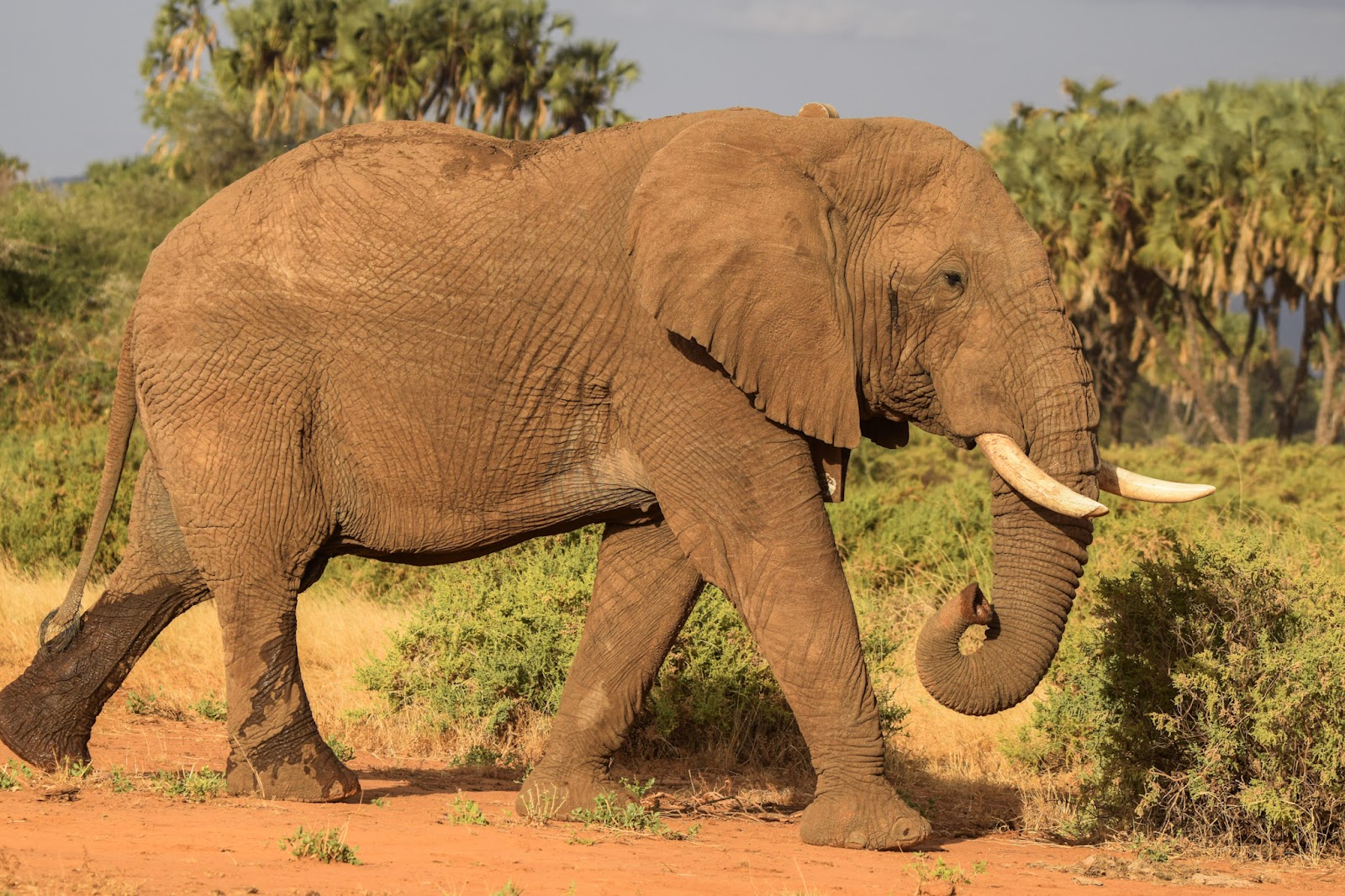


A 14 day Kenya safari is the best way to see the whole country’s wildlife in one unhurried journey. This Grand Slam Signature route takes you from the dry north of Samburu through the rhino sanctuaries of Ol Pejeta and Solio, down into the Rift Valley, across the Masai Mara and on to Lake Naivasha, Amboseli and the Tsavo parks. You travel in a private 4×4 Land Cruiser with a pop-up roof and a senior driver-guide, and the price starts from USD 4,650 per person sharing.
Why Choose a 14 Day Kenya Safari?
Most visitors see one or two parks. A longer trip lets you see how different Kenya’s wildlife regions really are, and it gives you time to slow down in each. The route below includes eight destinations, with two-night stays at the most rewarding parks so that you spend more time watching animals and less time packing.
- Variety: arid northern plains, highland conservancies, Rift Valley lakes, the open Mara and the red earth of Tsavo.
- Rhinos: two sanctuaries, Ol Pejeta and Solio, plus Lake Nakuru.
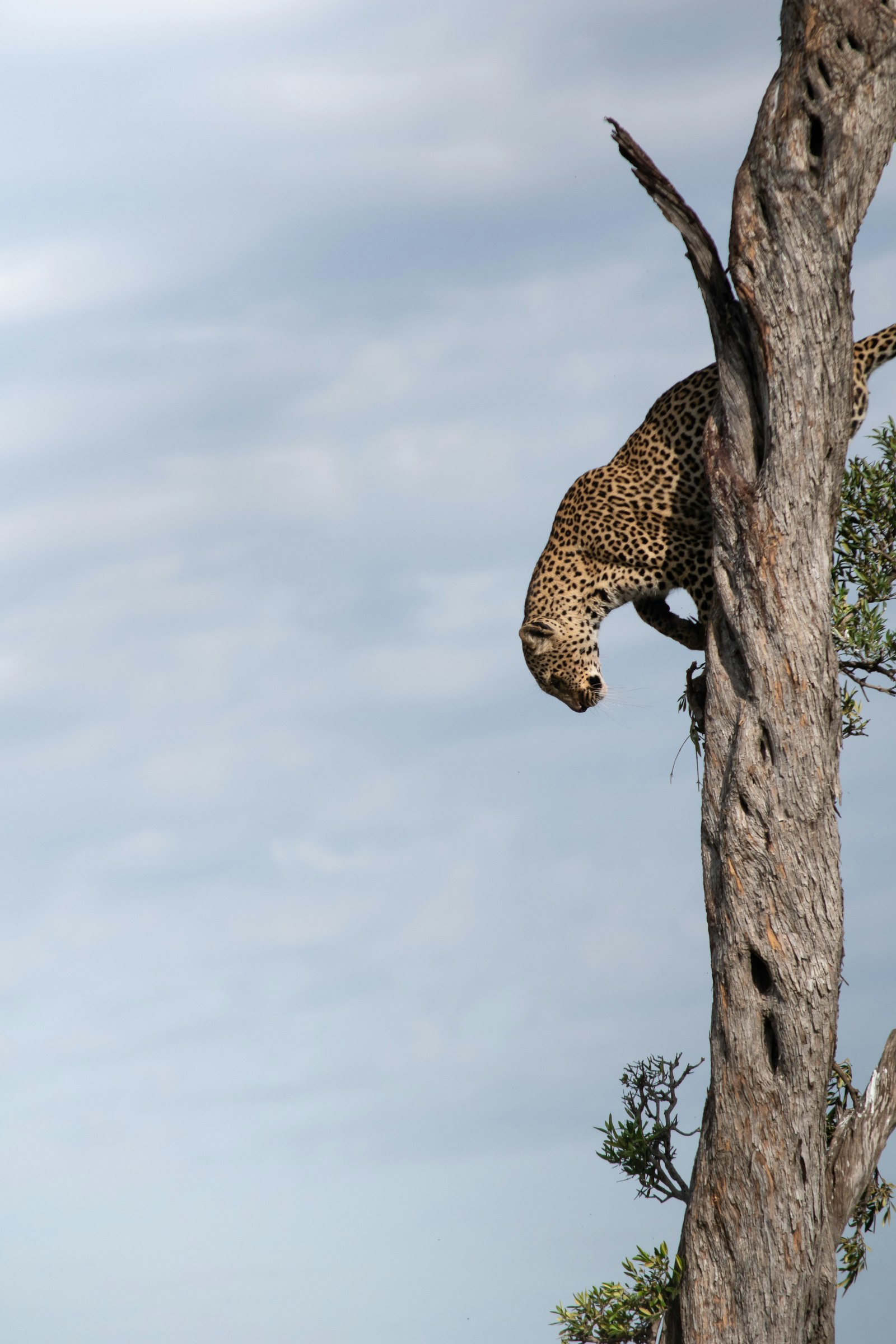
- Big cats: lions, leopards and cheetahs in Samburu and the Masai Mara.
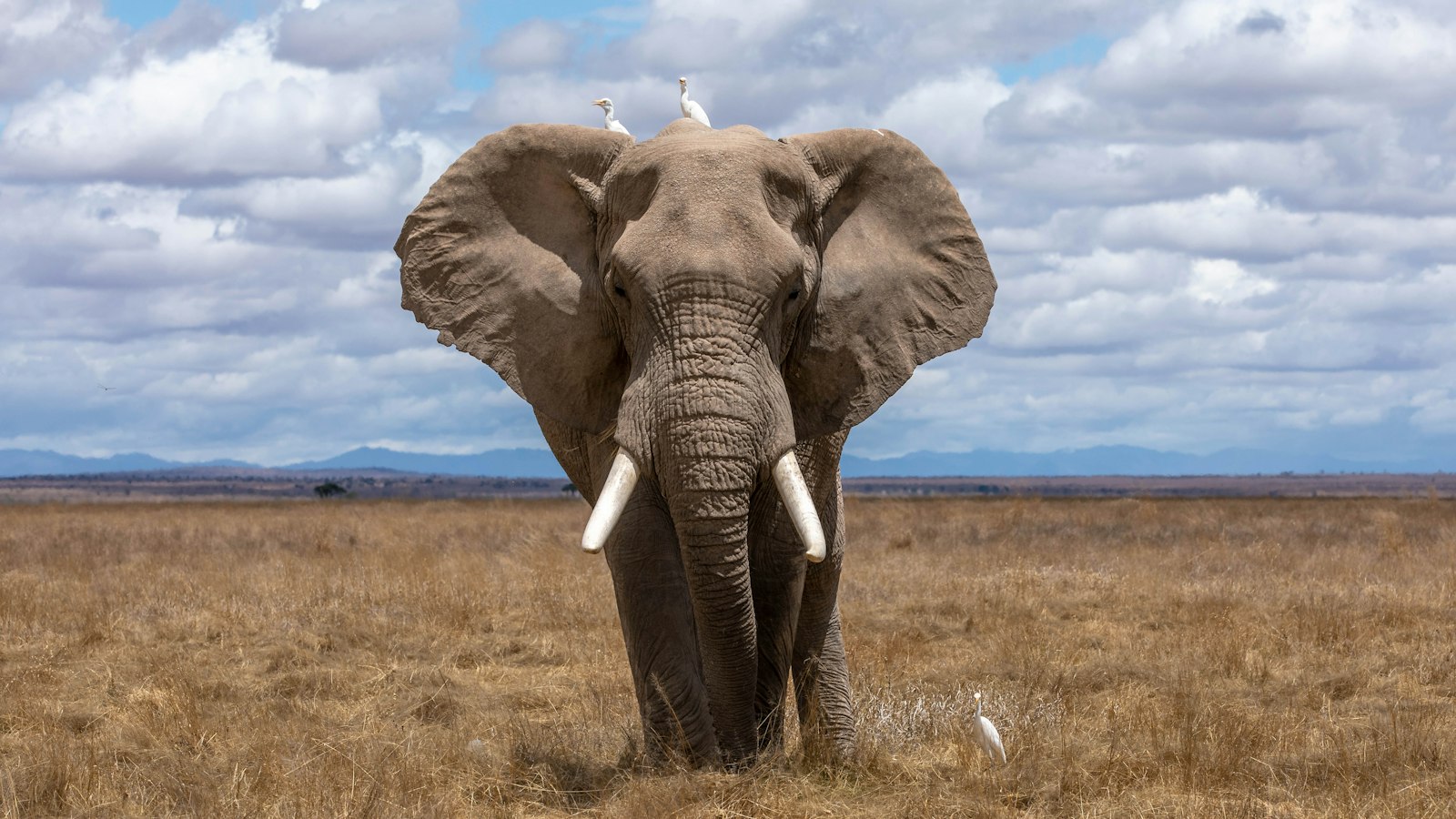
- Elephants: riverside herds in Samburu, Kilimanjaro views in Amboseli and Tsavo’s red-dust giants.
- Privacy: your own vehicle, driver-guide and itinerary, with no shared minibuses.
14 Day Kenya Safari Route at a Glance
- Day 1: Arrive in Nairobi
- Days 2 to 3: Samburu National Reserve
- Days 4 to 5: Ol Pejeta Conservancy
- Day 6: Solio Game Reserve and Lake Nakuru
- Days 7 to 8: Masai Mara
- Day 9: Lake Naivasha
- Days 10 to 11: Amboseli National Park
- Days 12 to 13: Tsavo West and Tsavo East
- Day 14: Departure from Tsavo East via Mombasa or Nairobi
Day-by-Day 14 Day Kenya Safari Itinerary
Days 1 to 5: Nairobi, Samburu and Ol Pejeta
Day 1, arrive in Nairobi. We meet you at the airport and transfer you to your Nairobi hotel. Rest after your flight, and your driver-guide will brief you on the route.
Day 2, Nairobi to Samburu. Drive north past Mount Kenya and cross the equator into Samburu National Reserve. After lunch at your camp you set out on the first game drive along the Ewaso Ng’iro river.
Day 3, a full day in Samburu. Morning and afternoon game drives focus on the Samburu Special Five: reticulated giraffe, Grevy’s zebra, Beisa oryx, Somali ostrich and gerenuk. Elephants gather on the riverbank to drink and bathe, and leopards are often seen in the acacia trees. Read more on our Samburu safari page.
Day 4, Samburu to Ol Pejeta. Drive south through the Laikipia plateau to Ol Pejeta Conservancy for an afternoon game drive. Dinner and overnight at the conservancy.
Day 5, Ol Pejeta Conservancy. Full-day game drives, a visit to the northern white rhinos with their rangers and a stop at the chimpanzee sanctuary. Ol Pejeta also has lions, cheetahs, buffalo and a large number of black rhinos.
Days 6 to 9: Solio, Nakuru, the Masai Mara and Naivasha
Day 6, Solio and Lake Nakuru. A morning visit to Solio Game Reserve, famous for its white and black rhinos, followed by a drive into the Rift Valley and an evening game drive at Lake Nakuru. See our Lake Nakuru safari guide for what to expect.
Day 7, Lake Nakuru to the Masai Mara. A morning game drive at Lake Nakuru, then continue to the Masai Mara for an afternoon game drive on arrival.
Day 8, a full day in the Masai Mara. Game drives across the Mara plains with a picnic lunch. This is the best place on the trip for lions, cheetahs and, between July and October, the Great Migration. A sunrise hot-air balloon safari is available at extra cost. Our Masai Mara safari page has the full picture.
Day 9, Masai Mara to Lake Naivasha. An early game drive, then the drive to Lake Naivasha for an afternoon boat ride among hippos and fish eagles.
Days 10 to 14: Amboseli and Tsavo
Day 10, Lake Naivasha to Amboseli. Drive south to Amboseli National Park, arriving for lunch and an afternoon game drive among the elephant herds.
Day 11, a full day in Amboseli. Sunrise views of Mount Kilimanjaro, then a full day of game drives on the Amboseli plains and swamps. Learn more on our Amboseli safari page.
Day 12, Amboseli to Tsavo West. Drive to Tsavo West National Park for an afternoon game drive and a visit to Mzima Springs.
Day 13, Tsavo West to Tsavo East. Cross to Tsavo East to look for the park’s red-dust elephants and lions. Dinner and overnight at your lodge. Our Tsavo safari guide explains the two parks.
Day 14, departure. A morning game drive, then transfer to Mombasa or drive back to Nairobi for your onward flight.
Wildlife on a 14 Day Kenya Safari
Each region on this route has a different set of animals, which is why a longer trip is so rewarding. Here is what to look for in each.
Samburu and the north
Samburu is hot and dry, and life gathers along the river. Look for the Special Five, riverside elephants, lions, leopards and crocodiles. The reserve is quieter than the Mara, so you often have sightings to yourself.
Ol Pejeta and Solio: rhinos
Ol Pejeta is home to the last northern white rhinos and a large black rhino population, while Solio is one of the best places in Kenya to see both rhino species. Together with Lake Nakuru, they make this 14 day Kenya safari one of the best routes in the country for rhino lovers.
The Masai Mara: big cats and migration
The Mara has Kenya’s highest concentration of predators. Lions are common, cheetahs hunt on the open plains and leopards hide in riverside trees. Between July and October, wildebeest and zebra cross the Mara River during the Great Migration.
Amboseli and Tsavo: elephants
Amboseli’s elephants are famous for their calm behaviour with Mount Kilimanjaro behind them, while Tsavo’s elephants are coated in red dust from the soil. Both parks also offer big skies, birdlife and a sense of space that is hard to find on shorter routes.
Accommodation and Pace on the Safari
You stay in carefully chosen lodges and tented camps, with 13 nights on a full-board basis. Rooms are comfortable and private, many with views over rivers, plains or waterholes, and the camps are selected for their location and service rather than their size. Most days include three to six hours on the road, broken up by game drives, and we can add domestic flights to shorten the longest legs. Browse our Kenya lodges and camps to see the style of accommodation we use.
Best Time for a 14 Day Kenya Safari
The best months are June to October and January to March, when roads are firm, animals gather near water and skies are clear. The Great Migration reaches the Masai Mara from July to October, so those months are the busiest and most expensive.
- January to March: hot, dry weather with good game viewing and fewer visitors than the peak months.
- April to May: the long rains bring green landscapes, lower prices and some muddy roads.
- June to October: the dry season and the best overall time, with the Great Migration in the Mara.
- November to December: short rains, lush scenery and excellent birding, with busy festive weeks.
How Much Does a 14 Day Kenya Safari Cost?
This 14 day Kenya safari starts from USD 4,650 per person sharing, based on two travellers in a private vehicle. The final price depends on the season, the level of accommodation, your group size and any flights you add. Larger groups share the vehicle and guide, so the cost per person falls. For a wider budgeting guide, see how much an African safari costs.
What Is Included and Not Included
- Private 4×4 safari Land Cruiser with a pop-up roof and a window seat for every guest
- Senior English-speaking driver-guide
- 13 nights’ accommodation on a full-board basis
- All park, reserve and conservancy entry fees
- Game drives as listed in the itinerary
- Airport and hotel transfers and bottled drinking water in the vehicle
Not included: international flights, the Kenya eTA (from USD 30 per person, depending on the application type), travel insurance, tips, drinks, personal expenses and optional activities such as a hot-air balloon safari.
Photography on a 14 Day Kenya Safari
Few itineraries give a photographer as much variety. You can shoot leopards in the branches of Samburu, rhinos on the grass of Solio, lions on the Mara plains, elephants beneath Kilimanjaro and red elephants in Tsavo, all in two weeks. A lens of 200 to 400 mm suits most wildlife, while a wide lens helps with landscapes and skies. Early mornings and late afternoons give the best light, and your driver-guide will position the vehicle for the sun and the background.
What to Pack for a 14 Day Kenya Safari
- Lightweight neutral clothing in khaki, olive or beige, plus a warm layer for early mornings in the Mara and Nakuru.
- A wide-brimmed hat, sunglasses and high-factor sunscreen.
- Binoculars and a camera with a zoom lens, spare batteries and memory cards.
- Closed, comfortable shoes and a dust scarf for the dry parks.
- Insect repellent and any malaria prevention recommended by your doctor.
- A soft-sided bag, because space in the vehicle is limited.
Visas, Health and Safety
Most visitors need a Kenya eTA before arrival, so apply online ahead of your trip and check current requirements for your nationality. Malaria is present in much of Kenya, so speak to your doctor about prevention, and take out travel insurance that covers medical evacuation. Our driver-guides are experienced and check conditions daily, and your itinerary can be adjusted if the weather or road conditions change. For official information, see Magical Kenya and the Kenya Wildlife Service.
14 Day Kenya Safari FAQs
Who is this 14 day Kenya safari for?
It suits guests who want to see all of Kenya’s main wildlife regions in one trip and are comfortable with a journey that covers a lot of ground. Wildlife enthusiasts, photographers and repeat visitors enjoy it most.
How much driving is there?
Most days include three to six hours on the road, broken up by game drives. We can add domestic flights to shorten the longest legs if you prefer.
Can I add a beach stay?
Yes. We can add Diani Beach at the end, or you can choose our 15 day Kenya safari and beach journey for a ready-made combination.
What is the minimum group size?
Two guests sharing a vehicle. Solo travellers can ask us about single supplements.
Is a 14 day Kenya safari too long?
Not if you like variety. The route changes scenery every two nights, and the two-night stays in the best parks leave time to rest. If you have less time, our 9 day Kenya highlights safari covers four regions.
Book Your 14 Day Kenya Safari
Send us your dates and group size by WhatsApp or email, and we will reply with a written, itemised quote and a suggested route. A deposit secures your lodges and vehicle, and we send final documents and packing advice before you travel. You can also compare more routes on our Kenya safari packages page or explore our luxury Kenya safari collection.
Travelling from abroad? See our packages for travellers from India, Malaysia, the USA, the UK and Australia.
Overview
Our 14 day Kenya safari is a signature journey for guests who want to see every major wildlife region in one trip, without a beach extension. You travel from the dry north of Samburu through the Laikipia and central highland conservancies, down into the Rift Valley, across the Masai Mara, and finish in Amboseli and the Tsavo parks in the south.
You travel in a private 4×4 Land Cruiser with a pop-up roof and a senior driver-guide, staying in carefully chosen lodges and tented camps. It is paced with two-night stays at the most rewarding parks, so you spend more time watching animals and less time packing.
Best for: Wildlife enthusiasts, photographers and repeat visitors. Best time: June to October and January to March.
Price is from USD 4,650 per adult sharing; the final cost depends on season, accommodation and group size.
Ready to go? Book this trip on WhatsApp and we’ll take it from there.
Highlights
- Samburu's rare northern species
- Rhino sanctuaries at Ol Pejeta and Solio
- Big cats in the Masai Mara
- Elephants beneath Kilimanjaro in Amboseli
- Tsavo's red elephants