

A Tsavo safari is Kenya’s wild, wide-open alternative to the Masai Mara. Tsavo East and Tsavo West national parks together form one of the largest protected wildlife areas in the world, famous for elephants coated in red dust, lava landscapes and the crystal springs at Mzima. Because the parks lie between Nairobi and Mombasa, a Tsavo safari fits neatly into a beach holiday or a longer Kenya route. Sense of Adventure, a licensed Nairobi safari company, runs private Tsavo trips in your own 4×4 Land Cruiser with a dedicated driver-guide.
Why Go on a Tsavo Safari?
Tsavo feels remote and untamed. Distances are big, vehicles are few and the landscape changes from open plains to volcanic hills. It is also the setting of the famous man-eating lions of Tsavo from the 1890s.
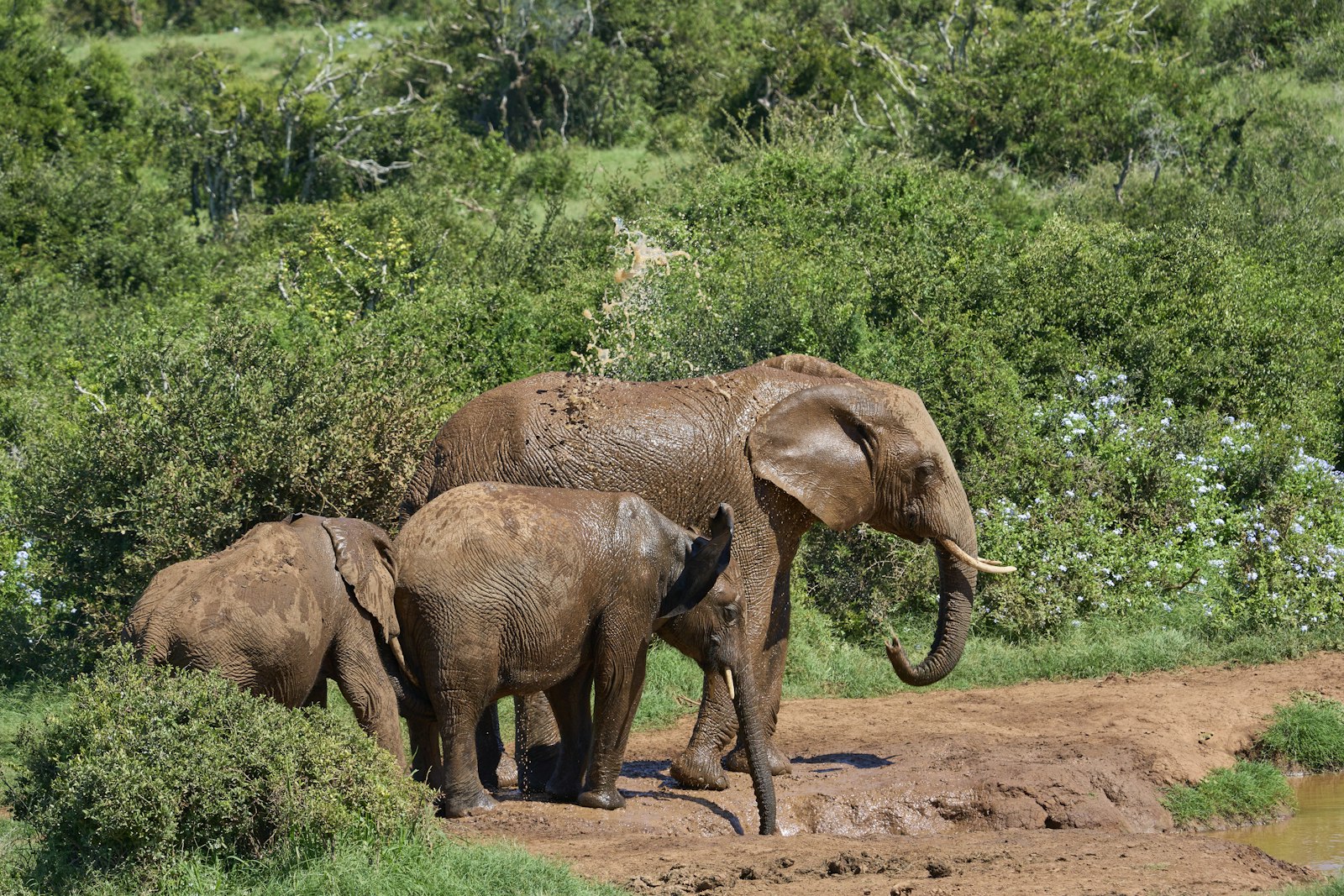
- Red elephants: herds that dust-bathe in iron-rich soil, turning their skin red.
- Tsavo East: huge plains, the Galana River and Lugard Falls, with lions and buffalo.
- Tsavo West: Mzima Springs, the Shetani lava flows and a rhino sanctuary.
- Birds and wildlife: over 500 bird species, plus giraffes, zebras, hippos and crocodiles.
- Easy coast link: trips start from Mombasa or Diani and finish at your beach hotel.
Tsavo Safari From Mombasa and Diani
Most guests book a Tsavo safari from Mombasa or Diani Beach. Tsavo East’s gates are about two to three hours from Mombasa, so a long day trip is possible, but one or two nights are more comfortable. Prices are per person sharing.
| Trip | Length | From |
|---|---|---|
| Tsavo East Day Safari from Mombasa & Diani | 1 day | USD 230 |
| 2-Day Tsavo & Taita Hills Safari | 2 days | USD 420 |
| Tsavo East & West Safari | 3 days | USD 600 |
| Tsavo & Amboseli Safari from Mombasa | 4 days | USD 1,050 |
You can also add Tsavo to a longer route: our family safari and beach trip and the 14 Day Kenya Grand Slam Signature Safari both include Tsavo.
Tsavo East vs Tsavo West
Tsavo East is larger, flatter and better for classic game drives, elephants and big herds. Tsavo West is hillier and greener, with Mzima Springs, lava fields and a rhino sanctuary, and the wildlife is harder to see. Many travellers do both across three days.
How to Get to Tsavo
From Mombasa, Tsavo East is about two to three hours by road. From Nairobi, Tsavo West is roughly four to five hours via the Mombasa highway. Tsavo also sits on the route between Amboseli and the coast, which makes it easy to link with an Amboseli safari.
What Wildlife Will You See on a Tsavo Safari?
Elephants define Tsavo. The parks hold some of Kenya’s largest elephant populations, and the animals take red-dust baths that colour their skin to match the soil, so a herd walking across the plains looks rust-red. Bulls with very long tusks are sometimes seen, and families gather at waterholes and rivers in the dry season. The thick bush means animals can be harder to find than in the Masai Mara, but that makes each sighting feel earned.
Tsavo also has lions, which are famously maneless in many males, along with leopards, cheetahs, spotted hyenas, buffalo, zebras, giraffes, lesser kudu, gerenuk, fringe-eared oryx and dik-dik. Hippos and crocodiles live in the springs and rivers, and the birdlife is outstanding, with more than 500 species recorded, including the hornbills, bee-eaters, starlings and raptors typical of dry country. Rhinos survive in a protected sanctuary in Tsavo West, but they are rarely seen on an ordinary game drive.
The Man-Eaters of Tsavo
Tsavo’s wild reputation goes back to 1898, when two lions attacked and killed railway workers building a bridge across the Tsavo River, halting construction for weeks until the engineer in charge hunted them down. The story became famous worldwide and inspired books and films, and the lions are preserved in a museum abroad. Today the lions of Tsavo are protected, and your guide can tell the story as you drive through the same country the railway crossed.
Tsavo East Highlights
- The Galana River: a permanent river lined with doum palms, drawing elephants, hippos and crocodiles in the dry season.
- Lugard Falls: a series of rapids and rock pools in the river, one of the park’s most scenic stops.
- Mudanda Rock: a long rock outcrop above a waterhole where elephants gather in the late afternoon, similar in look to Australia’s Wave Rock.
- Open red plains: wide, flat country where lions, buffalo and plains game are easy to scan from the vehicle.
Tsavo West Highlights
- Mzima Springs: clear, spring-fed pools fed by Chyulu Hills water, with hippos, crocodiles and an underwater viewing chamber where available.
- Shetani lava flows: black volcanic rock that spilled from a recent eruption in local memory, with an eerie, lunar landscape.
- Chaimu Crater and Poacher’s Lookout: viewpoints with long views across the plains towards Kilimanjaro on clear days.
- Ngulia Rhino Sanctuary: a fenced area that protects black rhinos, visited with a guide and permit.
A Sample 3-Day Tsavo Safari Itinerary
- Day 1, coast to Tsavo East: an early pick-up from your hotel in Diani or Mombasa, then a drive inland to Tsavo East. Lunch at your lodge, followed by an afternoon game drive to a waterhole.
- Day 2, Tsavo East to Tsavo West: a sunrise game drive along the Galana River, then a transfer to Tsavo West with a stop at Mzima Springs for a walk and picnic. Evening game drive and overnight.
- Day 3, return to the coast: a morning game drive and breakfast, then the drive back to your beach hotel, arriving in the afternoon.
How Much Does a Tsavo Safari Cost?
Tsavo is one of Kenya’s most affordable safari destinations because of its position near the coast. Our Tsavo East day safari starts from USD 230 per person, the two-day Tsavo and Taita Hills trip from USD 420, the three-day Tsavo East and West safari from USD 600, and the four-day Tsavo and Amboseli safari from Mombasa from USD 1,050. Prices are per person sharing, and fall as your group grows because you share the vehicle and guide.
Each trip includes the private vehicle, driver-guide, park fees, meals and accommodation as listed, with flights, tips, drinks and personal expenses extra. For help planning your budget across several parks, see our guide to how much an African safari costs.
Tsavo, the Masai Mara or Amboseli: Which Should You Choose?
Each park has a different character. The Masai Mara is best for big cats and the Great Migration. Amboseli is best for elephants and Kilimanjaro views in a compact park. Tsavo is best if you are staying on the coast, want a wild and uncrowded safari and love wide landscapes. If you have time, combine Tsavo with Amboseli for a route that runs naturally from the coast to the mountain.
The Taita Hills and Other Add-Ons
The Taita Hills Wildlife Sanctuary sits between the two Tsavo parks, with rocky hills, a waterhole viewed from the lodge and easy walks. It makes a good overnight stop and is included in our two-day Tsavo and Taita Hills trip. Other add-ons include a Maasai or Taita cultural visit, a bush breakfast, a night game drive at some lodges and a few days on Diani Beach to finish. See our Kenya beach holidays for ideas.
Photography Tips for a Tsavo Safari
Tsavo is a photographer’s park because of its colour. The red soil gives elephants a striking tone, especially in the low light at dawn and dusk, and the open skies make dramatic backdrops. Use a telephoto lens of 200 mm or longer for animals, and keep a dust cover on your camera because the red dust gets everywhere. Ask your guide to approach waterholes slowly, and be patient: the best images often come when you wait.
What to Pack for a Tsavo Safari
- Light, neutral clothing in khaki or olive, and avoid dark blue and black, which can attract tsetse flies in parts of Tsavo West.
- A hat, sunglasses, sunscreen and a scarf for the dust.
- Binoculars and a camera with a zoom lens and a lens cloth.
- Closed shoes for walks at Mzima Springs and the lava flows.
- Insect repellent and any malaria prevention advised by your doctor.
- Plenty of water, because Tsavo is hot for most of the year.
Best Time to Visit Tsavo Month by Month
- January and February: hot and dry, with animals gathered at the waterholes and rivers.
- March to May: the long rains turn the parks green and bring fewer visitors, but the bush is thick and some roads are muddy.
- June to October: the best overall season, with cooler days, dry roads and excellent game viewing.
- November and December: short rains, fresh green scenery and good birding, followed by busy festive weeks.
More Questions About a Tsavo Safari
How many days do you need in Tsavo?
Two nights is a good minimum, giving you time for game drives in one park and a transfer to the other. A day trip from the coast is possible, but it involves long driving. Three to four days lets you see both parks without rushing.
Is Tsavo good for the Big Five?
Tsavo has elephants, lions, leopards and buffalo, but rhinos are rare and seldom seen. Combine Tsavo with the Masai Mara or Lake Nakuru if the Big Five is your priority.
Is Tsavo safe, and are there malaria risks?
Tsavo is a well-run safari area with experienced guides. Malaria is present in much of Kenya, including the coast and Tsavo, so speak to your doctor about prevention before travelling and use repellent in the evenings.
Send us your dates and your coast hotel and we will build a Tsavo safari that suits your time, budget and interests.
Best Time for a Tsavo Safari
The dry seasons from June to October and January to February are best, when animals gather at waterholes and the vegetation thins. Tsavo is hot year-round; early starts and a hat are essential. March to May is the long rains, with green scenery but thicker bush.
What Our Tsavo Safari Includes
- Private 4×4 Land Cruiser with pop-up roof and a window seat for every guest
- Professional English-speaking driver-guide
- Accommodation and meals as listed on each trip
- Tsavo National Park entry fees as listed
- Pick-up and drop-off at your coast hotel or in Nairobi, plus bottled water
- Complimentary AMREF Flying Doctors evacuation cover
Plan Your Tsavo Safari
Send your dates and your hotel and we reply with a written quote.
WhatsApp +254 799 160 081 Email UsIs Tsavo East or Tsavo West better for a safari?
Tsavo East is better for open game drives and elephants. Tsavo West has more varied scenery, including Mzima Springs and lava flows.
How far is Tsavo from Mombasa?
The Tsavo East gates are about two to three hours from Mombasa by road.
Can you do a Tsavo safari as a day trip?
Yes. A long day safari from Mombasa or Diani is possible, but one or two nights give much more time with the wildlife.
Why are Tsavo elephants red?
Tsavo’s soil is rich in iron oxide. Elephants dust and mud-bathe in it, which stains their skin red.
Can I combine Tsavo with a beach holiday?
Yes. Tsavo trips start and end at the coast, so they pair easily with Diani, Mombasa or Watamu.
Explore More Kenya Safari Destinations
Official resources: Kenya Wildlife Service and Magical Kenya.