

A night drive on safari is a two to three hour game drive after sunset, led by a guide and a spotter with a filtered spotlight. You look for animals that hide by day, such as genets, bushbabies and aardvarks, and watch lions, hyenas and leopards on the move. In Kenya, it happens mainly in private conservancies.
Sense of Adventure is a licensed safari operator based in Nairobi (TRA licence TRA1/47/C01/77087), and we often build trips around conservancy camps that offer night drives. This guide explains what actually happens on a night drive on safari: timing, the spotlight and spotter, what you might see, how cold it gets, photography, ethics, safety, who it suits and how to make sure it is included. If you want to know where night drives are permitted, read our guide to where night game drives are allowed in Kenya.
Table of Contents
✅ Night Drive on Safari: The Quick Answer
- When: usually starts around sunset, often straight after sundowners, and lasts about two to three hours.
- How: a spotter sweeps a spotlight, often with a red filter, while the guide drives slowly.
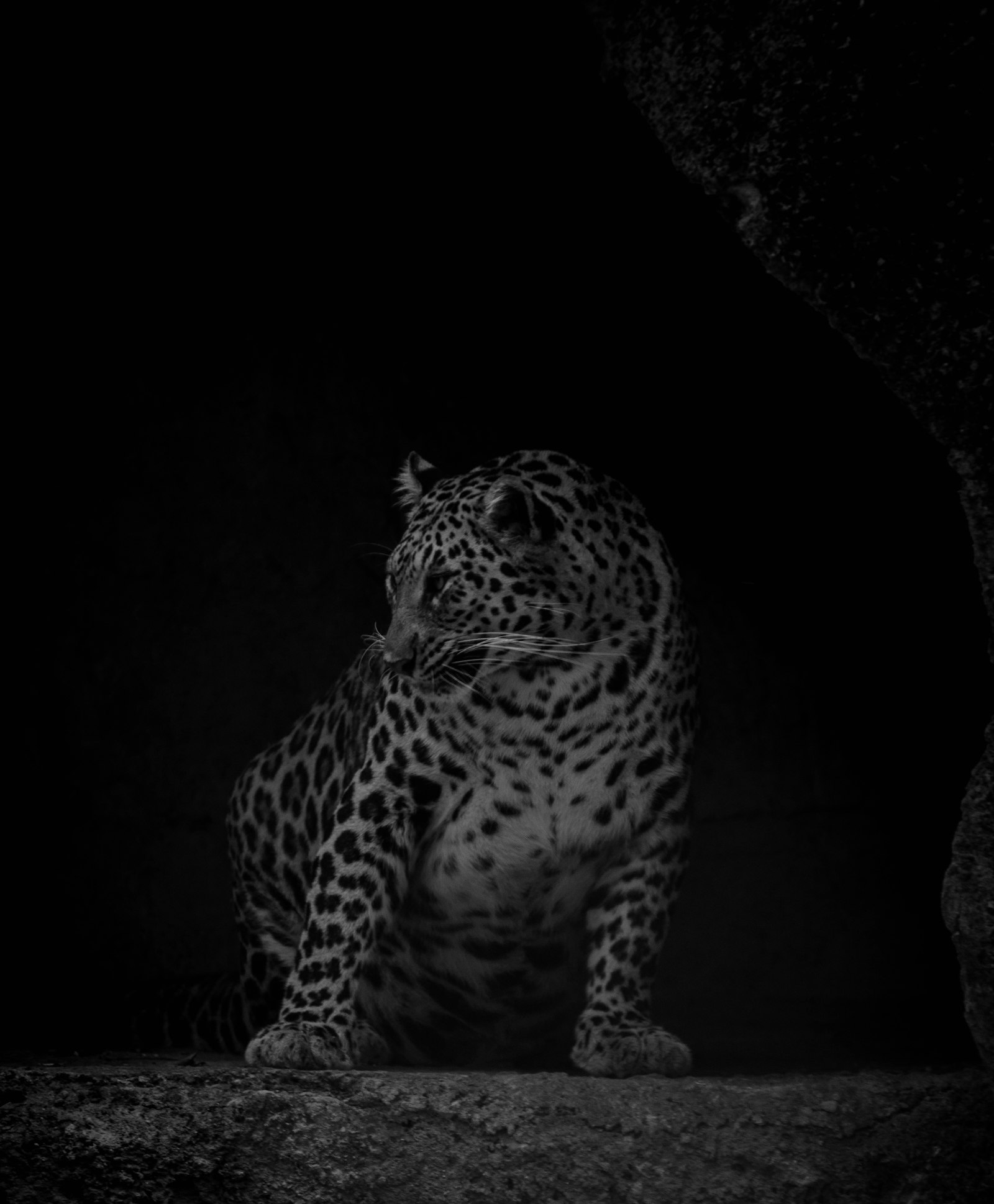
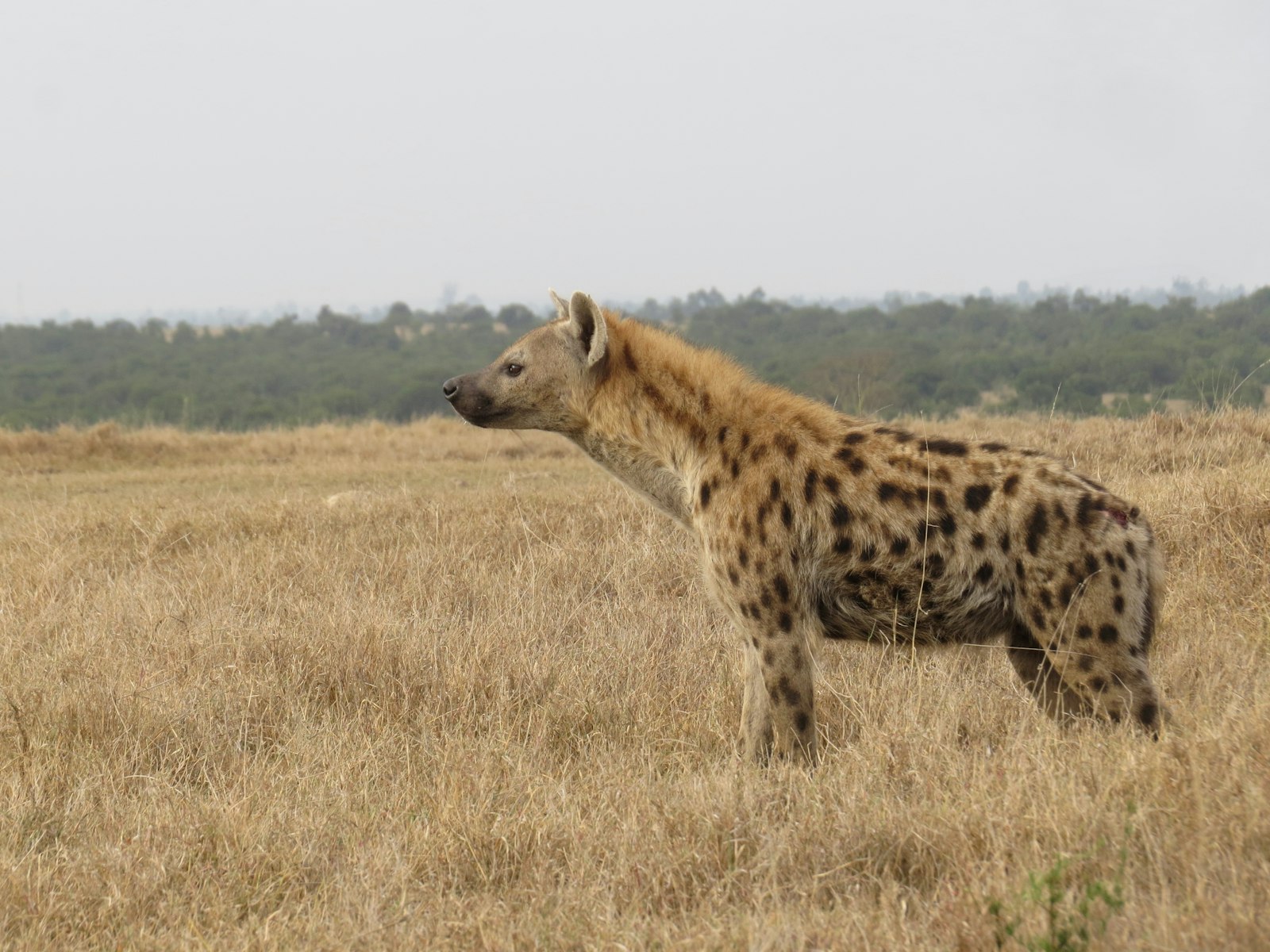
- What you may see: genets, civets, bushbabies, springhares, owls, hyenas, lions and sometimes leopards or aardvarks.
- Where in Kenya: private conservancies around the Masai Mara and in Laikipia; not in national parks and reserves.
- Cost: often included at conservancy camps; always check your itinerary.
- Bring: warm layers, a hat and binoculars; flash photography is not allowed.
🌎 Want a Night Drive on Your Safari?
Tell us your dates and we will suggest conservancy camps where night drives are part of the stay. 💬 WhatsApp Us Now or call +254 799 160 081
What Is a Night Drive on Safari?
A night drive on safari is a guided game drive after dark that shows you the nocturnal side of the bush, which most visitors never see.
Daytime game drives end before dark in Kenya’s national parks and reserves, because the Kenya Wildlife Service and county reserves do not allow visitors to drive at night. Private conservancies set their own rules, and many camps there offer a night drive on safari as part of the stay. The vehicle is the same open or open-sided 4×4 you use by day, with a guide at the wheel and a spotter handling the light.
The feel is completely different from a daytime drive. The air cools, sounds carry further and your world shrinks to the circle of the spotlight. Many guests rank their first night drive on safari among the highlights of the whole trip.
Listening is half the experience. With the engine off, you may hear a lion calling across the plains, the whoop of hyenas, the alarm snort of an impala or the strange clicking of a nightjar. Guides often stop for a few minutes of silence so you can take it in. Stars over the open savanna, far from any city lights, add to the magic on clear nights, and many guests remember the sky as clearly as the animals.
How a Night Drive on Safari Works, Step by Step
Most conservancy camps follow a similar pattern for a night drive on safari, timed around sunset.
- Afternoon game drive: you head out around 4pm as on any safari day.
- Sundowners: a drink stop as the sun sets, around 6:30pm near the equator.
- Lights on: as darkness falls, the spotter switches on the spotlight and the night drive begins.
- Slow search: the guide drives slowly while the spotter sweeps the light, looking for eyeshine.
- Sightings: when an animal is found, the light is held to one side so the animal is lit gently.
- Back to camp: usually by about 8pm to 9pm, in time for dinner.
Some camps run the night drive on safari after dinner instead, and some offer it only on certain nights. Our guide to a typical day on safari in Kenya shows how the timings fit together.
The spotlight and the spotter on a night drive on safari
The spotter is the unsung hero of the night. They sweep the beam across grass and trees looking for the reflected glow of eyes. Many guides use a red filter, which disturbs animals less than white light. Good spotters avoid shining the beam directly into an animal’s eyes for long, and never light up prey for a hunting predator.
What Animals Can You See on a Night Drive on Safari?
A night drive on safari shows two kinds of wildlife: small nocturnal animals you rarely see by day, and big predators at their most active.
| Animal | How likely at night | What to look for |
|---|---|---|
| Spotted hyena | Common | Busy, vocal clans moving and hunting |
| Lion | Fairly common | Prides waking up, patrolling or hunting |
| Genet and civet | Fairly common | Spotted, cat-like animals on the ground or in trees |
| Bushbaby | Fairly common | Tiny eyes high in trees, leaping between branches |
| Springhare | Common in some areas | Hopping like a small kangaroo across open ground |
| Owls and nightjars | Common | Perched on branches or rising from the track |
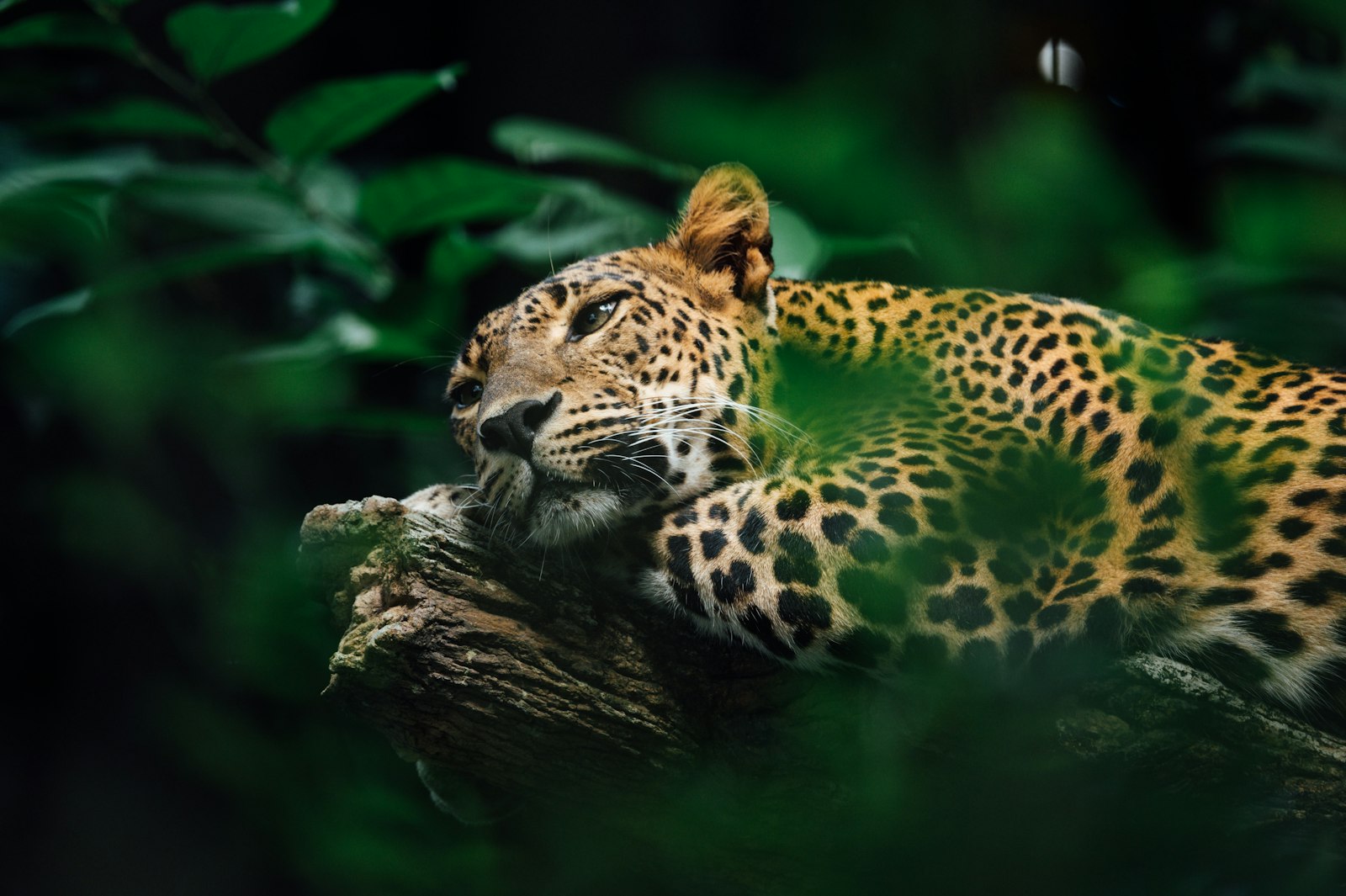
| Leopard | Occasional | Moving through cover or hunting |
| Aardvark, honey badger, porcupine | Rare but possible | Special sightings for lucky guests |
Our wildlife guides to genets, aardvarks and honey badgers introduce some of the animals you might meet on a night drive on safari.
Expert tip from our Nairobi team: go into a night drive on safari expecting small surprises rather than big cats. Guests who enjoy the genets, owls and bushbabies always come back happy, and a leopard becomes a bonus rather than the measure of success.
Where You Can Do a Night Drive on Safari in Kenya
In Kenya, a night drive on safari is only possible on private or community conservancy land, not inside national parks and national reserves.
| Area | Night drives? | Notes |
|---|---|---|
| Masai Mara National Reserve | No | Vehicles must be back at camp by dark |
| Masai Mara conservancies | Yes, at many camps | For guests staying inside the conservancy |
| Laikipia conservancies, including Ol Pejeta and Lewa | Yes, at many camps | Good for nocturnal specials such as aardvark |
| Amboseli, Tsavo, Lake Nakuru, Samburu | No | Some nearby private land may allow them |
| Nairobi National Park | No | Daytime drives only |
Our guides to Mara North Conservancy camps and Olare Motorogi Conservancy camps show how conservancy stays work. The Kenya Wildlife Service manages the national parks.
Night drives elsewhere in Africa
Night drives are also common in private reserves in South Africa and in private concessions in Botswana, where the Botswana Tourism board promotes concession-based safaris. Rules differ between national parks and private land in every country, so check each camp before you book.
Is a Night Drive on Safari Safe?
Yes, a night drive on safari is safe when you stay seated and follow your guide, just like a daytime drive.
- Stay seated and keep arms and cameras inside the vehicle.
- Speak quietly, especially near predators.
- Never use your own torch or phone light unless the guide asks.
- Do not step out of the vehicle, even for a quick photo.
Back at camp, normal night rules apply; our guide to safari tent safety explains escorts and tent routines.
What to Wear and Bring on a Night Drive
Nights in Kenya’s safari areas can be surprisingly cold in an open vehicle, so warm layers make a night drive on safari far more enjoyable.
- Warm layers: a fleece and a windproof jacket; highland areas such as Laikipia and the Mara can feel chilly after dark.
- Hat and scarf: the breeze from a moving open vehicle adds a real chill.
- Binoculars: excellent for small animals at the edge of the light.
- Insect repellent: mosquitoes are active after dark; see our guide to insects on safari.
- A small torch: for getting in and out of the vehicle at camp only.
Many camps also put blankets or ponchos in the vehicle, but bring your own layers in case.
📅 Get a Free, No-Obligation Safari Quote
Send us your dates and we will build a route that includes conservancy camps with night drives. ✉ Send Us Your Dates on WhatsApp
Photography on a Night Drive on Safari
Photography on a night drive on safari is challenging, and the best approach is to enjoy the moment and keep expectations modest.
- No flash: flash photography is not permitted, as it can startle and dazzle animals.
- High ISO: set your camera to a high ISO and a wide aperture, and accept some grain.
- Steady support: rest the lens on a beanbag or the vehicle frame when the engine is off.
- Ask the guide: they may pause briefly for a photo, but the animal’s comfort comes first.
Phone cameras with night modes can capture the mood, especially of hyenas or lions close to the vehicle. The memory of the sounds and atmosphere is often more powerful than any picture.
Night Drive Ethics: How Good Guides Protect Wildlife
A responsible night drive on safari keeps disturbance low, and the guide’s behaviour tells you a lot about the camp.
- Uses a red or filtered light and keeps the beam off animals’ eyes.
- Never lights up prey for a hunting predator.
- Limits time at sensitive sightings, such as lions with cubs.
- Stays on tracks where conservancy rules require it.
- Keeps the number of vehicles at a sighting small.
Conservancy fees help fund these limits and the local landowners who protect wildlife. Low vehicle numbers are one reason conservancies can offer night drives responsibly. If a guide behaves differently, it is fine to politely ask them to dim the light or move on.
Is a Night Drive on Safari Worth It?
For most guests, a night drive on safari is well worth it, especially on a trip of four nights or more.
| Worth it if you… | Maybe skip if you… |
|---|---|
| Have already seen the big daytime animals | Are on a very short trip and need rest |
| Love small mammals, owls and unusual species | Feel the cold badly and have no warm layers |
| Want to hear and feel the bush after dark | Have young children who are tired by evening |
| Are staying in a conservancy where it is included | Are staying only in national parks where it is not allowed |
Expert tip from our Nairobi team: if a night drive on safari matters to you, plan at least two nights in a conservancy. That gives you one night for the drive and one for rest, and doubles your chance of a special sighting.
Night Drives for Families, Older Travellers and Light Sleepers
Night drives suit most travellers, but families, older guests and people who tire easily should plan them with a little care.
Children
Many children love the adventure of spotting eyes in the dark, but some camps set minimum ages for night activities. Tired younger children may find a late finish hard after an early start. A private vehicle helps, because you can head back to camp whenever you need. Our safari minimum age guide explains common camp rules.
Older travellers and comfort
A night drive on safari is seated and gentle, but tracks can be bumpy and the cold can be tiring. Bring a cushion if you have back trouble, layer up well and ask the guide for a shorter loop if you prefer. Climbing in and out of the vehicle in the dark is easier with a small torch and a helping hand from your guide.
Balancing early mornings and late nights
Safari days start early, often around 6am. If you add an evening drive, take a proper rest in the middle of the day. Many guests choose one or two night drives across a longer stay rather than every night, which keeps energy high for the dawn drives that often bring the best light and big cat activity.
How to Make Sure a Night Drive Is Included
Because a night drive on safari depends on where you sleep, it needs to be planned into your itinerary rather than added later.
- Choose at least one camp inside a conservancy that offers night drives.
- Ask whether the drive is included or charged as an extra activity.
- Check age limits for children, as some camps set them for night activities.
- Confirm whether it runs every night or only on set nights.
The Laikipia and Loisaba Conservancy Luxury Safari and the Ol Pejeta and Masai Mara Luxury Conservancy Safari are built around conservancy stays. Message us for a quote, and we will confirm which nights include a night drive.
Night Drive on Safari FAQs
What happens on a night drive on safari?
You set out around sunset, often after sundowners, in an open 4×4. A spotter sweeps a spotlight, usually with a red filter, while the guide drives slowly looking for eyeshine. You may see hyenas, lions, genets, bushbabies and owls. Most night drives last two to three hours and return in time for dinner.
Can you do a night game drive in the Masai Mara?
Not inside the Masai Mara National Reserve, where vehicles must be back before dark. Many camps in the private conservancies around the reserve do offer night drives for their guests. If a night drive matters to you, book at least one or two nights at a conservancy camp that includes it.
Are night game drives safe?
Yes. You stay seated in the vehicle with an experienced guide and spotter, just as on a daytime drive. Keep arms and cameras inside, speak quietly, do not use your own torch and never step out. Animals generally treat the vehicle as one large object rather than as people.
What should I wear on a night drive?
Wear warm layers, including a fleece and a windproof jacket, plus a hat and scarf, because open vehicles get cold after dark, especially in the Mara and Laikipia highlands. Many camps provide blankets, but bring your own layers. Use insect repellent, as mosquitoes are active at night.
Can I take photos on a night drive?
Yes, but without flash, which is not permitted because it disturbs animals. Use a high ISO, a wide aperture and steady support, and accept some grain. Phone night modes can work for close sightings. Your guide may pause briefly for photos, but the animal’s comfort always comes first.
Is a night drive included in the safari price?
At many conservancy camps in Kenya, night drives are included in the stay, while others charge them as an extra activity. They are not available in national parks or reserves. Check your itinerary and ask your operator which nights include a night drive before you book.
What animals can you see on a night drive in Kenya?
Common sightings include spotted hyenas, lions, genets, civets, bushbabies, springhares, owls and nightjars. Leopards are seen occasionally, and lucky guests may find aardvarks, honey badgers or porcupines. Sightings are never guaranteed, but the nocturnal life is very different from what you see by day.
🏕 Plan Your Safari With Sense of Adventure
Kenya-based experts. Real local knowledge. Transparent pricing. We will plan the right conservancy nights so your night drive on safari actually happens. 💬 WhatsApp Us — Start Planning Today
Call or WhatsApp: +254 799 160 081
Related Safari Guides
- ›Night Game Drives in Kenya: Where They Are Allowed
- ›Mara North Conservancy Camps
- ›Is a Walking Safari Safe?
- ›Is It Safe to Sleep in a Tent on Safari?
- ›A Typical Day on Safari in Kenya
Official travel & park resource: Kenya Wildlife Service ↗ · Magical Kenya ↗