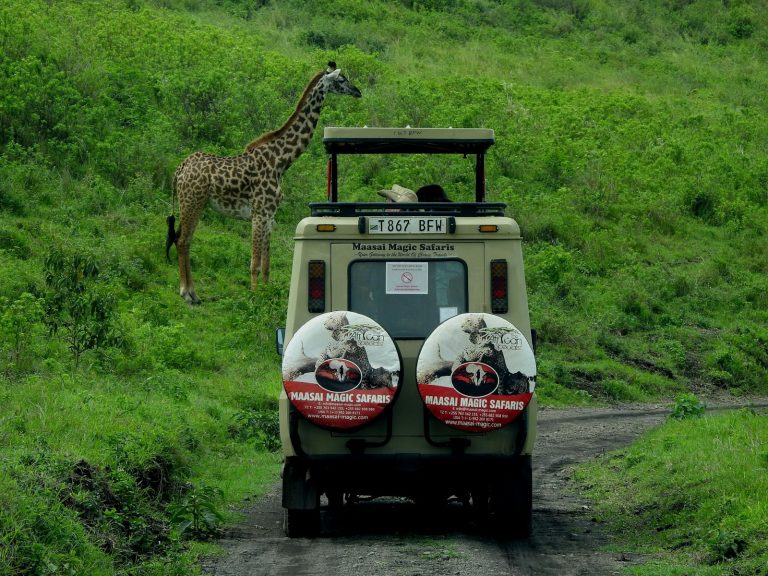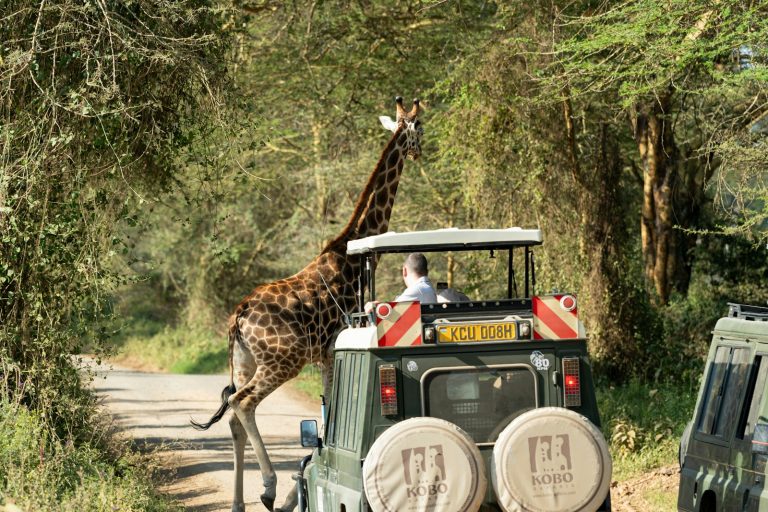


Most visitors assume a night game drive is available wherever they’re staying in Kenya, and that assumption is usually wrong — Kenya Wildlife Service prohibits night driving across every single gazetted national park and reserve, the Masai Mara, Amboseli, Tsavo East and West, Lake Nakuru and Aberdare all included. The exception, and it’s a significant one, is Kenya’s private conservancies: Ol Pejeta and Lewa both run genuine night drives as a standard part of the guest experience for anyone staying inside the conservancy, using spotlights and professional naturalist guides to find species that never show up on a standard daytime drive — aardvark, zorilla, bat-eared fox, civets, genets, and lions and leopards that are often far more active after dark than during the heat of the day. Picture a spotlight catching a genet mid-hunt, an animal almost impossible to see on any normal safari. Sense of Adventure routes trips through Laikipia specifically to make this possible.
Build a Trip Around Genuine Night Drives
Message us to route a Laikipia circuit through Ol Pejeta or Lewa specifically for night drives.
Why National Parks Ban It and Conservancies Don’t
Kenya Wildlife Service enforces a blanket ban on night driving across every gazetted national park and reserve in the country, a rule rooted in visitor safety and minimising disturbance to wildlife across areas that receive far higher, less controlled visitor traffic than private land. Private conservancies operate under a different regulatory framework entirely, and both Ol Pejeta and Lewa have built structured, professionally guided night drive programs specifically for guests staying at camps inside their boundaries — using filtered spotlights that minimise disturbance while still revealing genuinely nocturnal species that daytime drives simply never encounter. Predators behave differently after dark too: lions and leopards, often found resting through the heat of the day, are frequently spotted alert and actively hunting on a well-run night drive, a behavioural contrast that makes the experience worthwhile even for guests who’ve already seen both species on daytime game drives elsewhere.
We’d done three days of daytime drives in the Mara before moving to Ol Pejeta, and the night drive there completely reset our expectations — a bat-eared fox, a genet hunting in the spotlight, and a leopard that was clearly far more active than the sleepy cats we’d seen by day.
— Sense of Adventure guest, Laikipia night drive circuit
Where Night Drives Actually Happen in Kenya
Ol Pejeta Conservancy — Structured Nightly Programs — guided by trained naturalists, filtered spotlights
A standard offering for camp guests, Ol Pejeta’s night drives regularly turn up aardvark, white-tailed mongoose, zorilla and bat-eared fox, alongside lions and occasionally leopards active after dark. See our Ol Pejeta Conservancy guide.
Lewa Wildlife Conservancy — Night Drives as Standard — low-impact tourism, professional guiding
Lewa runs night drives as a routine part of the guest experience rather than an add-on, with sightings of active lions and leopards alongside smaller nocturnal species like civets and genets. See our Lewa Wildlife Conservancy guide.
What You Won’t Get Elsewhere — no night drives in the Mara, Amboseli, Tsavo, Nakuru or Aberdare
KWS-managed national parks and reserves ban night driving outright — if a night drive matters to your trip, it needs to be built around a conservancy stay specifically, not assumed available wherever you’re based.
Route Your Trip for a Real Night Drive
Message us to build a Laikipia circuit that actually includes night game drives.
Kenya Night Game Drive Facts
- KWS rule: night driving is banned in every gazetted national park and reserve, including the Masai Mara, Amboseli, Tsavo and Aberdare.
- Where it’s allowed: private conservancies, most notably Ol Pejeta and Lewa in the Laikipia region.
- Nocturnal species to expect: aardvark, white-tailed mongoose, zorilla, bat-eared fox, civets and genets.
- Predator behaviour at night: lions and leopards are often more visibly active after dark than during the heat of the day.
- Best region for a night-drive circuit: Laikipia, combining Lewa and/or Ol Pejeta with Borana or another conservancy.
- Requirement: night drives are generally only available to guests staying at a camp inside the conservancy itself.
Building a Night-Drive Kenya Circuit
Our Laikipia & Loisaba Conservancy Luxury Safari routes through exactly the kind of private conservancy land where night drives are possible — message us to add Ol Pejeta or Lewa specifically.
A Genuine Night Drive, Not a Daytime Assumption
Message us to build a Laikipia-based itinerary with real night game drives included.
Frequently Asked Questions
Can you do a night game drive in the Masai Mara?
No — Kenya Wildlife Service bans night driving in the Masai Mara National Reserve along with every other gazetted national park and reserve in the country; night drives are only available in private conservancies.
Which Kenyan destinations allow night game drives?
Ol Pejeta Conservancy and Lewa Wildlife Conservancy, both in the Laikipia region, run structured, professionally guided night drives as a standard part of the guest experience for anyone staying at a camp inside the conservancy.
What animals can you see on a night game drive in Kenya?
Night drives commonly turn up aardvark, white-tailed mongoose, zorilla, bat-eared fox, civets and genets, alongside lions and occasionally leopards that are often more visibly active after dark than during the day.
Why are night game drives banned in Kenya’s national parks?
Kenya Wildlife Service enforces the ban across all gazetted parks and reserves primarily for visitor safety and to limit disturbance to wildlife in areas that already receive far higher visitor traffic than private conservancy land.
Do you need to stay inside a conservancy to do a night drive?
Generally yes — night drives at Ol Pejeta and Lewa are typically offered as part of the experience for guests staying at a camp located inside the conservancy itself, rather than as a standalone activity for day visitors.