A Kenya safari for Americans is simpler to plan than most first-timers expect: an online travel authorization with Kenya’s mandatory travel health insurance, a flight to Nairobi, the right season for what you want to see, and an operator who tells you plainly what is included. This guide takes you through every step in order, from the first idea to the morning you climb into the vehicle.
Picture the first morning. Your guide switches off the engine on a ridge above the Masai Mara, and the silence is bigger than anything back home. Then a lioness stands up out of the grass, yawns, and walks straight past the open side of your vehicle. You have been in Kenya for 36 hours and you already understand why a Kenya safari for Americans so often becomes the first of several.
Sense of Adventure is a licensed Kenyan tour operator and DMC (Tourism Regulatory Authority, TRA1/47/C01/77087), based in Nairobi since 2022. We run private safaris in 4×4 Land Cruisers with pop-up roofs and private driver-guides, and this Kenya safari for Americans planning guide is written from that daily experience. Ready to compare trips? See our Kenya safari packages from the USA for routes and prices; this page covers how to plan.
Kenya safari for Americans: the quick answer
- Paperwork: a Kenya eTA from the official portal (from USD 30) plus Kenya’s mandatory travel health insurance (USD 44 per traveler, each child included), both done online before you fly.
- Flights: Kenya Airways flies nonstop from New York JFK to Nairobi in about 14 hours; from other US cities you connect once.
- When: July to October for the Great Migration; late January to February for dry, quieter game viewing; late November for green-season value.
- Length: 7 days on the ground suits a first trip; 10 to 12 days adds Amboseli and a beach finish.
- Health: see a travel clinic 6 to 8 weeks before you fly; malaria tablets are advised for the main parks and the coast.
- Plan ahead: book 9 to 12 months out for US summer and Christmas.
Planning your first Kenya safari from the US?
Tell us your dates, home airport and who is traveling on your Kenya safari for Americans. Our Nairobi team replies with a suggested route and a written, itemized quote in US dollars.
WhatsApp +254 799 160 081 Email Our TeamYour Kenya Safari for Americans Planning Timeline
Most travelers start planning a Kenya safari for Americans a year before they go. Here is the order that works, counting back from your departure date.
- 9 to 12 months before: decide the kind of safari, pick your season and send us a brief. For July to October and Christmas, secure camps now; small camps fill first.
- 6 to 9 months before: confirm your route and pay the deposit. Buy your own US trip insurance at the same time so cancellation cover starts early.
- 4 to 6 months before: book international flights once the safari dates are fixed, and check that every passport is valid for at least six months beyond your return.
- 6 to 8 weeks before: visit a travel clinic for vaccines and malaria tablets, and start gathering soft-sided luggage and neutral clothing.
- 3 to 4 weeks before: buy the Kenyan travel health insurance and apply for your eTA, then pay the final balance.
- 1 week before: we send final documents, your driver-guide’s name and the arrival plan. Save your eTA and insurance confirmations to your phone and print a copy.
Step 1: Decide What Kind of Safari You Want
Before you look at prices, decide what the trip is for. A Kenya safari for Americans usually starts with one of four pictures in mind, and each points to a different route.
- The Great Migration: wildebeest herds and river crossings in the Masai Mara, usually July to October. This is the trip most Americans picture, and it books up first.
- Elephants and Kilimanjaro: Amboseli at sunrise, with herds walking below the snow-capped mountain. It works in most months and pairs naturally with the Mara.
- Big cats with fewer vehicles: the private conservancies bordering the Mara limit vehicle numbers and allow guided walks and night drives. Our guide to the Masai Mara reserve vs conservancies explains the difference.
- Bush and beach: a week on safari followed by a few nights on Diani Beach or in Zanzibar. Honeymooners and families with teenagers choose this most often.
Then think about who is traveling, because a Kenya safari for Americans looks different for families, solo travelers and retirees. Families do best with shorter drives, family rooms and a gentle first day; camps and activities set age limits, so read our safari minimum age guide and Kenya family safari packages. Solo travelers enjoy a private vehicle, but single pricing varies by camp, so ask for it line by line. Travelers over 60 often prefer short flights between parks and a relaxed pace; our guide to safari in your 70s and 80s covers pace, comfort and insurance age limits. Still deciding whether to go at all? Our honest answer to whether a Kenya safari is worth it helps.
Step 2: Pick Your Dates Around the US Calendar
There is no bad month for wildlife in Kenya, but some months are better for particular things, and for a Kenya safari for Americans the US calendar lines up with several of them.
- July to October (summer vacation): dry season and the Great Migration in the Mara. The busiest and highest-priced period; plan 9 to 12 months ahead. Our Great Migration 2027 guide explains timing and crossing odds honestly.
- Late November (Thanksgiving week): the short rains green the plains, vehicle numbers drop and resident lions, leopards and cheetahs are still there. A week off fits a five-day trip well.
- Late December to early January (winter break): warm, green and popular with American families, so camps book early. See our Christmas safari in Kenya guide.
- Late January to February: hot, dry and quieter, with newborn animals and some of the clearest Kilimanjaro mornings in Amboseli.
- March to May (spring break): March is often still dry; the long rains usually arrive in April. Expect green landscapes and lower rates, with some muddy roads and a few camps closed.
To time a Kenya safari for Americans around rain and temperature, use our Kenya weather by month guide.

Step 3: Choose Your Trip Length and Route
On any Kenya safari for Americans, the flights use up two days, so think in days on the ground. Five days covers the Mara with a Rift Valley lake. Seven days is the sweet spot for a first trip: Amboseli, Lake Naivasha and the Mara. Ten to twelve days adds a beach finish or the northern parks of Samburu and Laikipia.
Kenya safari for Americans: drive or fly between parks?
Kenya’s main circuit is compact enough to drive. Nairobi to Amboseli is about four hours; Nairobi to the Mara is five to six, the last stretch on rough track. In a private 4×4 with a pop-up roof, the drive becomes part of the safari: a stop for giraffes crossing the road, a Rift Valley viewpoint, lunch by a lake. Flying saves time and your back, with light aircraft reaching the Mara airstrips from Nairobi’s Wilson Airport in under an hour. On a Kenya safari for Americans, many guests drive out and fly back. Our guide to fly-in vs road safaris in Kenya compares cost and comfort.
Adding Tanzania or Zanzibar
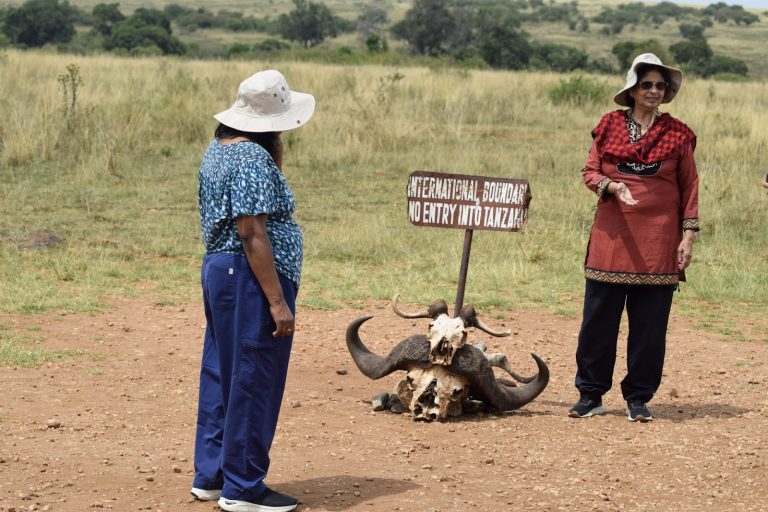
Kenya combines well with the Serengeti and Zanzibar, and many travelers on a Kenya safari for Americans fly into Nairobi and home from Zanzibar. Each country has its own entry paperwork, so build the extra time into your plan and ask us to check the rules for your exact route. Our Kenya and Tanzania safari packages page shows how the pieces fit.
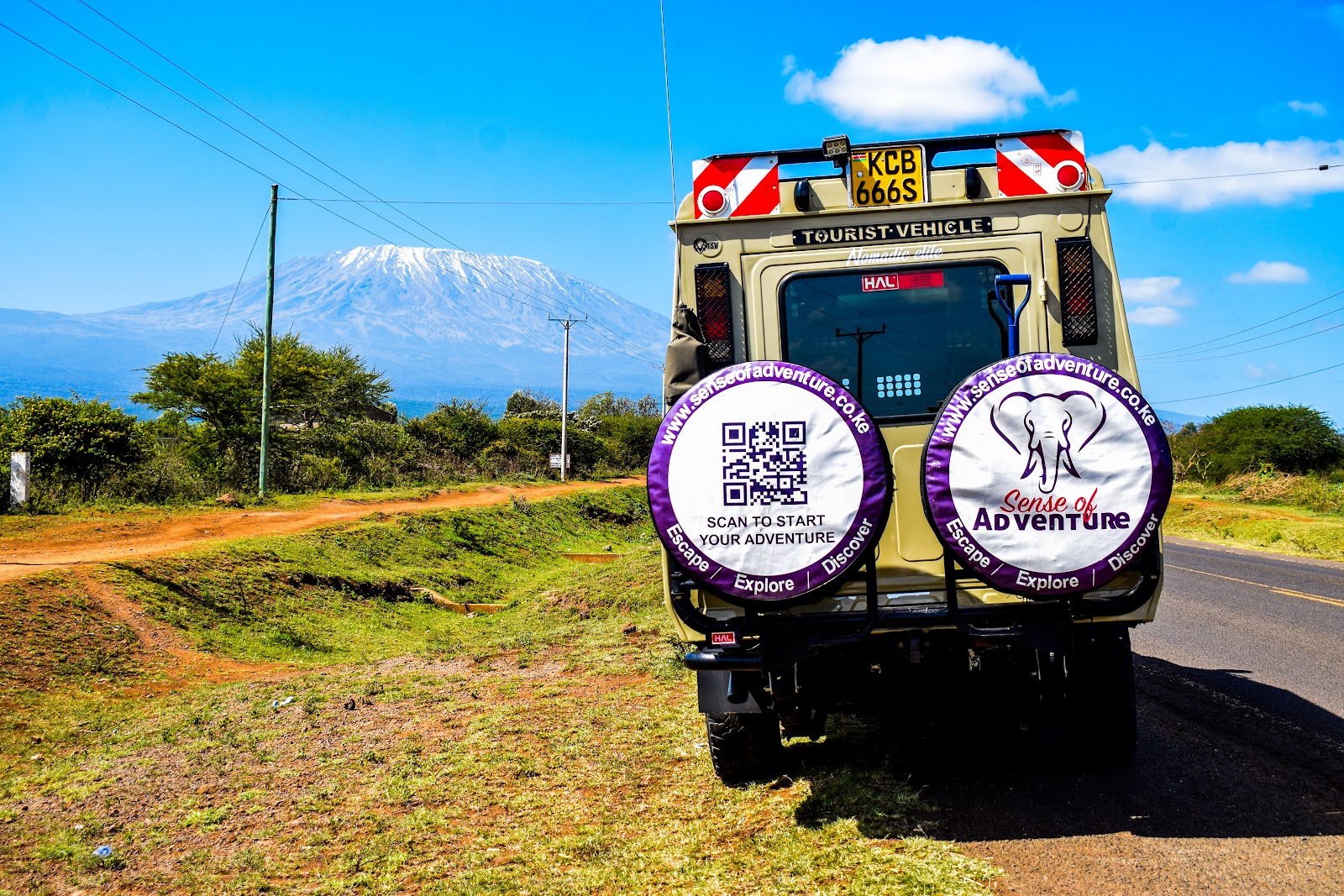
Drive, fly or add Zanzibar? Get a route that fits your vacation days
Tell us how many days you can be away from the US and what matters most. We will suggest the route that fits your Kenya safari for Americans, with road and fly-in options side by side.
Choose My Safari RouteStep 4: Choose an Operator You Can Trust
Many travelers planning a Kenya safari for Americans start with a US agency, which then hands the ground work to a Kenyan company. Booking directly with a licensed local operator puts you in touch with the people who will actually meet you at the airport. Whichever route you take, check these points.
- Licence: Kenyan tour operators must be licensed by the Tourism Regulatory Authority. Ours is TRA1/47/C01/77087; ask any company for theirs.
- Private vehicle: confirm the vehicle is yours alone with a window seat for every guest. Our window seat guide explains what to ask.
- Itemized quote: every park fee, meal and transfer on its own line. Our guide to what is included in a Kenya safari shows what to look for.
- Clear terms: deposit, balance date and cancellation scale in writing. Read our safari cancellation policy guide before you commit to anyone, including us.
- Evacuation cover: ask whether flying-doctor cover is included. Every Sense of Adventure safari includes AMREF Flying Doctors evacuation cover.
Before you book a Kenya safari for Americans with us, we brief you on the current official travel advice for your route and confirm everything in writing.
Step 5: Brief Us for a Quote
A good brief gets you a good Kenya safari for Americans quote on the first try. Send us these details by WhatsApp or email:
- Your travel dates, or the month and how flexible you are.
- Your home airport, and whether flights are booked.
- Who is traveling, with children’s ages and any mobility, dietary or medical needs.
- What matters most: the migration, big cats, elephants, photography, a celebration, the beach.
- Your comfort level: we quote Midrange 3* and Standard Luxury 4* side by side.
- A budget range per person, excluding international flights.
We reply to every Kenya safari for Americans brief with a suggested route and a written, itemized quote in US dollars. Once you are happy, a deposit secures your camps and vehicle, we confirm the terms in writing, and you move on to the paperwork below. Our guide to booking flights or safari first explains why the safari usually comes first. To see the trips we build most often for Americans, with prices, browse our Kenya safari packages from the USA.
Step 6: Apply for the Kenya eTA and Travel Insurance
On a Kenya safari for Americans, US passport holders do not need a visa, but every traveler, including children, needs an approved Electronic Travel Authorization (eTA) before boarding. Apply only on the official portal, etakenya.go.ke; look-alike sites charge far more for the same thing.
The eTA, step by step
- Get ready: a passport valid for at least six months with one blank page, a selfie or passport-style photo, your email and phone number, your flight itinerary and your accommodation confirmation (we provide this once you book).
- Buy the Kenyan travel health insurance first (see below). The portal checks for a valid policy and will not let you finish the eTA without one.
- Complete one application per person. Each traveler in a family or group needs their own eTA.
- Pay by card. Standard processing is from USD 30; expedited processing costs an extra USD 100.
- Wait for approval. Most applications are processed within about three business days. You may travel only once it is approved, so apply at least three to four weeks before you fly.
Kenya’s mandatory travel health insurance
For arrivals from 5 October 2026, visitors must hold an inbound travel health insurance policy from Kenya’s approved scheme, with up to USD 50,000 of combined cover. It costs USD 44 per traveler, and every traveler, including each child, needs their own policy. You buy it during the eTA application or beforehand through Kenya’s eCitizen insurance service. A US health or travel policy cannot be uploaded or used instead. Our Kenya mandatory travel insurance guide walks through it screen by screen.
Keep your own trip insurance too. The Kenyan policy is a minimum. Buy a US policy that covers cancellation, medical treatment and evacuation as soon as you pay your deposit, and ask your insurer to confirm its Kenya cover in writing.
Step 7: Book Flights From the US to Nairobi
Nairobi’s Jomo Kenyatta International Airport (NBO) is the gateway for almost every Kenya safari for Americans. Kenya Airways flies the only nonstop from the United States, New York JFK to Nairobi, in about 14 hours. It leaves New York in the early afternoon and lands the next morning, which gives you a day to rest before heading to the bush. From the West Coast, the Midwest and the South, most travelers connect once, either through New York or through a European, Gulf or Ethiopian hub. Schedules change by season, so check current times with the airline and send us your flight details once booked.
Kenya is on East Africa Time (UTC+3) all year with no daylight saving. Nairobi is 8 hours ahead of US Eastern time in winter and 7 in summer, and 11 hours ahead of Pacific time in winter and 10 in summer. On every Kenya safari for Americans we recommend a first night in Nairobi; early game drives then reset your body clock within a couple of days.
Step 8: Prepare Your Health
Health preparation for a Kenya safari for Americans is routine and straightforward. Book a travel clinic visit 6 to 8 weeks before you fly to review routine vaccines and any travel vaccines your doctor recommends.
- Malaria: tablets are advised for the main safari parks and the coast; Nairobi itself is low risk. Add repellent and long sleeves at dusk. Our Kenya safari malaria guide covers the practical side.
- Yellow fever: a certificate is needed only if you arrive from a country with yellow fever risk, so check any connections or side trips. Our Kenya vaccination requirements guide explains the rule.
- Medication: carry prescriptions in your hand luggage with a few days’ spare, plus a small kit for stomach upsets and sun.
- Peace of mind: your driver-guide is in contact with our Nairobi team throughout, and our guide to getting sick on safari explains how care works in the bush.
Step 9: Sort Out Money, Tipping, Phones and Power
- Currency: the local currency is the Kenya shilling, but safaris are priced in US dollars, which makes budgeting a Kenya safari for Americans simple. Your safari is paid in advance, so you only need money for tips, drinks and souvenirs.
- Cards: Visa and Mastercard are widely accepted in hotels, malls and larger restaurants, and Kenya Wildlife Service park gates are cashless. Let your bank know your travel dates.
- Cash: bring a supply of newer, clean US bills in small denominations for tips and markets.
- Tipping: tips for driver-guides and camp staff are customary and appreciated. Amounts vary by camp and group size, so ask us when you book and we will give you current guidance. Our Kenya safari spending money guide helps you budget for tips and extras.
- Phones and Wi-Fi: check your roaming plan or set up a travel eSIM before you fly. Most camps offer Wi-Fi in the main areas, though it can be slow in remote places.
- Power plugs: Kenya uses Type G, the three-pin UK-style socket, at 240 volts. Bring a Type G adapter and check that your chargers handle 240 V. Our vehicles have charging ports for phones and camera batteries on the move.
Step 10: Pack for Safari and Light Aircraft
Packing for a Kenya safari for Americans comes down to two words: light and soft. If your trip includes a flight between parks, light aircraft usually allow around 15 kg (33 lb) per person in soft-sided bags, including hand luggage. Our safari duffel bag guide explains sizes and where to leave extra luggage in Nairobi.
- Clothing: neutral colors such as khaki, olive and tan; leave camouflage at home, as it is reserved for the military in Kenya.
- Layers: a fleece or light jacket for cold 6 a.m. drives, and breathable shirts for warm afternoons.
- Sun kit: a wide-brimmed hat, sunglasses, high-factor sunscreen and lip balm.
- Optics: binoculars for each traveler if you can, and a camera with a zoom lens.
- Plastic bags: Kenya bans single-use plastic carrier bags, so use zip pouches or packing cubes.
What a Typical Safari Day Looks Like
On a Kenya safari for Americans, days follow the animals, not the clock you know at home. A wake-up call with coffee comes before sunrise, and you are out on the first game drive as the light turns gold and the predators are most active. You return for a late breakfast, or take a picnic and stay out all day when the herds are near.
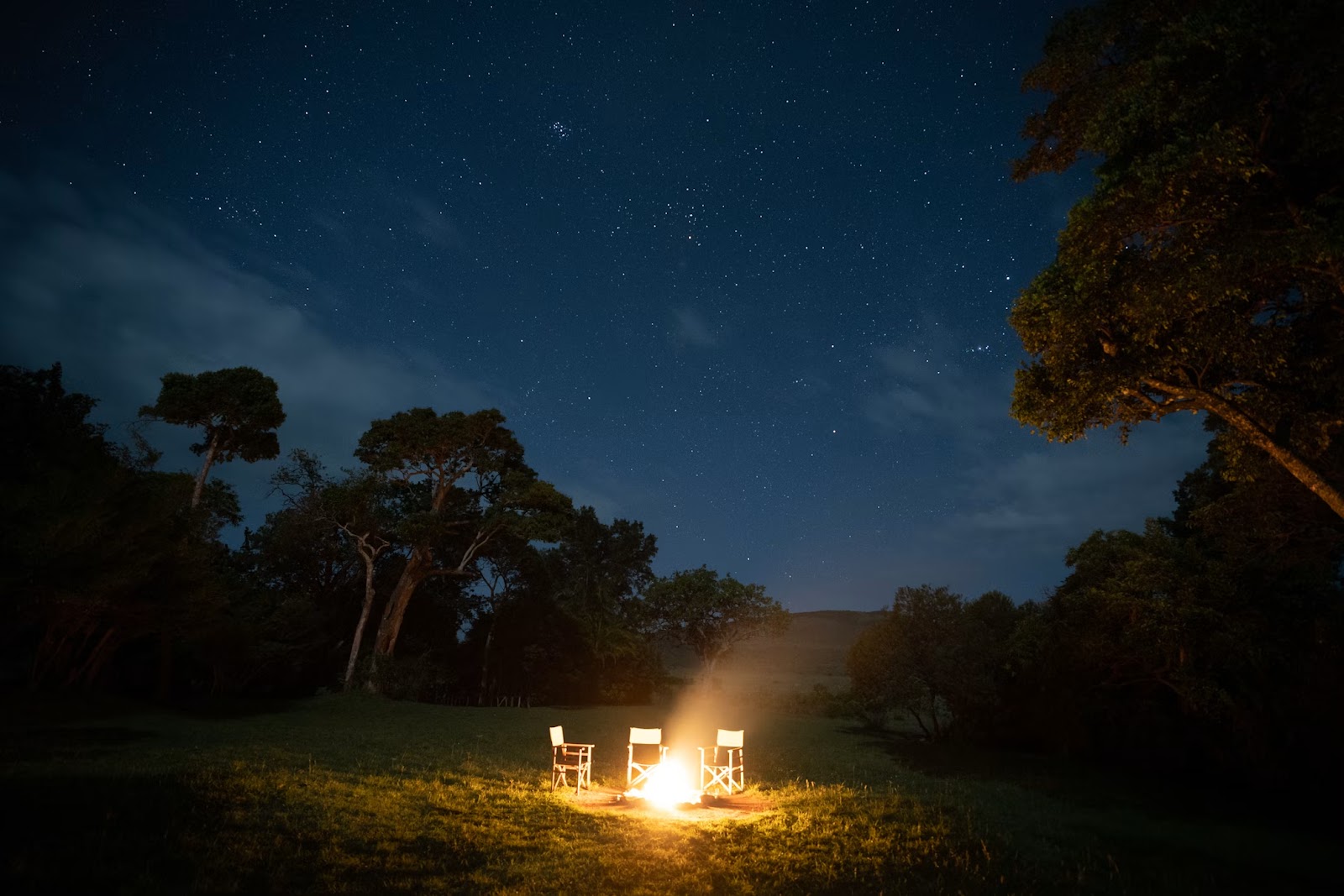
Midday is for lunch, a swim or a nap while the animals rest in the shade. The afternoon drive starts around 4 p.m. and ends with sundowners as the sun drops over the plains. Evenings mean dinner, a campfire and a sky with no light pollution. In a private vehicle you set the pace: linger at a leopard tree, skip the midday break, or head back early with tired children. Our hour-by-hour guide to a typical day on safari in Kenya fills in the detail.
5 Planning Mistakes to Avoid on a Kenya Safari for Americans
Most problems on a Kenya safari for Americans come from a few avoidable planning slips. These are the ones our Nairobi team sees most often, and each is easy to fix if you know about it early.
- Booking flights before the safari: if the camps you want are full, non-refundable fares lock you into the wrong dates. Confirm the safari first, then buy flights.
- Using a look-alike eTA site: only etakenya.go.ke is official. Copycat sites charge more for the same authorization and can delay approval.
- Packing a hard suitcase: light aircraft need soft bags, and a hard case may have to stay behind in Nairobi.
- Trying to see everything: too many parks means long days in the vehicle. Two or three areas in a week is plenty for a first trip.
- Skipping a buffer night: a delayed connection through Europe or the Gulf can cost you your first game drive, so arrive a night early.
Avoid these and a Kenya safari for Americans runs smoothly from the first email to the last sundowner. If you are unsure about any step, ask us before you pay for anything.
A Sample 7-Day Kenya Safari for Americans
This is the route of our Kenya Classic Safari, the one we recommend most often for a first Kenya safari for Americans.
- Day 1, Nairobi to Amboseli: collected from your hotel after breakfast, arrive for lunch and take an afternoon game drive among the elephant herds.
- Day 2, Amboseli: a sunrise drive for the clearest view of Kilimanjaro, then an afternoon by the swamps.
- Day 3, Amboseli to Lake Naivasha: drive into the Great Rift Valley; an afternoon boat trip among hippos and fish eagles.
- Day 4, Naivasha to the Masai Mara: arrive for lunch and an afternoon game drive.
- Days 5 and 6, Masai Mara: a full day on the plains with a picnic lunch, then more drives, with an optional balloon flight or Maasai village visit.
- Day 7, Mara to Nairobi: an early game drive, then back to Nairobi by road or air for your evening flight home.
With ten days, add a few nights on Diani Beach on our Kenya Safari and Beach Holiday. Travelers who prefer to fly rather than drive often choose our gentle fly-in safari for seniors. For current prices on every Kenya safari for Americans, including private and luxury routes, see the Kenya safari packages from the USA page.
Ready to compare trips and lock in US vacation dates?
See private, luxury, family and honeymoon routes for American travelers, each with a starting price in US dollars. US summer and Christmas dates fill 9 to 12 months ahead, so send your dates and we will check live camp availability for your Kenya safari for Americans.
View Kenya Safari Packages From the USA Check My US DatesKenya Safari for Americans FAQs
Do Americans need a visa for Kenya?
No visa is needed for a Kenya safari for Americans, but every US passport holder, including children, needs an approved Kenya eTA from the official portal, etakenya.go.ke, before boarding. You also need Kenya’s mandatory travel health insurance, bought during or before the eTA application.
How far ahead should I plan a Kenya safari from the US?
Start 9 to 12 months ahead for July to October and the Christmas holidays, when small camps fill first. For other months, 4 to 6 months is usually enough. Apply for the eTA and insurance 3 to 4 weeks before you fly.
Is there a nonstop flight from the US to Nairobi?
Yes. Kenya Airways flies nonstop from New York JFK to Nairobi in about 14 hours, arriving the next morning. From other US cities, most travelers connect once through New York or a European, Gulf or Ethiopian hub.
When is the best time for Americans to go on safari in Kenya?
July to October for the Great Migration in the Masai Mara, which is also the busiest period. Late January to February is dry and quieter, and late November offers green-season value around Thanksgiving.
How many days do I need for a first Kenya safari?
Seven days on the ground is the sweet spot for a first Kenya safari for Americans, covering Amboseli, Lake Naivasha and the Masai Mara. Add two travel days for the flights. Ten to twelve days lets you add a beach stay or the northern parks.
Do I need malaria tablets for a Kenya safari?
Malaria tablets are advised for the main safari parks and the coast, while Nairobi itself is low risk. See a travel clinic 6 to 8 weeks before you fly to discuss the right tablets and any vaccines.
What plug adapter do I need for Kenya?
Kenya uses Type G sockets, the three-pin UK style, at 240 volts. Bring a Type G adapter and check that your chargers accept 240 V. Our safari vehicles also have charging ports.
What should I send to get a Kenya safari quote?
Send your dates, home airport, who is traveling with any children’s ages, what you most want to see, your preferred comfort level and a budget range per person. We reply with a route and a written, itemized quote in US dollars.
Plan your Kenya safari with Sense of Adventure
Kenya-based experts, private vehicles and transparent pricing in US dollars. Tell us your dates and home airport and we will build your first Kenya safari for Americans around the right parks and the right season.
WhatsApp +254 799 160 081 Email reservations@senseofadventure.co.keEscape. Explore. Discover.
Related Safari Guides
- › Kenya Safari Packages From the USA
- › Kenya Mandatory Travel Insurance Guide
- › How Much Does an African Safari Cost?
- › Great Migration 2027: When, Where and How to Book
- › How to Request a Safari Quote and Get It Fast
- › A Typical Day on Safari in Kenya
Official travel & park resources: Kenya Wildlife Service ↗ · Kenya eTA portal ↗ · Magical Kenya, the official tourism site ↗