Planning a Kenya safari from the UK is far simpler than it looks from a kitchen table in Leeds or London. Nonstop flights run from Heathrow to Nairobi, the paperwork is an online form plus a short insurance policy, the time difference is two or three hours, and every Kenyan operator quotes in US dollars, so comparing trips is straightforward. This guide walks British travellers through the whole process in the order you will actually do it: when to start, what to apply for, how to fly, how to pay, what to pack and how to brief a safari company so the quote you get back is the one you wanted.
Sense of Adventure is a licensed Kenyan tour operator and DMC (Tourism Regulatory Authority, TRA1/47/C01/77087), based at Mountain Mall on Thika Road, Nairobi. We plan private safaris for British couples, families and friends every year, and the questions below are the ones we answer most often. Ready to compare trips? See our Kenya safari packages from the UK for real itineraries and starting prices. This page is about everything else.
✅ Kenya Safari from the UK: Quick Answer
- Start planning: 9 to 12 months ahead for the summer holidays or Christmas; 4 to 6 months for quieter months.
- Paperwork: a Kenya eTA from the official portal plus Kenya’s mandatory travel health insurance, both online before you fly. No visa.
- Flights: British Airways and Kenya Airways fly nonstop from Heathrow to Nairobi; Kenya Airways also serves Gatwick on selected days.
- Money: safaris are priced in US dollars; pay by card or bank transfer and carry some small, newer US dollar notes for tips.
- Cost: on the ground, a private Kenya safari from the UK starts from USD 1,290 per adult sharing for five days, before international flights.
- Luggage: if you fly between parks, expect about 15 kg per person in a soft bag, hand luggage included.
- Plugs: Kenya uses the same three-pin Type G sockets as the UK.
Starting your Kenya safari from the UK from scratch? Tell us your school dates or travel window and we will send a first route idea with honest timings.
Start My UK Safari Plan1. Your Kenya Safari from the UK Planning Timeline
The single most useful thing you can do for a Kenya safari from the UK is start early, especially if you are tied to school holidays. The best-located camps in the Masai Mara have a limited number of tents, and in late July, August and the Christmas fortnight they fill months in advance. Here is the order we suggest to British guests.
- 9 to 12 months before: decide your travel window, who is coming and roughly how many nights. Send us a brief (see step 12) and ask for a written quote in both of our comfort levels, Midrange 3* and Standard Luxury 4*.
- 8 to 10 months before: confirm the itinerary and pay the deposit so the camps are held. Buy UK travel insurance the same day, so cancellation cover starts straight away.
- Straight after the deposit: book your international flights. Our guide to whether to book flights or safari first explains why we suggest holding the camps before you buy the tickets.
- 3 months before: check every passport has at least six months’ validity beyond your return date and a blank page. Renewing a British passport can take several weeks, so do not leave it late.
- 6 to 8 weeks before: book a travel clinic or GP appointment for vaccinations and malaria advice.
- 4 to 6 weeks before: pay the balance, apply for each traveller’s Kenya eTA and buy Kenya’s travel health insurance, and send us your final flight numbers so we can time your airport pick-up.
- 1 to 2 weeks before: pack against the luggage limit for any light-aircraft flights, order some US dollars in small notes and download your eTA approvals to your phone and print a copy.
Travelling in a quieter month such as June, October or late January? Four to six months is usually enough for a Kenya safari from the UK, and occasionally we can put together a good trip at a few weeks’ notice. If you want a feel for what different levels of safari cost before you start, read how much an African safari costs.
2. Kenya Safari from the UK Paperwork: eTA and Health Insurance
British passport holders do not need a visa for Kenya, but every traveller on a Kenya safari from the UK, children included, needs an approved Electronic Travel Authorisation (eTA) before boarding. Apply only on the official government portal, etakenya.go.ke; copycat sites often appear higher in search results and charge far more for the same form.
How to apply for the eTA, step by step
- Open etakenya.go.ke and start a new application. Each traveller needs their own, although one person can complete them on behalf of the family.
- Have ready a passport valid for at least six months with a blank page, a passport-style photo or selfie, an email address and phone number.
- Upload your flight itinerary and your accommodation confirmation. Our written booking confirmation, listing each camp and lodge, does the job.
- Pay by card. The standard fee starts from USD 30, with an optional expedited service at extra cost; the portal shows the current amount.
- Allow at least three working days for approval. Most applications are processed within that time, but some take longer, so apply well before you fly.
Kenya’s mandatory travel health insurance
Since October 2026, short-stay visitors must also hold Kenya’s inbound travel health insurance, which you can buy during the eTA application or separately on the government’s eCitizen portal. It costs about USD 44 per traveller plus small processing fees, covers up to 90 days, and each child needs their own policy. A UK travel insurance policy cannot be uploaded or used instead, though you should keep one for cancellation and wider cover. Our Kenya mandatory travel insurance guide explains the cover, the cost and how to buy it in a few minutes.
Before you book a Kenya safari from the UK, we talk you through your route and current travel conditions. It is also worth reading the UK government’s FCDO travel advice for Kenya, which many insurers expect you to follow.
3. Flights for a Kenya Safari from the UK: Heathrow and Gatwick
London is one of the best-connected cities in Europe for Kenya, which is a big part of why a Kenya safari from the UK is so easy to arrange. British Airways and Kenya Airways both fly nonstop from Heathrow to Nairobi’s Jomo Kenyatta International Airport (JKIA), and Kenya Airways also flies nonstop from Gatwick on selected days of the week. The flight takes roughly 8.5 to 9.5 hours. Schedules include overnight departures that land early in the morning, which means you can be on the road to the Rift Valley or Amboseli the same day, or rest for a night in Nairobi first. Frequencies change between the summer and winter seasons, so check the current timetable on the British Airways or Kenya Airways website when you book.
- Heathrow logistics: check which terminal your airline uses before you set off, allow time for the Elizabeth line, Heathrow Express or a long-stay car park, and aim to check in with plenty of time on an overnight flight in the school holidays.
- From the regions: from Manchester, Birmingham, Edinburgh, Glasgow or Bristol, a one-stop connection via a European or Gulf hub often saves the trip down to London. Total journey times are longer, but you avoid a domestic transfer.
- Arrival: your driver-guide meets you in the arrivals hall at JKIA with a name board. Send us your flight number and we track the flight, so a delay does not matter.
- Time difference: Kenya is on East Africa Time (UTC+3) all year: three hours ahead of the UK in winter and two hours ahead during British Summer Time, so there is no real jet lag.
We sell ground arrangements only, so the international flights for your Kenya safari from the UK are your own booking. Pay for them with a credit card where you can, and keep the e-tickets with your safari confirmation.
4. Money for a Kenya Safari from the UK: Pounds, Dollars and Cards
A Kenya safari from the UK is priced in US dollars, not pounds. Every quote you receive, from us or from any other operator, will be in dollars, which makes like-for-like comparison easy. Your bank or card provider converts the amount into sterling at its own rate on the day you pay, so check the current rate yourself and allow a small margin for movement between the deposit and the balance.
- Paying for the safari: deposit and balance by bank transfer or card, as set out on your written quote. Ask your bank about its international transfer and foreign-exchange fees before you pay; they vary widely between UK banks and specialist transfer services.
- Cards on the ground: Visa and Mastercard are widely accepted at lodges, hotels and larger shops; a card with no foreign-transaction fee is worth having. Let your bank know your travel dates.
- Cash: carry a modest amount of US dollars in small denominations for tips and incidentals. Notes printed in recent years are accepted most easily; older or torn notes are often refused. Kenyan shillings are useful for small purchases and are easy to get from ATMs in Nairobi.
- Sterling: some camps accept it, many do not, so do not rely on it.
- Tipping: tips are discretionary and always appreciated. Ask us and we will give you guidance for your exact itinerary in your pre-departure notes; our tipping on safari guide sets out how it works.
What a Kenya Safari from the UK Costs
The ground cost of a Kenya safari from the UK depends on the number of nights, the season, your comfort level and whether you drive or fly between parks. As a guide, these are the starting prices on our own package pages, per adult sharing, in US dollars. They cover the private vehicle and driver-guide, accommodation, meals on safari, park fees and transfers as listed on each trip, but not international flights, the eTA, insurance or tips.
Starting prices for a Kenya safari from the UK
- Kenya Family Safari, 5 days (Nairobi, Lake Naivasha and the Masai Mara): from USD 1,290.
- Kenya Classic Safari, 7 days (Amboseli, Lake Naivasha and the Masai Mara): from USD 1,650.
- Family Safari and Beach, 8 days (Tsavo, Amboseli and Diani): from USD 1,950.
- Kenya Highlights Safari, 9 days (Samburu, Ol Pejeta, Lake Nakuru and the Masai Mara): from USD 2,350.
- Great Migration Safari in Kenya and Tanzania, 12 days: from USD 4,600.
Peak weeks such as August and Christmas usually cost more than the starting figure, and a Standard Luxury 4* version costs more than Midrange 3*. Your written quote shows both, line by line, so you can see where the money goes before you add flights from London. For more on comfort levels, read our private Kenya safari guide.
Want a written price for your Kenya safari from the UK?
Send us your travel window and the number of travellers. We reply with an itemised quote in Midrange 3* and Standard Luxury 4*, so you can compare it with the Kenya safari packages from the UK on our site.
Request My Written Quote Compare UK Safari Packages5. Timing a Kenya Safari from the UK Around School Holidays
Kenya has wildlife in every month, so the real question for a Kenya safari from the UK is which trade-off suits you. School dates vary between local authorities and between England, Scotland, Wales and Northern Ireland, so check your own council’s calendar before you fix anything.
- Summer holidays (late July and August): the dry season and the Great Migration in the Masai Mara, with river crossings possible but never guaranteed. The busiest weeks of the year, so plan 9 to 12 months ahead. Scottish schools break up earlier, which can mean slightly quieter dates in early July. Our Great Migration 2027 guide covers the timing.
- October half-term: often still dry, with the migration herds sometimes lingering and fewer vehicles than August. The short rains can begin towards the end of October or in November.
- Christmas and New Year: warm, green and popular, with festive dinners at camp. Book early and expect festive supplements. See our Christmas safari in Kenya guide.
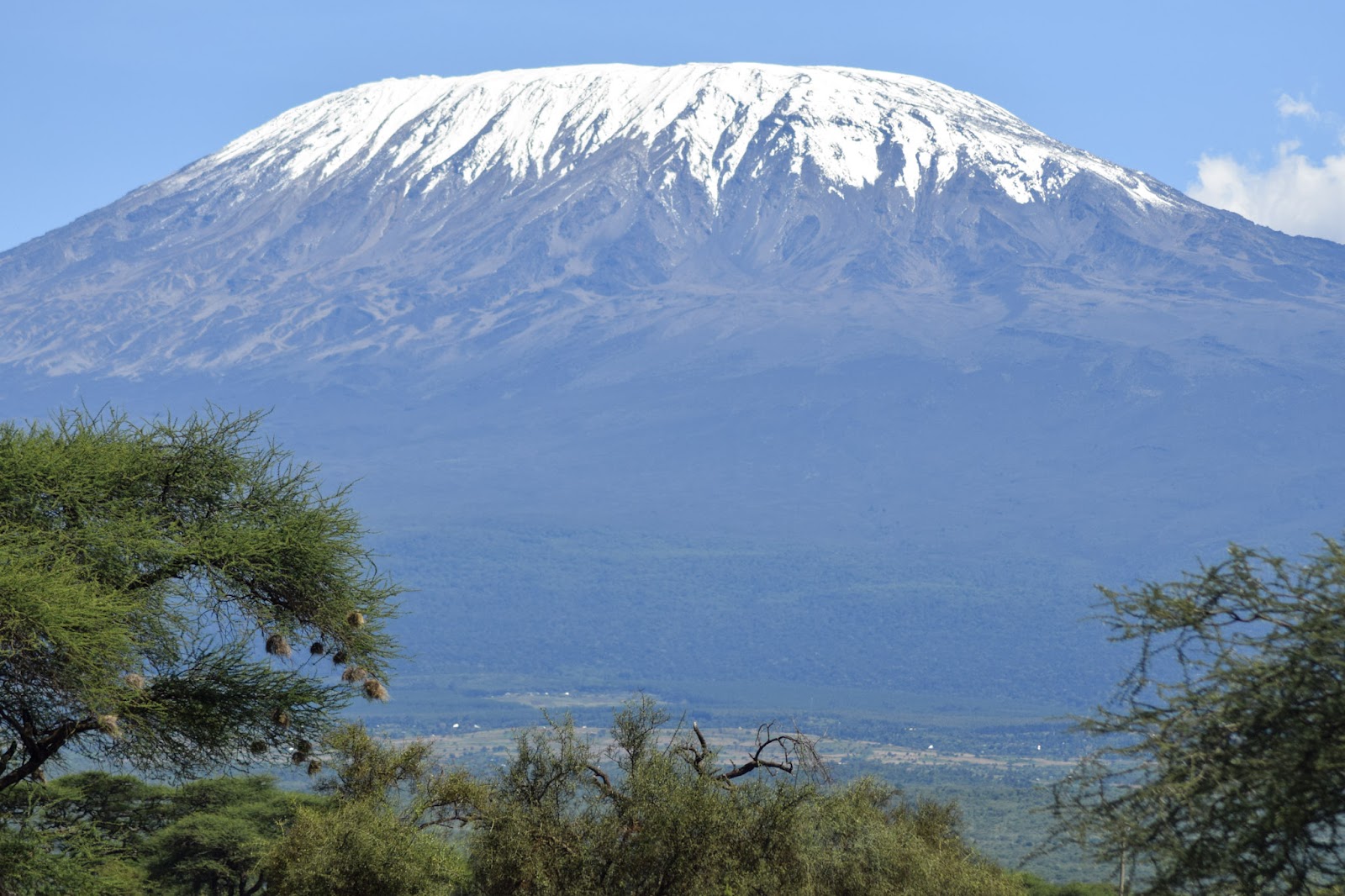
- February half-term: typically hot and dry, with good big-cat viewing and clear mornings for Kilimanjaro from Amboseli. A five- or six-day safari fits a half-term week well; read Kenya safari in January for early-year conditions.
- Easter and May half-term: these can fall in the long rains. Expect green landscapes, lower rates and afternoon showers, with some camps closed; ask us what your exact dates are likely to bring.
6. What to Pack for a Kenya Safari from the UK
Packing for a Kenya safari from the UK is about layers and restraint. Early game drives are cool enough for a fleece, especially in the Mara and Laikipia, while afternoons are warm. Most camps offer laundry, so you need less than you think.
- Clothing: neutral colours (khaki, olive, sand), three or four lightweight shirts including long sleeves for evenings, a fleece or light down jacket, a light waterproof in the rainy months and comfortable closed shoes.
- Sun and insects: a wide-brimmed hat, sunglasses, high-factor sun cream and an insect repellent recommended by your travel clinic.
- Kit: binoculars for every traveller if possible, a camera with a zoom lens, spare memory cards and a power bank. Our vehicles have charging ports, so you can top up between sightings.
- Power and connectivity: Kenya uses Type G three-pin sockets, the same as the UK, so your chargers work without an adaptor. Many lodges offer Wi-Fi in the main areas, and a Kenyan SIM or eSIM gives mobile data in most towns and many parks.
- Documents: passport, printed eTA approvals, insurance details, your safari confirmation and copies of prescriptions.
Our full Kenya safari packing list covers the rest, including what to leave at home.
7. Light-Aircraft Luggage Limits
If your Kenya safari from the UK includes a scheduled light-aircraft flight between Nairobi’s Wilson Airport and a bush airstrip, luggage rules are much stricter than on your flight from London. The main domestic safari airlines typically allow 15 kg per person including hand luggage, packed in a soft bag with no rigid frame or wheels that stick out, because bags are squeezed into small holds. Some coastal routes allow a little more. Your exact allowance will be on your confirmation.
- Use a soft duffel with wheels only if they are flush with the bag; avoid hard-shell suitcases.
- Weigh your bag at home with your camera bag and hand luggage counted in the total.
- Extra luggage can usually be stored in Nairobi while you are on safari, or an extra seat can sometimes be bought for heavy camera equipment; ask us when you book.
- On a road safari in our private Land Cruiser the limit is far more relaxed, but a soft bag still packs more easily.
8. UK Travel Insurance and ATOL Explained
When you book a Kenya safari from the UK, two very different things often get muddled: travel insurance, which protects you, and ATOL, which protects the money you pay for certain flight-inclusive bookings.
UK travel insurance
- Buy it as soon as you pay your deposit, so cancellation cover starts immediately.
- Make sure it includes medical treatment and repatriation. A GHIC or EHIC does not cover you in Kenya.
- Tell the insurer exactly what is on your itinerary. Balloon flights, walking safaris and horse riding sometimes need an add-on.
- Declare pre-existing conditions and check any upper age limits.
- Because flights and safari are booked separately, ask whether the policy includes scheduled airline failure or supplier failure cover.
Every Kenya safari from the UK that we run also includes AMREF Flying Doctors evacuation cover, which flies you from a remote area to hospital in Nairobi if needed. It complements your UK policy rather than replacing it.
ATOL, in plain English
ATOL is the UK scheme, run by the Civil Aviation Authority, that gives financial protection when you book a package that includes a flight from a business holding an ATOL licence. The Civil Aviation Authority says these rules also apply to businesses based outside the UK that sell flight-inclusive packages to UK consumers. According to the official ATOL website, it does not cover flights bought directly from an airline that issues you an e-ticket, and it is not travel insurance.
Sense of Adventure is a Kenyan company that sells ground arrangements only: vehicle and driver-guide, camps and lodges, park fees, transfers and any in-country flights on your itinerary. We sell land-only safaris direct and never bundle international flights, so our safaris are not ATOL-protected; if you want a flight-inclusive package, we can work through a UK partner that holds its own ATOL. Many British guests book flights directly with the airline and their Kenya safari from the UK directly with us, which keeps costs down and puts them in touch with the team on the ground. Others prefer a UK operator that bundles flights with ATOL protection. Both are reasonable choices; what matters is that you know which you are buying and insure accordingly. Our UK land-only safari guide goes deeper on booking flights separately and protecting your payments.
9. Health Preparation for a Kenya Safari from the UK
Health preparation for a Kenya safari from the UK is routine and straightforward. Book a travel clinic or GP appointment 6 to 8 weeks before you fly so there is time for any vaccine courses, and take your itinerary with you.
- Vaccinations: the NHS Fit for Travel Kenya page lists the usual courses and boosters (such as tetanus, diphtheria, polio and hepatitis A) and others to discuss, such as typhoid. Your clinic will tailor advice to you.
- Yellow fever: a certificate is required if you arrive from a country with a risk of yellow fever transmission, and vaccination is usually recommended for travel to risk areas. If you are connecting through another African country, mention it to your clinic.
- Malaria: antimalarial tablets are usually advised for the main safari parks and the coast, while Nairobi itself is low risk. Your clinic will recommend the right tablet; add repellent and long sleeves from dusk. Our Kenya safari malaria guide explains more.
- Medication: carry prescription medicines in your hand luggage in their original packaging, with a copy of the prescription.
- On safari: drink bottled or filtered water, which camps provide, and keep sun cream and a hat to hand. Our getting sick on safari guide covers how care works in the bush.
10. What a Typical Safari Day Looks Like
Most people on a first Kenya safari from the UK are surprised by the rhythm of a safari day. It starts early and has a long, lazy middle.
- Around 6:00: tea or coffee, then out in the Land Cruiser as the light comes up, when predators are most active. The pop-up roof means everyone stands for a clear view.
- Mid-morning: back to camp for a cooked breakfast, or a bush breakfast on the plains if you stay out.
- Midday: lunch, then time to rest, swim or read through the heat of the day.
- Around 16:00: afternoon game drive, ending with a sundowner as the sun drops.
- Evening: dinner at camp and an early night. Most guests are asleep by ten.
Because your vehicle and driver-guide are private, you can shift this to suit you: a full day out with a picnic lunch in the Mara, a shorter drive for young children or a lie-in after a long travel day. A first trip that many British guests choose is our 7-day Kenya Classic Safari through Amboseli, Lake Naivasha and the Masai Mara, and with more time you can add the coast; read combining a safari with a beach holiday.

Which Route Suits Your First Kenya Safari from the UK?
Most British travellers have between 7 and 14 nights, and the long flight makes it worth staying at least a week. The right route for a Kenya safari from the UK depends on how many nights you have, who is travelling and whether a beach finish matters. These are the shapes we most often suggest to UK couples and families. All use a private vehicle and can be adjusted.
- One week, first visit: Amboseli for elephants beneath Kilimanjaro, a night at Lake Naivasha and three nights in the Masai Mara. This is the classic first Kenya safari from the UK.
- Young children: shorter drives and a gentler pace, such as the Lake Naivasha family safari with hippo boat rides and rhinos at Lake Nakuru.
- Rhinos and the north: the 9-day Kenya Highlights route adds Samburu, Ol Pejeta and Lake Nakuru to the Mara, a good fit for a second visit or a longer summer break.
- Safari and sea: five to seven nights in the parks, then three or four nights at Diani, the favourite shape for a two-week Kenya safari from the UK.
- Short on time: starting straight from the airport saves a day; our Kenya safari from Nairobi guide shows routes that begin at JKIA.
A sample 10-night Kenya safari from the UK
- Arrival: overnight flight from Heathrow, then meet your driver-guide at JKIA and drive south to Amboseli in time for lunch.
- Nights 1 and 2, Amboseli: sunrise drives for Kilimanjaro views and afternoon drives among the elephant herds.
- Night 3, Lake Naivasha: a boat ride among hippos and fish eagles in the Great Rift Valley.
- Nights 4 to 6, Masai Mara: full-day drives with picnic lunches, big cats and the Great Migration in season.
- Nights 7 to 10, Diani: fly from the Mara to the coast for four nights by the Indian Ocean, then fly to Nairobi for the overnight flight home.
This shape fits a two-week summer break, with a travel day at each end, and it is easy to shorten: drop the coast and it becomes a one-week Kenya safari from the UK. We price it in both comfort levels so you can decide where to spend and where to save.
Not sure which route fits your Kenya safari from the UK?
Tell us how many nights you have and who is travelling, and we will suggest the two routes that suit you best, with or without a beach finish.
Help Me Choose a Route See Private Safari OptionsCommon Mistakes to Avoid on a Kenya Safari from the UK
Most problems we see on a Kenya safari from the UK are small and avoidable, and nearly all of them happen at home rather than in the bush.
- Buying flights before the camps are held: in August and at Christmas the best-located camps go first, so a cheap fare can leave you with second-choice lodges.
- Using a copycat eTA website: only etakenya.go.ke is official; unofficial sites charge more for the same form.
- Forgetting Kenya’s travel health insurance: it is separate from your UK policy and needed for every traveller, children included.
- Packing a hard suitcase for a fly-in trip: light aircraft need soft bags of about 15 kg each, hand luggage included.
- Trying to see too much: long drives every day leave little time for sightings; two or three nights per stop is a better rhythm.
- Bringing old or torn dollar notes: they are often refused, so order newer small notes before you travel.
11. Choosing an Operator for a Kenya Safari from the UK
For a Kenya safari from the UK, British travellers usually choose between a UK tour operator, an online marketplace or booking directly with a licensed Kenyan company. Whichever route you take, check the same things.
- Licence: Kenyan operators must be licensed by the Tourism Regulatory Authority. Ours is TRA1/47/C01/77087.
- Private vehicle: a 4×4 with a pop-up roof that is yours alone, with a window seat for every guest.
- Itemised written quote: park fees, meals, transfers and any supplements on separate lines, with deposit and cancellation terms in writing before you pay.
- Evacuation cover: ask whether flying-doctor cover is included for the safari days.
- Responsiveness: how quickly and clearly they answer before you have paid is a fair guide to how they will look after you once you are there.
Our questions to ask before booking a safari and safari cancellation policy guide are worth ten minutes before you commit to anyone, including us. Still weighing up destinations? Our Kenya vs South Africa safari comparison is a fair place to start.
12. How to Brief Us for Your Kenya Safari from the UK
The more we know at the start, the closer our first quote for your Kenya safari from the UK will be to the trip you have in mind. Copy these points into a WhatsApp message or email:
- Your travel window, and whether it is fixed (for example, school holidays) or flexible.
- Who is travelling, with the ages of any children.
- How many nights you want on safari, and whether you would like time on the coast.
- Must-sees: the migration, rhinos, Kilimanjaro, walking, riding, birding or a special occasion.
- Your preferred comfort level, Midrange 3* or Standard Luxury 4*, or ask for both.
- Road or fly-in, and any mobility, dietary or medical needs.
- Your flight arrival and departure times, if already booked.
We reply with a written, itemised quote and a day-by-day itinerary for your Kenya safari from the UK. Families can also browse our Kenya family safari packages, and anyone wanting to compare set routes should start with our Kenya safari packages from the UK.
Kenya Safari from the UK FAQs
How far ahead should I plan a Kenya safari from the UK?
Start 9 to 12 months ahead for a Kenya safari from the UK in the summer holidays, at Christmas or for the Great Migration, when the best camps fill early. For quieter months such as June, October or late January, 4 to 6 months is usually enough, and short-notice trips are sometimes possible.
Do British citizens need a visa for Kenya?
No visa is needed, but every traveller, including children, needs an approved Kenya eTA from the official portal etakenya.go.ke before flying, plus Kenya’s mandatory travel health insurance. Passports should be valid for six months beyond your stay with a blank page.
Which airlines fly nonstop from London to Nairobi?
British Airways and Kenya Airways fly nonstop from Heathrow to Nairobi, and Kenya Airways also flies from Gatwick on selected days. The flight takes roughly 8.5 to 9.5 hours. Check current timetables on the airlines’ own websites.
Should I take pounds or dollars on a Kenya safari?
Take US dollars. Safaris are priced in dollars, and small, recent US dollar notes are the easiest cash for tips. Cards work at most lodges and hotels, and Kenyan shillings are available from ATMs in Nairobi. Sterling is accepted in some places but not reliably.
What is the luggage limit on safari light aircraft?
Domestic safari flights typically allow about 15 kg per person including hand luggage, in a soft bag without a rigid frame. Some coastal routes allow more. Your exact allowance will be on your booking confirmation.
Does ATOL protect a safari booked with a Kenyan operator?
ATOL protects flight-inclusive packages sold to UK consumers by businesses holding an ATOL licence. Sense of Adventure sells ground arrangements only, not international flights, so ATOL does not apply. Buy comprehensive UK travel insurance as soon as you pay your deposit.
Do I need malaria tablets for a Kenya safari?
Antimalarials are usually advised for the main safari parks and the coast, while Nairobi is low risk. See a travel clinic or GP 6 to 8 weeks before you fly for advice tailored to your itinerary.
What should I tell a safari company when asking for a quote?
Share your travel window, who is travelling and children’s ages, how many nights you want, must-see wildlife or activities, your preferred comfort level, road or fly-in, any special needs and your flight times if booked.
How much does a Kenya safari from the UK cost?
On the ground, our private trips start from USD 1,290 per adult sharing for a 5-day family safari and USD 1,650 for the 7-day Kenya Classic route, before international flights, the eTA, insurance and tips. Peak weeks and Standard Luxury 4* camps cost more, and your written quote shows every line.
How many nights do I need for a Kenya safari from the UK?
Plan at least seven nights on the ground, because the journey from London takes most of a day each way. A week covers Amboseli, Lake Naivasha and the Masai Mara; ten to fourteen nights lets you add Samburu, Laikipia or a few nights on the coast at Diani.
Your Kenya safari from the UK, planned in Nairobi
Send us your dates, who is travelling and your flight times, and our Nairobi team will set out your Kenya safari from the UK in writing, in Midrange 3* and Standard Luxury 4*. Or browse our Kenya safari packages from the UK first.
Escape. Explore. Discover.
Send My Safari Brief Email Our Reservations TeamRelated Safari Guides
- Kenya Safari Packages from the UK
- Kenya Mandatory Travel Insurance Guide
- Kenya Safari Packing List
- Great Migration 2027: Timing and Odds
- Masai Mara Safari
- Kenya vs South Africa Safari
- UK Group Safari to Kenya: Tips for British Groups
- UK Half-Term Safari: Kenya Itineraries for One School Week
Park rules, conservation fees and wildlife updates for your Kenya safari from the UK are published by the official Kenya Wildlife Service, and the national tourism board’s Magical Kenya site has more on each region.