
Conservancy fees are the nightly charges you pay to stay on a private or community wildlife conservancy in Kenya, mostly on Maasai-owned land around the Masai Mara and in Laikipia. In 2026 they usually run from about US$70 to US$150 per adult per night, are often built into the camp rate, and fund landowner leases, rangers and wildlife protection.
Sense of Adventure is a licensed safari operator based in Nairobi (TRA licence TRA1/47/C01/77087), and we plan conservancy stays for guests every month. This guide explains what conservancy fees are, what they cost in 2026, how they compare with Masai Mara Reserve fees, where the money goes, how they appear on a quote, what you get in return and whether they are worth paying for your trip.
✅ Conservancy Fees: The Quick Answer
- What they are: a per-person, per-night charge for staying on conservancy land, set by each conservancy.
- Typical 2026 range: about US$70 to US$150 per adult per night in the Mara conservancies; Laikipia conservancies are similar.
- Who receives them: mostly Maasai and other local landowners through lease payments, plus rangers and conservation work.
- Reserve fees: if you stay in a conservancy and never enter the Masai Mara National Reserve, you usually do not pay the reserve fee.
- How you pay: usually included in the camp’s nightly rate or shown as a separate line on your safari quote.
- What you get: fewer vehicles, off-road viewing where permitted, night drives and guided walks at many camps.
🌎 Not Sure Whether a Conservancy Fits Your Budget?
Tell us your dates and budget and we will compare a reserve camp with a conservancy camp for you, fees included. 💬 WhatsApp Us Now or call +254 799 160 081
What Are Conservancy Fees in Kenya?
Conservancy fees are the price of access to land that local people have chosen to set aside for wildlife instead of farming, fencing or grazing it heavily.
Kenya has two kinds of protected wildlife areas that safari travellers use. National parks, such as Amboseli and Lake Nakuru, are run by the Kenya Wildlife Service. National reserves, such as the Masai Mara and Samburu, are run by county governments. Conservancies are different: the land belongs to private owners or to communities, and they lease it for tourism and conservation.
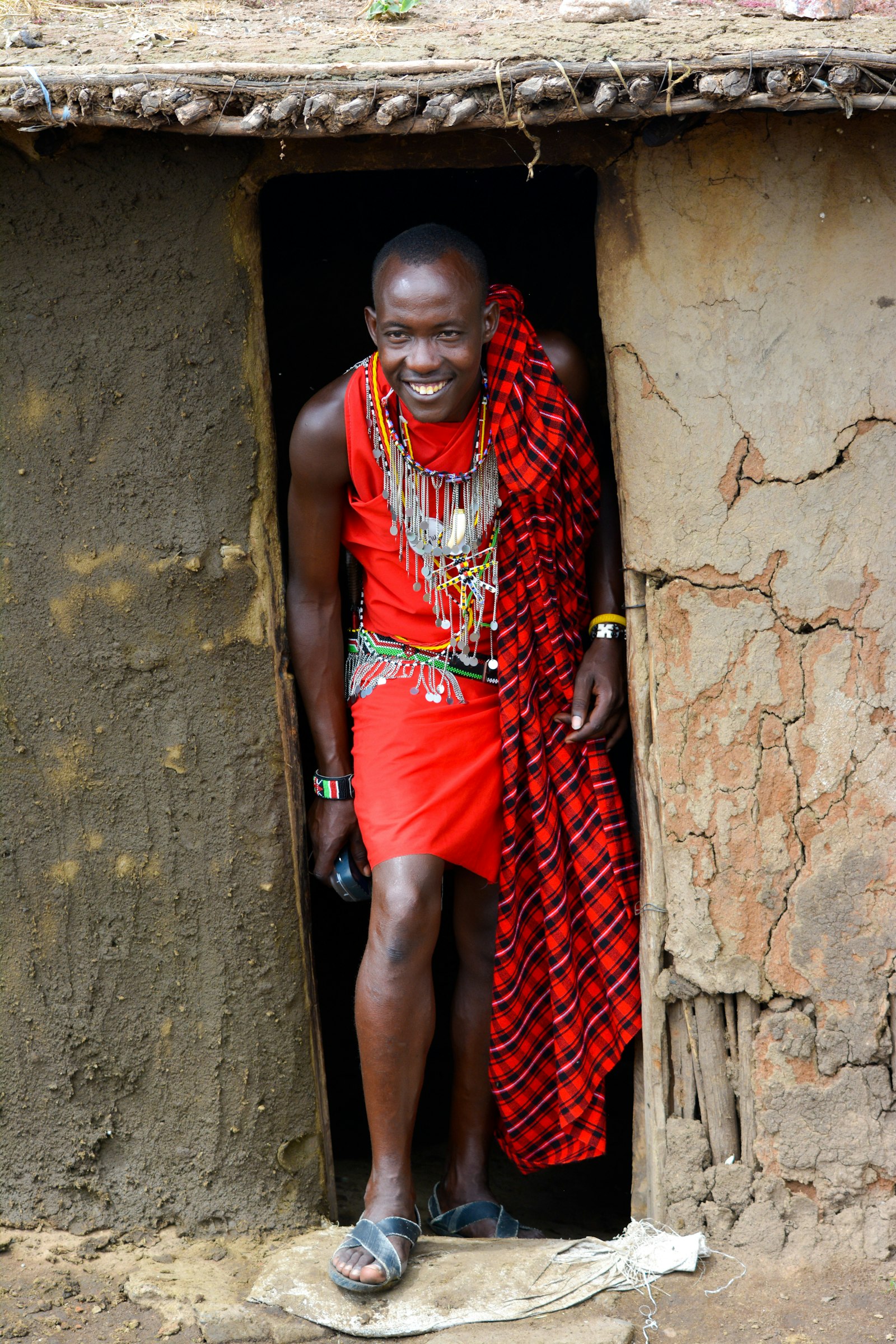
Around the Masai Mara, conservancies such as Mara North, Olare Motorogi, Naboisho, Ol Kinyei and Lemek are made up of land owned by hundreds of Maasai families. Each family receives a regular lease payment in return for keeping the land open to wildlife. Conservancy fees, charged to every guest for every night, are a major source of that money.
In simple terms, conservancy fees work like a park entry fee, but they go to the people who own the land rather than to a government body. Our Masai Mara conservancies guide explains how each area feels on the ground.
How Much Are Conservancy Fees in Kenya in 2026?
In 2026, conservancy fees for non-resident adults usually fall between about US$70 and US$150 per person per night, depending on the conservancy, the season and the camp.
Each conservancy sets its own rates, and many change them once a year. Some charge one rate all year; others charge more in the busy months from July to October. The figures below are indicative ranges for non-resident adults, gathered from published 2026 rate guides. Treat them as a planning guide, not a quote, and always confirm the current rate with your operator or camp.
| Conservancy | Area | Indicative fee per adult | Charged per |
|---|---|---|---|
| Mara North | Northern Mara | About US$100 to US$120 | Night |
| Olare Motorogi | Northern Mara | About US$100 to US$120 | Night |
| Naboisho | Eastern Mara | About US$100 to US$120 | Night |
| Ol Kinyei and Enonkishu | North-eastern Mara | About US$70 to US$100 | Night |
| Ol Pejeta | Laikipia | About US$110 | Day |
| Lewa and Borana | Laikipia | About US$90 to US$120 | Day or night |
| Loisaba and Segera | Laikipia | About US$80 to US$110 | Day or night |
Some exclusive camps quote much higher conservancy fees, because the fee is tied to very low guest numbers. A few conservancies also add a small community or bed-night levy on top. If a quote seems far above these ranges, ask what the conservancy fees line includes.
Why conservancy fees vary between areas
Conservancy fees reflect how much land each guest “uses”. Conservancies that allow only a handful of tents across many thousands of acres need higher fees per guest to pay every landowner. Areas with more camps can charge less per person. Popularity, access by air and the range of activities also play a part.
Conservancy Fees vs Masai Mara Reserve Fees
Conservancy fees are often lower per night than Masai Mara Reserve fees in peak season, but conservancy camps tend to cost more overall because they are smaller and more exclusive.
Narok County charges non-resident adults US$200 per person per 24 hours to enter the Masai Mara National Reserve in the high season, which runs from July, and US$100 in the low season. Children pay less. The Mara Triangle, the north-western section managed by a non-profit on the county’s behalf, charges similar rates. Conservancy fees replace the reserve fee only for days you spend on conservancy land.
| Feature | Masai Mara National Reserve | Mara conservancies |
|---|---|---|
| Fee per adult (2026) | US$200 per 24 hours in high season; US$100 in low season | About US$70 to US$150 per night |
| Who receives it | County government | Landowners, rangers and conservancy management |
| Vehicles at sightings | Can be busy in peak months | Usually capped at a few vehicles |
| Night drives and walks | Not allowed | Offered at many camps |
| Off-road driving | Not allowed | Allowed in some conservancies under rules |
| River crossings | Mara River lies inside the reserve | Need a day trip into the reserve |
Do you ever pay both fees?
Yes, on days you leave the conservancy and drive into the reserve. Many guests staying in the northern conservancies take a full-day trip to the Mara River between July and October to look for wildebeest crossings. On that day you pay the reserve fee for 24 hours as well as your nightly conservancy fees. Our guide to choosing a camp inside or outside the Masai Mara explains the trade-offs.
Expert tip from our Nairobi team: if river crossings are your main goal, compare the total cost of a conservancy stay plus a reserve day trip with a camp near the river inside the reserve. For a short peak-season trip, the reserve camp is sometimes simpler; for four nights or more, a split stay often gives you the best of both.
Where Your Conservancy Fees Go
Most of your conservancy fees go to local landowners as lease payments, with the rest paying for rangers, management and community projects.
Before conservancies were set up, many Maasai families earned little from wildlife, which competed with their cattle for grass and water. Lease payments changed that. A family that receives a reliable income from tourism has a strong reason to keep its land unfenced and open to lions, elephants and the migration herds.
- Land leases: regular payments to registered landowners, often the largest share of the fee.
- Rangers and security: salaries, vehicles and radios for anti-poaching and wildlife monitoring teams.
- Grazing plans: managed cattle grazing so that grass recovers for wildlife and livestock.
- Community projects: in some conservancies, support for schools, bursaries, water and health.
- Jobs: many guides, spotters, rangers and camp staff come from the landowning families.
Exact splits vary and are set by each conservancy. If where your money goes matters to you, ask your operator which conservancy your camp is in and how it is governed. Our checklist for a responsible safari gives more questions to ask.
Are Conservancy Fees Included in Your Safari Price?
Usually yes, but not always, so check how your quote treats conservancy fees before you compare prices.
Many conservancy camps publish an all-inclusive nightly rate that already contains the conservancy fee. Others quote the room rate and list conservancy fees separately, because the conservancy can change its fee during the year. A package from an operator should show you clearly which approach applies. Our guide to what is included in a Kenya safari lists the other lines to check.
How conservancy fees appear on a quote
- Included: the quote says “conservancy fees included” or “all park and conservancy fees included”.
- Listed separately: a line shows the fee per person per night, multiplied by your nights.
- Payable locally: rarer, but some lodges collect the fee on arrival; ask in advance.
- Subject to change: good quotes say whether a fee rise after booking would be passed on to you.
Two quotes that look far apart may be closer than they seem once conservancy fees are added. Compare totals, not nightly rates.
What You Get in Return: Fewer Vehicles, Night Drives and Walks
Conservancy fees buy you a quieter, more flexible safari, with activities that are not allowed inside Kenya’s national parks and reserves.
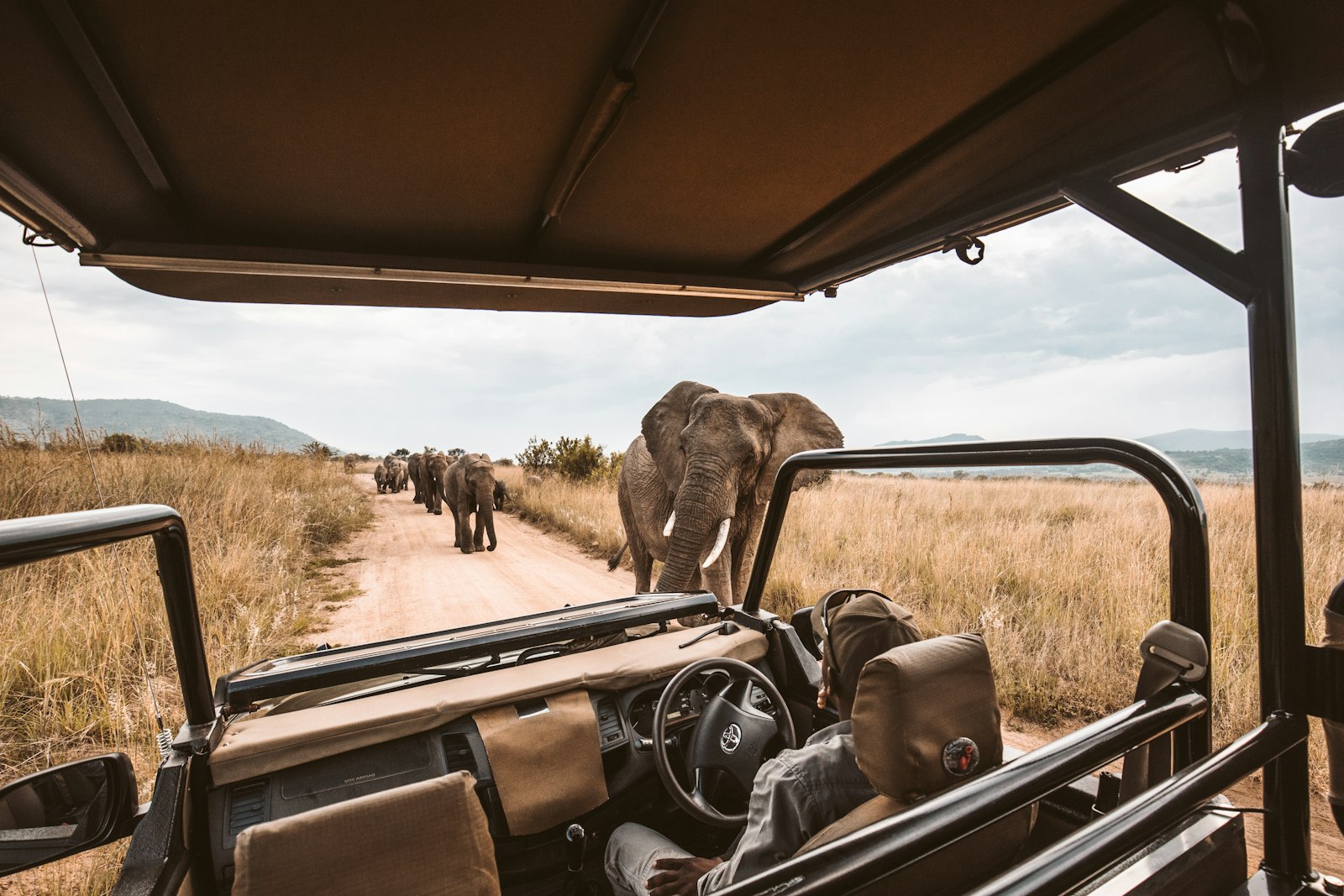
- Fewer vehicles: most Mara conservancies limit the number of vehicles at a sighting, often to about five, and only guests of conservancy camps may drive there.
- Low bed numbers: some conservancies allow roughly one tent per several hundred acres, so you rarely see other guests.
- Night drives: many camps include them; see our guide to what to expect on a night drive.
- Guided walks: on foot with an armed ranger or trained guide; read is a walking safari safe?
- Off-road viewing: allowed in some conservancies under strict rules, which can mean closer, better-angled sightings.
- Cultural visits: easy, respectful visits to the landowning communities.
Wildlife is often excellent in the conservancies, because animals move freely between them and the reserve. Lions, cheetahs, leopards and elephants are seen all year in the better areas. The main thing you give up is easy access to the Mara River crossings.
Laikipia and Other Conservancies Beyond the Mara
Outside the Mara, the biggest group of conservancies is in Laikipia, north of Mount Kenya, where fees follow a similar logic but often fund rhino protection.
Ol Pejeta Conservancy charges a daily entry fee, which visitors on a day trip pay at the gate and staying guests pay through their lodge. Lewa, Borana, Loisaba and Segera are private or community-linked conservancies where fees are usually built into lodge rates. Many of these areas hold black and white rhinos, Grevy’s zebras and reticulated giraffes, and the cost of guarding rhinos around the clock is high.
Northern Kenya also has community conservancies around Samburu, often supported by the Northern Rangelands Trust. Smaller conservancies exist near Amboseli and Tsavo. In each case, ask your operator whether a conservancy fee applies and whether it is already included.
📅 Get a Free, No-Obligation Safari Quote
Send us your dates and we will show every park and conservancy fee clearly on your quote, so there are no surprises later. ✉ Send Us Your Dates on WhatsApp
Children, Residents and Other Discounts
Children usually pay reduced conservancy fees, and East African residents and citizens pay much lower rates than international visitors.
- Children: many conservancies charge about half the adult rate for children, and very young children are often free; age bands differ.
- Residents: Kenyan citizens and residents with valid documents pay local rates, often in Kenya shillings.
- Seasonal rates: some conservancies cut fees in the long rains of April and May, when many camps also close or discount.
- Long stays: fees are per night, so they rarely fall for longer stays, but camp rates may.
Families should check both camp age policies and fee bands. Our guide to the safari minimum age for children explains common camp rules.
How to Budget for Conservancy Fees: A Worked Example
The easiest way to budget is to multiply the nightly fee by your nights in the conservancy, then add a reserve fee for any day you plan to enter the reserve.
Here is an illustrative example for two adults spending three nights in a northern Mara conservancy in August, with one full-day trip into the reserve. We use a conservancy fee of US$110 per person per night as a mid-range figure. Real fees and camp rates will differ, so use this to understand the maths, not as a price.
| Line | Calculation | Total for two adults |
|---|---|---|
| Conservancy fees | US$110 × 3 nights × 2 people | US$660 |
| Reserve day trip (high season) | US$200 × 1 day × 2 people | US$400 |
| Total fees | Conservancy plus one reserve day | US$1,060 |
| Compare: three days in the reserve only | US$200 × 3 days × 2 people | US$1,200 |
Fees alone are rarely the deciding factor. Conservancy camps are usually small and higher priced, while reserve camps range from simple to luxurious. Our Masai Mara safari cost guide shows full budgets at different levels.
Are Conservancy Fees Worth It?
For most travellers who want space, night drives or walks, conservancy fees are worth it, but a reserve stay can be the better choice for short trips focused on river crossings.
| A conservancy suits you if… | The reserve may suit you better if… |
|---|---|
| You dislike crowds at sightings | You have only one or two nights |
| You want night drives or bush walks | Mara River crossings are your top priority |
| You want your money to reach local landowners directly | You are travelling on a tight budget |
| You are a photographer who wants better angles | You prefer a larger lodge with more facilities |
| You are honeymooning or celebrating | You want to see the most famous landmarks of the reserve |
Expert tip from our Nairobi team: think of conservancy fees as paying for time without other vehicles. On a first safari, two or three conservancy nights after a reserve stay often feels like a completely different trip, and many guests say those quiet sightings were their favourite part.
Packages built around conservancy stays include the Ol Pejeta and Masai Mara Luxury Conservancy Safari, the Laikipia and Loisaba Conservancy Luxury Safari and the Celebration Safari in a Masai Mara conservancy. Message us for a quote with all fees shown.
7 Questions to Ask About Conservancy Fees Before You Book
A few clear questions will tell you exactly what you are paying and what you will get.
- Which conservancy is the camp in, and how many beds does it allow?
- Are conservancy fees included in the price, and what is the rate per night?
- Is there a separate community levy or bed-night charge?
- Are night drives and walks included, or charged as extras?
- If I want a day in the reserve, is the reserve fee included, and how far is the drive?
- What are the child rates and age limits for activities?
- If fees rise after I book, will the increase be passed on?
Our list of questions to ask before booking a safari covers vehicles, guides, payments and safety too.
How Park and Conservancy Fees Are Changing
Kenya’s wildlife fees have risen in recent years, so budget with some headroom and check the latest rates close to booking.
Narok County raised peak-season Masai Mara fees for non-residents to US$200 in 2024, and the Kenya Wildlife Service revised national park fees in 2025. Conservancies review their own rates each year, often from January or July. Kenya now also requires most visitors to hold an approved electronic travel authorisation from eTA Kenya before travel. For official visitor information, see Magical Kenya, and for current safety advice, the UK Foreign Office Kenya page.
A reputable operator will tell you which fees are fixed at booking and which could change. For the wider picture of reserve rates, read our Masai Mara National Reserve guide.
How much are conservancy fees in the Masai Mara?
In 2026, most Masai Mara conservancy fees for non-resident adults fall between about US$70 and US$150 per person per night, depending on the conservancy and season. Mara North, Olare Motorogi and Naboisho are typically around US$100 to US$120. Children usually pay less. Fees change, so confirm the current rate with your operator.
Do I pay Masai Mara Reserve fees if I stay in a conservancy?
Not for days you spend only on conservancy land. You pay conservancy fees for each night instead. If you take a day trip into the Masai Mara National Reserve, for example to look for river crossings, you also pay the reserve fee for that day, which is US$200 per adult in high season.
Are conservancy fees included in the camp price?
Often, yes. Many conservancy camps quote an all-inclusive nightly rate that already includes conservancy fees, while others list the fee as a separate line because conservancies can change it. A clear safari quote should state which approach applies. Always compare total trip costs rather than nightly room rates.
Where does the money from conservancy fees go?
Most of it goes to local landowners, often Maasai families, as lease payments for keeping their land open to wildlife. The rest pays for rangers, anti-poaching teams, grazing management and, in some areas, community projects such as schools and water. Each conservancy sets its own split and governance.
Why are Kenya conservancies more expensive than the reserve?
Conservancy fees themselves are often lower per night than peak reserve fees, but conservancy camps are small, exclusive and limited in number, so their room rates are higher. You pay for low vehicle numbers, night drives, walks and off-road viewing where allowed, plus income that reaches the landowners.
Do children pay conservancy fees?
Usually yes, but at a reduced rate. Many conservancies charge around half the adult fee for children, and very young children are often free. Age bands differ between conservancies, and some camps also set minimum ages for walks and night drives, so check both before you book a family trip.
Are conservancy fees worth paying?
For most travellers who value space, quiet sightings, night drives and walking, yes. They also support the communities that keep the Mara ecosystem open. If you have only one or two nights and mainly want Mara River crossings, a camp inside the reserve can be the simpler choice.
🏕 Plan Your Safari With Sense of Adventure
Kenya-based experts. Real local knowledge. Transparent pricing. We will match you with the right conservancy and show every fee on your quote before you pay a deposit. 💬 WhatsApp Us — Start Planning Today
Call or WhatsApp: +254 799 160 081
Related Safari Guides
- ›Masai Mara Conservancies: The Insider Guide
- ›Mara North Conservancy Camps Compared
- ›Olare Motorogi Conservancy Camps
- ›Naboisho Conservancy Camps for Walking Safaris
- ›Ol Kinyei, Lemek and Enonkishu Conservancies
Official travel & park resource: Kenya Wildlife Service ↗