
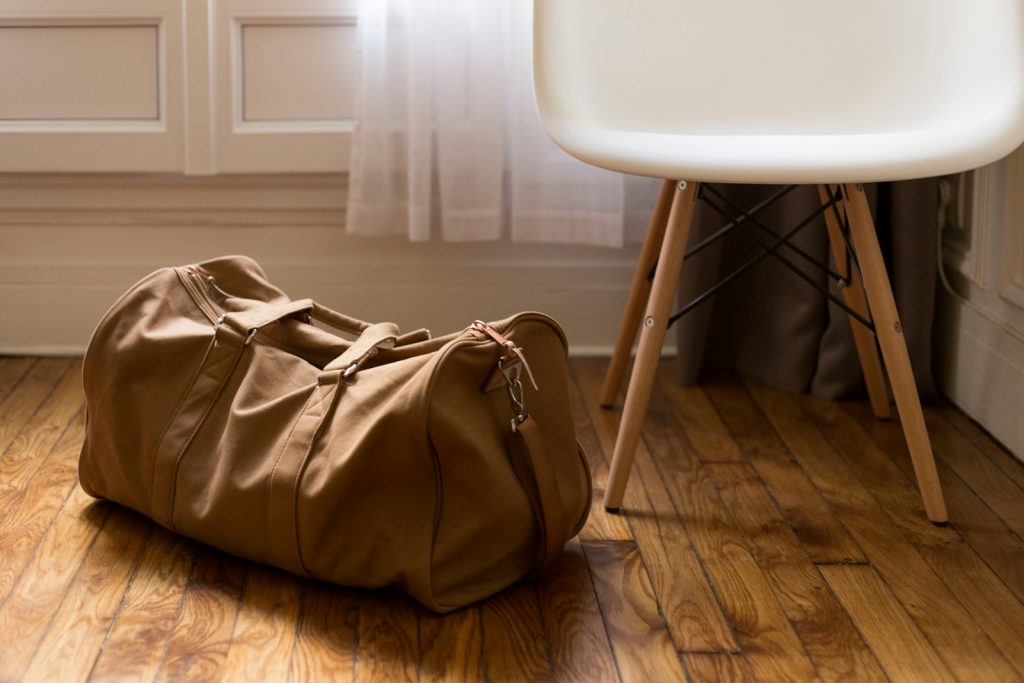
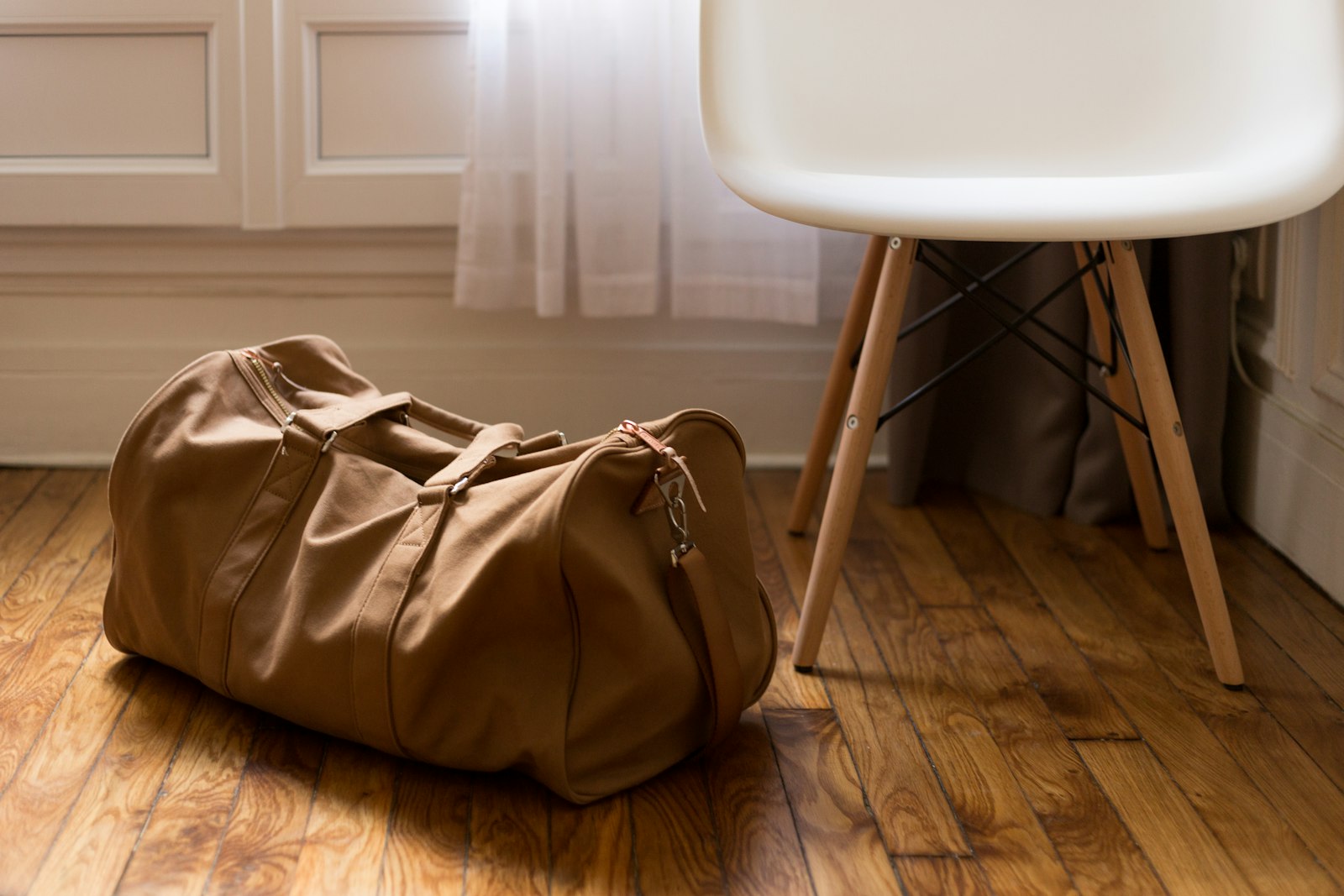
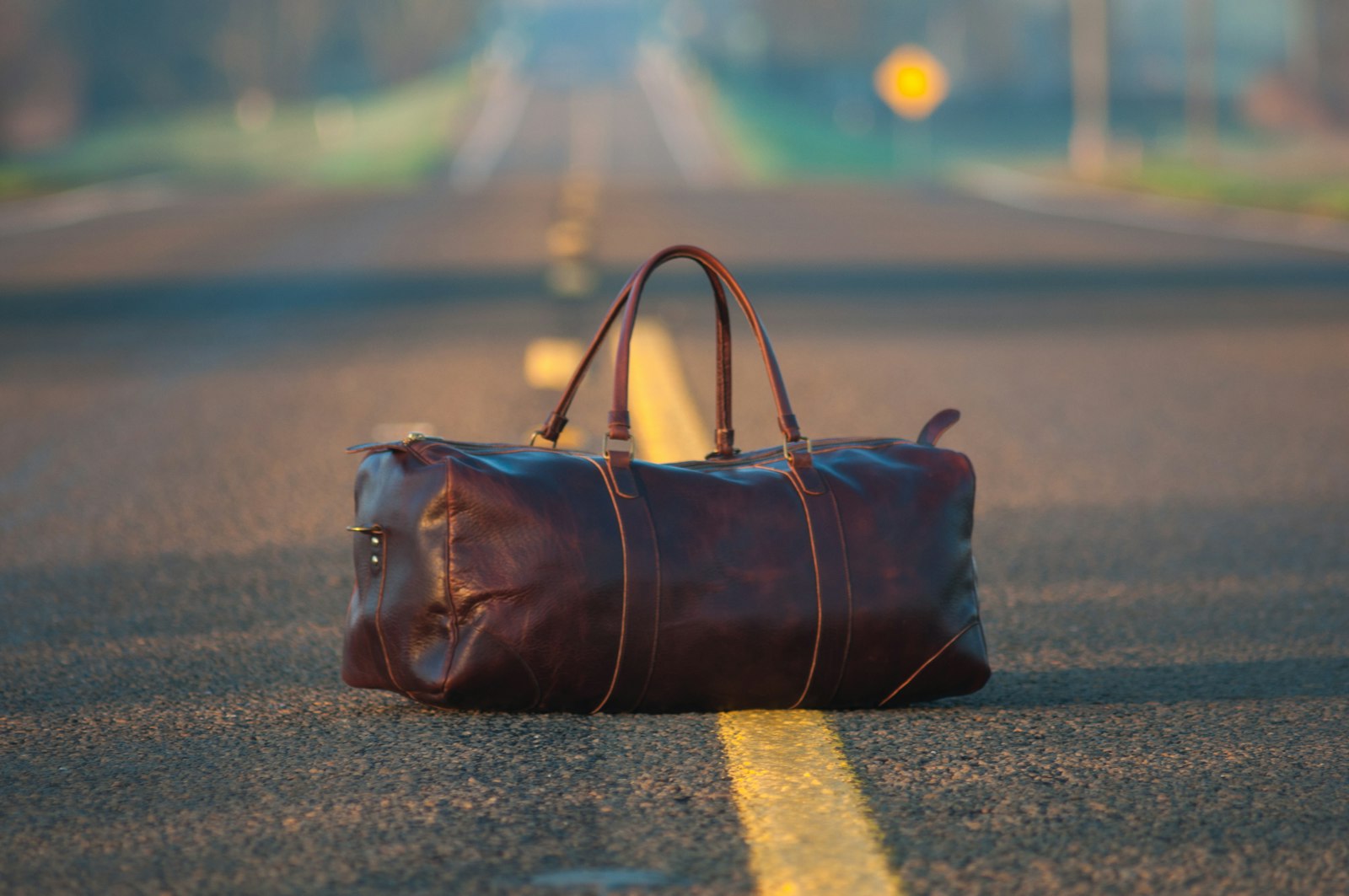
The best safari duffel bag is a soft, frameless holdall of about 60 to 90 litres with no wheels, strong handles and water-resistant fabric. Light aircraft in Kenya usually allow just 15 kg per person, hand luggage included, and they need soft bags that squeeze into a small hold. On road safaris, a soft duffel is still the smartest choice.
Sense of Adventure is a licensed safari operator based in Nairobi (TRA licence TRA1/47/C01/77087), and every week we meet guests at Wilson Airport with the right bag, and a few with the wrong one. This guide explains why a safari duffel bag matters, what size and features to look for, wheels or no wheels, how to pack 15 kg sensibly, what to do with extra luggage and how road and fly-in safaris differ.
✅ Safari Duffel Bag: The Quick Answer
- Type: a soft, frameless duffel or holdall; no hard shell and ideally no wheels.
- Size: about 60 to 90 litres for one person on a one- to two-week safari.
- Weight limit: 15 kg per person on most Kenya safari flights, including your daypack and camera bag.
- Empty weight: choose a bag under about 1.5 kg so more of your allowance goes on clothes and kit.
- Must-haves: water-resistant fabric, lockable zips, end handles and a shoulder strap.
- Extra luggage: can usually be stored in Nairobi while you are on safari.
🌎 Not Sure Whether Your Safari Includes a Bush Flight?
Send us your itinerary and we will tell you the exact luggage rules for every leg of your trip. 💬 WhatsApp Us Now or call +254 799 160 081
Why You Need a Safari Duffel Bag, Not a Suitcase
A safari duffel bag bends to fit tight spaces, while a hard suitcase does not, and on safari almost every space is tight.
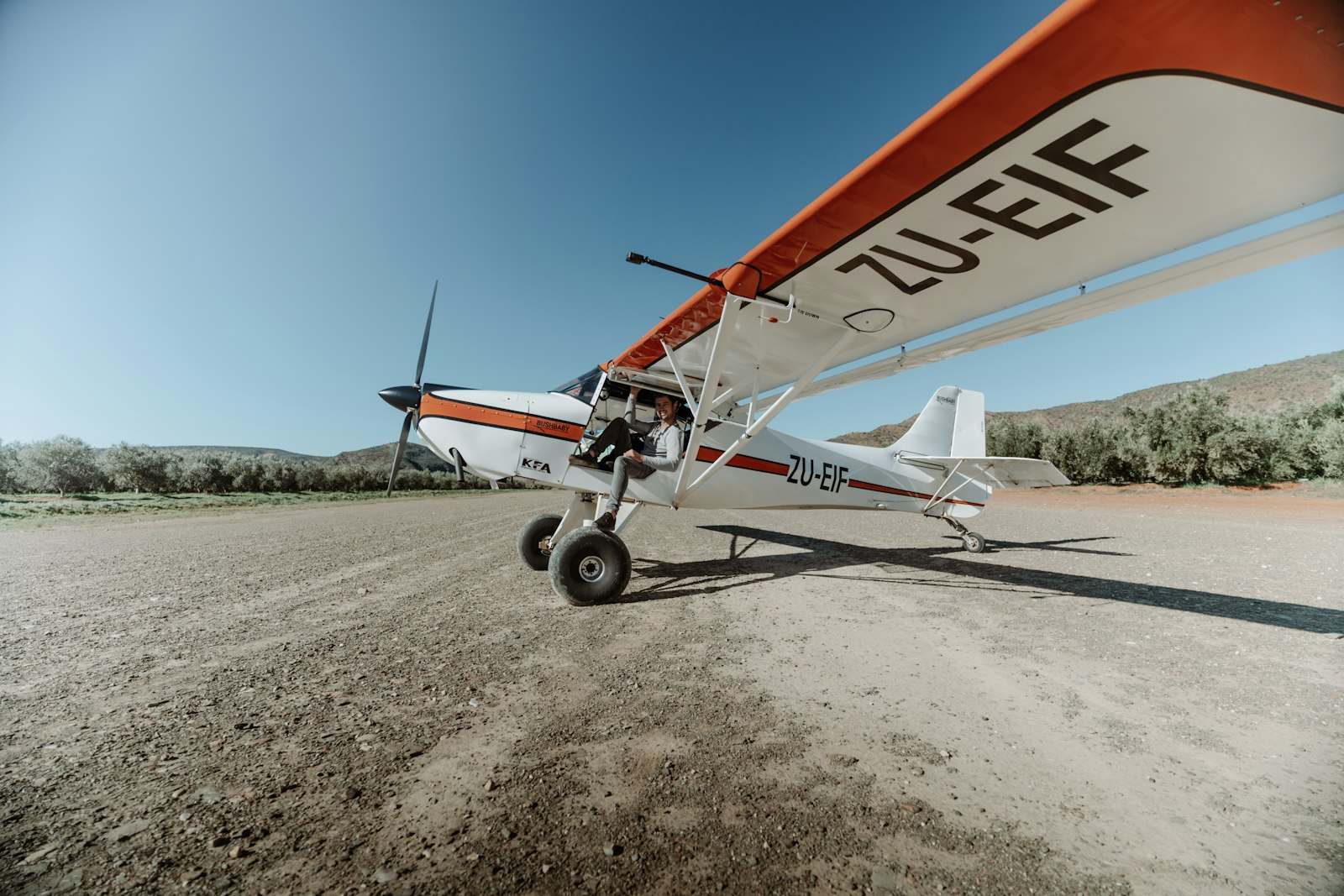
The small aircraft that fly from Nairobi’s Wilson Airport to the Masai Mara, Samburu, Amboseli and Laikipia have narrow luggage holds and pods. Ground crew pack bags around each other like a puzzle. Airlines such as Safarilink and Airkenya ask for soft bags, and rigid cases can be refused or sent on a later flight. Safari vehicles have a similar problem: the luggage space behind the back row is shallow, and soft bags fit far better.
A safari duffel bag is also lighter, tougher on dusty tracks and easier for camp staff to carry along sandy paths to your tent. Our guide to the safari luggage weight limits on small aircraft covers the airline rules in full; this guide focuses on choosing and packing the bag itself.
What Size Safari Duffel Bag Do You Need?
For most travellers, a safari duffel bag of 60 to 90 litres is the right size: big enough for a week or two of clothes, small enough to stay under 15 kg.
| Trip | Suggested duffel size | Notes |
|---|---|---|
| 3 to 5 nights, fly-in | 40 to 60 litres | Camps often offer laundry, so pack light |
| 6 to 10 nights, fly-in or mixed | 60 to 80 litres | The most common choice for Kenya safaris |
| 10 to 14 nights, road safari | 80 to 90 litres | No strict weight limit, but space is still limited |
| Safari plus beach | 60 to 90 litres plus stored bag | Leave beach items in Nairobi or send them ahead |
Check the maximum dimensions too. Safarilink’s published terms, for example, have listed a maximum bag size of about 90 × 65 × 35 cm. Most 60 to 90 litre duffels fit comfortably within limits like these, but very long sports or hockey bags may not. Rules can change, so always confirm with your operator or airline.
One safari duffel bag or two smaller bags?
One main safari duffel bag plus a small daypack works best for most people. Two medium bags add extra empty weight, and every zip, strap and handle counts towards your 15 kg. Couples sometimes share one large duffel, but remember that the limit is per person, and a single bag over about 20 to 23 kg is hard for staff to lift.
Wheels or No Wheels?
For fly-in safaris, choose a safari duffel bag with no wheels; for road safaris, a light wheeled duffel is acceptable but still not ideal.
| Feature | Classic soft duffel | Wheeled duffel | Hard suitcase |
|---|---|---|---|
| Fits light aircraft holds | Yes | Often refused or delayed | Usually refused |
| Typical empty weight | About 1 to 1.5 kg | About 2.5 to 4 kg | About 3 to 5 kg |
| Easy to carry on sand and paths | Yes, with a shoulder strap | Wheels drag in sand | Awkward |
| Good for airports and cities | Fine with straps | Very good | Very good |
| Best for | All safaris | Road safaris only | Stored in Nairobi |
The problem with wheels is the rigid frame that holds them. It stops the bag from bending and it adds weight that eats into your allowance. A 4 kg wheeled bag leaves only 11 kg for everything else, including your camera.
Expert tip from our Nairobi team: if you also need wheels for the rest of your journey, bring a normal suitcase for the international leg and pack a light folding safari duffel bag inside it. Transfer your safari kit into the duffel in Nairobi and leave the suitcase in storage until you return.
8 Features to Look For in a Safari Duffel Bag
The right features make a safari duffel bag easier to carry, keep dust and rain out, and protect your belongings on the road.
- Water-resistant fabric: protects against sudden showers and dust on open vehicles and airstrips.
- Light empty weight: ideally under 1.5 kg.
- Wide D-shaped opening: lets you see everything inside a tent without unpacking.
- Lockable zips: a small padlock or cable tie deters casual tampering.
- Removable shoulder strap or backpack straps: handy on sandy paths and at airports.
- Strong end handles: for ground crew and porters to grab.
- End pocket: for shoes or dusty items, kept apart from clean clothes.
- Neutral colour: khaki, olive or brown hides dust; avoid bright white.
Colour matters more for clothes than for bags, but the same logic applies: our guide to why safari clothes are khaki explains which colours to avoid.
How to Pack Your Safari Duffel Bag Within 15 kg
Fifteen kilograms is enough for a comfortable safari if you pack light layers, plan to use camp laundry and weigh everything before you leave home.
The sample below shows how one person’s allowance might be shared out on a seven- to ten-night trip. Your own list will differ, but the principle holds: clothes take less than half, and the camera bag is often the heaviest single item.
| Item | Approximate weight |
|---|---|
| Safari duffel bag (empty) | 1.2 kg |
| Clothes: 3 shirts, 2 trousers, shorts, fleece, light jacket, underwear, socks | 4.5 kg |
| Shoes: one pair of walking shoes plus sandals | 1.3 kg |
| Toiletries, sun cream, insect repellent, small medical kit | 1.5 kg |
| Daypack with binoculars, hat, water bottle and chargers | 2.0 kg |
| Camera body and one zoom lens | 2.5 kg |
| Spare margin | 2.0 kg |
| Total | 15.0 kg |
Packing tips that save weight
- Use camp laundry: most camps offer it, often included or for a small charge, though some do not wash underwear for cultural reasons.
- Wear your bulkiest items: fleece, jacket and walking shoes on the plane.
- Decant toiletries: many camps provide shampoo and soap.
- Use packing cubes: they keep a soft bag organised and make tent life easier.
- Skip the hairdryer: most camps run on solar power and cannot support one; see our guide to electricity and charging at safari camps.
Our Kenya safari packing list gives a full item-by-item checklist to put inside your safari duffel bag.
Hand Luggage, Daypacks and Camera Gear
On Kenya’s safari flights your daypack and camera bag count towards the same 15 kg as your safari duffel bag, so plan them together.
A 20 to 30 litre daypack is ideal for game drives. It holds binoculars, a fleece, sun cream, a water bottle and a power bank, and it stays with you in the vehicle. Photographers with long lenses should weigh their kit early. A body with a 100–400 mm or 150–600 mm zoom can easily weigh 2.5 to 4 kg on its own.
If your camera gear pushes you over the limit, ask your operator about buying extra baggage allowance or an extra seat on the flight. Our safari photography tips suggest how to travel lighter without losing the shots that matter.
📅 Get a Free, No-Obligation Safari Quote
Tell us your dates and how much gear you carry, and we will plan flights, storage and any extra allowance for you. ✉ Send Us Your Dates on WhatsApp
What to Do With Extra Luggage
If you are carrying more than your safari duffel bag, for example because you are going on to the beach or a business trip, you can usually store the rest safely in Nairobi.
- At your Nairobi hotel: most hotels store bags for guests who return after safari.
- At Wilson Airport: some safari airlines offer secure storage at their check-in counters for passengers flying with them.
- With your operator: many Nairobi operators will hold bags at their office or transfer them to your next hotel.
- Extra allowance: some airlines sell excess baggage in advance if space allows, or you can book an extra seat.
Our guides to getting from JKIA to Wilson Airport and to luggage on a Nairobi layover explain storage and transfers in more detail.
Road Safari vs Fly-In Safari: Does Your Bag Still Matter?
On a road safari there is no 15 kg rule, but a soft safari duffel bag is still the most practical choice for vehicle space and camp paths.
| Question | Road safari | Fly-in safari |
|---|---|---|
| Weight limit | No strict limit, but space is shared | Usually 15 kg per person including hand luggage |
| Bag type | Soft bag preferred; light wheeled duffel acceptable | Soft, frameless bag required |
| Extra bags | One medium bag per person is courteous in a shared vehicle | Store extras in Nairobi or pay for extra allowance |
| Best duffel size | Up to about 90 litres | About 60 to 80 litres |
On a shared road safari with six or seven guests, luggage space fills quickly, so one safari duffel bag per person keeps everyone comfortable. Our guides to fly-in vs road safaris in Kenya and to the window seat guarantee explain the differences in more detail.
Airport Rules, Security and Kenya’s Plastic Bag Ban
A few Kenya-specific rules affect how you pack, and the most surprising for many visitors is the ban on plastic carrier bags.
- Plastic bags: Kenya banned single-use plastic carrier bags in 2017; leave them at home and use zip pouches or packing cubes instead.
- Locks: a small padlock is fine; on international flights, a TSA-approved lock helps if you route via the United States.
- Lithium batteries: power banks and spare camera batteries must go in hand luggage, as on all flights.
- Drones: flying one in Kenya’s parks needs special permits, so leave it at home unless these are arranged in advance.
For general rules on batteries and dangerous goods, see IATA passenger guidance. For entry rules, check the UK Foreign Office Kenya entry requirements and apply for your approval through eTA Kenya before you fly.
7 Common Safari Bag Mistakes
Most safari duffel bag problems come from a handful of avoidable mistakes made before leaving home.
- Bringing a hard suitcase on a fly-in safari.
- Choosing a heavy wheeled duffel that uses a quarter of the allowance before you pack.
- Forgetting that the daypack and camera bag count towards 15 kg.
- Packing for every possible weather instead of layering.
- Ignoring camp laundry and bringing a fresh outfit for every day.
- Packing medicines and valuables in the duffel rather than hand luggage.
- Not weighing your safari duffel bag at home before travelling.
Expert tip from our Nairobi team: pack your safari duffel bag a week before you fly, weigh it with your daypack and camera, then take out one item in five. Almost everyone who does this arrives with a lighter bag and never misses what they left behind.
Fly-in trips such as the Fly-in Masai Mara Luxury Safari and the Gentle Fly-in Safari for Seniors use light aircraft, so the 15 kg rule applies. Message us for a quote and a full luggage briefing.
Safari Duffel Bag FAQs
What kind of bag should I take on safari?
Take a soft, frameless safari duffel bag or holdall of about 60 to 90 litres, ideally without wheels, plus a small daypack. Light aircraft in Kenya need soft bags that fit into small holds, and soft bags also suit the limited luggage space in safari vehicles. Choose water-resistant fabric and strong handles.
Can I take a suitcase on a Kenya safari?
On a road safari, a small suitcase is usually possible, though a soft bag fits better. On a fly-in safari, hard suitcases are generally not accepted on light aircraft. If you need a suitcase for the rest of your trip, store it in Nairobi and use a soft duffel for the safari.
Is the 15 kg limit including hand luggage?
Yes. On most Kenya safari flights, the 15 kg allowance per person includes your main bag, daypack and camera equipment. A few routes allow a little more. If you need extra, ask your operator about buying extra allowance in advance or booking an additional seat, subject to space.
Are wheeled duffel bags allowed on safari flights?
Airlines ask for soft bags, and the rigid frame on most wheeled duffels makes them hard to stow, so they may be refused or sent on a later flight. They also weigh more. For fly-in safaris, choose a classic soft duffel with shoulder straps instead.
What size duffel bag do I need for a 10-day safari?
A safari duffel bag of about 60 to 80 litres suits most 10-day safaris, especially if you use camp laundry. On a road-only safari you could go up to 90 litres, but a bigger bag tempts you to overpack. Always keep the total under 15 kg if any leg includes a flight.
Where can I leave extra luggage during my safari?
Most Nairobi hotels store bags for returning guests, some safari airlines offer storage at Wilson Airport for their passengers, and many operators will hold bags or move them to your next hotel. Ask your operator to arrange it when you book, so it is ready on arrival.
Do I need a waterproof bag for safari?
A fully waterproof bag is not essential, but water-resistant fabric is a good idea. Showers can arrive quickly in the rainy months, bags sometimes wait on open airstrips, and dust gets everywhere on dry-season drives. Packing cubes or dry bags inside add extra protection for electronics.
🏕 Plan Your Safari With Sense of Adventure
Kenya-based experts. Real local knowledge. Transparent pricing. We will brief you on luggage for every flight and road leg, and explain the best place to store any extra bags in Nairobi. 💬 WhatsApp Us — Start Planning Today
Call or WhatsApp: +254 799 160 081
Related Safari Guides
- ›Safari Luggage Weight Limits on Small Aircraft
- ›Kenya Safari Packing List
- ›What to Pack for an African Safari
- ›Fly-In vs Road Safari in Kenya
- ›Masai Mara Airstrips and Getting Around
Official travel & park resource: Kenya Wildlife Service ↗