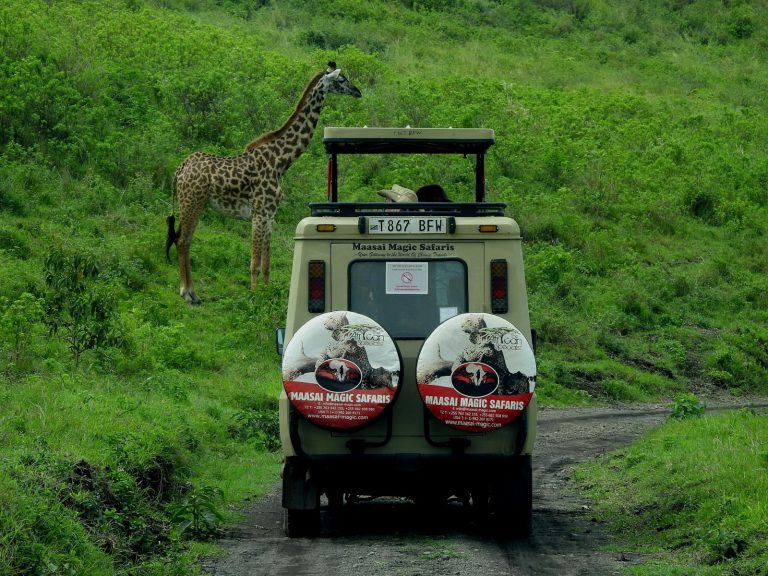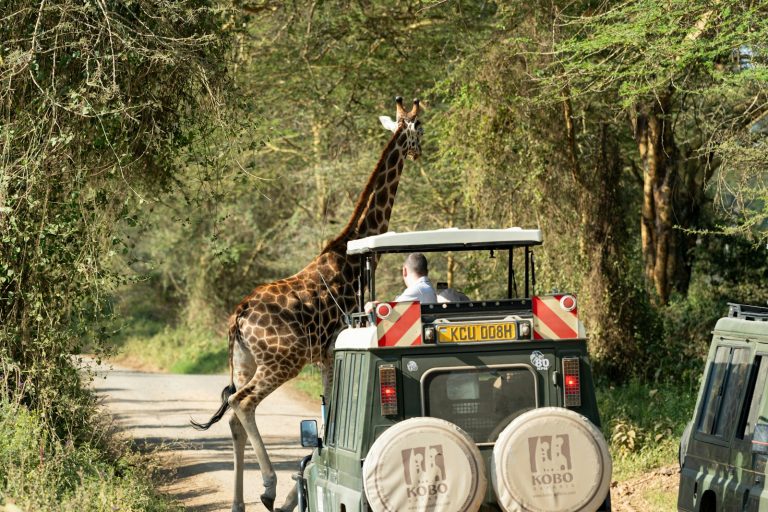

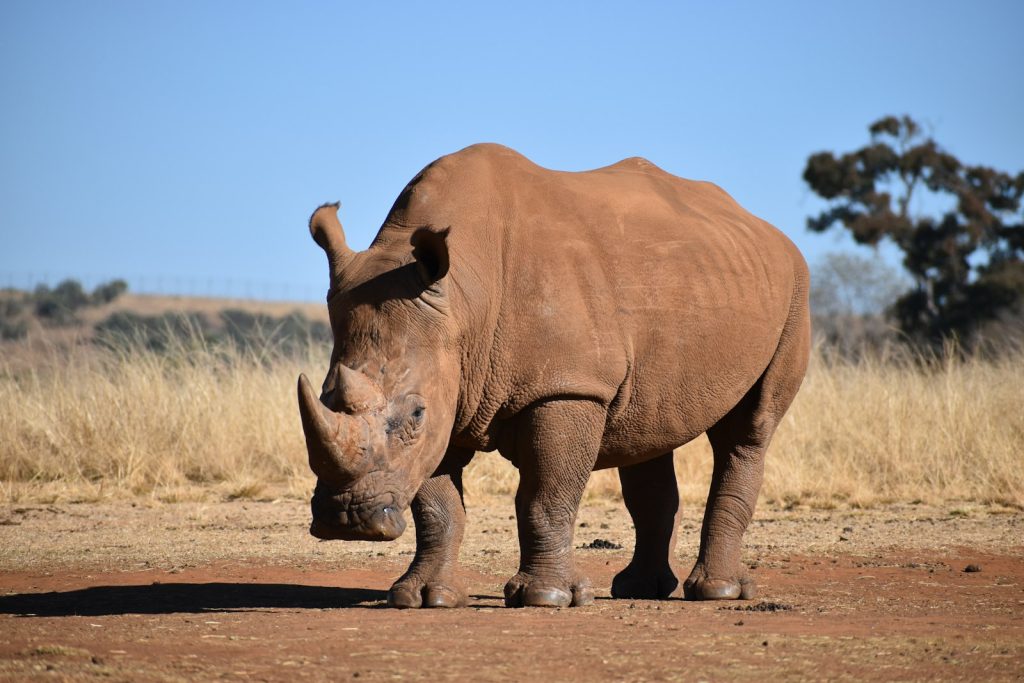
A responsible safari is one where your money protects wildlife, pays local people fairly and leaves a light footprint. To choose one, look for an operator with clear licences, camps with real environmental and community credentials, guides who respect animals, and honest answers about where fees go. A safari can be a strong force for conservation when you choose well.
Sense of Adventure is a licensed safari operator based in Nairobi (TRA licence TRA1/47/C01/77087). Travellers often ask us how to tell a genuinely responsible safari from clever marketing. This guide gives you 10 practical checks, the questions to ask, the red flags of greenwashing and simple ways to make your own trip more ethical, without giving up comfort.
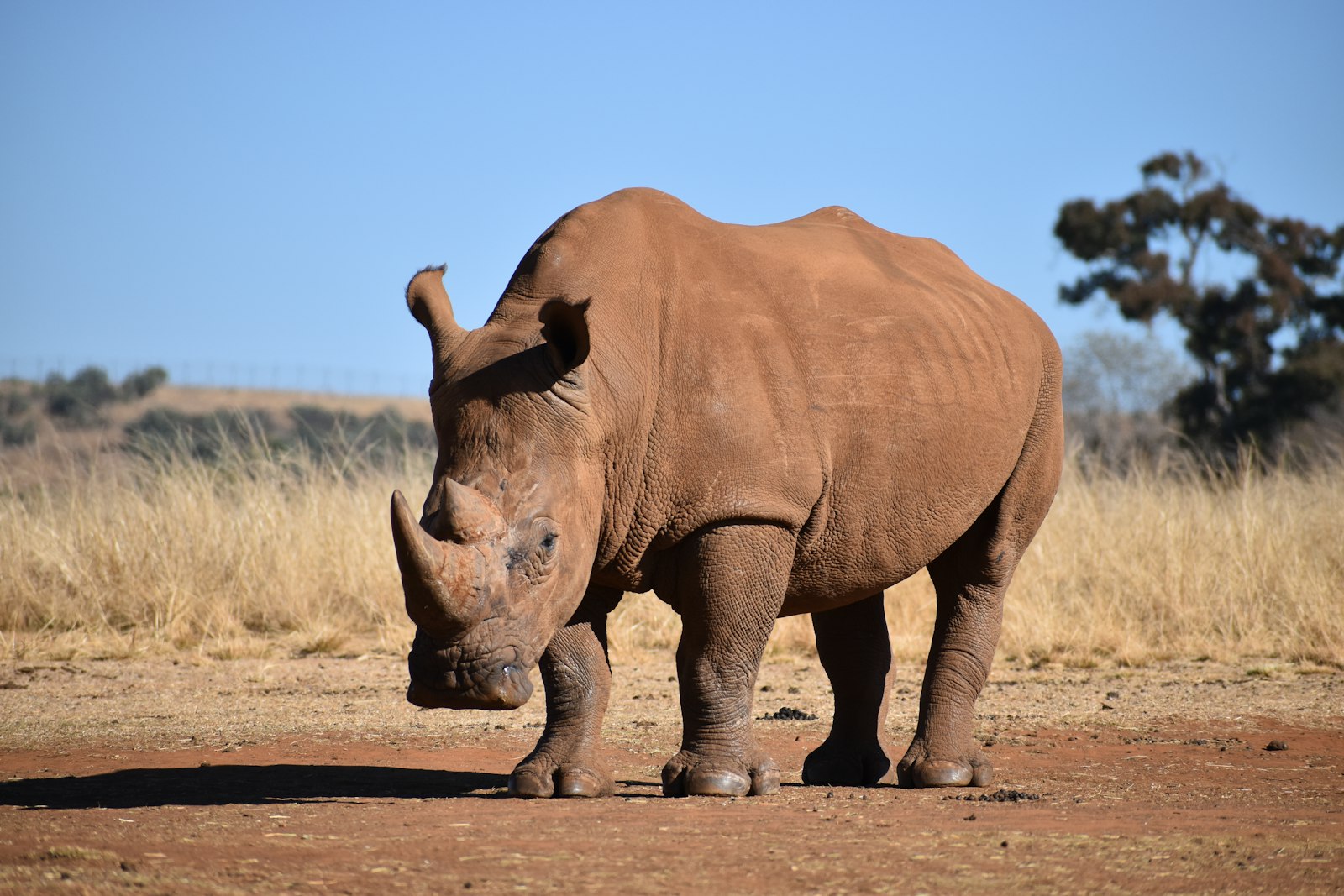
✅ Responsible Safari: The Quick Answer
- Fees matter: park and conservancy fees fund rangers, anti-poaching work and local landowners, so they are part of the good your trip does.
- Check the camp: look for Ecotourism Kenya’s Eco-rating (Bronze, Silver or Gold), water and waste systems, and local staff.
- Watch the guiding: good guides keep their distance, limit vehicles at sightings and never chase or bait animals.
- Community benefit: conservancy lease payments, local jobs and fair cultural visits put income in local hands.
- Avoid exploitation: skip any activity that lets you touch, ride or walk with wild animals for entertainment.
- Travel light: Kenya bans plastic carrier bags and single-use plastics in protected areas, so bring a refillable bottle.
🌎 Want a Safari That Gives Back?
Tell us what matters to you, and we will suggest camps and conservancies that match your values and budget. 💬 WhatsApp Us Now or call +254 799 160 081
What Makes a Responsible Safari?
A responsible safari is built on three things: real benefit to wildlife, fair benefit to local people and a low impact on the places you visit.
Tourism is one of the main ways wild land in Kenya pays for itself. Park fees help fund the Kenya Wildlife Service, and in the conservancies around the Masai Mara, tourism lease fees give Maasai landowners a reason to keep land open for wildlife instead of fencing it for farming. When it is done well, your safari directly supports that system.
When it is done badly, tourism can do harm: too many vehicles crowding a cheetah, camps draining scarce water, staff paid poorly, or cultural visits where little money reaches the community. A responsible safari is simply one that avoids these problems and makes the good side stronger.
If you want the wider ethical debate, including research on vehicles and wildlife stress, read our article is safari tourism ethical? This guide focuses on the practical side: how to choose well.
10 Checks for Choosing a Responsible Safari
These 10 checks cover the operator, the camps, the guiding and your own choices, and together they show whether a responsible safari is real or just a label.
- Is the operator licensed? In Kenya, ask for the Tourism Regulatory Authority (TRA) licence number and check it.
- Are park and conservancy fees paid in full? Fees should be shown clearly, not hidden or avoided.
- Do the camps hold an eco-certification? Ask about Ecotourism Kenya’s Eco-rating or similar schemes.
- How do camps manage water, waste and energy? Look for solar power, water saving and proper waste handling.
- Who owns the land, and who benefits? Conservancy camps should pay lease fees to landowners.
- Are staff local and fairly treated? Ask how many staff come from nearby communities.
- How do guides behave at sightings? Distance, engine off, no chasing and limits on vehicles.
- Are any animal activities exploitative? No touching, riding or posing with wild animals.
- How are cultural visits run? Fees should go to the community, with consent for photos.
- Can you reduce your footprint? Fewer internal flights, longer stays and less plastic all help.
The sections below explain each part in more detail, with the questions to ask before you book.
Responsible Safari Operators: What to Ask
The operator you book with shapes almost every part of your trip, so a responsible safari starts with a responsible, properly licensed company.
In Kenya, safari operators must be licensed by the Tourism Regulatory Authority. A licensed operator should be happy to share its licence number, name its camps, show a clear breakdown of park fees and put terms in writing. Our guide to finding a trustworthy safari tour operator in Kenya covers the checks in detail.
- Ask: “Which camps do you use, and why?” A good answer names camps and explains the reasons.
- Ask: “Are your guides employed full-time, and are they trained?” Experienced, well-paid guides are more likely to follow good practice.
- Ask: “How do you handle vehicle numbers at sightings?” Listen for limits and patience, not promises of getting close.
- Ask: “Do you use local suppliers?” Local vehicles, guides and services keep money in Kenya.
Expert tip from our Nairobi team: booking directly with a licensed local operator often means more of your money stays in the country. Our article on whether to book a safari with a local operator or an overseas agent explains the trade-offs honestly.
Choosing Responsible Safari Camps and Lodges
The camp is where most of your money is spent, so choosing a camp with real environmental and community practices is one of the biggest steps towards a responsible safari.
Eco-rating certification in Kenya
Ecotourism Kenya runs an Eco-rating certification scheme, launched in 2002, for hotels, lodges and camps. Facilities are assessed on environmental, economic and social performance, including waste, pollution, resource use, fair workplace policies and support for local people. There are three levels: Bronze, Silver and Gold, with Gold for the strongest performers. Certification lasts 24 months, so ask whether a camp’s rating is current.
What a responsible safari camp does in practice
- Energy: solar power for lights and hot water, with limits on high-wattage appliances.
- Water: water-saving showers, rainwater collection and, in dry areas, bucket showers.
- Waste: recycling, composting and careful disposal of waste away from wildlife.
- Plastics: refillable water bottles and filtered water instead of single-use plastic.
- Footprint: tents on platforms that can be removed, and buildings that fit the landscape.
- People: local staff, training and community projects run with, not for, the community.
Not every good camp is certified, and a certificate is not the whole story. Use it as one sign among several. Our guide to tented camps vs lodges explains how different camp styles affect your experience.
Why Park and Conservancy Fees Are Part of a Responsible Safari
Park and conservancy fees are not just a cost; they are one of the main ways a responsible safari pays for conservation and gives local people a stake in wildlife.
National park fees in Kenya go to the Kenya Wildlife Service, which manages parks and wildlife across the country. In the Masai Mara National Reserve, fees go to the county authorities that manage the reserve. Rates change from time to time, so always check the latest figures with your operator.
The private conservancies around the Masai Mara add another layer. According to the Maasai Mara Wildlife Conservancies Association, its member conservancies cover about 450,000 acres and involve more than 15,000 landowners. Camps pay lease fees, so families earn income from keeping land open for wildlife. Many conservancies also limit the number of camps and vehicles, which means quieter sightings for you.
| Where you stay | Who manages it | Where fees go | Typical feel |
|---|---|---|---|
| National park (e.g. Amboseli, Nairobi, Tsavo) | Kenya Wildlife Service | KWS for park and wildlife management | Open to all licensed vehicles; can be busy at peak times |
| Masai Mara National Reserve | County government (Narok County) | Reserve management and county services | Excellent wildlife; busy in migration season |
| Private conservancy | Landowners with camp partners | Lease fees to landowners plus conservancy management | Fewer vehicles, walks and night drives often allowed |
For the full comparison, read our guide to the Masai Mara reserve vs conservancies.
Responsible Safari Guiding: Wildlife Welfare on Game Drives
Good guiding is the heart of a responsible safari, because the way a vehicle behaves around animals matters more than almost anything else.
A skilled guide reads animal behaviour and gives space. They switch off the engine at sightings, keep voices low, stay on tracks where rules require it and wait rather than pushing in. In many conservancies, sightings are limited to a set number of vehicles, often around five, and guides take turns.
- Good signs: engine off, patience, keeping a respectful distance, leaving when an animal looks stressed.
- Warning signs: chasing animals, blocking a cheetah’s hunting path, driving off-road where it is banned, or crowding a den.
- Your role: never ask a guide to get closer than is safe or allowed, and support a guide who says no.
Behaviour in the vehicle matters too: stay seated, avoid loud noise and never feed animals. Our guide to Kenya safari etiquette covers the rules, and our article on Masai Mara crowds explains how to avoid busy sightings.
📅 Get a Free, No-Obligation Safari Quote
Send us your dates and we will design a responsible safari with well-run camps, conservancy nights and experienced guides. ✉ Send Us Your Dates on WhatsApp
Wildlife Activities to Avoid
A responsible safari does not include activities that use wild animals as props, however appealing they look on social media.
In parts of Africa, some attractions offer cub petting, walking with lions, elephant rides or close-up selfies with wild animals. Animal welfare groups widely criticise these activities, and some are linked to captive breeding with no conservation value. If an activity lets you touch, hold or ride a wild animal for entertainment, it is a red flag.
That does not mean every animal centre is bad. Genuine rescue and rehabilitation projects focus on returning animals to the wild, limit contact and explain their conservation work clearly. Ask what happens to the animals in the long term, whether they are bred on site and how visitor money is used.
A simple test for any animal encounter
- Is the animal wild or captive? If captive, why, and is it rescued?
- Is there direct contact for fun? If yes, skip it.
- Does the project explain its conservation goals and results?
- Would the animal behave this way without people present?
Community Benefit and Cultural Visits
A responsible safari puts real money into local hands, through jobs, land leases, local suppliers and fairly run cultural visits.
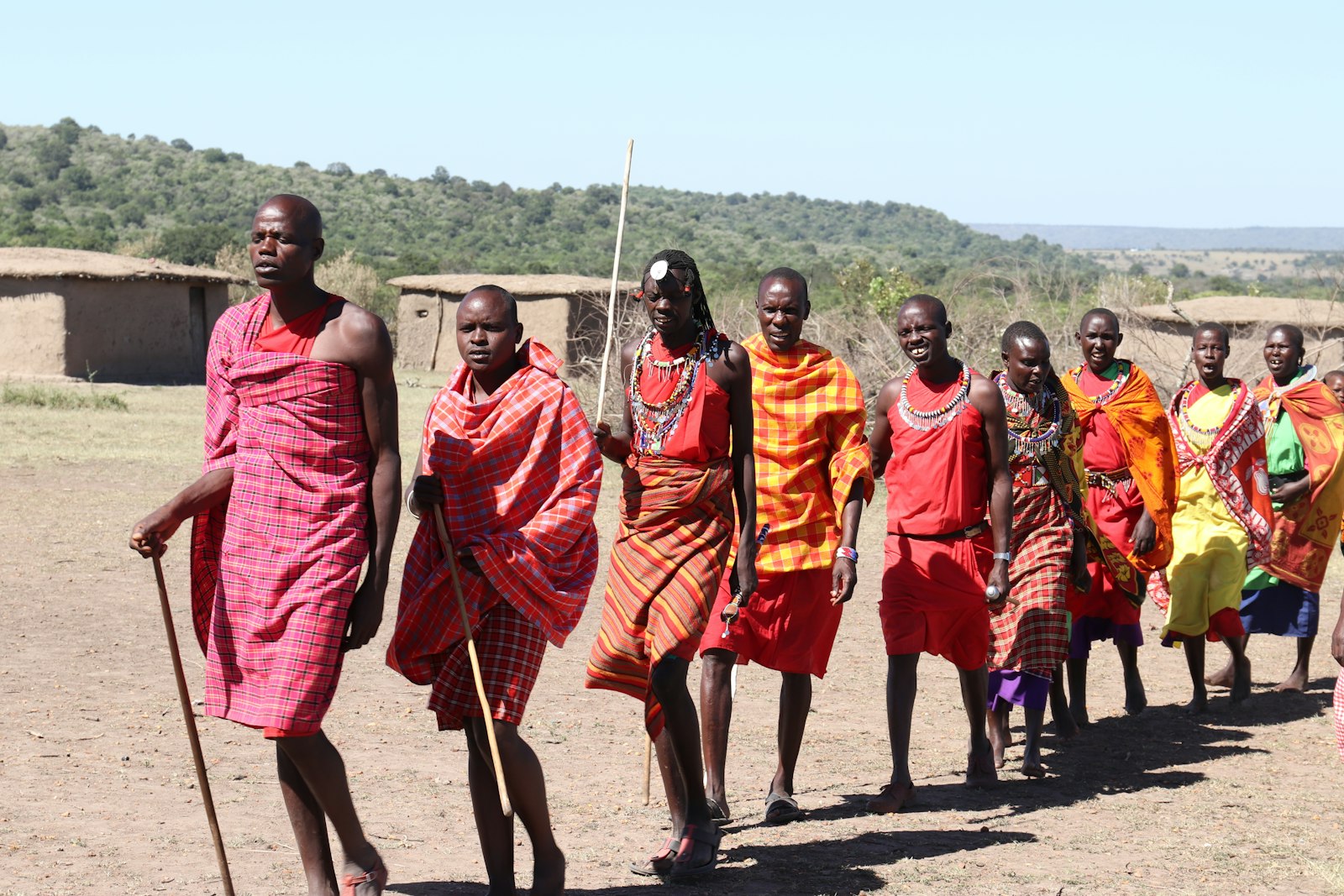
Many travellers visit a Maasai or Samburu village. These visits can be a meaningful exchange, or they can feel staged. A good visit is arranged with the community, the fee is clear and goes to the village or a community fund, and you are welcome to ask questions. Always ask before taking photos of people, and accept a polite no.
- Ask: who receives the visit fee, and how is it shared?
- Buy: crafts directly from the makers, paying a fair price rather than bargaining hard.
- Tip: guides, drivers and camp staff fairly, as tips are an important part of income; see our Kenya safari tipping guide.
- Respect: dress modestly in villages and follow your guide’s lead.
Expert tip from our Nairobi team: a night or two in a community conservancy often does more good than a short village visit, because the lease fees and jobs last all year. It also tends to give you a quieter, more personal safari.
Reducing Your Footprint on a Responsible Safari
You can make your own responsible safari lighter with a few simple choices about travel, packing and behaviour.
Flights and travel
Long-haul flights are usually the largest part of a safari’s carbon footprint. You cannot avoid the flight to Kenya, but you can make it count by staying longer and visiting fewer places. Fewer internal flights and longer stays in each camp also give you better wildlife viewing and a more relaxed trip. Our guide to how many days you need for a Kenya safari helps you plan a sensible pace.
Plastics and packing
Kenya banned plastic carrier bags in 2017, and since 5 June 2020 single-use plastics such as water bottles, cups, cutlery and straws have been banned in national parks, beaches, forests and other protected areas. Local laws can change, so check the UK government’s Kenya travel advice before you travel. Pack a refillable bottle, use reusable bags and leave single-use plastic at home.
Drones, noise and litter
Do not fly drones without permission; our guide to drone rules in Kenya’s national parks explains why. Keep noise low, take all litter with you and never feed wildlife, including monkeys at picnic sites.
Greenwashing Red Flags
Some companies use words like “eco” and “sustainable” without much behind them, so a responsible safari needs a little healthy scepticism.
| Red flag | What it might mean | What to ask |
|---|---|---|
| Vague claims such as “eco-friendly” with no detail | Marketing without practice | What exactly do you do on energy, water and waste? |
| Prices far below other licensed operators | Fees, wages or safety may be cut | Are all park and conservancy fees included? |
| Promises of getting “up close” to animals | Pressure on guides to break rules | How do you manage distance and vehicle numbers? |
| Animal contact activities offered as extras | Poor welfare standards | Why do you offer this, and where are the animals from? |
| No named camps until after payment | Lack of transparency | Which camps will I stay in? |
A responsible operator will answer these questions openly. If answers are vague or defensive, trust your instincts.
Sample Responsible Safari Ideas in Kenya
You can build a responsible safari at almost any budget by mixing well-run parks, conservancies and good camps.
- Conservancy-focused Masai Mara: three or more nights in a Mara conservancy for quiet sightings, walks and community benefit; see the Ol Pejeta and Masai Mara conservancy safari.
- Walking and Laikipia: guided walks in community and private conservancies on the Laikipia and Masai Mara walking safari.
- Classic circuit at a slower pace: fewer stops and more nights in each place on the Kenya Highlights Safari.
Prices depend on dates, camps and group size, so message us for a quote. We will explain exactly where your fees go.
Responsible Safari FAQs
What is a responsible safari?
A responsible safari is a trip that supports wildlife conservation, benefits local communities fairly and keeps environmental impact low. It uses licensed operators, well-run camps, guides who respect animals and fees that fund parks and conservancies. It avoids exploitative animal activities and cuts waste such as single-use plastic.
How do I know if a safari company is ethical?
Check that it is licensed, in Kenya by the Tourism Regulatory Authority. Ask which camps it uses and why, whether all park and conservancy fees are included, how guides behave at sightings and how local staff are treated. An ethical company answers clearly, names its camps and puts terms in writing.
Are conservancies more ethical than national reserves?
Not automatically, but conservancies often have strong benefits. Camps pay lease fees to local landowners, giving families income from keeping land open for wildlife, and many limit vehicle numbers. National parks and reserves also do vital conservation work, funded by your fees. A good trip often includes both.
Is visiting a Maasai village ethical?
It can be, if the visit is arranged with the community, the fee is clear and it goes to the village or a community fund. Ask your operator how the visit works and who benefits. Always ask before photographing people, buy crafts directly at fair prices and follow your guide’s advice on etiquette.
What is the Eco-rating in Kenya?
Eco-rating is a certification scheme run by Ecotourism Kenya since 2002. It assesses hotels, lodges and camps on environmental, economic and social performance, including waste, resource use and community support. Facilities are rated Bronze, Silver or Gold, and certification lasts 24 months before it must be renewed.
Can I bring plastic water bottles on safari in Kenya?
Single-use plastics, including plastic water bottles, have been banned in Kenya’s national parks, reserves, forests, beaches and other protected areas since June 2020. Plastic carrier bags have been banned nationwide since 2017. Bring a refillable bottle; most camps and safari vehicles provide filtered or bottled water in larger containers.
Does a responsible safari cost more?
Not always. Responsible choices exist at most budgets, from simple eco-camps to luxury conservancy camps. Some conservancy stays cost more because of fees and lower guest numbers, but you usually get quieter sightings in return. Very cheap trips that skip fees or underpay staff are the ones to avoid.
🏕 Plan Your Safari With Sense of Adventure
Kenya-based experts. Real local knowledge. Transparent pricing. We will help you plan a responsible safari with well-run camps, fair fees and guides who put wildlife first. 💬 WhatsApp Us — Start Planning Today
Call or WhatsApp: +254 799 160 081
Related Safari Guides
- ›Is Safari Tourism Ethical?
- ›Masai Mara Reserve vs Conservancies
- ›How to Find a Trustworthy Safari Operator
- ›Questions to Ask Before Booking a Safari
- ›Kenya Safari Etiquette
Official travel & park resource: Kenya Wildlife Service ↗ · Magical Kenya ↗