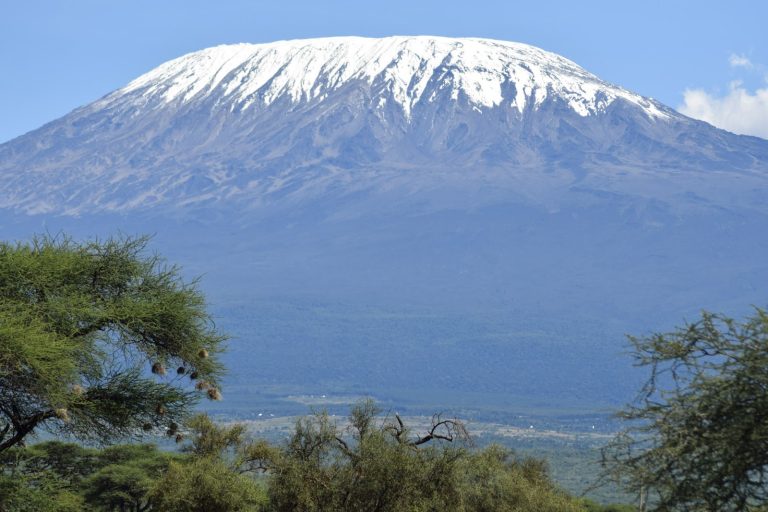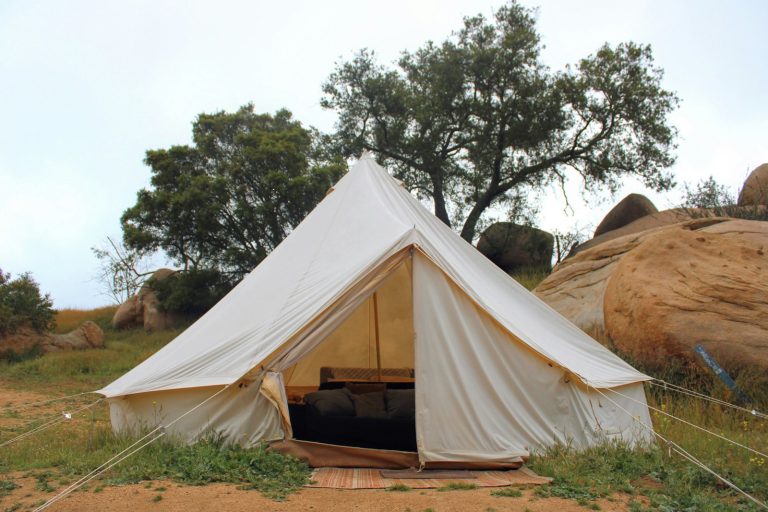

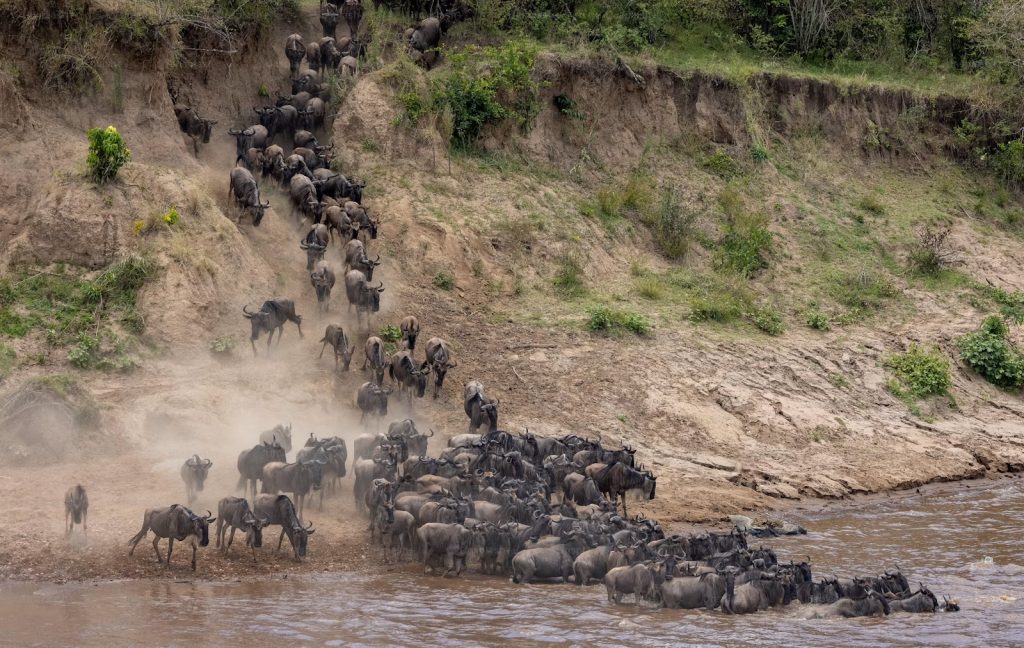
It is 6.20 in the morning and the canvas is still damp. You climb into the vehicle with a blanket over your knees and a flask of tea between your feet. The grass is silver with dew. Somewhere to the east, a lion is calling in long, falling grunts, and your guide cuts the engine to listen. Then the light comes, low and gold across the plain, and you see them: thousands of wildebeest, heads down, grazing towards the river as if nothing in the world could stop them.
Masai Mara National Reserve is a 1,510 km² protected savanna in Narok County, south-west Kenya, on the border with Tanzania’s Serengeti. It is famous for lions, leopards and cheetahs, and for the Great Migration, usually present from July to October. Entry costs USD 100 a day from January to June and USD 200 from July to December.
Sense of Adventure is a Nairobi-based safari company, licensed by Kenya’s Tourism Regulatory Authority (TRA1/47/C01/77087), and the Masai Mara National Reserve is where we send more guests than anywhere else. This guide is the one we wish every first-time visitor read before booking. It covers the landscape and its history, the Maasai families who share it, the 2026 fees, how to get there, the best months, honest wildlife odds, the rules, how long to stay and a sample itinerary you can book with us.
✅ Masai Mara National Reserve: The Quick Answer
- Where: Narok County, south-west Kenya, about 5–6 hours by road or under an hour by light aircraft from Nairobi.
- Best for: Big cats, the Great Migration, open-plain game drives and balloon safaris.
- Best time: July to October for the migration; January to March for green plains, newborns and lower fees.
- Entry fee: Non-resident adults USD 100 per day (January–June) or USD 200 (July–December); children aged 9–17 USD 50.
- How long to stay: Three nights is the sweet spot; two works if you fly in.
- Getting there: Drive via Narok to Sekenani or Talek gate, or fly from Wilson Airport to Keekorok, Ol Kiombo, Musiara or Serena airstrip.
🌍 Planning a Safari to the Masai Mara National Reserve?
Tell us your dates and who is travelling, and we will tell you honestly which part of the Mara suits you best. 💬 WhatsApp Us Now or call +254 799 160 081
What Is the Masai Mara National Reserve?
The Masai Mara National Reserve is Kenya’s best-known wildlife area: a county-run reserve of rolling grassland, acacia country and riverine forest, forming the northern part of the Mara-Serengeti ecosystem.
It sits in Narok County at roughly 1,500 to 2,100 metres above sea level, which is why mornings feel cool even in the dry season. Three rivers shape the land: the Mara, the Talek and the Sand. The Mara River, lined with fig and croton forest, is where the famous migration crossings happen. To the west, the Oloololo (Siria) Escarpment rises like a wall above the plains.
The reserve began in 1961 as a small wildlife sanctuary of about 520 km². It was extended, gained national reserve status in 1974 and reached its present size of 1,510 km² in 1984. In 2023, the National Museums of Kenya submitted it to UNESCO’s World Heritage Tentative List, citing the migration and its importance for black rhino, elephant and big cats.
Who manages the Masai Mara National Reserve?
Unlike Amboseli or Tsavo, the Mara is not run by the Kenya Wildlife Service. The Narok County Government manages the larger Narok sector, east of the Mara River. The Mara Triangle, west of the river, is managed on the county’s behalf by the Mara Conservancy, a not-for-profit company that has run it since 2001. Around the reserve’s northern and eastern edges lie the private and community conservancies, which have their own rules and fees. Our guide to the Masai Mara reserve vs the conservancies explains the difference.
The People of the Mara: Maasai Families, Rangers and Guides
The Masai Mara National Reserve is a lived-in landscape, and the people who share it with the wildlife are the reason it still exists.
The name itself comes from the Maa language: mara means “spotted”, describing the scattered trees and cloud shadows across the plains. The Maasai have grazed cattle across this country for centuries. Today, many Maasai families around the reserve own land in group ranches, and much of that land has been leased to conservancies. Landowners receive regular lease payments in return for keeping their land open to wildlife, which is one of the most important conservation models in East Africa.
Your entry fees matter here. Masai Mara National Reserve fees are collected by Narok County and the Mara Conservancy and pay for rangers, roads, anti-poaching patrols and community services. In the Mara Triangle, Mara Conservancy rangers patrol the river and the escarpment day and night. Across the wider ecosystem, organisations such as the Mara Elephant Project work with rangers and communities to reduce conflict between people and elephants.
Meeting the Maasai with respect
Most of our guests visit a Maasai village (manyatta) near the Masai Mara National Reserve. A good visit is a conversation, not a show: you see how a homestead is built, how cattle are kept and how young people now balance school and tradition. Ask before taking photographs, agree the visit fee in advance and buy beadwork directly from the women who made it. Our Maasai Cultural & Wildlife Safari builds this in properly.
Expert tip from our Nairobi team: The best Mara guides are often Maasai who grew up nearby. Ask your guide about the land, the names of the hills and how the seasons changed when they were young. It turns a game drive into a lesson in the place itself.
Masai Mara Entry Fee and Park Charges for 2026
In 2026, a non-resident adult pays USD 100 per day from January to June and USD 200 per day from July to December to enter the Masai Mara National Reserve.
These are the rates published by the reserve authorities and widely reported in the Kenyan press for 2026. They change more often than KWS park fees, so always treat them as a guide and confirm before you pay. The Mara Triangle publishes its own schedule on the Mara Conservancy conservation fees page.
| Visitor category | January–June (per day) | July–December (per day) |
|---|---|---|
| Non-resident adult (18+) | USD 100 | USD 200 |
| Non-resident child (9–17) | USD 50 | USD 50 |
| Kenyan citizen adult | KES 1,500 | KES 3,000 |
| Children aged 8 and under | Free | Free |
| Safari vehicle (6–12 seats) | KES 1,500 | KES 1,500 |
How the Masai Mara National Reserve ticket works
- A day ticket, not 24 hours: tickets run from 06:00 to 18:00, and you are charged for each day you are inside or staying inside the reserve.
- Cashless only: pay by card or M-Pesa. Gates and airstrips do not take cash.
- Camp location matters: if your camp is outside the reserve, you only pay for the days you drive in. If you sleep inside, you pay for every night.
- Conservancy fees are separate: camps in the conservancies charge their own daily fee, usually included in the camp rate.
For every other park on your route, see our full guide to Kenya national park entrance fees for 2026. When you book with us, all fees are built into one written quote.
How to Get to the Masai Mara National Reserve
You can reach the Masai Mara National Reserve by road from Nairobi in about 5 to 6 hours, or by light aircraft from Wilson Airport in under an hour.
By road
The road route runs west from Nairobi, down the Great Rift Valley escarpment (with a viewpoint stop), through Narok town and on to Sekenani or Talek gate. The final stretch after Narok has improved in recent years but can still be slow and dusty, and rough after rain. A road safari is the best-value option and lets you combine the Mara with Lake Nakuru or Lake Naivasha. All our road safaris use a private pop-up roof Land Cruiser or 4×4 with a guaranteed window seat.
By air
Scheduled light aircraft fly several times a day from Wilson Airport in Nairobi to the Mara’s airstrips, including Keekorok, Ol Kiombo, Musiara and Serena in the Mara Triangle. Flights take roughly 45 to 75 minutes, depending on stops. Your guide meets you at the airstrip and the game drive starts on the way to camp. Remember the soft-bag rule and the 15 kg limit: our guide to safari luggage weight limits on small aircraft explains it.
Not sure which suits you? Our comparison of a fly-in vs road safari in Kenya sets out the cost and time trade-off.
Best Time to Visit Masai Mara: Month by Month
The best time to visit Masai Mara for the migration is July to October; for value and quieter plains, January to March and June are excellent.
The resident wildlife of the Masai Mara National Reserve is superb all year, so there is no bad month for big cats. The difference is the migration, the rain, the price and the number of vehicles at a sighting.
| Month | Weather | What you will see | Our verdict |
|---|---|---|---|
| January–February | Warm, mostly dry | Resident cats, plains game, many young animals | Excellent value |
| March | Warm, first showers | Green plains, fewer vehicles | Good |
| April–May | Long rains | Lush and quiet; some camps close | Best prices, muddy roads |
| June | Cool, drying | Early migration herds may arrive late in the month | Very good |
| July–August | Cool, dry | Migration herds; river crossings possible | Peak season |
| September–October | Dry, warming | Herds and crossings; big-cat action | Peak season |
| November | Short rains | Herds usually moving south; green again | Good value |
| December | Showers, warm | Resident wildlife, festive demand | Good, book early |
Migration timing depends on rain and is never guaranteed. Herds arrive around July and usually head back to Tanzania around October, but crossings happen on the animals’ schedule, not ours. Read our honest take on whether the Great Migration is guaranteed and our Great Migration 2027 planner.
📅 Get a Free, No-Obligation Safari Quote
Send us your travel month and budget, and we will build a Mara plan with fees, vehicle and camp all in one price. ✉ Send Us Your Dates on WhatsApp
Wildlife in the Masai Mara National Reserve: What You Will See
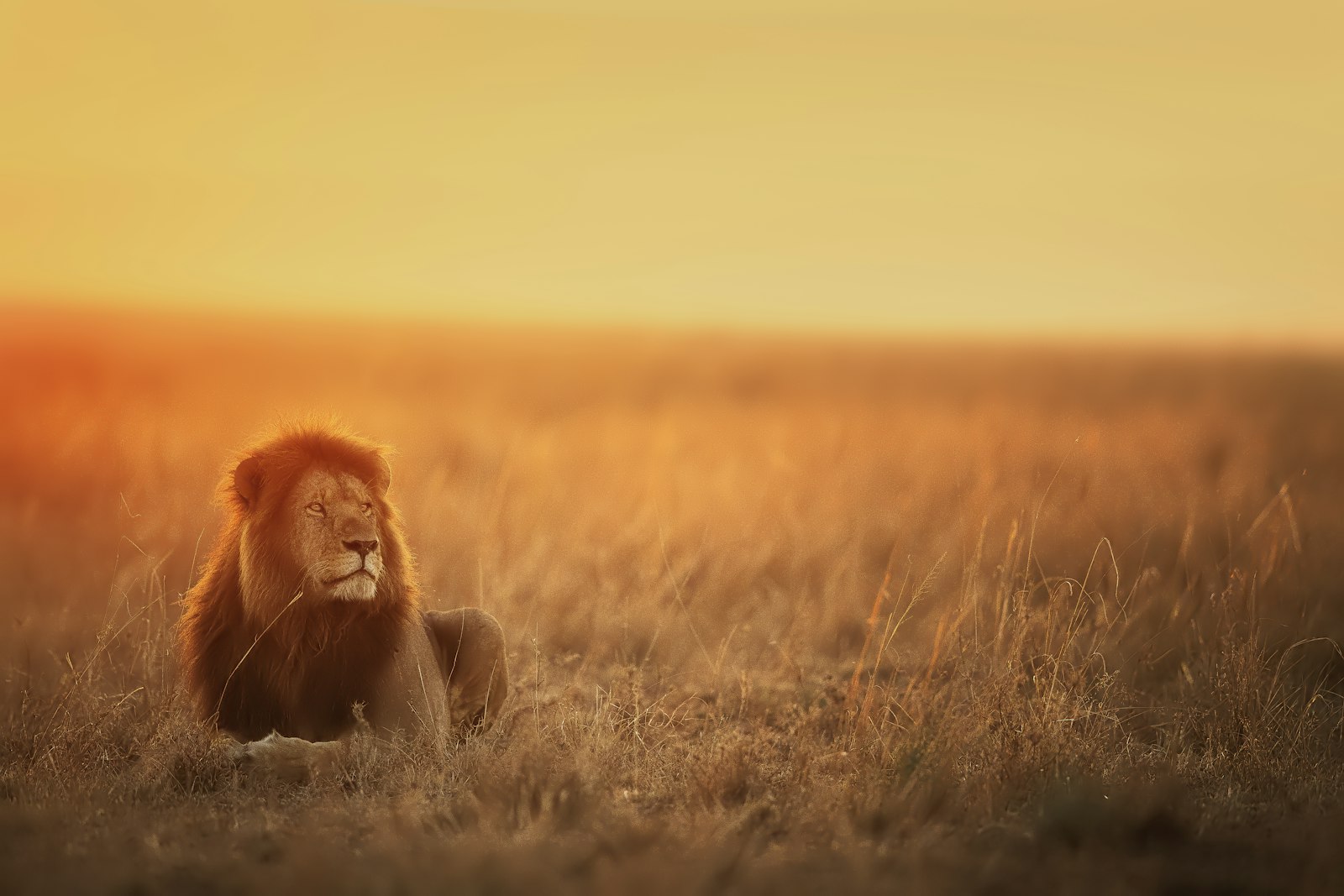
The Masai Mara National Reserve gives you some of the best predator viewing in Africa, with lions seen on almost every safari and good chances of cheetah, elephant and buffalo.
Here is our honest view of the odds on a three-night safari with an experienced guide. These are general patterns for the Masai Mara National Reserve, not promises, because wild animals choose where to be.
- Lion: very high. Prides are spread across the reserve and the Mara is one of Africa’s great lion strongholds.
- Cheetah: good, especially on the open plains of the Narok sector.
- Leopard: fair to good. Look along the Talek and Mara rivers and in the croton thickets.
- Elephant and buffalo: very high, often in big herds.
- Black rhino: low. A small population of a few dozen lives here; sightings are a bonus, not a given.
- Hippo and crocodile: almost certain at the Mara River.
- Plains game: topi, Thomson’s and Grant’s gazelles, Masai giraffe, zebra, eland, warthog and hyena are everywhere.
Birders are well rewarded too. More than 450 bird species have been recorded in the Masai Mara National Reserve, including many raptors, secretary birds, ground hornbills and the lilac-breasted roller you will soon stop pointing at, plus vultures that depend on the Masai Mara National Reserve for food. If seeing all five of the Big Five matters to you, read will you see the Big Five in Kenya before you choose your route.
Things to Do in Masai Mara
The main things to do in Masai Mara are game drives, hot-air balloon flights, Maasai village visits and, in the neighbouring conservancies, guided walks and night drives.
Game drives
Most days in the Masai Mara National Reserve follow a rhythm: an early drive from about 6.30 when cats are active, back for brunch, rest in the heat, then out again at around 4 pm until sunset. Full-day drives with a picnic lunch are the best way to reach the Mara River or the far south of the reserve, where crossings and fewer vehicles are found.
Hot-air balloon safaris
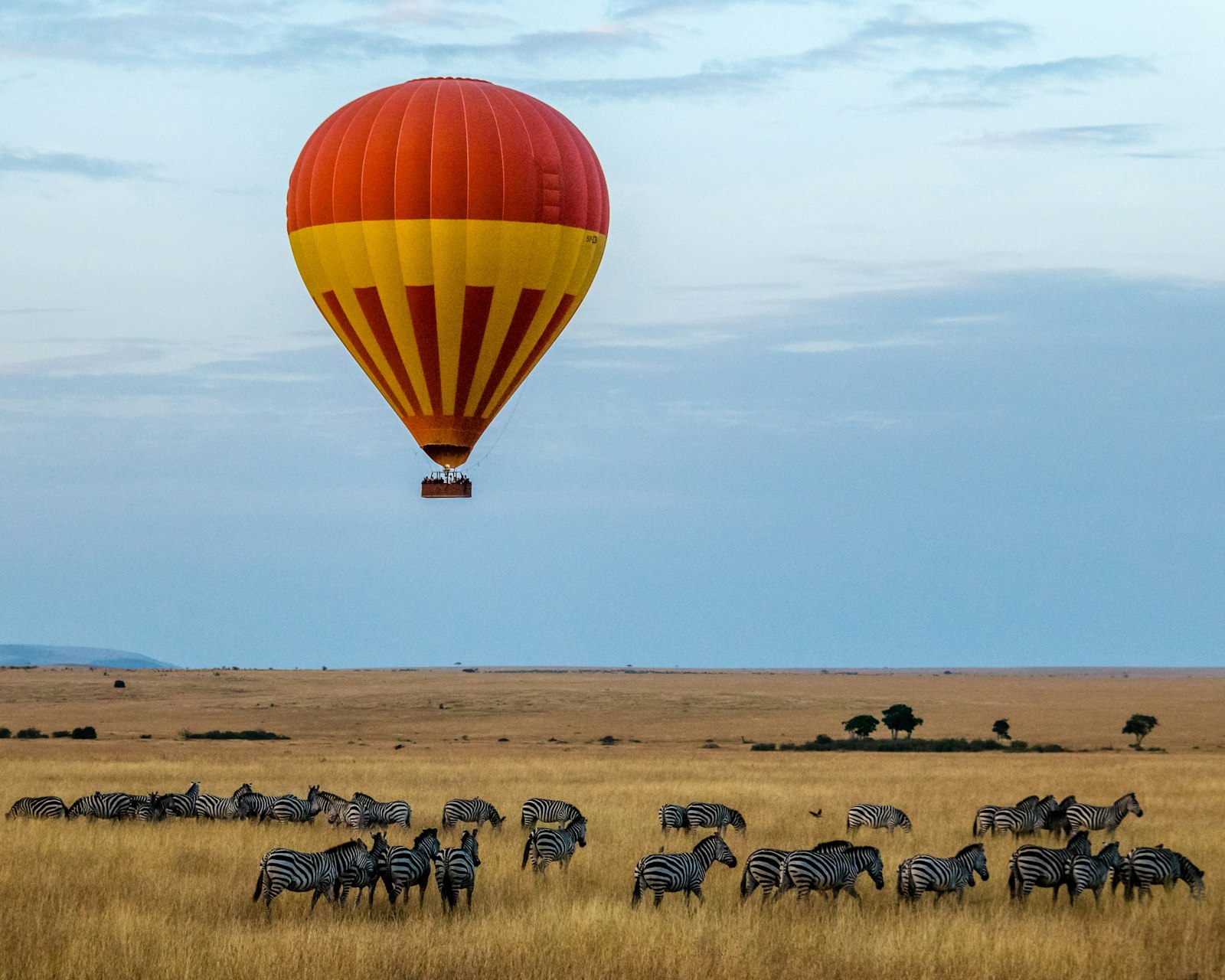
A dawn balloon flight drifts over the plains for about an hour, followed by a bush breakfast. It is one of Kenya’s signature experiences, as Magical Kenya’s ballooning page describes. Book early in peak season, as flights sell out.
Walks, night drives and photography
Walking safaris and night drives are not allowed inside the reserve itself, but they are a highlight in the private conservancies such as Mara North, Olare Motorogi and Naboisho. Keen photographers should consider our Big Cats Photographic Safari, with a private vehicle and flexible hours.
Masai Mara National Reserve Rules and Safety
The key Masai Mara National Reserve rules are simple: stay on the tracks, stay in the vehicle, keep your distance and leave before the gates close.
- No off-road driving: vehicles must keep to tracks, and rangers enforce this.
- Stay inside the vehicle except at designated picnic sites, viewpoints and the river crossing points your guide knows are safe.
- Give animals space: never block a hunting cat or crowd a sighting.
- Day hours: drives run between about 06:00 and 18:30; there are no night drives in the reserve.
- No drones without written authorisation, and no feeding of wildlife.
- Plastic bags are banned in Kenya; bring reusable bottles and bags.
The Masai Mara National Reserve is safe for visitors who follow their guide. Check current advice before travelling on the UK government’s Kenya travel advice page, and carry travel insurance that includes medical evacuation.
Expert tip from our Nairobi team: At a busy sighting, ask your guide to wait a little way off rather than join the queue. Cats often move after a few minutes, and the vehicle that held back is usually best placed when they do.
How Many Days Do You Need in the Masai Mara?
Three nights in the Masai Mara National Reserve is ideal for most travellers; two nights works by air, and four or more suits photographers and migration chasers.
Two nights in the Masai Mara National Reserve by road gives you only one full day, because most of the first and last days go on travel. Three nights gives you two full days, which is enough for a full-day drive to the river and a relaxed balloon morning. Our honest answer to is 2 days in the Masai Mara enough goes into the detail.
Where to Stay and What to Pack
Where you sleep shapes your Masai Mara safari more than anything else: inside the reserve, at the gates or in a private conservancy.
Camps inside the Masai Mara National Reserve put you closest to the river crossings, while conservancy camps offer fewer vehicles, walks and night drives. For the best camps inside the reserve, see our guide to luxury lodges in the Masai Mara. For private conservancy stays, read about Mara North Conservancy camps and Olare Motorogi Conservancy camps, and compare locations in inside or outside the Masai Mara.
What to pack for the Masai Mara National Reserve
Pack layers, neutral colours and a soft bag: mornings in the Masai Mara National Reserve are cold, afternoons are hot and light aircraft limit you to 15 kg.
- A warm fleece or down jacket for dawn drives and balloon flights
- Khaki, olive or sand clothing; avoid bright white and dark blue (see why safari clothes are khaki)
- Binoculars, a wide-brimmed hat, sunglasses and high-factor sunscreen
- A camera with a zoom of at least 300 mm (our camera gear checklist helps)
- Insect repellent and any malaria tablets your doctor advises
- A light rain jacket from November to May
Combining the Mara with other parks
The Masai Mara National Reserve pairs naturally with Lake Nakuru and Lake Naivasha by road, or with Amboseli, Laikipia and Samburu by air.
A classic first safari is Nairobi, then Lake Naivasha for hippos, then three nights in the Masai Mara National Reserve. If elephants and Kilimanjaro are on your list, read our Masai Mara vs Amboseli comparison, or join both on our 7-day Amboseli, Naivasha and Masai Mara safari. For a wider view of Kenya’s protected areas, see the complete list of Kenya national parks and reserves.
Sample 3-Day Masai Mara National Reserve Itinerary
This simple road itinerary is the one we recommend for a first visit to the Masai Mara National Reserve, and we run it privately on any date.
- Day 1, Nairobi to the Mara: leave Nairobi at about 7 am, stop at the Rift Valley viewpoint, lunch at camp and enjoy an afternoon game drive until sunset.
- Day 2, full day in the reserve: optional dawn balloon flight, then a full-day drive towards the Mara River with a picnic lunch, looking for cats, elephants and, in season, crossings.
- Day 3, morning drive and return: a last early drive, brunch, and the drive back to Nairobi, arriving in the late afternoon.
Book this as our 3 Day Masai Mara Safari Package, upgrade to the Fly-in Masai Mara Luxury Safari, or keep costs down on our Masai Mara camping safari. Prices depend on season, camp and group size, so message us for a quote. You can see every option on our Masai Mara safari page.
Masai Mara National Reserve FAQs
How much is the Masai Mara entry fee in 2026?
Non-resident adults pay USD 100 per day from January to June and USD 200 per day from July to December. Children aged 9 to 17 pay USD 50, and children aged 8 and under enter free. Kenyan citizens pay KES 1,500 or KES 3,000 by season. Fees change, so confirm before you travel.
What is the best month to visit the Masai Mara?
For the Great Migration and river crossings, August and September are usually the strongest months, with July and October also good. For lower fees, green plains and fewer vehicles, choose January, February or June. The resident lions, cheetahs and elephants are excellent in every month of the year.
How far is the Masai Mara from Nairobi?
The reserve is roughly 5 to 6 hours from Nairobi by road, travelling through the Rift Valley and Narok town to Sekenani or Talek gate. Scheduled light aircraft from Wilson Airport reach the Mara airstrips in about 45 to 75 minutes, depending on how many stops the flight makes.
Is the Masai Mara the same as the Serengeti?
They are one ecosystem divided by the Kenya-Tanzania border. The Masai Mara is the smaller northern part in Kenya, and the Serengeti is the larger southern part in Tanzania. The wildebeest move between them, usually spending roughly July to October in the Mara and the rest of the year in the Serengeti.
Can you see the Big Five in the Masai Mara?
Yes, all five live in the reserve, but black rhino is rare and hard to find. Lion, elephant and buffalo are seen on almost every safari, and leopard sightings are fairly common with a patient guide. If rhino is a priority, add Lake Nakuru or Ol Pejeta to your trip.
Are night drives allowed in the Masai Mara?
No. Night drives and walking safaris are not permitted inside the Masai Mara National Reserve, where game drives run during daylight hours only. Both activities are offered in the private conservancies bordering the reserve, such as Mara North, Olare Motorogi and Naboisho, usually included in the camp rate.
How many days do you need in the Masai Mara?
Three nights is ideal for most travellers, giving two full days of game drives. Two nights works if you fly in, because you avoid the long road journey. Photographers and anyone hoping for a river crossing should plan four nights or more, as crossings can take days of patient waiting.
🏕 Plan Your Masai Mara Safari With Sense of Adventure
Kenya-based experts. Real local knowledge. Transparent pricing. Tell us your dates and we will match you with the right camp, vehicle and guide for the Masai Mara National Reserve. 💬 WhatsApp Us — Start Planning Today
Call or WhatsApp: +254 799 160 081 · Email: info@senseofadventure.co.ke
Related Safari Guides
- › Masai Mara Facts: 12 Things Most Visitors Don’t Know
- › Masai Mara Reserve vs Conservancies
- › Mara North vs Naboisho vs Olare Motorogi
- › Masai Mara or Serengeti? Month by Month
- › Nairobi National Park Guide
Official travel & park resource: Kenya Wildlife Service ↗ · Mara Triangle: Mara Conservancy ↗