
Kenya’s largest and wildest national park stretches across 21,812 square kilometres of ancient volcanic landscape, dry thornbush, and riverine forest — a primordial wilderness so vast it took the colonial-era railway builders three years and a pair of legendary man-eating lions to cross it. Tsavo National Park, divided into Tsavo East and Tsavo West by the Nairobi-Mombasa highway, is Kenya’s original safari landscape and one of Africa’s last truly wild places.
Tsavo rewards a different kind of traveller than the Masai Mara: those who want space, solitude, drama, and the sensation of genuine wilderness rather than a curated game drive experience. The wildlife is here — in vast numbers — but it operates on Tsavo’s terms, in Tsavo’s scale. This is your complete guide to Tsavo National Park in 2026.
Tsavo East vs Tsavo West: Understanding the Two Parks
The Nairobi-Mombasa highway splits Tsavo into two administratively separate parks with distinctly different characters.
Tsavo East is the larger half — approximately 13,747 sq km of flat, semi-arid landscape dominated by vast open plains, the Galana River, and the dramatic Yatta Plateau, one of the world’s longest lava flows at over 300 kilometres. Tsavo East is more remote and less visited than its western counterpart, making it a destination for travellers who genuinely value exclusivity and wilderness immersion.
The Galana River is the park’s ecological backbone — a permanent water source that draws extraordinary concentrations of wildlife through the dry season. The famous Lugard’s Falls — where the Galana River churns through a narrow basalt gorge carved over millennia — is one of Kenya’s most striking natural features.
Tsavo West is more rugged and dramatically scenic. Ancient lava flows, volcanic hills, rocky outcrops, and the extraordinary Mzima Springs — where approximately 50 million gallons of crystal-clear water filter up through the lava rock daily, supporting hippos, crocodiles, and remarkable fish populations visible through an underwater viewing chamber — give Tsavo West a landscape quality unmatched in Kenya.
The Chyulu Hills, a young volcanic range with some of the world’s longest lava tubes, forms a dramatic backdrop to the park’s northern sections.
For a side-by-side comparison of the two halves, read our guide to Tsavo East vs Tsavo West.
The Red Elephants of Tsavo
Tsavo’s elephants are among Africa’s most immediately recognisable — not because of their size (though Tsavo supports some of Africa’s largest-tusked individuals) but because of their extraordinary red-dust appearance. The park’s distinctive laterite soil is a deep, iron-rich red, and elephants roll in it habitually, coating themselves in a russet-orange pigmentation that makes them look like a completely different species from the grey elephants of Amboseli or the Mara. A Tsavo elephant emerging from a dust bath, shaking clouds of red dust from its flanks with Kilimanjaro in the far distance, is one of East Africa’s most striking wildlife images.
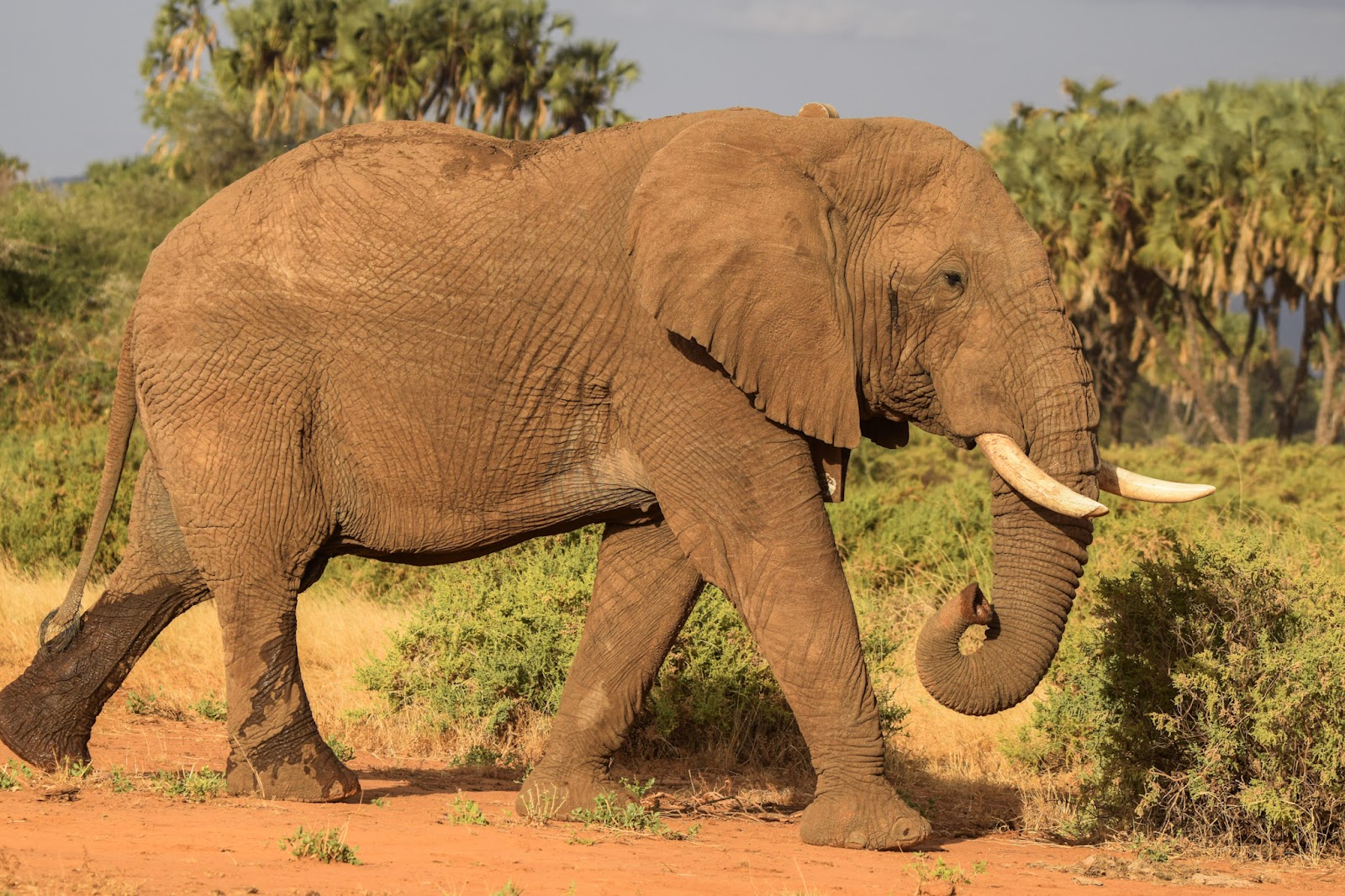
Tsavo supports one of Africa’s largest elephant populations — estimates place the Tsavo ecosystem elephant count at over 13,000 individuals — and sightings are frequent throughout both parks. The Galana River in the dry season provides some of the most spectacular elephant congregation scenes in Kenya, with herds numbering in the hundreds converging on the water.
Tsavo is also linked to elephant conservation. The Sheldrick Wildlife Trust raises orphaned elephants in Nairobi and later moves many of them to reintegration units in Tsavo, where they gradually return to wild herds.
The Man-Eaters of Tsavo: Kenya’s Most Extraordinary Wildlife Story
No account of Tsavo is complete without the story of the Man-Eaters of Tsavo — one of the most extraordinary and well-documented wildlife events in recorded history. Between March and December 1898, two maneless male lions systematically preyed upon the construction workers building the Uganda Railway bridge across the Tsavo River. The lions killed an estimated 28 Indian workers (some accounts put the figure higher) and terrorised a workforce of thousands over nine months, halting construction of a railway that was central to British East Africa’s colonial ambitions.
Lieutenant Colonel John Henry Patterson, the project engineer responsible for the bridge, eventually hunted and killed both lions over a period of several months — a task that proved far more difficult than his military training had prepared him for. Patterson documented the experience in his 1907 book The Man-Eaters of Tsavo, which became an international bestseller and has never been out of print. The two lions’ skins were eventually sold to the Field Museum in Chicago in 1924, where they were mounted and remain on permanent display to this day.
The reason the Tsavo lions became man-eaters is still debated among wildlife scientists. Dental evidence from the mounted specimens shows that both lions suffered from significant tooth decay and infection — likely making normal prey capture painful and difficult. The massive labour camp of railway workers, sleeping in tents with minimal protection, presented an opportunity that the injured lions appear to have exploited with extraordinary persistence and intelligence.
Their behavior — working as a coordinated pair, entering tents, dragging victims across the defensive thorn perimeter — demonstrated a level of strategic adaptation that continues to fascinate wildlife researchers.
Today, the Tsavo River bridge site where the events occurred is accessible from Tsavo West — a genuinely atmospheric spot to visit with the historical narrative in mind. The experience of camping near the Tsavo River at night, listening to lions calling across the darkness, connects you to the story in a way no museum exhibit can replicate.
For the full story, including how it inspired the 1996 film, read The Ghost and the Darkness: the true story behind the Tsavo man-eaters.
Wildlife in Tsavo Beyond the Headlines
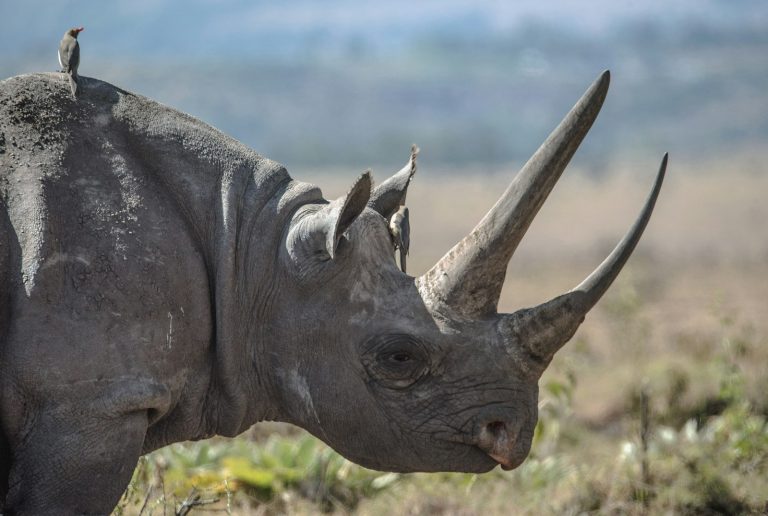
Tsavo’s wildlife diversity is exceptional. The Big 5 are all present — lion (including the famous maneless Tsavo lions, a genetically distinct population), elephant, buffalo, leopard, and black rhino (in the Ngulia Rhino Sanctuary within Tsavo West). Cheetah, wild dog, striped hyena, and kudu are among the species more commonly encountered in Tsavo than in southern Kenya’s busier parks. The birding is superb — over 1,000 species recorded across the Tsavo ecosystem, making it one of East Africa’s premier birdwatching destinations.
The Aruba Dam in Tsavo East, built across the Voi River, creates a permanent waterhole that attracts extraordinary concentrations of wildlife in the dry season — lion prides, elephant families, buffalo herds, and a remarkable diversity of waterbirds. Watching a sunset from the Aruba Dam area, with wildlife silhouetted against the fading red sky, is one of Tsavo’s most reliably spectacular experiences.
Top Things to Do in Tsavo National Park
Tsavo National Park is big enough that you need to choose your highlights. These are the experiences most of our guests enjoy:
- Game drives along the Galana River: The river draws elephants, buffalo and lions, especially in the dry months.
- Mzima Springs: Walk the short nature trail and look for hippos and fish from the underwater viewing chamber.
- Lugard’s Falls: Stretch your legs on the rocks above the gorge, with a ranger or guide.
- Shetani Lava Flow: A black lava field in Tsavo West that shows how young this volcanic landscape is.
- The Ngulia Rhino Sanctuary: A fenced area in Tsavo West where black rhino are protected.
- Yatta Plateau views: The long, flat-topped ridge along the edge of Tsavo East makes a striking backdrop for photographs.
- Birdwatching: Look for hornbills, weavers, starlings and birds of prey on every drive.
Best Time to Visit Tsavo National Park
Tsavo National Park is open all year, but the dry seasons usually give the best game viewing. As water sources shrink, animals gather around rivers, springs and dams, and the thinner bush makes them easier to see.
- June to October: The long dry season. Cooler mornings, dusty plains and excellent elephant sightings near water.
- January to February: A shorter dry spell between the rains, with good game viewing and green patches after the short rains.
- March to May: The long rains. The landscape turns green and there are fewer visitors, but some tracks can become muddy.
- November to December: The short rains. Showers are usually brief, and migrant birds arrive.
Tsavo is hot for much of the year, so plan game drives for early morning and late afternoon, and rest at camp in the middle of the day.
Getting to Tsavo
Tsavo is Kenya’s most accessible major national park from Mombasa — approximately 2 hours’ drive. From Nairobi it is 3–4 hours by road. Scheduled charter flights connect Wilson Airport to Tsavo’s airstrips (Voi, Aruba in East; Kilaguni, Finch Hatton in West) in approximately 45 minutes. Most travellers combine Tsavo with the Kenyan coast — spending 3 nights in Tsavo and 3 nights in Mombasa or Diani Beach on a 6-night circuit.
The Madaraka Express train between Nairobi and Mombasa also stops at Voi and Mtito Andei, both close to Tsavo. Travelling by train is a relaxed way to reach the park, and your driver-guide can meet you at the station and begin the game drive from there.
For gate locations and road distances, see our guide to Tsavo National Park location and access.
Where to Stay in Tsavo
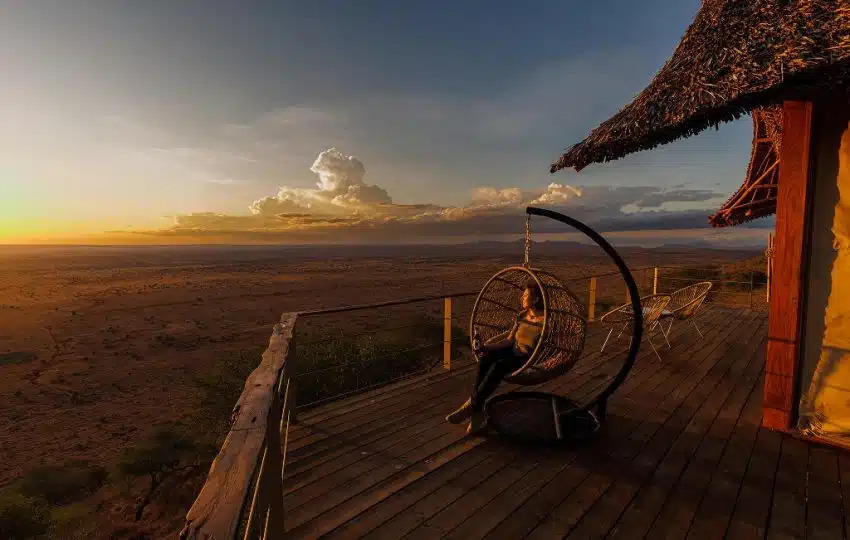
Accommodation in Tsavo National Park ranges from lodges overlooking floodlit waterholes to tented camps along the rivers and simple options near the main gates. Where you stay shapes your safari, because distances inside the park are long. A base near the Galana River suits Tsavo East, while a lodge close to Mzima Springs and the Ngulia Hills suits Tsavo West.
We compare the main options in our guide to Tsavo lodges and camps.

Tsavo National Park Safari Packages
Tsavo National Park fits easily into short and longer trips. These are our most popular options:
- Tsavo East day trip from Mombasa, ideal if you are staying on the coast and have one free day.
- 2-day Tsavo safari from Mombasa, with an overnight stay so you can enjoy evening and morning game drives.
- 3-day Tsavo East and West safari, covering the highlights of both parks.
- Tsavo and Amboseli safari, adding Amboseli’s elephants and views of Kilimanjaro.
Sample 3-Day Tsavo National Park Itinerary
Day 1: Leave Mombasa or Nairobi early and enter Tsavo East. Afternoon game drive along the Galana River and towards Aruba Dam.
Day 2: Morning drive to Lugard’s Falls and the Yatta Plateau views, then cross to Tsavo West for an afternoon at Mzima Springs.
Day 3: Early drive past the Shetani Lava Flow and the Ngulia area, then return to the coast or continue to Amboseli.
Tsavo National Park Practical Tips
Park Fees and Rules
Tsavo East and Tsavo West are managed by the Kenya Wildlife Service, which sets park entry fees and rules. Fees are charged per person per day and can change, so check the current rates on the official Kenya Wildlife Service website or ask us to include them in your quote. Stay on marked tracks, keep to park hours and never leave the vehicle except at designated sites.
What to Pack
- Light, neutral-coloured clothes, plus a fleece for cool early mornings
- A hat, sunglasses and high-factor sun cream
- Plenty of water and a refillable bottle
- Binoculars and a camera with a zoom lens
- A scarf or buff for the red dust on game drives
Photography Tips
The red elephants, the green Mzima Springs and the dark lava flows make Tsavo National Park a rewarding place for photographers. The best light comes in the first two hours after sunrise and the last two hours before sunset, when the red soil glows. A zoom lens of 200mm or more helps with shy animals such as lesser kudu and gerenuk. Keep your camera in a dust-proof bag between sightings, and use a beanbag on the vehicle window for steady shots.
Health and Comfort
Tsavo is a low-lying, hot park, and parts of it are in a malaria area. Speak to a travel clinic before your trip about malaria prevention and vaccinations, use insect repellent in the evenings and drink plenty of water during game drives. Light, long-sleeved clothing helps against both sun and insects.
Who Tsavo Suits
Tsavo suits travellers who enjoy wide open landscapes, fewer vehicles and a sense of discovery. It is a good choice for repeat visitors, keen photographers, birdwatchers and anyone staying on the coast who wants a safari without flying. First-time visitors who want very high predator numbers in a short time may prefer to add the Masai Mara as well.
You can find more inspiration for Kenya’s parks on Magical Kenya, the official tourism site.
Combining Tsavo With Other Destinations
Tsavo works beautifully in combination with several other Kenya destinations. The classic circuit from Nairobi: Amboseli (2 nights, elephants and Kilimanjaro) → Tsavo West (2 nights, Mzima Springs and scenery) → Tsavo East (1 night, Galana River and Aruba Dam) → Mombasa/Diani coast (3 nights). This covers extraordinary ecological variety, ends on the beach, and gives a genuine sense of Kenya’s vast and varied landscape.
For budget planning across a multi-park itinerary, see our Kenya safari cost guide. And for the complete picture of Kenya’s national parks and how they fit together, our top 10 Kenya national parks guide covers every major destination.
Tsavo National Park FAQs
Where is Tsavo National Park?
Tsavo National Park lies in south-eastern Kenya, between Nairobi and Mombasa. The Nairobi-Mombasa highway and railway divide it into Tsavo East and Tsavo West. It is about two hours by road from Mombasa and three to four hours from Nairobi, which makes it the easiest major park to reach from the coast.
Is Tsavo East or Tsavo West better?
Tsavo East has open plains, the Galana River, Lugard’s Falls and Aruba Dam, with big elephant herds and a remote feel. Tsavo West is hillier and more scenic, with Mzima Springs, lava flows and the Ngulia Rhino Sanctuary. With two or three days, visit both, as they complement each other well.
How many days do you need in Tsavo National Park?
Two to three days is ideal. A day trip from Mombasa gives a taste of Tsavo East, but an overnight stay lets you enjoy the best early morning and late afternoon game drives. Three days allows time for both Tsavo East and Tsavo West without spending the whole trip on the road.
Can you see the Big Five in Tsavo National Park?
Yes, all of the Big Five live in the Tsavo ecosystem. Elephants and buffalo are seen often, and lions are regularly found along the rivers. Leopards are shy, so sightings need some luck. Black rhino live mainly in the protected Ngulia Rhino Sanctuary in Tsavo West, where sightings are possible but not guaranteed.
When is the best time to visit Tsavo National Park?
The dry seasons, from June to October and from January to February, usually give the best game viewing, as animals gather near rivers, springs and dams. The rainy months are greener and quieter, with good birdwatching, but some tracks can be muddy. Tsavo is warm all year, so plan early and late drives.
Why are Tsavo elephants red?
Tsavo’s elephants are not truly red. They look red because they dust-bathe and roll in the park’s iron-rich red soil, which coats their skin. The dust helps protect them from the sun and insects. After rain or a swim, you can see their natural grey colour again.
Or call us: +254 799 160 081 — we love planning great safaris.