The national parks in Kenya are some of the finest places on earth to see African wildlife, and this guide ranks the ten that matter most for a safari in 2026. Each of the national parks in Kenya has a different landscape, different animals and a different feel, so choosing well is the key to a great trip.
In short: the best national parks in Kenya for a first safari are the Masai Mara for big cats and the Great Migration, Amboseli for elephants and Kilimanjaro views, and Lake Nakuru for rhino. Add Samburu, Laikipia or Tsavo if you have more time and want quieter, wilder country.
Kenya is home to some of the most extraordinary protected areas on earth — from the world-famous Masai Mara, where the Great Migration thunders across the plains, to the remote wilderness of Tsavo, the elephants-and-Kilimanjaro magic of Amboseli, and the unique northern frontier of Samburu. For safari travellers, Kenya offers incredible variety: different ecosystems, different species, and vastly different safari atmospheres across its national parks and reserves.
This guide covers the top 10 national parks and reserves in Kenya for safari, helping you understand what makes each unique, which wildlife you will find there, and how to combine them intelligently into a Kenya safari itinerary. At Sense of Adventure, we design Kenya safaris that make the most of this extraordinary variety — tailoring every itinerary to the specific wildlife and experiences our guests most want to see.
Table of Contents
National Parks in Kenya: Parks, Reserves and Conservancies Explained
Before you compare the national parks in Kenya, it helps to know that not every famous safari area is technically a national park. Kenya’s protected areas fall into three main groups, and the difference affects who runs them, what you can do there and how fees are paid.
- National parks such as Amboseli, Tsavo, Lake Nakuru, Aberdare, Hell’s Gate and Mount Kenya are managed by the Kenya Wildlife Service. Rules are national, and activities are mostly limited to game drives and set walking areas.
- National reserves such as the Masai Mara and Samburu are managed by county governments. They often have resident communities nearby and slightly different rules and fee systems.
- Private and community conservancies such as Ol Pejeta and the Laikipia ranches are run by private owners or local communities. Many allow night drives, walking safaris and off-road viewing that the national parks do not.
Kenya has dozens of protected areas in total, from tiny forest parks to marine parks on the Indian Ocean coast. For the full picture, see our complete list of Kenya national parks, reserves and conservancies. The ten below are the national parks in Kenya, reserves and conservancies that most safari travellers should consider first.
1. Masai Mara National Reserve
Kenya’s most celebrated wildlife destination and one of the world’s great safari experiences. The Masai Mara is home to all of the Big 5, outstanding predator densities, and — between July and October — the Great Wildebeest Migration and its legendary Mara River crossings. Year-round game viewing is exceptional, with resident lion prides, leopards along the Talek River, and one of Africa’s highest cheetah densities. Surrounding community conservancies add exclusivity and nocturnal viewing to the experience.
Best for: First-time visitors, migration, Big 5, predators, photography.
Best time: Year-round; July–October for migration.
Duration recommended: 4–7 nights minimum.
2. Amboseli National Park
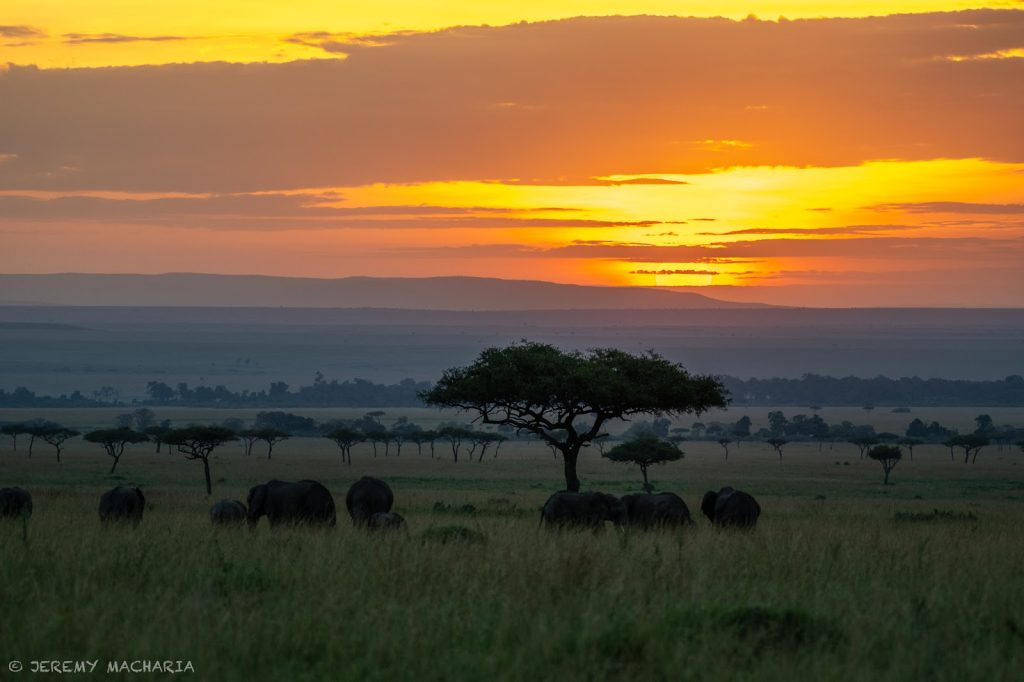
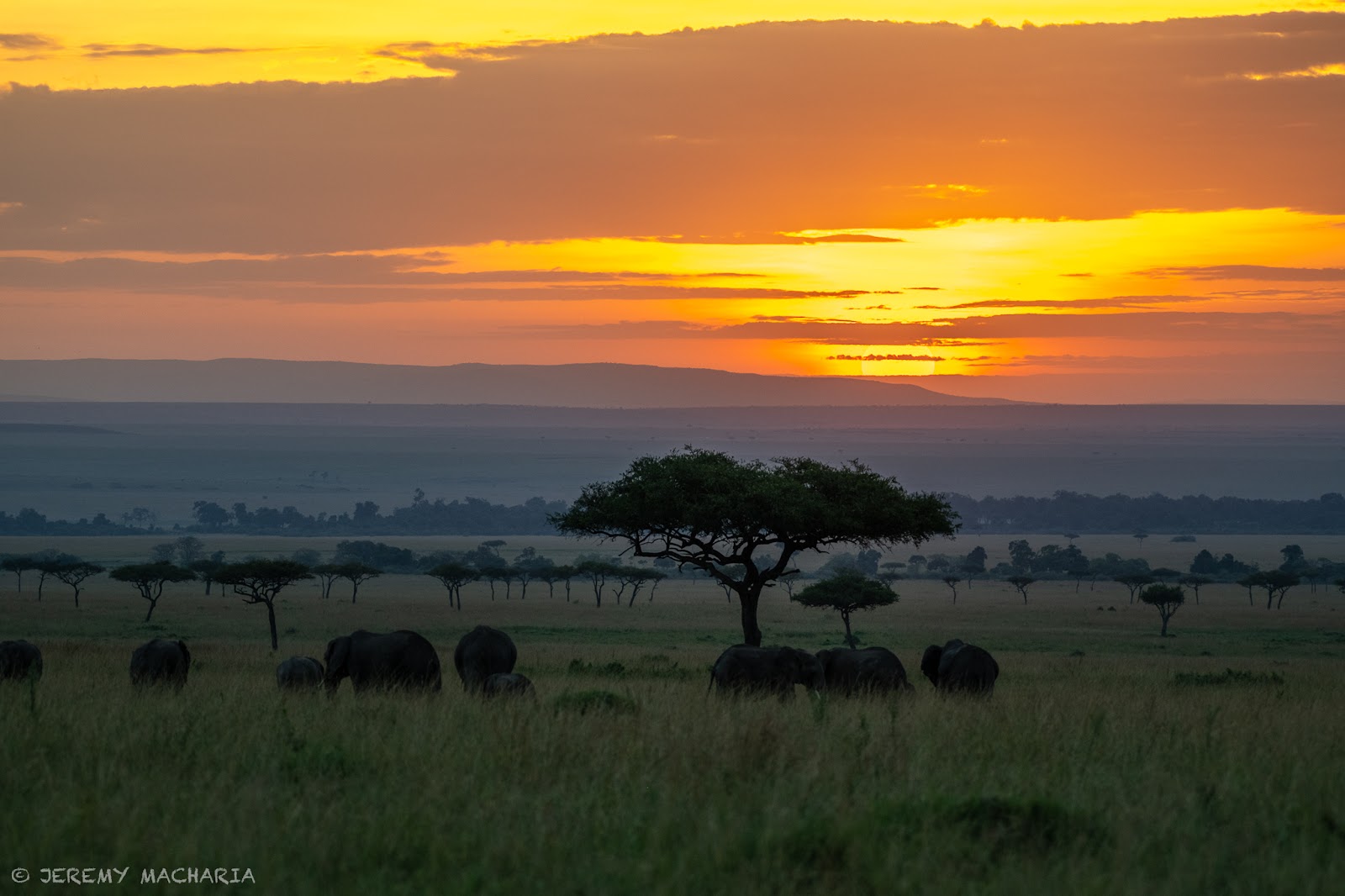
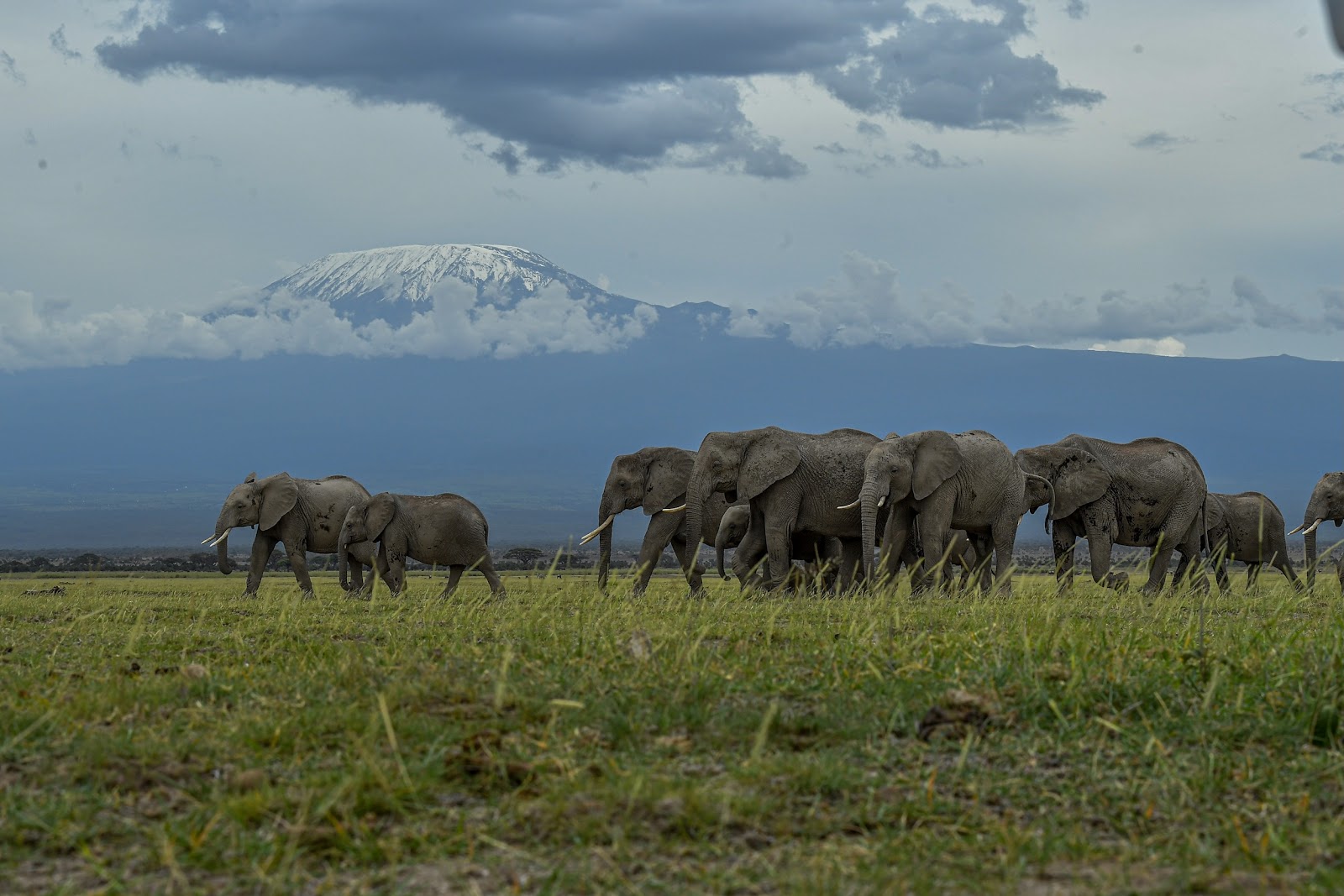
Amboseli is one of Africa’s most iconic landscapes: vast, flat savannah rising gradually toward the snow-covered peak of Mount Kilimanjaro, just across the Tanzanian border. The elephants of Amboseli — some of Africa’s most studied and photographed — move in large family herds across the open plains and through the swamp vegetation fed by Kilimanjaro’s underground meltwater. The result is one of the world’s great wildlife photography destinations, where a frame of elephants silhouetted against Kilimanjaro’s peak is almost unavoidably achievable with some patience and the right morning light.
Beyond elephants, Amboseli supports lion, cheetah, wild dog, and a remarkable diversity of birdlife in the wetland areas. The park is relatively small (392 sq km) but highly photogenic throughout. It combines excellently with the Masai Mara for a 7-day Kenya circuit — fly between the two in under an hour.
Best for: Elephants, Kilimanjaro views, photography, short safaris.
Best time: Year-round; June–October and January–February for clearest Kilimanjaro views.
3. Tsavo National Park (East and West)
Together, Tsavo East and Tsavo West form Kenya’s largest protected area — over 20,000 square kilometres of wilderness. Tsavo has a raw, primordial quality that the more manicured Masai Mara lacks. The landscape is dramatic: red volcanic soil, lava flows in Tsavo West, the famous Mzima Springs (where hippos and crocodiles share crystal-clear water filtering up through ancient lava), and the Galana River cutting through Tsavo East’s semi-arid wilderness.
Tsavo’s elephants are famous for their red-dust appearance — they roll in the distinctive red laterite soil and appear to be a completely different species. Lion and leopard are present but require more patience than in the Mara, reflecting the park’s size and dense bush. Tsavo is an excellent destination for travellers who want a more remote, authentic, uncrowded experience.
Best for: Remote wilderness, red elephants, Mzima Springs, bird-rich riverine forest.
Best time: June–October and January–March.
4. Samburu National Reserve
Samburu is one of Kenya’s most distinctive safari destinations — a semi-arid northern reserve on the banks of the Ewaso Nyiro River, home to five species found nowhere else in Kenya’s southern parks: the reticulated giraffe (considered by many the world’s most beautiful giraffe subspecies), Grevy’s zebra, beisa oryx, Somali ostrich, and the extraordinary gerenuk — a long-necked antelope that browses standing upright on its hind legs. These “Samburu Special Five” give the reserve a unique identity that draws specialist wildlife enthusiasts from around the world.
The Ewaso Nyiro River is the lifeblood of the reserve and an extraordinary concentration point for wildlife — particularly elephants, which are the most habituated in Kenya. Combine Samburu with the Masai Mara for a truly comprehensive Kenya safari.

Best for: Specialist northern species, elephants, dry-country wilderness.
Best time: June–October and January–February.
5. Laikipia Plateau
Laikipia is Kenya’s private conservancy country — a plateau north of Mount Kenya where a patchwork of private ranches, community conservancies, and wildlife preserves protects one of Africa’s most remarkable concentrations of wildlife outside of traditional national parks. Laikipia has one of Kenya’s largest elephant populations, excellent lion and leopard sightings, and a significant population of endangered African wild dogs. It is also one of the best places in East Africa to see black rhino, in a low-density, exclusive environment.
Activities in Laikipia go beyond the standard game drive: night drives, walking safaris, horse-back safaris, mountain biking, and cultural experiences with Maasai and Samburu communities are all available depending on which conservancy you stay in. The infrastructure is predominantly mid-range to ultra-luxury — Laikipia is not a budget destination, but it is one of Kenya’s most rewarding.
Best for: Rhino, wild dogs, exclusive conservancy experience, active safari activities.
Best time: Year-round; some camps close in the long rains.
6. Lake Nakuru National Park
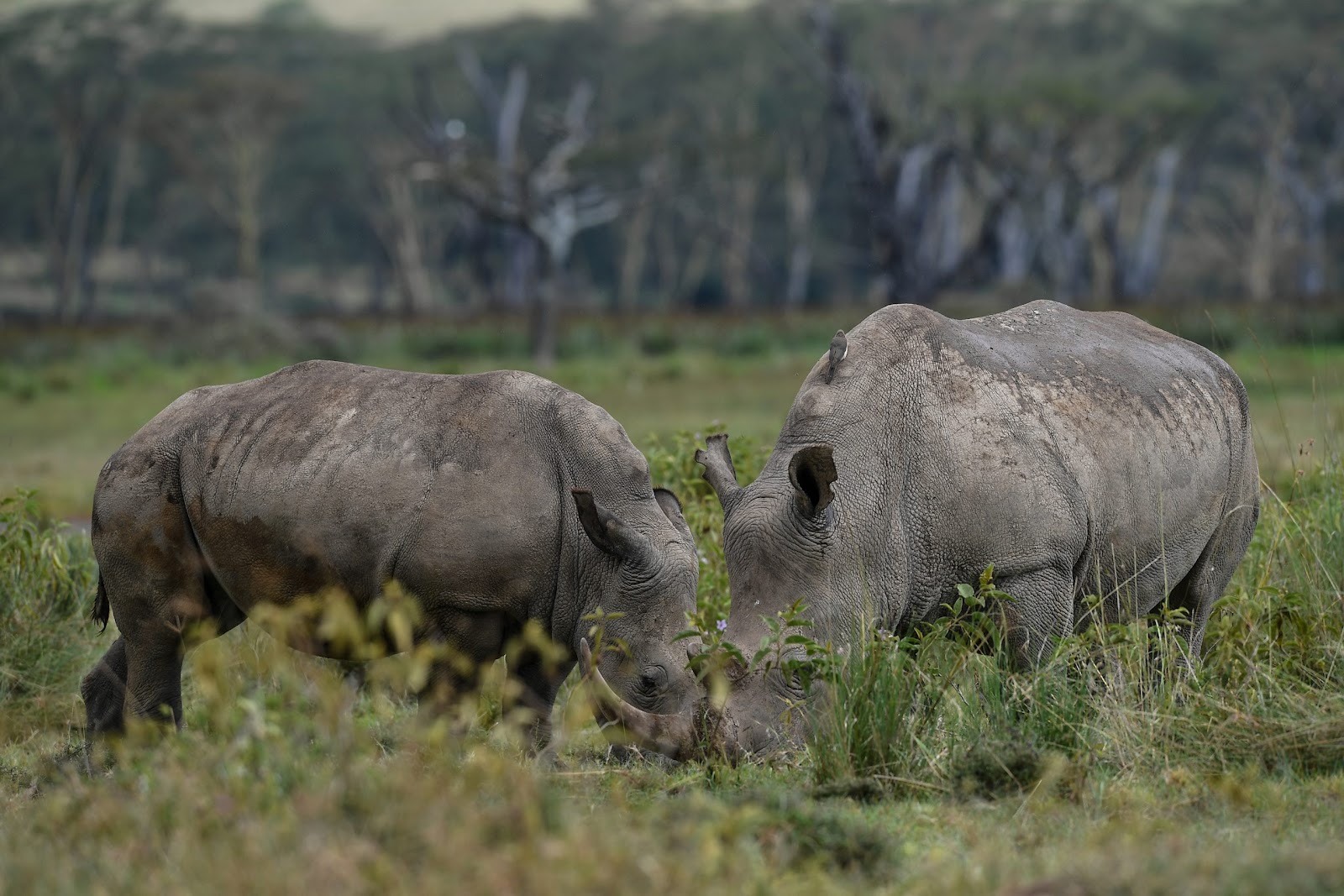
Lake Nakuru is one of Kenya’s most accessible safari parks, situated in the Rift Valley approximately 2.5 hours by road from Nairobi. The park is best known as a flamingo destination — when conditions are right, over a million lesser flamingos create a pink shoreline that is among Africa’s most visually spectacular scenes. The park also hosts both black and white rhino within a fenced sanctuary, making it one of Kenya’s most reliable rhino viewing destinations.
Buffalo, Rothschild’s giraffe, and Defassa waterbuck are present in large numbers. Lion and leopard patrol the surrounding woodland. Lake Nakuru makes an excellent stop on a longer Kenya circuit and is often combined with Lake Naivasha for a two-park Rift Valley day trip.
Best for: Flamingos, rhino, Rift Valley scenery, short accessible safaris.
Best time: Year-round.
7. Ol Pejeta Conservancy
Ol Pejeta, in Laikipia, holds a special significance in global wildlife conservation. It is home to Kenya’s largest black rhino population and, most poignantly, to the world’s last two remaining northern white rhinos — Najin and Fatu, mother and daughter, under 24-hour armed guard. A visit to Ol Pejeta is a profound wildlife experience and a direct contribution to the global effort to save critically endangered species from extinction.
Beyond rhino, Ol Pejeta supports a remarkable range of species, including chimpanzees in the Jane Goodall Chimpanzee Sanctuary, lion, leopard, elephant, wild dog, and the full spectrum of plains game. The conservancy also operates a range of engaging conservation activities that connect visitors directly with the work being done on the ground.
Best for: Rhino (both species), conservation experiences, diverse wildlife, chimpanzees.
Best time: Year-round.
8. Aberdare National Park
The Aberdare range — a dramatic moorland and montane forest environment rising to over 4,000 metres — offers a completely different Kenya safari experience. Game viewing is typically from tree hotels (Treetops, The Ark) positioned above floodlit salt licks and waterholes, where elephants, buffalo, rhino, and various antelope species come to drink through the night. The concept of sitting in warmth above the forest floor watching wildlife come and go by spotlight is a uniquely Aberdare experience and a wonderful contrast to the open-plains safari of the Masai Mara.
Best for: Tree hotel experience, forest elephant, unique montane wildlife, combining with Masai Mara or Laikipia.
Best time: Year-round.
9. Hell’s Gate National Park
Hell’s Gate is genuinely unlike any other national park in Kenya — or Africa. It is one of only two parks on the continent where visitors can walk and cycle freely among the wildlife without an armed ranger, because the park does not contain predators like lion or leopard. The dramatic gorge scenery, geothermal features, and the experience of cycling past zebra, giraffe, and warthog entirely unenclosed makes Hell’s Gate a remarkable experience, particularly for families or travellers who want an active safari alternative to the standard game drive. It is easily combined with Lake Naivasha for a Rift Valley day trip from Nairobi.
Best for: Cycling safaris, walking, families, Rift Valley scenery, day trips from Nairobi.
Best time: Year-round.
10. Mount Kenya National Park
Mount Kenya — Africa’s second-highest peak at 5,199 metres — sits at the centre of a vast national park that ranges from rainforest and bamboo belt at lower elevations through moorland to glaciated peaks at the summit. The park is exceptional for montane wildlife: elephant, buffalo, leopard, giant forest hog, and colobus monkey are frequently encountered in the forest and bamboo zones, while the moorlands are home to endemic species including the rare Mackinder’s eagle-owl. Mount Kenya is combined on itineraries with Laikipia or Samburu for a compelling northern Kenya circuit.
Best for: Montane wildlife, trekking, unique ecosystem, northern circuit combination.
Best time: Year-round for wildlife; January–February and July–September for clearest summit views.
How to Choose the Right National Parks in Kenya for Your Trip
Most travellers have between five and ten days on safari, which is enough for two to four of the national parks in Kenya. The best approach is to start with what you most want to see, then add parks that give contrast rather than more of the same.
The best national parks in Kenya for first-time visitors
For a first safari, the Masai Mara and Amboseli are hard to beat. The Mara gives you big cats and huge herds, while Amboseli adds elephants and Kilimanjaro views. A night or two at Lake Nakuru or Lake Naivasha on the way breaks up the drive and adds rhino and flamingos. Our first-time visitor’s guide to a Kenya safari explains the basics in more detail.
Parks for families and short trips
Families often do best in national parks in Kenya with shorter drives and varied activities. Lake Naivasha and Hell’s Gate let children walk, cycle and take a boat ride, while Nairobi National Park offers a game drive within reach of the city. Ol Pejeta is excellent for older children who enjoy conservation stories, from rhino protection to the chimpanzee sanctuary.
Parks for photographers and repeat visitors
Photographers usually combine the Mara with Amboseli for light, open plains and elephants against Kilimanjaro. Repeat visitors often look beyond the classic national parks in Kenya and head north to Samburu and Laikipia for rarer species, quieter roads and conservancy activities such as walking and night drives. Tsavo suits travellers who prefer wild, uncrowded country and do not mind longer distances between sightings.
Best Time to Visit the National Parks in Kenya
Kenya is a year-round safari destination, but the seasons change the experience in all the national parks in Kenya. The long dry season from late June to October is the most popular time, with thin grass, animals gathered near water and the Great Migration in the Masai Mara. January and February are also dry, warm and excellent for game viewing.
The long rains usually fall from March to May, and the short rains from November to early December. Rain tends to come in afternoon showers rather than all day, the landscapes turn green, and many lodges offer quieter conditions. Some remote camps close during the long rains, and a few park roads can become muddy, so a good guide and a sturdy 4×4 matter more at this time. Read our guide to the green season safari in Kenya if you are thinking of travelling outside the peak months.
How to Get to Kenya’s Parks
Almost every safari to the national parks in Kenya starts in Nairobi. From there, you can travel by road or by light aircraft:
- By road: a private safari vehicle with a pop-up roof is the classic way to travel. Lake Nakuru and Lake Naivasha are an easy drive from Nairobi, while the Masai Mara, Amboseli and Samburu take most of a day. Road travel lets you see the countryside and stop at viewpoints such as the Great Rift Valley escarpment.
- By air: scheduled light aircraft fly from Nairobi’s Wilson Airport to airstrips in the Masai Mara, Amboseli, Samburu and Laikipia. Flying saves time on longer itineraries, but soft bags and strict luggage limits apply. See our guide to safari luggage weight limits on small aircraft.
- By train: the Madaraka Express railway between Nairobi and Mombasa stops near Tsavo, which makes a Tsavo safari easy to combine with a beach holiday on the coast.
Park Fees, Rules and Practical Tips
Every park and reserve charges a daily conservation or entry fee, and fees for the national parks in Kenya fund rangers, anti-poaching work and local communities. Rates differ between parks, seasons and residency status, so check our up-to-date guide to Kenya national parks entrance fees when you budget. On a package safari, park fees are normally included in the price.
A few simple rules apply across almost all national parks in Kenya:
- Stay in your vehicle unless your guide says otherwise, and never get out near wildlife in parks where walking is not allowed.
- Keep your distance. Good guides switch off the engine, keep noise down and give animals space, especially at kills and river crossings.
- Do not bring plastic bags. Kenya banned single-use plastic carrier bags in 2017, and the rule is enforced at airports.
- Leave the drone at home unless you have the correct permits. Our guide to drone rules in Kenya’s national parks explains why.
- Pack for early starts. Morning game drives can be cold, especially in the highlands, so bring layers, a warm fleece and a hat.
Several national parks in Kenya are also recognised by UNESCO, including Mount Kenya and the Kenya Lake System in the Great Rift Valley, which includes Lake Nakuru. You can read more on the UNESCO World Heritage page for Kenya, and the official tourism board site, Magical Kenya, is a helpful source for wider travel ideas.
Building Your Kenya Safari Itinerary
The beauty of Kenya is that these parks combine beautifully into multi-destination circuits. A popular 10-day Kenya circuit combines Samburu (2 nights) → Laikipia/Ol Pejeta (2 nights) → Masai Mara (4 nights) → Nairobi or coast. For families, see our guide to the best Kenya safari for families. For cost planning across multiple parks, see our Kenya safari cost guide. And for travellers who want to understand how Kenya compares to Tanzania for each park tier, our Kenya vs Tanzania safari comparison gives the full picture.
Sample itineraries across the national parks in Kenya
If you would rather start from a ready-made plan, these Sense of Adventure safaris combine several national parks in Kenya and can be adjusted to your dates and budget:
- Amboseli and Masai Mara Safari — elephants and Kilimanjaro, then big cats on the Mara plains.
- 8 Days Kenya Safari: Amboseli, Naivasha, Nakuru and Masai Mara — four contrasting parks in one trip.
- Northern Kenya Cultural Safari: Samburu and Laikipia — rare northern species and conservancy country.
- Tsavo East and West Safari — red elephants and wild, open country.
- 15 Day Kenya Safari — the grand tour for travellers with time to see it all.
Frequently Asked Questions About National Parks in Kenya
Which is the best of the national parks in Kenya?
For most travellers, the Masai Mara is the best overall choice, with the Big Five, high predator numbers and the Great Migration from July to October. Strictly, it is a national reserve rather than a national park. Amboseli is the best true national park for elephants and Kilimanjaro views, and Lake Nakuru is excellent for rhino.
How many national parks are there in Kenya?
The national parks in Kenya sit alongside national reserves, marine parks and private conservancies, giving dozens of protected areas in total. The exact count changes as new areas are gazetted. Most safari travellers focus on around ten key areas, such as the Masai Mara, Amboseli, Tsavo, Samburu, Lake Nakuru and Laikipia, which together cover most of Kenya’s signature wildlife.
How many days do I need to visit the national parks in Kenya?
Plan at least two nights in each of the national parks in Kenya you visit, so you have several game drives in each. A week is enough for two or three parks, such as Amboseli, Lake Naivasha and the Masai Mara. Ten to fourteen days lets you add Samburu, Laikipia or Tsavo without rushing, and leaves time for a few days on the coast.
Can I see the Big Five in one park?
Yes. Among the national parks in Kenya and nearby reserves, the Masai Mara, Ol Pejeta and Lake Nakuru all offer a realistic chance of seeing lion, leopard, elephant, buffalo and rhino, although rhino are hard to find in the open Mara. Combining the Mara with Lake Nakuru or Ol Pejeta gives the best chance of seeing all five on one safari.
Do I need a visa to visit Kenya’s national parks?
Most international visitors need an approved Electronic Travel Authorisation (eTA) before flying to Kenya. Apply only through the official Kenya eTA website, ideally a few weeks before travel, and check the current rules there. Once in the country, fees for the national parks in Kenya are paid at the gate or through your safari operator.
Whichever national parks in Kenya you choose, the right guide, vehicle and pace make the biggest difference. Tell us what you most want to see, how long you have and who is travelling, and we will suggest a route that fits.
Or call us: +254 799 160 081 — we are happy to help plan your safari.