
The Ghost and the Darkness true story is more disturbing than the 1996 film ever managed to show, and it happened at a location you can actually visit today. In 1898, two maneless male lions halted construction of the Uganda Railway by hunting the workers building a bridge over the Tsavo River, killing an estimated 28 to 135 people over roughly nine months before Lieutenant Colonel John Henry Patterson finally shot them both. Hollywood inflated the body count and invented a supernatural edge for drama. The real story, backed by forensic analysis of the actual lions, is stranger than the fiction. Sense of Adventure runs safaris through the same Tsavo landscape where all of this genuinely took place.
Visit the Real Tsavo Man-Eaters Location
Message us to plan a safari through the actual Tsavo landscape behind the legend.
What the Film Got Right, and What It Invented
The Ghost and the Darkness, starring Val Kilmer as Patterson, is loosely based on Patterson’s own 1907 memoir The Man-Eaters of Tsavo, but the film exaggerates the death toll and adds supernatural menace that the real events never needed. A 2009 chemical analysis of the actual lions hair and bone, now held at Chicago’s Field Museum, put the true count at around 35 humans eaten between both animals, far below the folklore figure of 135 sometimes quoted. Researchers now believe dental disease and jaw damage, which would have made hunting large, fast herbivores excruciating, pushed the two lions toward easier, slower-moving prey instead.
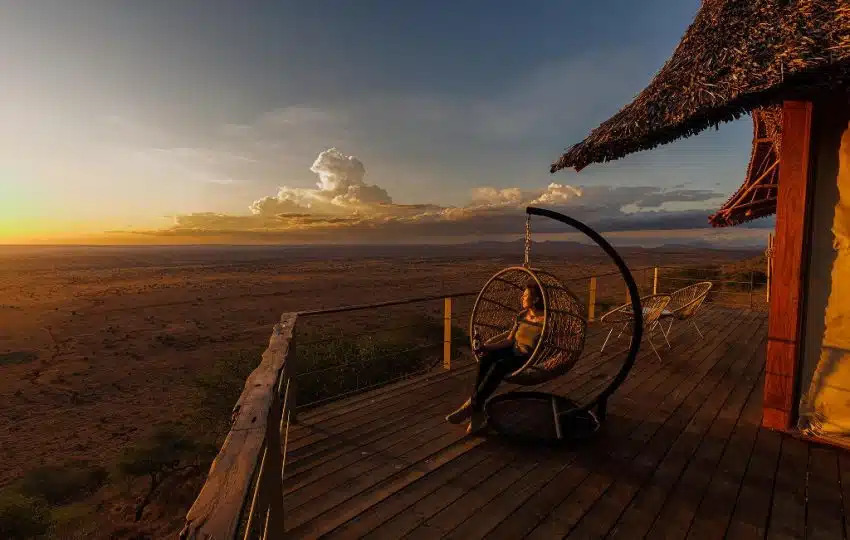
I had seen the film years earlier and assumed most of it was invented for drama, so it was strange and genuinely a little chilling to stand in Tsavo and realise the bridge site, the workers, the actual lions, all of it really happened within a few kilometres of where we were parked.
— Sense of Adventure guest, Tsavo East & West safari
5 Facts Behind the Real Story
1. The Attacks Really Did Halt Railway Construction
Work on the Uganda Railway bridge over the Tsavo River genuinely stopped for weeks as terrified workers fled the site, a documented disruption to a major imperial infrastructure project.
2. Both Lions Were Male and Maneless, a Genuine Rarity
Male lions hunting together, without manes, remains an unusual trait still studied in Tsavo prides today, one of the few details the film did not need to exaggerate.
3. Dental Injury, Not Malice, Likely Drove the Behaviour
Forensic analysis found significant tooth and jaw damage in both lions, a plausible medical reason they turned to slower, easier human prey instead of their usual large herbivores.
4. The Death Toll Was Real, but Inflated Over Time
Chemical analysis of the lions own remains suggests a combined toll closer to 35 people, still a genuine tragedy, well below the widely repeated 135 figure that folklore and film both inflated.
5. You Can Visit the Actual Location Today
The Tsavo River bridge site sits within the same national park you can safari through now, with modern Tsavo lion prides descending from the same landscape, if not the same lineage, as the original man-eaters.
Book Your Tsavo Safari
Our Tsavo East & West Safari (3 Days) takes you through the actual man-eaters territory.
Ghost and the Darkness True Story: Quick Reference
- Year of the attacks: 1898, during Uganda Railway construction over the Tsavo River.
- Perpetrators: two maneless male lions, later confirmed by DNA analysis.
- Real death toll: roughly 35, per forensic remains analysis, far below the 135 folklore figure.
- Likely cause: dental disease and jaw damage pushing the lions toward easier prey.
- Key figure: Lieutenant Colonel John Henry Patterson, who wrote the original 1907 memoir.
- Where the lions are now: preserved at Chicago’s Field Museum.
Exploring the Real Tsavo Story Further
This is only the film-versus-fact summary; the full history goes deeper. Read our Tsavo National Park Safari & Man-Eaters guide and our Tsavo Lions & the Man-Eaters Legend for the complete history and today’s Tsavo lion prides.
Walk the Real Ground Behind the Legend
Message us today and we will build a Tsavo safari through the actual history, not just the movie version.
Frequently Asked Questions
Is The Ghost and the Darkness based on a true story?
Yes, The Ghost and the Darkness is based on real events: two maneless male lions killed railway workers building a bridge over the Tsavo River in 1898, though the film exaggerates the death toll and adds supernatural elements not present in the historical record.
How many people did the real Tsavo man-eaters kill?
Forensic chemical analysis of the lions own remains suggests a combined toll of around 35 people, considerably lower than the widely repeated folklore figure of 135, which both the book and film helped popularise.
Why did the Tsavo lions start eating humans?
Researchers believe significant dental disease and jaw damage found in both lions remains made hunting large, fast herbivores extremely painful, likely pushing them toward slower, easier human prey instead.
Where are the real Tsavo man-eater lions now?
The bodies of the two lions, shot by Lieutenant Colonel John Henry Patterson in 1898, are preserved and on display at the Field Museum of Natural History in Chicago, where researchers have conducted forensic analysis on them.
Can I visit the actual Tsavo man-eaters location?
Yes, the historic Tsavo River bridge site sits within present-day Tsavo National Park, which remains open to safari visitors and still holds wild lion prides descended from the same broader Tsavo landscape.