Nairobi to Amboseli travel comes down to a straightforward choice between three real options, each with a genuine trade-off: a drive via Emali on the Nairobi-Mombasa highway (about 204 km to Iremito gate, tarmac almost all the way), a drive via Namanga on the Nairobi-Arusha road (about 220 km to Meshanani gate, with the last stretch on gravel), or a short scheduled flight from Wilson Airport to an airstrip in or beside the park. By road, allow 4 to 5 hours either way.
None of these is simply “correct” — the right choice depends on your budget, how much of the journey you want to treat as part of the safari itself, and how many days you have. Sense of Adventure runs all three regularly and this guide lays out exactly what each involves.
✅ Nairobi to Amboseli Quick Answer
- Best road route: via Emali, about 204 km to Iremito gate, tarmac almost to the gate.
- Alternative road route: via Namanga, about 220 km to Meshanani gate, ending on gravel; useful for Tanzania trips.
- Drive time: 4 to 5 hours, depending mostly on Nairobi traffic.
- Flight: roughly 45 minutes to an hour from Wilson Airport, with soft bags of about 15 kg.
- When to leave: by 6:30-7:00 am to beat city traffic and arrive for lunch.
- Park fee: USD 90 per non-resident adult per day, paid online through eCitizen.
Drive or fly to the elephants? Send your dates and we will tell you which Nairobi to Amboseli option fits your trip.
💬 Ask Drive or FlyThe Two Nairobi to Amboseli Road Routes, Compared Honestly
The Emali route follows the Nairobi-Mombasa highway south-east to Emali, then turns south on tarmac towards Iremito gate. Kenya Wildlife Service puts the gate at about 204 kilometres from Nairobi. It is the smoother of the two road options, and the one most tour operators default to.
The Namanga route instead follows the Nairobi-Arusha road through Kajiado to the Tanzania border town of Namanga, then turns east on murram (gravel) to Meshanani gate, about 220 kilometres in all. The gravel stretch can be dusty and corrugated in the dry season and slippery after rain. Some travellers still choose it deliberately when combining a Kenya-Tanzania itinerary, since Namanga sits directly on the border crossing.
Traffic exiting Nairobi itself, rather than anything about the route beyond the city, is usually the single biggest variable in total journey time — a 7 am departure and a 9 am departure on the identical route can easily differ by 60-90 minutes purely because of how the capital’s own morning congestion has built up by the time you reach it.
Nairobi to Amboseli routes at a glance
| Option | Distance / time | Surface | Best for |
|---|---|---|---|
| Road via Emali | ~204 km, 4-5 hrs | Tarmac to Iremito gate | Most trips, comfort |
| Road via Namanga | ~220 km, 4-5 hrs | Tarmac, then gravel | Tanzania combinations |
| Flight from Wilson | 45-60 min | Light aircraft | Short trips, saving time |
The 8 Ways to Get From Nairobi to Amboseli
The Emali Route (Road) — smoother and most common
At roughly 204 km to Iremito gate and 4-5 hours with normal traffic, this Nairobi-Mombasa highway route is the standard choice for most safari operators. Expect good tarmac almost all the way to the park gate, with roadside stops possible at Emali.
The Namanga Route (Road) — rougher, useful for Tanzania combinations
At about 220 km via the Nairobi-Arusha road, this route ends with a gravel stretch from Namanga to Meshanani gate, so it is usually bumpier than the Emali option. It positions travellers directly at the Namanga border crossing — a sensible choice specifically for itineraries continuing on into Tanzania.
Flying From Wilson Airport — the fastest option by far
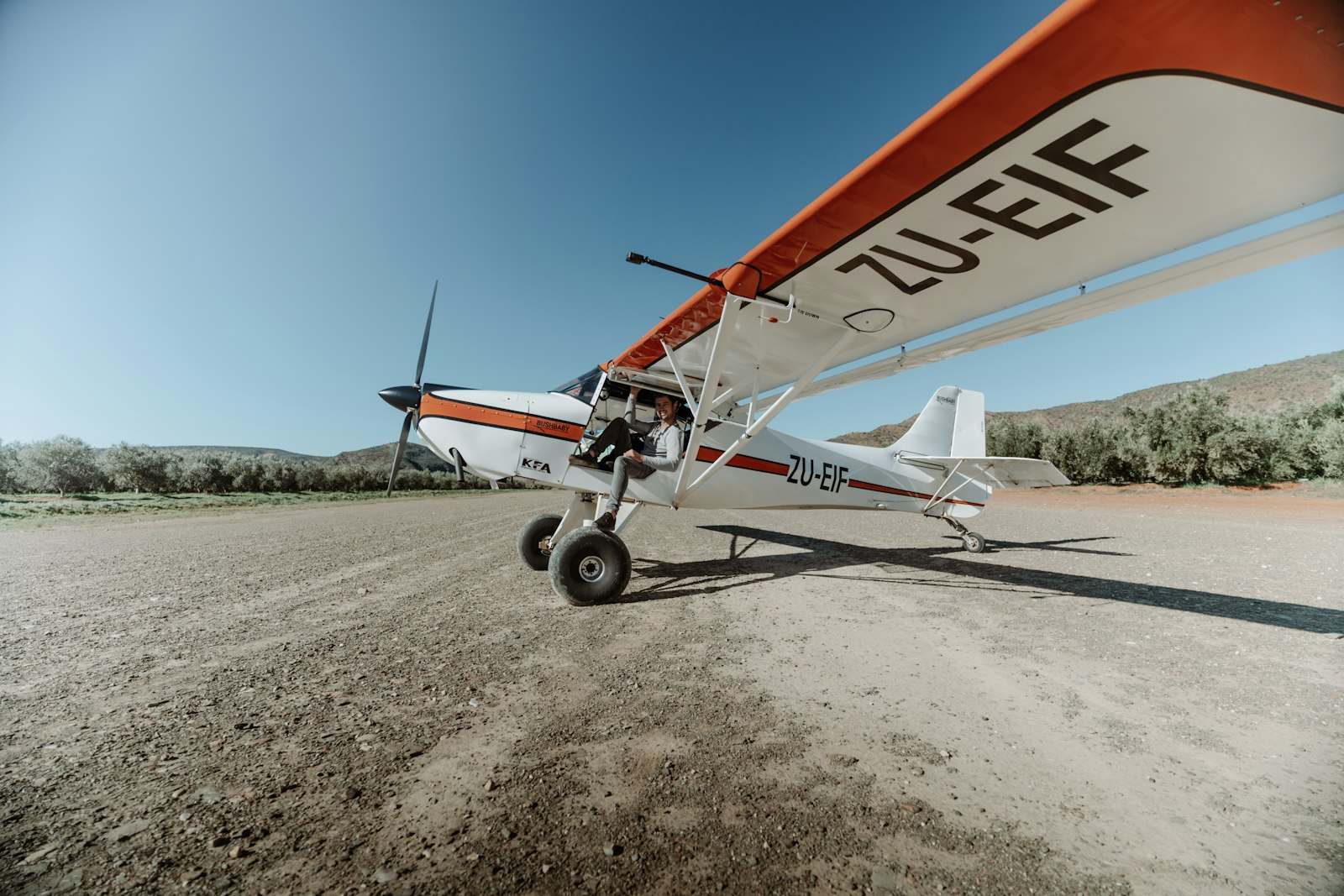
Scheduled light-aircraft flights connect Nairobi’s Wilson Airport to airstrips in and around Amboseli in roughly 45 minutes to an hour — dramatically faster than either road route, with the added bonus of aerial Kilimanjaro views on approach, at a meaningfully higher cost than driving.
Road Conditions to Expect — tarmac via Emali, gravel via Namanga
The Emali route is paved almost to the gate, while the Namanga route finishes on gravel that can be dusty or corrugated — a detail worth mentioning to anyone prone to car sickness. Inside the park itself, all game-drive tracks are unpaved, and every experienced driver on this route manages them routinely.
Timing Your Departure — beating Nairobi’s traffic first
Whichever road route you take, the single biggest variable in total journey time is clearing Nairobi’s own outskirts before the morning traffic peaks — departing by 6:30-7:00 am typically saves significantly more time than any difference between the Emali and Namanga routes themselves.
Combining the Drive With a Stop — the journey as part of the safari
Some itineraries deliberately break the drive with a stop — a roadside viewpoint, a curio market, or lunch at a midpoint town — turning transit time into part of the experience rather than simply enduring it. Ask your operator whether this is built into your specific package.
Choosing Between Road and Air — the real trade-off explained plainly
Road travel costs less and lets you see the changing landscape between Nairobi and Amboseli; flying costs more but returns hours of your trip that would otherwise be spent driving — for short trips of 3-4 days, flying is usually the better use of limited time, while longer trips can better absorb a road transfer.
What to Pack for the Journey — small details that make the drive easier
Whichever road route you choose, pack snacks, water and entertainment for a genuine half-day journey rather than a quick transfer, and expect limited reliable mobile signal along stretches of both routes — travellers flying instead should simply confirm baggage weight limits with the specific light-aircraft operator in advance.
Emali, Namanga or Wilson? We Will Pick the Right Leg
Tell us how many nights you have and whether Tanzania is next. We will recommend the route that gives you the most time with the elephants.
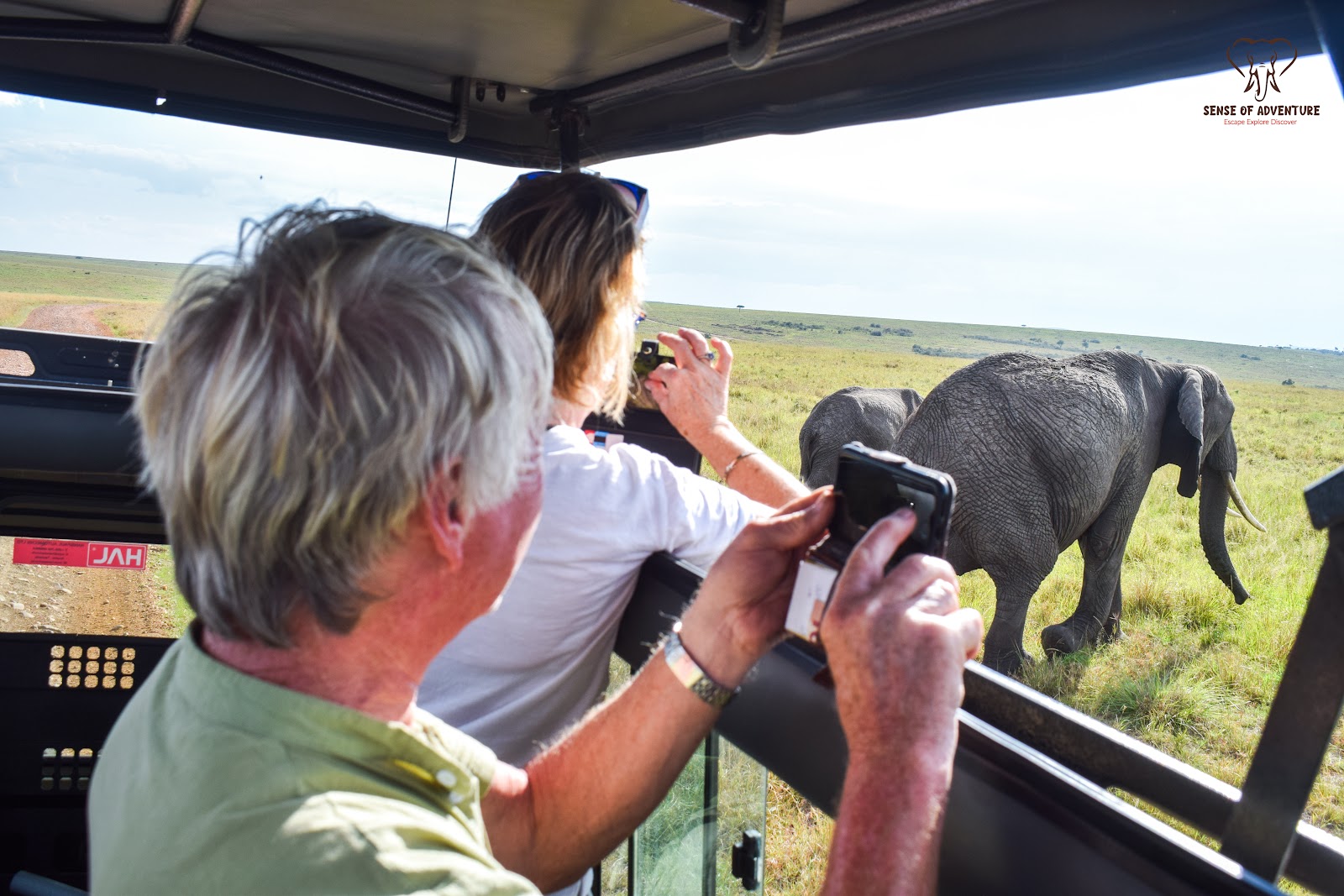
Nairobi to Amboseli Facts
- Emali route: ~204 km to Iremito gate via the Nairobi-Mombasa highway, tarmac almost all the way.
- Namanga route: ~220 km to Meshanani gate via the Nairobi-Arusha road, with a gravel final stretch; useful for Tanzania combinations.
- Drive time: allow 4-5 hours on either road route, depending on traffic and stops.
- Flight time: roughly 45 minutes to an hour from Wilson Airport to airstrips in and around Amboseli.
- Best departure time: leaving Nairobi by 6:30-7:00 am avoids the worst of the city’s morning traffic.
- Cost trade-off: flying costs more but saves several hours each way compared to driving.
- Kilimanjaro views: the flight route offers aerial views of Kilimanjaro on approach that neither road route can match.
Flying From Nairobi to Amboseli
Flights leave from Wilson Airport, Nairobi’s domestic airport, not from JKIA. If you land internationally, allow time for the road transfer across the city between the two airports.
The aircraft are small, so you travel light. Most safari airlines expect soft bags of about 15 kg per person, including hand luggage. Read our guide to safari luggage weight limits on small aircraft before you pack.
Is flying from Nairobi to Amboseli worth it?
Flying makes most sense on short trips, for travellers who dislike long drives, and when you continue on to the Masai Mara by air. If you have a week or more, the drive is part of the adventure and costs much less. Many guests drive one way and fly the other.
Nairobi to Amboseli: Day Trip or Overnight?
A Nairobi to Amboseli day trip is possible, but it means 8 to 10 hours on the road for a few hours in the park. Our Amboseli day safari works for travellers with only one free day.
For most people, two nights is ideal. It gives a full day of game drives and two chances at a clear Kilimanjaro sunrise, because the mountain is often hidden by cloud from mid-morning. One night, as on our 2-Day Amboseli Safari, is a good short break.
Sample 2-Day Nairobi to Amboseli Itinerary
- Day 1, 6:30 am: pick-up in Nairobi and drive via Emali, with a short stop on the way.
- Day 1, midday: enter at Iremito gate, game drive to your lodge and check in for lunch.
- Day 1, 4 pm: afternoon drive to the swamps and Observation Hill for sunset.
- Day 2, dawn: early drive for the clearest Kilimanjaro views and elephants coming to drink.
- Day 2, late morning: breakfast, a final drive on the way out, and back in Nairobi by late afternoon.
Amboseli Park Fees and Costs to Budget For
Once you arrive, the park fee is charged per day. Since October 2025, KWS has charged non-resident adults USD 90 and children USD 45. East African citizens pay KES 1,500 per adult and Kenya residents KES 2,025. Fees are paid online through eCitizen; gates do not take cash.
On top of fees, budget for transport, accommodation and meals. Our full Amboseli National Park guide covers fees, gates and rules, and our luxury lodges in Amboseli guide compares places to stay. Check the latest rates on the Kenya Wildlife Service website.
Get a Written Amboseli Transfer and Safari Quote
Road or air, one night or three: we will price transport, park fees and lodge together so you can compare options side by side.
💬 Quote My Amboseli TripWhat You See on the Nairobi to Amboseli Drive
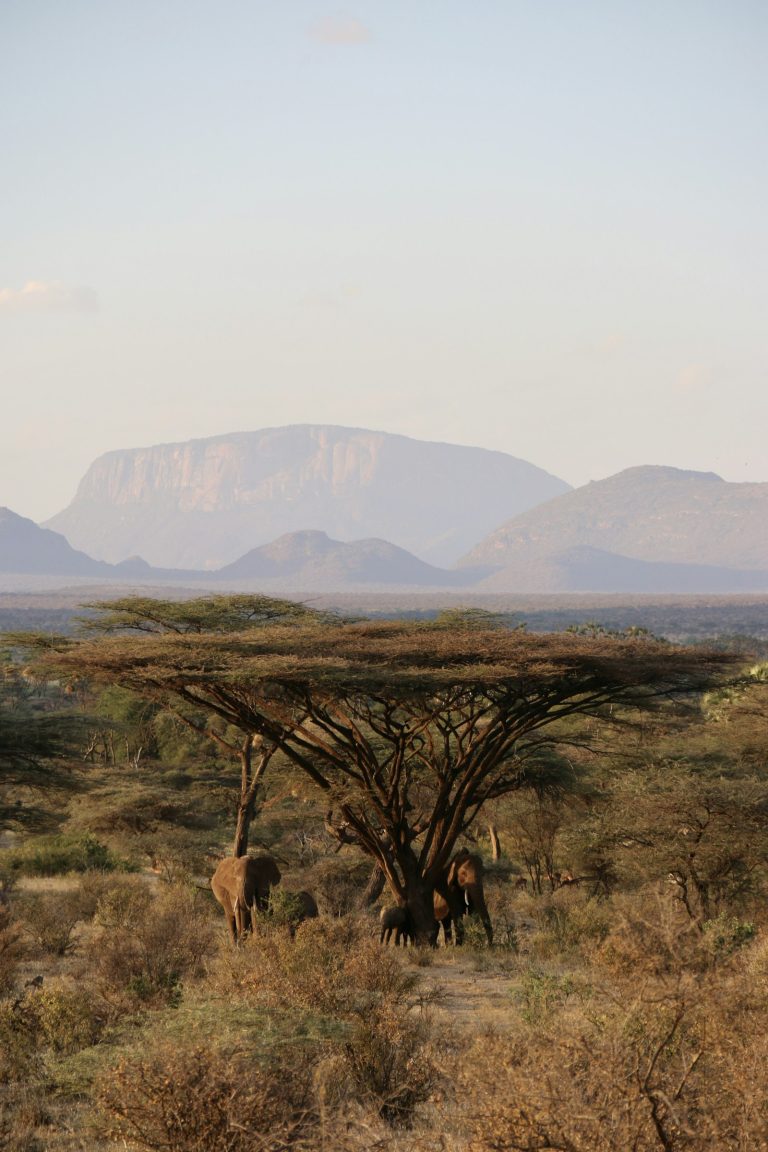
The Nairobi to Amboseli drive is more than a transfer. Leaving the city, you cross the open Athi plains, where zebra, gazelle and ostrich sometimes graze near the road. Beyond Emali the land becomes dry Maasai rangeland, with herders moving cattle between waterholes and the volcanic Chyulu Hills rising to the east.
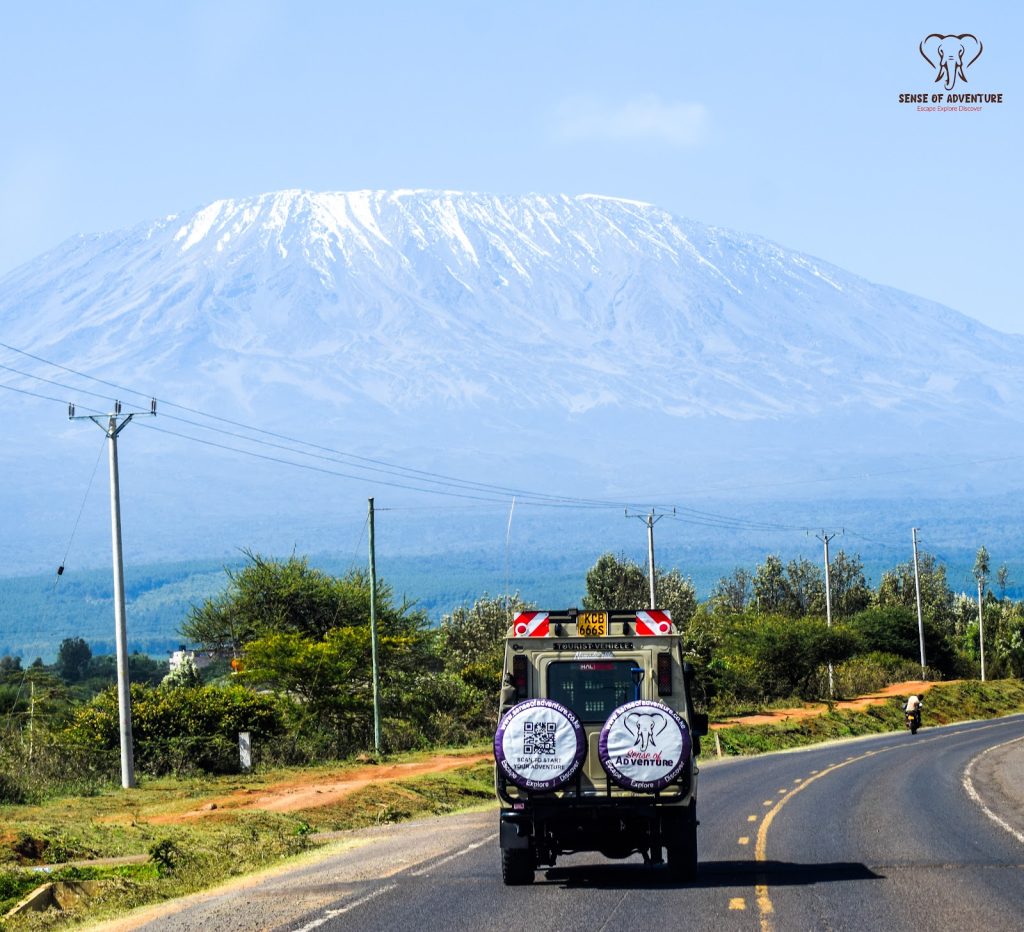
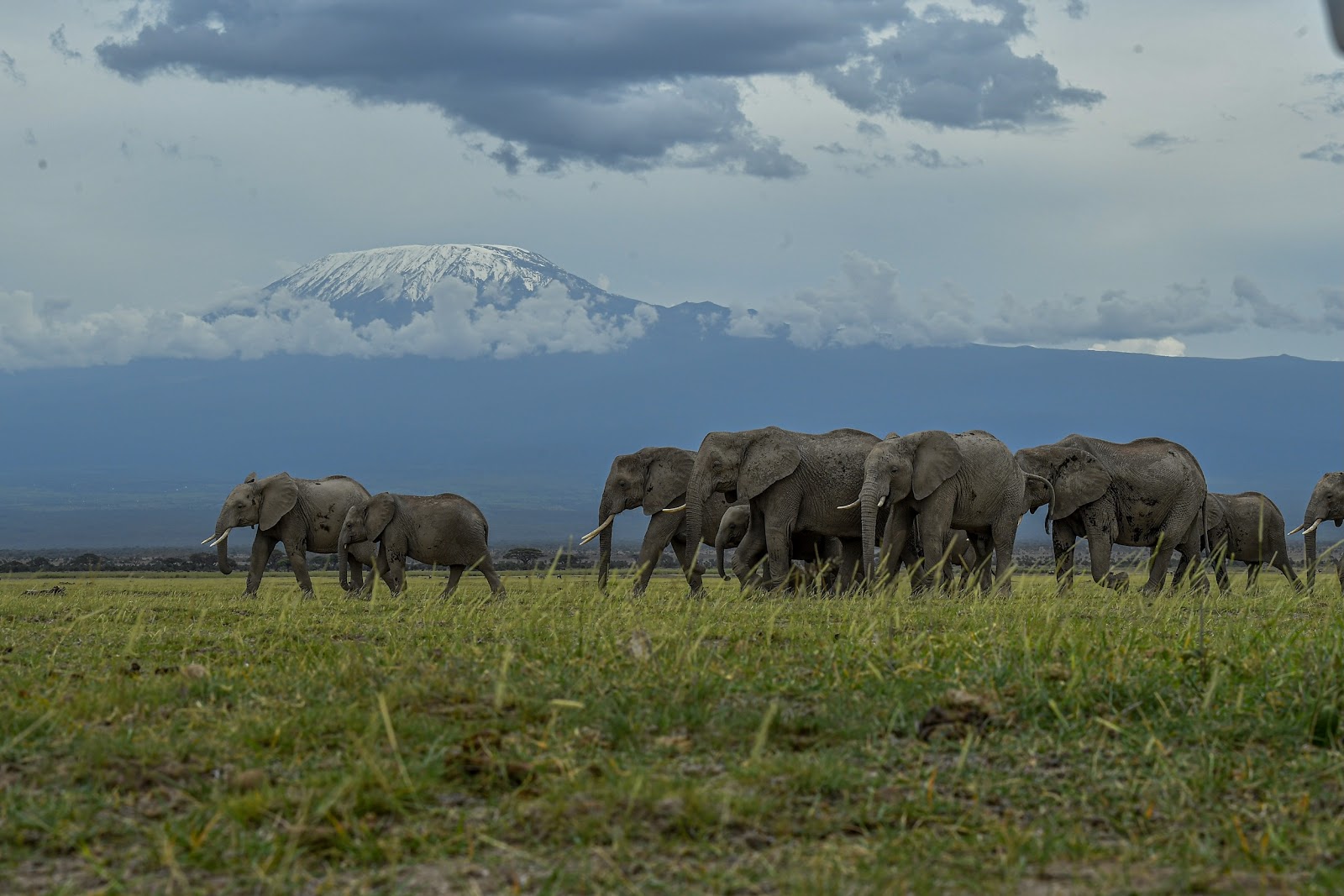
On a clear morning, the snow-capped top of Kilimanjaro appears ahead long before you reach the gate. Your guide can stop for photos where it is safe. Many guests say the last hour of the Nairobi to Amboseli road, with the mountain growing larger, is one of the highlights of the whole trip.
Tips for a Comfortable Nairobi to Amboseli Drive
- Sit near the front if you get car sick, and take medication before the gravel section on the Namanga route.
- Carry a scarf or buff; the dry lake bed and gravel roads are dusty from July to October.
- Keep some Kenya shillings for snacks and toilet stops on the way.
- Charge your camera on the way; you may meet elephants within minutes of the gate.
- Check entry rules on the official Kenya eTA portal and read the GOV.UK travel advice for Kenya before you travel.
Where to Go After Amboseli
Amboseli pairs naturally with Tsavo West to the east, reached through Kimana gate, and with the Masai Mara to the west, usually via Nairobi or by air. Our 7-day Amboseli, Naivasha and Masai Mara safari is Kenya’s classic route, and the Tsavo and Amboseli safari links both parks with the coast. Travellers heading into Tanzania can cross at Namanga towards Arusha.
Planning the Rest of Your Amboseli Trip
Once you arrive, see our full Amboseli safari guide and Amboseli elephants guide, or book the Amboseli day safari if working with a shorter window. Our Amboseli lodges & camps guide covers where to stay once you’ve made the journey, and the Kilimanjaro views guide explains what to expect once you’re there. For a wider plan, see our Kenya safari from Nairobi options.
From Nairobi Traffic to Kilimanjaro Views
Tell us your dates, where you are staying in Nairobi and how you like to travel. We will arrange the transfer, the lodge and the game drives.
Frequently Asked Questions
How far is Amboseli from Nairobi?
Amboseli’s Iremito gate is about 204 km from Nairobi via Emali on the Nairobi-Mombasa highway, and Meshanani gate is about 220 km via Namanga on the Nairobi-Arusha road, according to KWS. Allow 4 to 5 hours by road, depending on traffic and stops.
What is the fastest way from Nairobi to Amboseli?
Flying is by far the fastest way from Nairobi to Amboseli, taking roughly 45 minutes to an hour from Wilson Airport to airstrips in and around the park, compared to 4-5 hours by road via either the Emali or Namanga route.
Which road route is better, Emali or Namanga, for Nairobi to Amboseli?
The Emali route is usually better: it is shorter to the gate and tarmac almost all the way, making it the more commonly used option. The Namanga route ends on gravel and is worth choosing mainly if your itinerary continues into Tanzania, since Namanga sits on that border crossing.
Is the road from Nairobi to Amboseli paved?
The Emali route is paved almost all the way to Iremito gate. The Namanga route is tarmac to the border town of Namanga, then gravel to Meshanani gate, which can be dusty or corrugated. Game-drive tracks inside the park are unpaved on either route.
Can you fly directly from Nairobi to Amboseli?
Yes — scheduled light-aircraft flights connect Nairobi’s Wilson Airport to airstrips in and around Amboseli in roughly 45 minutes to an hour, offering aerial views of Mount Kilimanjaro on approach and saving significant time compared to driving.
How long does it take to drive from Nairobi to Amboseli?
Driving from Nairobi to Amboseli takes about 4 to 5 hours on either the Emali or the Namanga route, with actual time depending heavily on how quickly you clear Nairobi’s own traffic at the start of the journey and how many stops you make.
What time should I leave Nairobi to drive to Amboseli?
Departing Nairobi by 6:30-7:00 am gives the best chance of clearing the city before morning traffic builds, and can save 60-90 minutes compared to a later start on the identical Nairobi-to-Amboseli route — a bigger factor than the small distance difference between the Emali and Namanga options.
Can you do Nairobi to Amboseli as a day trip?
Yes, but it is a long day: 8 to 10 hours of driving for a few hours in the park. It suits travellers with only one free day. If you can, stay at least one night, ideally two, so you get a sunrise game drive and a better chance of a clear Kilimanjaro view.
Do I need a 4×4 for the drive from Nairobi to Amboseli?
A 4×4 or high-clearance safari vehicle is strongly recommended. The Emali road is tarmac, but park tracks are unpaved, the Namanga road ends on rough gravel and some tracks near the swamps turn muddy after rain. A pop-up roof safari vehicle also gives far better wildlife views than an ordinary car.