
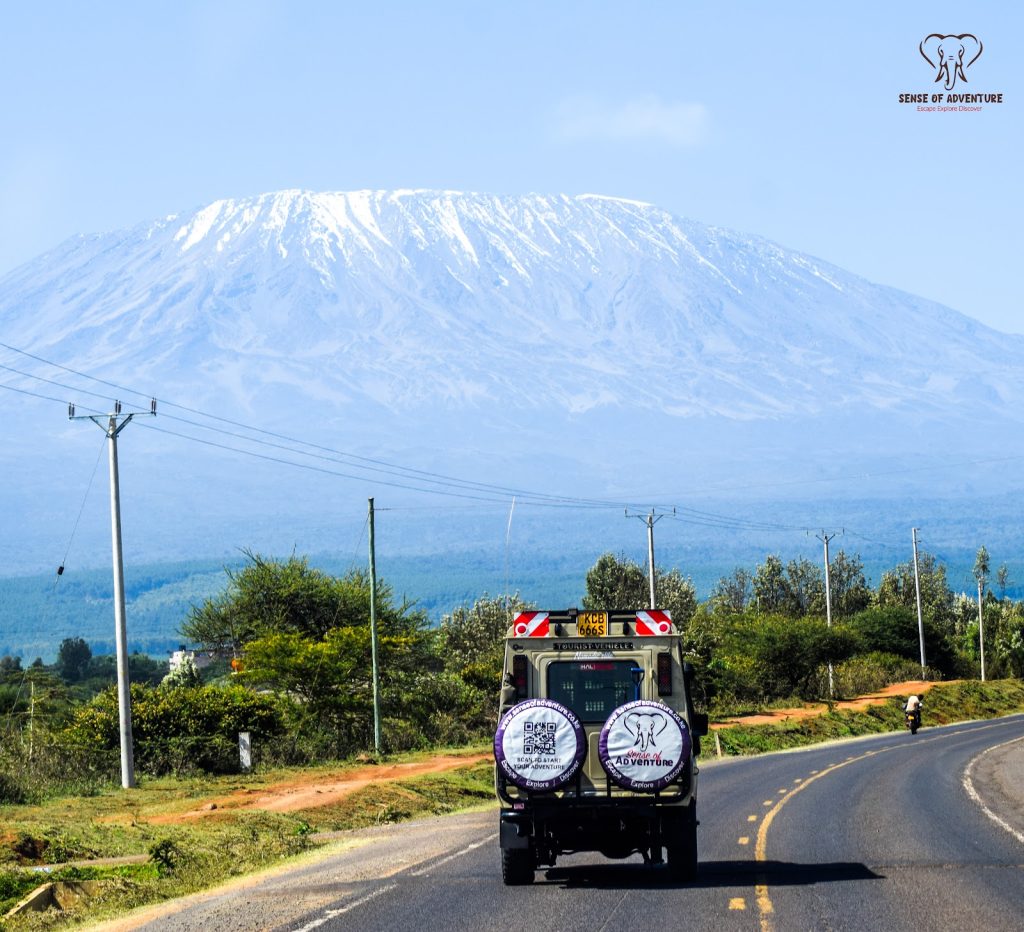
Kilimanjaro view Amboseli mornings are the reason the park exists on postcards: Africa’s highest mountain, 5,895 metres of it, rising free-standing above a plain full of elephants. The summit is actually in Tanzania — but Tanzania cannot see it like this. Amboseli sits at the mountain’s northern foot at the perfect distance for the full panorama, snows and all, with wildlife for the foreground. The catch: Kilimanjaro is shy, wrapping itself in cloud by mid-morning most days. Seeing it well is a game of timing, season and position — a game Sense of Adventure guides play daily and win far more often than not.
Catch the Mountain With Its Curtains Open
We schedule Amboseli game drives around Kili’s moods — dawn positions ready before the clouds wake up.
When the Kilimanjaro View Actually Appears
Kilimanjaro creates its own weather: as the day heats, moist air climbs its slopes and condenses into a cloud collar that usually hides everything above the treeline from mid-morning until evening. Your reliable windows are dawn to about 8:30 am — the champion hour — and sometimes a second reveal at sunset when the air stills. Seasonally, the dry months of June-October and January-February offer the most fully clear mornings, while paradoxically the rainy seasons deliver the most dramatic views of all: freshly snow-dusted summits between storm clearances. Guests who stay two nights almost always get their view; day-trippers gamble.
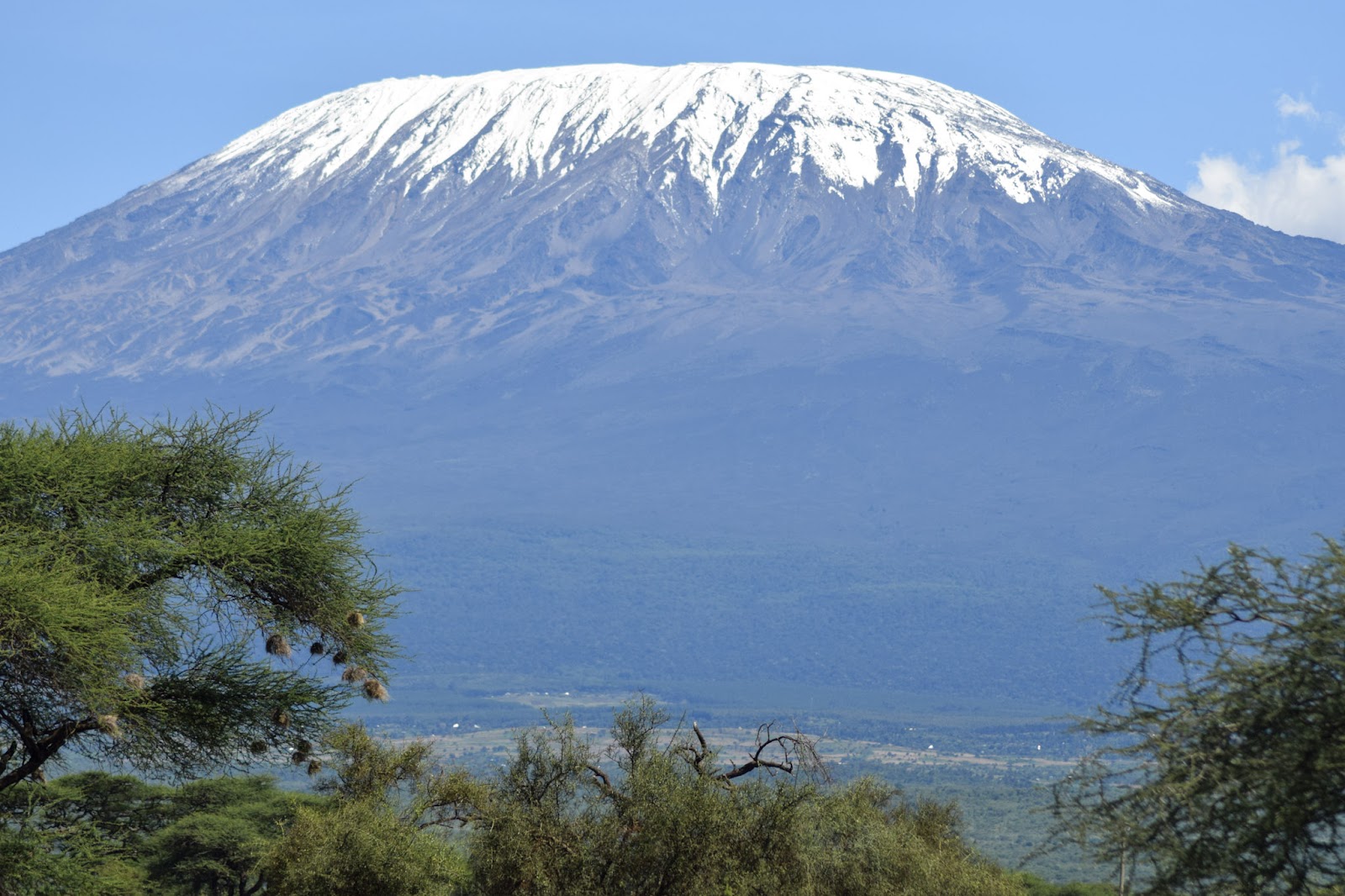
First morning: nothing, total cloud. Our guide just smiled and said “tomorrow, 6:15.” Next day the entire mountain stood there pink in the sunrise with elephants walking underneath it. He’d positioned us facing the exact gap. I have the photo framed at home now.
— Sense of Adventure guest, 2-night Amboseli safari
The 5 Best Kilimanjaro Viewing Experiences in Amboseli
Dawn on the Southern Pans — the classic postcard, earned early
The flat, dusty pans between the acacia woodland and the swamps give clean sightlines south to the full massif. Leave camp in the dark, be parked by 6:15, and watch the summit snows turn rose-gold while herds cross in silhouette. This is the frame that built Amboseli’s fame, and it belongs to early risers only.
Observation Hill at Sunrise — the only high ground in the park
Normatior — Observation Hill — is a small volcanic cone you can climb on foot, the one sanctioned leg-stretch inside the park. From the top, the swamps spread below with hippo pods and elephant lines, and Kilimanjaro fills the southern sky. Sunrise up here, thermos in hand, is Amboseli’s best fifteen minutes.
Elephants-Under-the-Mountain — the wildlife foreground hunt
A clear mountain is half the shot; the other half is what walks in front of it. Guides read herd movement lines and position so elephants, giraffes or zebra cross between you and the massif. It requires patience and small repositions — exactly the slow, deliberate game-drive style we run on photographic mornings.
The Sunset Second Chance — when the collar lifts at dusk
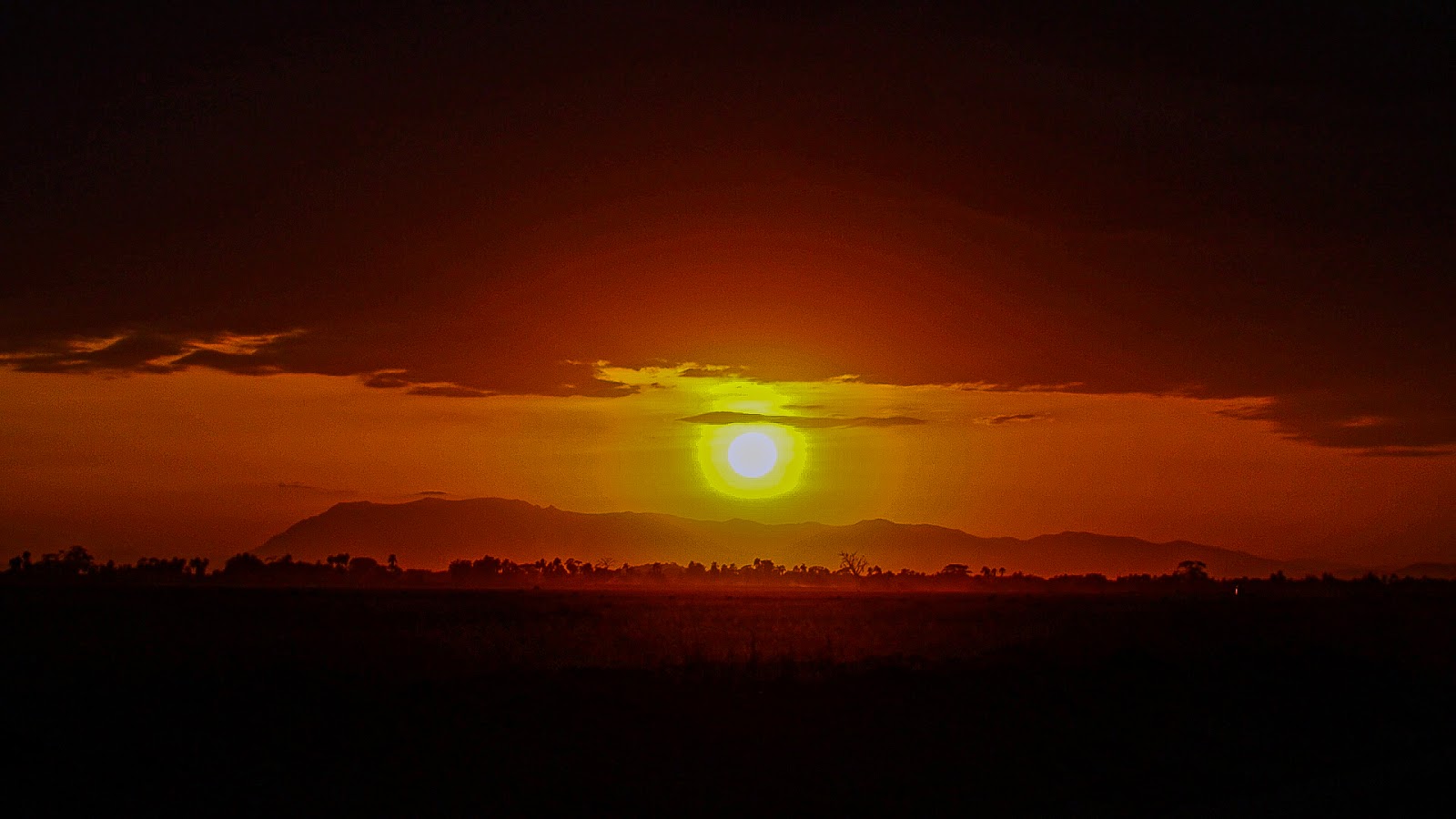
On calm evenings the cloud collar thins and the summit reappears in amber light — often with dust kicked gold by returning herds. The sundowner stop faces south for exactly this reason. Even when the peak stays wrapped, Amboseli sunsets over the pans are compensation enough.
The Fresh-Snow Morning — the rainy-season jackpot
After big rain, cloud breaks can reveal Kilimanjaro wearing far more snow than usual — a white crown doubled in size, floating over a suddenly green park. November and April-May guests hit this lottery more than anyone. When it happens, everything stops; even the guides take pictures.
Two Dawns Beat One
Overnight in Amboseli and stack your odds — we’ll have you positioned both mornings before first light.
Kilimanjaro Viewing Facts From Amboseli
- The mountain: Kilimanjaro rises 5,895 m — the world’s tallest free-standing mountain — roughly 40 km south of the park.
- Best hours: dawn to ~8:30 am is the reliable window; a second reveal sometimes comes at sunset.
- Best months: June-October and January-February mornings are clearest; post-rain mornings show the heaviest snow.
- Where: the southern pans, Observation Hill and the swamp edges give the cleanest sightlines.
- Photo maths: a 24-70 mm frames mountain-plus-landscape; 200 mm compresses elephants against the snows.
- Reality check: the summit hides by mid-morning most days — day-trippers should treat a full view as a bonus, overnighters as an expectation.
Combining the View With the Bigger Safari
The mountain view crowns any Amboseli trip — see our full Amboseli safari guide for planning, or go straight to the Elephant Photographic Safari built around dawn light. Short on time? The Amboseli day safari departs Nairobi pre-dawn to catch the morning window. Climbers should read our Kilimanjaro climb guide — the view is even better from the top.
The Mountain Shows for the Patient
Book two Amboseli dawns with us and bring home the photograph everyone recognises.
Frequently Asked Questions
Can you see Kilimanjaro from Amboseli?
Yes — Amboseli offers the finest views of Kilimanjaro anywhere, the full 5,895-metre massif rising about 40 km south of the park. The classic photograph of elephants beneath the snows is taken here, typically in the first hours after sunrise before cloud hides the summit.
What time of day is Kilimanjaro visible from Amboseli?
Kilimanjaro is most visible from Amboseli between dawn and about 8:30 am, before rising warm air wraps the summit in cloud for the day. Calm evenings sometimes bring a second reveal at sunset. Overnight guests who commit to early starts almost always get their view.
Which months give the clearest Kilimanjaro views from Amboseli?
The dry seasons — June to October and January to February — give Amboseli’s most consistently clear Kilimanjaro mornings. After rains in November or April-May, lucky guests catch the mountain under dramatically heavy fresh snow between cloud breaks.
Where is the best spot in Amboseli to photograph Kilimanjaro?
The best Kilimanjaro photo spots in Amboseli are the open southern pans (clean sightlines with wildlife foregrounds), Observation Hill (the park’s only climbable viewpoint over the swamps) and the swamp edges where elephant lines cross against the mountain.
Is Kilimanjaro in Kenya or Tanzania?
Kilimanjaro’s summit lies in Tanzania, just across the border — but the mountain’s most famous viewing gallery is Kenya’s Amboseli National Park at its northern foot. Amboseli’s distance and low, open terrain reveal the whole free-standing massif in a way Tanzania’s own foothills cannot.