
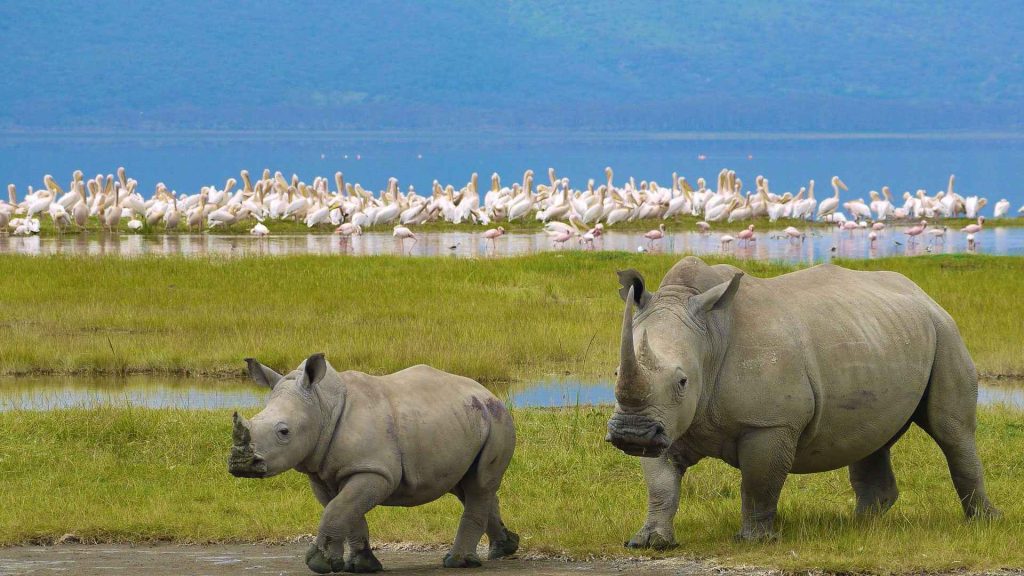
Wildlife conservation in Kenya is not an abstract cause you read about before a trip — it is something you can visit, and in places like Ol Pejeta Conservancy, stand within a few metres of. Kenya’s rhino population collapsed to a few hundred animals by the 1980s under heavy poaching pressure; today, fenced sanctuaries and community-run conservancies have turned that decline into one of Africa’s genuine recovery stories, funded in large part by the safari tourism that visits them. Picture a ranger explaining, in person, why the two rhinos in front of you are the last northern white rhinos left on the planet. Sense of Adventure builds trips that let guests see this conservation story firsthand, not just read about it in a park brochure.
Visit the Places Doing the Actual Work
Message us to build a conservancy-focused safari to Ol Pejeta or Lewa.
How Kenya’s Conservancies Turned Decline Into Recovery
Ol Pejeta Conservancy, a former colonial cattle ranch acquired in 2004 by Fauna and Flora International with backing from the Arcus Foundation, now runs the largest black rhino sanctuary in East Africa — over 165 black rhino and 44 southern white rhino, protected at a security cost of roughly $17,300 per square kilometre through armed patrols, drone surveillance and tracker dogs. It is also the last home on Earth for Najin and Fatu, the two remaining northern white rhinos, both female, both living under permanent guard since the last male, Sudan, died in 2018. Lewa Wildlife Conservancy, established in 1995 roughly 250 km² in size, protects over 12% of Kenya’s entire eastern black rhino population and hosts the world’s largest single population of Grevy’s zebra at around 350 individuals — its work is closely tied to the Northern Rangelands Trust, the network of community-owned conservancies that has extended this same model across northern Kenya.
Our guide at Ol Pejeta didn’t just point out Najin and Fatu, he explained exactly why they’re guarded around the clock and what it actually costs to keep a rhino population safe from poachers. It turned what I expected to be a photo stop into the most memorable stop of the whole trip.
— Sense of Adventure guest, Ol Pejeta Conservancy visit
Where Kenya’s Conservation Story Is Happening Right Now
Ol Pejeta Conservancy — Home to the Last Northern White Rhinos — 165+ black rhino, 44 white rhino, plus Najin and Fatu
Africa’s largest black rhino sanctuary and the only place on Earth to see a northern white rhino, alongside a chimpanzee sanctuary run with the Kenya Wildlife Service and the Jane Goodall Institute since 1993. See our Ol Pejeta Conservancy guide and northern white rhinos guide.
Lewa Wildlife Conservancy — Community-Owned Conservation — 12% of Kenya’s black rhino, the world’s biggest Grevy’s zebra population
A roughly 250 km² conservancy protecting over a tenth of Kenya’s entire eastern black rhino population, anchored in the Northern Rangelands Trust model that shares tourism revenue directly with surrounding communities rather than routing it through central government.
Kenya Wildlife Service — The National Backbone — the government body overseeing every national park and reserve
KWS manages Kenya’s formal parks and reserves and coordinates anti-poaching enforcement nationally, working alongside private conservancies like Ol Pejeta and Lewa rather than in competition with them.
Community Conservancies — Where Tourism Revenue Actually Goes — land trusts run by and for local communities
Much of northern and central Kenya’s conservation land is not government-run at all, but owned and managed by community conservancies under the Northern Rangelands Trust umbrella — meaning a safari booking there funds local healthcare, schools and water infrastructure directly, not just wildlife protection.
A Safari That Funds What It Shows You
Message us to plan a trip through Ol Pejeta, Lewa or a community conservancy.
Kenya Conservation Facts
- Ol Pejeta founding: a former cattle ranch, converted to a conservancy in 2004 with $15 million from the Arcus Foundation.
- Northern white rhino status: functionally extinct in the wild — Najin and Fatu are the last two living individuals, both at Ol Pejeta.
- Ol Pejeta security cost: approximately $17,300 per square kilometre, funded largely through tourism and donor support.
- Lewa’s scale: protects over 12% of Kenya’s eastern black rhino population within roughly 250 km².
- Grevy’s zebra: Lewa hosts the world’s largest single population, around 350 individuals, of this endangered species.
- Community model: the Northern Rangelands Trust links Lewa and dozens of other conservancies to direct community revenue-sharing.
Building a Conservation-Focused Kenya Safari
Our Ol Pejeta & Masai Mara Luxury Conservancy Safari combines conservancy time with classic Mara game viewing. Read our Ol Pejeta Conservancy guide for what a conservancy-focused visit actually involves day to day.
See the Conservation Story, Not Just the Wildlife
Message us to build a trip centred on Kenya’s working conservancies.
Frequently Asked Questions
Where can you see conservation efforts in action in Kenya?
Ol Pejeta Conservancy and Lewa Wildlife Conservancy are the two clearest places to see Kenya’s wildlife conservation work in action — both run active rhino protection programs, employ armed anti-poaching units, and offer guided explanations of how the work is funded and carried out.
How many northern white rhinos are left in the world?
Only two northern white rhinos remain on Earth — Najin and her daughter Fatu, both female, both living under 24-hour armed protection at Ol Pejeta Conservancy in Kenya. The species is now functionally extinct in the wild.
What is the Northern Rangelands Trust?
The Northern Rangelands Trust is a network of community-owned conservancies across northern Kenya, including Lewa’s wider ecosystem, that shares tourism and conservation revenue directly with local communities rather than routing it through central government.
Does safari tourism actually help wildlife conservation in Kenya?
Yes — at conservancies like Ol Pejeta and Lewa, tourism revenue directly funds anti-poaching security, veterinary care and community programs; Ol Pejeta alone spends an estimated $17,300 per square kilometre annually on rhino protection, much of it tourism-funded.
What is the difference between a national park and a conservancy in Kenya?
National parks and reserves are managed by the government through the Kenya Wildlife Service, while conservancies like Ol Pejeta and Lewa are privately or community-owned land trusts that often combine conservation work with direct community revenue-sharing.