
Safari luggage weight limits on small aircraft catch far more travelers off guard than international flight allowances do, since the light planes connecting Nairobi to bush airstrips cap total weight at just 15kg per person, hand luggage included, and demand soft-sided bags with no rigid frame. It is a genuinely tight limit for anyone used to a standard 23kg international checked bag. You repack your hard-shell suitcase into a duffel bag the night before your bush flight, weighing every item on a bathroom scale. You leave a bag of non-essentials at your first lodge or a Nairobi storage facility, collecting it again at trip’s end. Sense of Adventure flags this limit clearly before you fly, not after you’re standing at the airstrip.
Flying Between Camps? Get Your Luggage Right
Message us and we will confirm exact weight limits and storage options for your route.
Why Bush Flights Enforce Such a Strict Limit
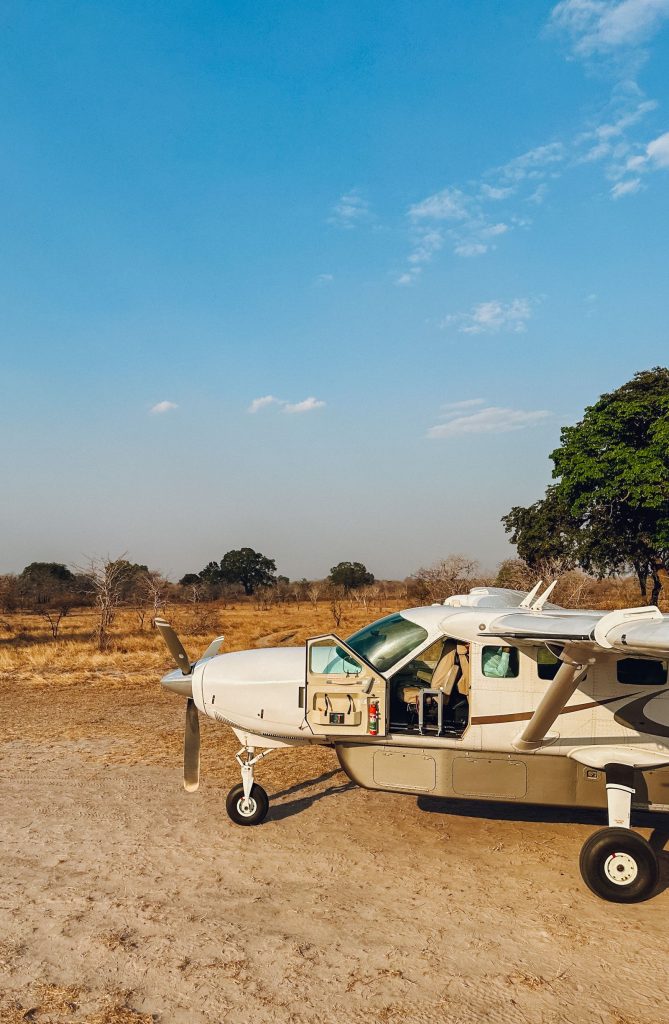
Light aircraft like the Cessna Caravans operated by Safarilink and AirKenya have genuinely limited hold space and strict payload restrictions for safe takeoff and landing on short bush airstrips, which is why the 15kg total allowance, hand luggage included, is enforced firmly rather than treated as a guideline. Bags must also be soft-sided, without a rigid frame, since duffel-style luggage can be squeezed into oddly shaped hold spaces that a hard suitcase simply cannot fit into.
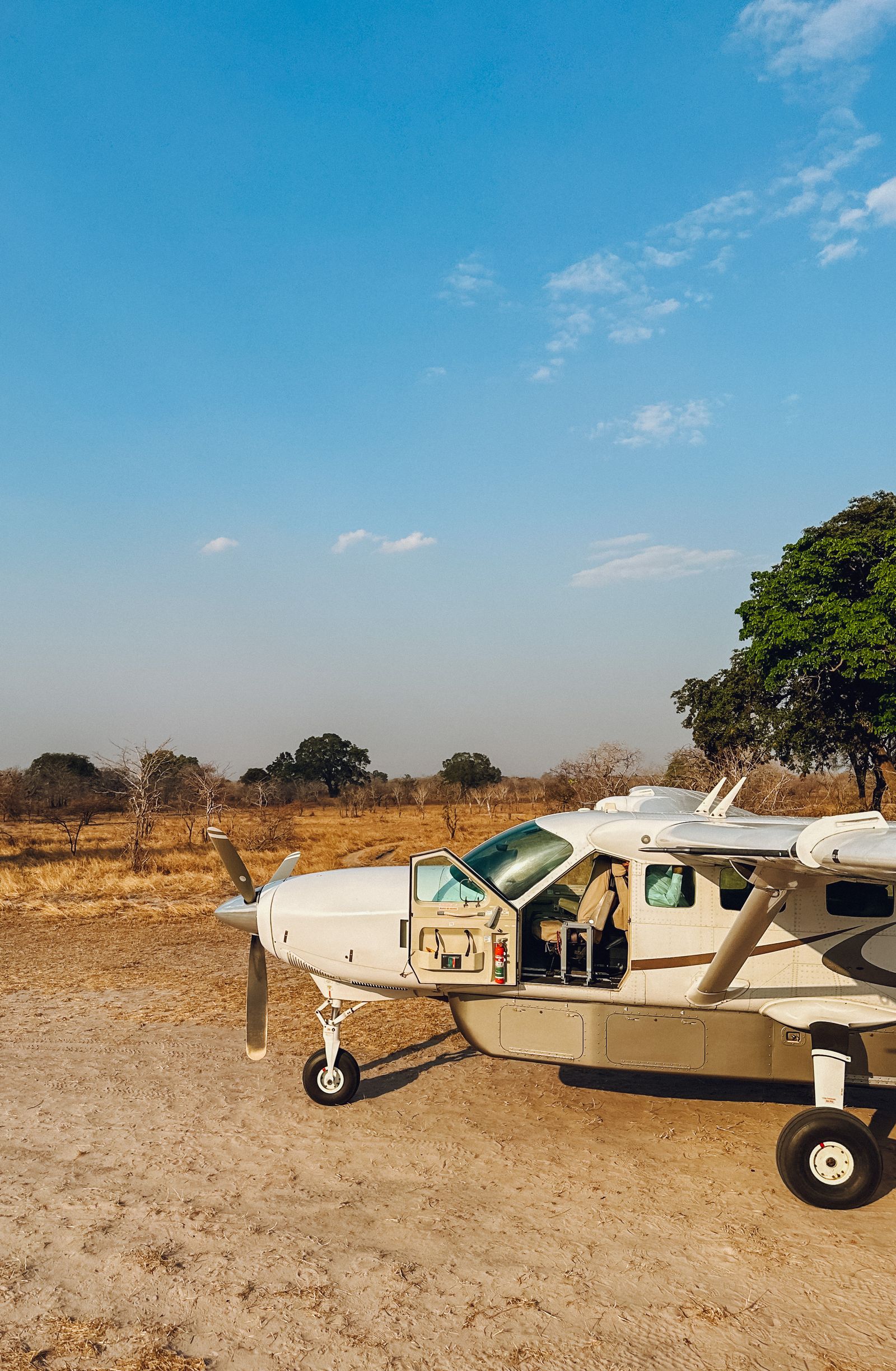
We arrived at Wilson Airport with hard-shell suitcases and were genuinely surprised to be told they physically would not fit in the hold. Our planner had mentioned the weight limit but I hadn’t registered the soft-bag requirement. The lodge kindly stored our big cases and we made do with duffels for the flying legs.
— Sense of Adventure guest, Nairobi to Masai Mara fly-in safari
5 Ways to Handle the 15kg Limit
Pack in a soft duffel bag from the start
Buy or borrow a collapsible duffel bag before your trip rather than discovering the hard-suitcase problem at the airstrip. Most bush-flight operators cap dimensions around 70cm x 60cm x 35cm, with no rigid frame or wheels that can’t compress.
Weigh everything, hand luggage included, before you leave home
The 15kg limit covers hand luggage too, unlike most international flights, so a bathroom scale weigh-in at home covering your full kit, camera gear included, avoids an unpleasant surprise at check-in.
Store excess luggage at your first lodge or in Nairobi
Most safari operators can arrange secure storage for a larger suitcase (holding items not needed on the flying legs) at your first camp or a Nairobi facility, collecting it again before your international departure.
Lean on laundry service instead of packing more clothes
Most lodges and camps offer laundry service, often same-day, which meaningfully reduces how much clothing you actually need to carry across multiple flying legs compared to packing a fresh outfit for every single day.
Ask about excess baggage options if you genuinely can’t cut down
Some routes allow purchasing an extra seat or excess baggage allowance for a fee, useful for photographers carrying heavy gear, though this needs arranging in advance rather than assumed available on the day.
We’ll Confirm Your Exact Route’s Baggage Rules
Message us your flying legs and we will confirm limits, soft-bag specs and storage options.
Quick Facts: Bush Flight Luggage Limits
- Weight limit: 15kg total per person, hand luggage included, on Safarilink and AirKenya.
- Bag type: soft-sided only, no rigid frame or hard-shell suitcases accepted.
- Max dimensions: roughly 70cm x 60cm x 35cm on most Kenyan bush-flight operators.
- Storage solution: most lodges and Nairobi facilities store excess luggage during the trip.
- Laundry helps: same-day camp laundry service reduces how much clothing you need to carry.
- Excess options: extra seat/baggage purchase possible on some routes, arrange in advance.
Planning Your Flying Legs
Bush-flight logistics are worth understanding alongside the rest of your itinerary; our Masai Mara airstrips and getting around guide covers flight times and transfer options in detail, and our complete African safari packing list factors the weight limit into what to actually bring.
Pack Smart, Fly Smooth Between Camps
Message us and we will make sure your luggage is sorted before you ever reach the airstrip.
Frequently Asked Questions
What is the luggage weight limit on Kenya bush flights?
The luggage weight limit on Kenya bush flights operated by Safarilink and AirKenya is 15kg total per person, hand luggage included, significantly less than the roughly 23kg standard international checked-bag allowance most travelers are used to.
Can I bring a hard-shell suitcase on a small aircraft in Kenya?
No, hard-shell suitcases are not accepted on Kenyan bush flights; luggage must be soft-sided, typically a duffel-style bag with no rigid frame, since it needs to be compressed into an irregularly shaped hold space on the light aircraft.
What happens to my extra luggage if I exceed the 15kg limit?
If you exceed the 15kg bush-flight limit, most safari operators can arrange secure storage for your excess luggage at your first lodge or a Nairobi facility, collecting it again before your international departure flight.
Does the 15kg limit include hand luggage?
Yes, the 15kg weight limit on Kenya bush flights includes hand luggage, unlike most international flights that allow a separate carry-on allowance, so your entire kit, camera gear included, needs to fit within that single combined weight.
How can I reduce my luggage for a fly-in safari?
Reduce your luggage for a fly-in safari by using camp laundry service instead of packing fresh clothing for every day, storing non-essential items at your first lodge or in Nairobi, and weighing your full kit on a scale before departure to confirm you’re within 15kg.