A layover safari packing list for Nairobi fits in one small day pack: passport, eTA approval and boarding pass, a card and some US dollars, a light layer, a sun hat, sunscreen, sunglasses, binoculars, a charged phone or camera and an empty water bottle. Leave everything else checked through or locked in your tour vehicle.
We are Sense of Adventure, a Nairobi-based safari company at Mountain Mall on Thika Road, and we take layover guests from JKIA into Nairobi National Park most weeks. This guide gives you a tested layover safari packing list for a few hours out of the airport: documents, clothes, sun protection, camera gear, what to leave behind, what each stop needs and how to pack your carry-on before you land.
Table of Contents
✅ Layover Safari Packing List: The Quick Answer
- Documents: passport, approved Kenya eTA, travel health insurance confirmation if required, and your onward boarding pass.
- Money: a bank card and some small US dollar notes for tips and the cash donation at the elephant nursery.
- Clothes: a light fleece or jacket, comfortable closed shoes and neutral colours. Wear them off the plane.
- Sun kit: hat, sunscreen and sunglasses. Nairobi sits at about 1,700 metres, so the sun is strong.
- Wildlife kit: binoculars and a charged phone or camera with a zoom lens.
- Leave behind: plastic carrier bags, drones, large suitcases and liquids you will not need after security.
🌎 Got a Long Layover in Nairobi?
Tell us your flight times and we will tell you what fits, from a short game drive to a full day with baby elephants and giraffes. 💬 WhatsApp Us Now or call +254 729 837 481
Layover Safari Packing List: What Fits in One Day Pack
The best layover safari packing list is short, because you will carry it all day and take it back through airport security.
A layover safari is not a full safari. You are out for four to ten hours, mostly in a vehicle, and you return to the same airport. You do not need boots, a sleeping bag or a week of khaki. You need what keeps you comfortable, legal and on time. The table below is the core layover safari packing list we give our guests.
| Item | Why you need it | Our tip |
|---|---|---|
| Passport and eTA approval | Needed at immigration and to re-enter departures | Keep a printed copy and a phone copy |
| Onward boarding pass | Speeds up your return to the gate | Download it in the airline app before landing |
| Bank card | Most fees and passes are cashless | Tell your bank you are travelling |
| Small US dollar notes | Tips and the cash donation at the elephant nursery | Clean, undamaged notes are easiest to use |
| Light fleece or jacket | Early mornings can be cool | Wear it off the plane |
| Hat, sunscreen, sunglasses | Strong high-altitude sun | Apply sunscreen before the drive |
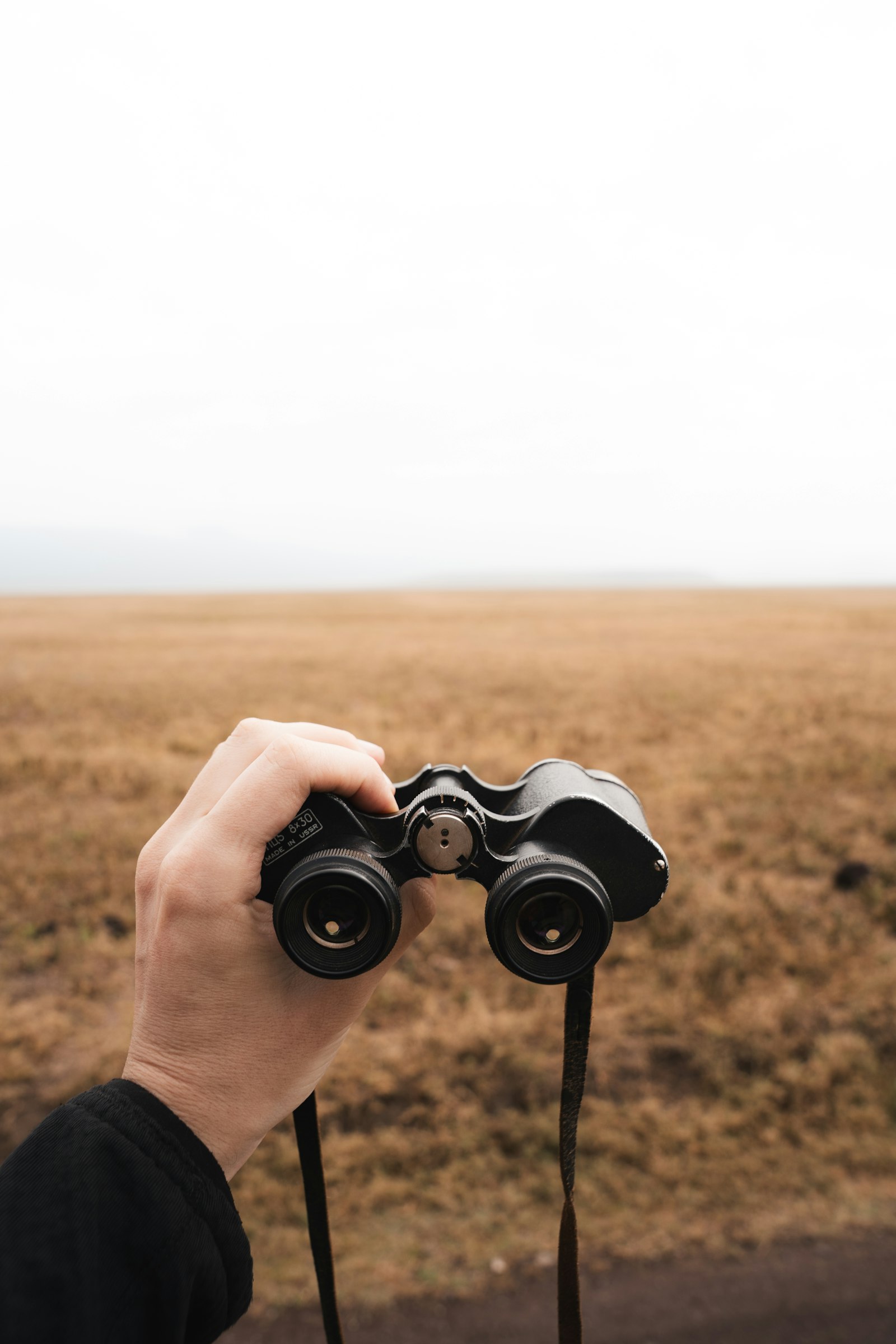
| Binoculars | Animals are often far away | Compact 8x or 10x models are ideal |
| Phone or camera | Photos of lions, rhinos and giraffes | Fully charged, with a power bank |
| Empty water bottle | Stay hydrated without single-use plastic | Fill it after you leave the terminal |
| Any medication | Delays happen | Keep it in your hand luggage |
A card is usually easier than cash for most items on this layover safari packing list. Our Kenya currency and money guide explains what works where.
The 10-item layover safari packing list
If you only remember one thing, remember this layover safari packing list: passport, eTA, boarding pass, card, dollars, jacket, hat, sunscreen, binoculars and phone. Everything else is a bonus.
Documents and Money to Carry
Documents are the most important part of any layover safari packing list, because without them you cannot leave or re-enter the airport.
- Passport: valid for at least six months after arrival, with two blank pages, according to the UK government’s Kenya entry requirements.
- Kenya eTA: approved before you fly, from the official eTA portal. There is no eTA on arrival.
- Travel health insurance: from 5 October 2026, most visitors entering Kenya must buy the government cover; keep the confirmation on your phone.
- Onward boarding pass: printed or in your airline app, so the return to the gate is quick.
- Yellow fever certificate: only if you arrive from a country with a risk of yellow fever transmission.
For money, a card covers most costs. Park entry fees for Nairobi National Park are paid electronically, and our Nairobi National Park entrance fees guide lists current rates. Bring some cash for tips and for the Sheldrick Wildlife Trust, which asks for its entry donation in cash on arrival.
For the full rules on leaving the terminal, read our guide on whether you can leave JKIA on a layover.
What to Wear on a Layover Safari
Wear your safari clothes off the plane, because you will not have a chance to change between immigration and the park gate.
Choose clothes that work on a long-haul flight and in an open-roof vehicle. Comfortable trousers or long shorts, a breathable top and a light fleece or jacket are perfect. Closed shoes are best, as you may walk on dusty ground at the elephant nursery or the Giraffe Centre.
- Colours: neutral shades such as khaki, olive, beige and grey hide dust and blend into the landscape. Our guide on why safari clothes are khaki explains the reasons.
- Layers: early mornings in Nairobi can be cool, and the afternoon can be warm. A zip-up layer is easier than a bulky jumper.
- Shoes: trainers or walking shoes. Avoid heels and flip-flops.
- Rain: in the rainy months a light waterproof jacket earns its place on any layover safari packing list.
You do not need full safari gear. A layover safari packing list built around the clothes you would wear on a plane is enough for a few hours in the park.
Sun, Dust and Insects
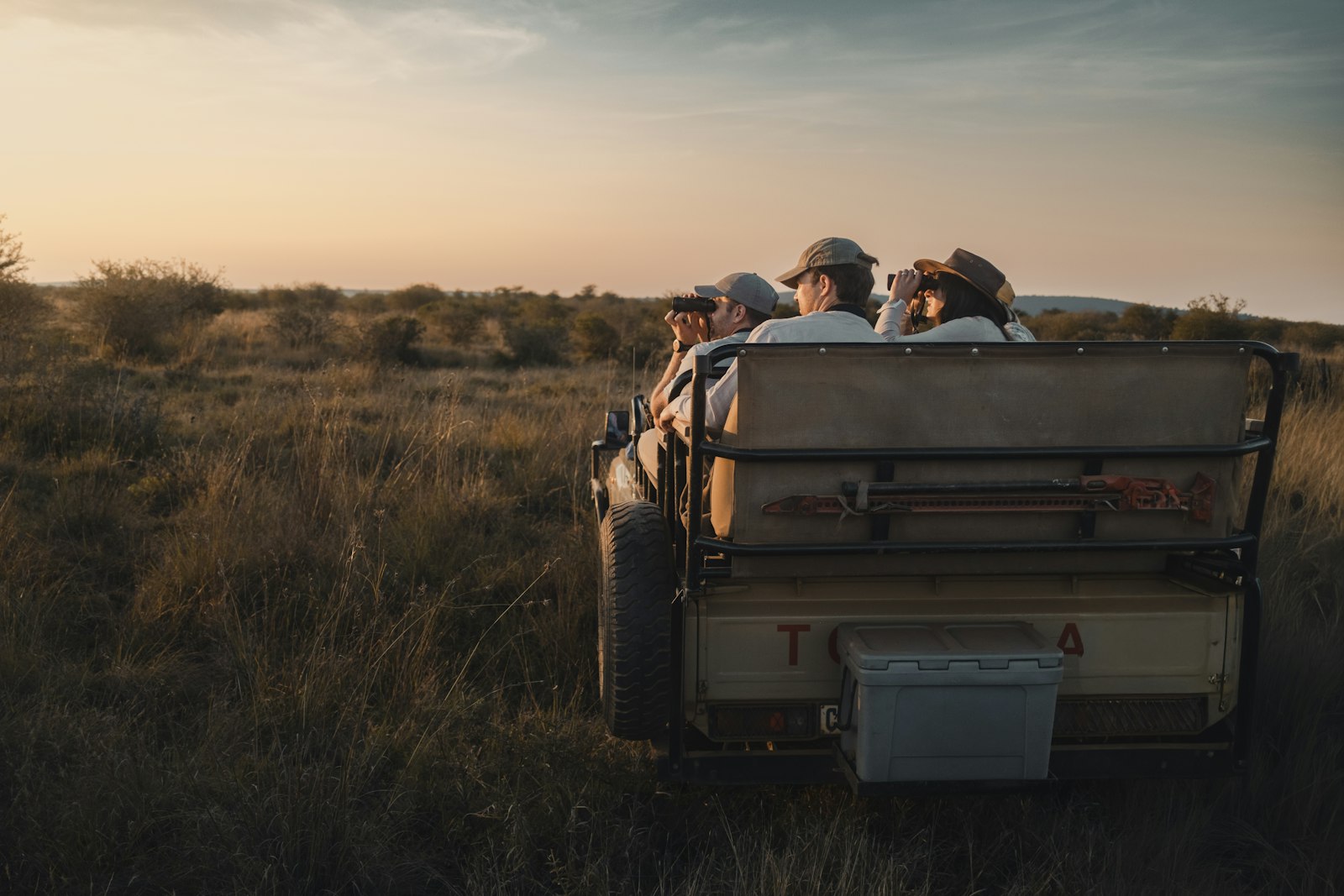
Nairobi’s altitude means the sun is stronger than many visitors expect, so sun protection belongs near the top of your layover safari packing list.
- Sunscreen: a high-factor cream in a travel-size tube. Apply it before the drive, as roof hatches leave you exposed.
- Hat: a wide-brimmed or peaked hat that will not blow off when the vehicle moves.
- Sunglasses: they also keep dust out of your eyes on dry tracks.
- Lip balm and tissues: the air can be dry and dusty in the dry seasons.
- Insect repellent: useful at dawn and dusk. Ask your doctor or travel clinic about malaria advice for your full itinerary.
- Hand sanitiser: handy before a picnic or lunch stop.
Keep the sunscreen and repellent on your layover safari packing list in small containers that meet hand-luggage liquid limits, because you will pass security again on the way back.
Camera, Binoculars and Power
Good optics make the biggest difference on a short game drive, so binoculars and a charged camera are essential on any layover safari packing list.
Binoculars
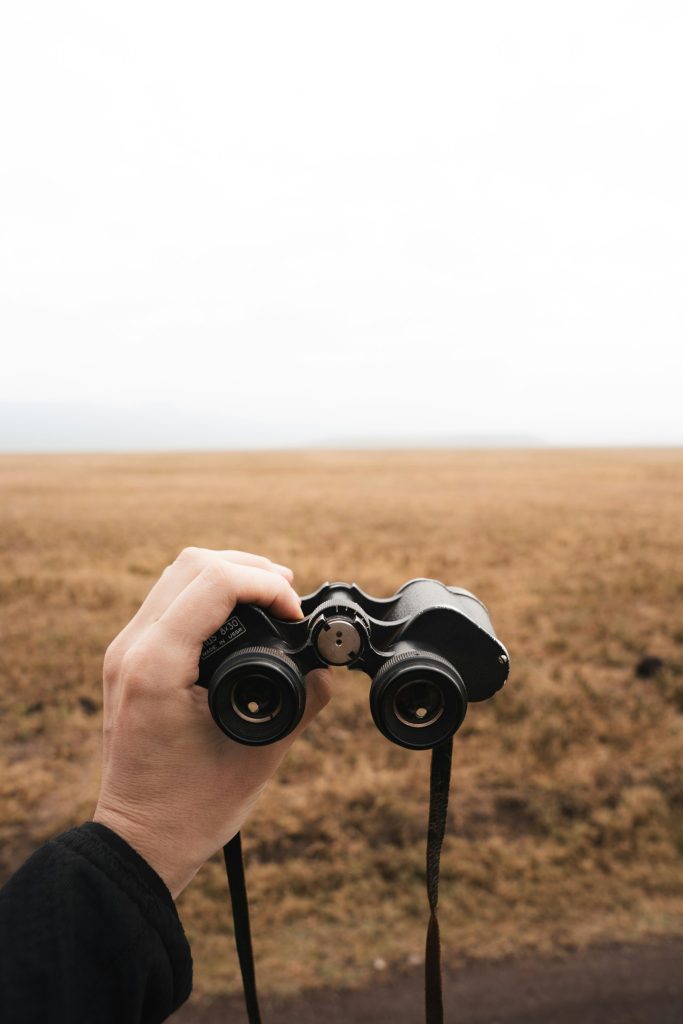
Lions often rest in long grass, rhinos may be a few hundred metres away and birds are everywhere. A compact pair of 8x or 10x binoculars lets everyone in the vehicle enjoy the sighting, not just the person with the longest lens. That is why binoculars sit near the top of our layover safari packing list.
Camera or phone
A modern phone is enough for most layover photos, especially of giraffes at close range. If you have a camera with a zoom lens, bring it, but leave heavy tripods at home. Our camera gear and lens checklist for a Kenya safari helps if you are planning longer trips too.
Power
The last item on any layover safari packing list is power: charge everything on the plane if you can, and carry a power bank in your hand luggage. Kenya uses UK-style Type G sockets, so an adapter helps if you will use a hotel or lounge later. Turn your phone to silent before the elephant nursery visit.
📅 Get a Free Layover Plan
Send us your arrival and departure times, and we will send a plan for the day plus a short packing note for your stops. ✉ Send Us Your Flight Times on WhatsApp
What Not to Pack for a Layover Safari
What you leave out of your layover safari packing list matters as much as what you bring, because some items cause trouble at immigration or security.
- Plastic carrier bags: Kenya has banned them since 2017. The National Environment Management Authority says duty free bags brought into Kenya must be left at the point of entry.
- Drones: importing a drone without prior approval from the Kenya Civil Aviation Authority is illegal. Keep it checked through or leave it at home.
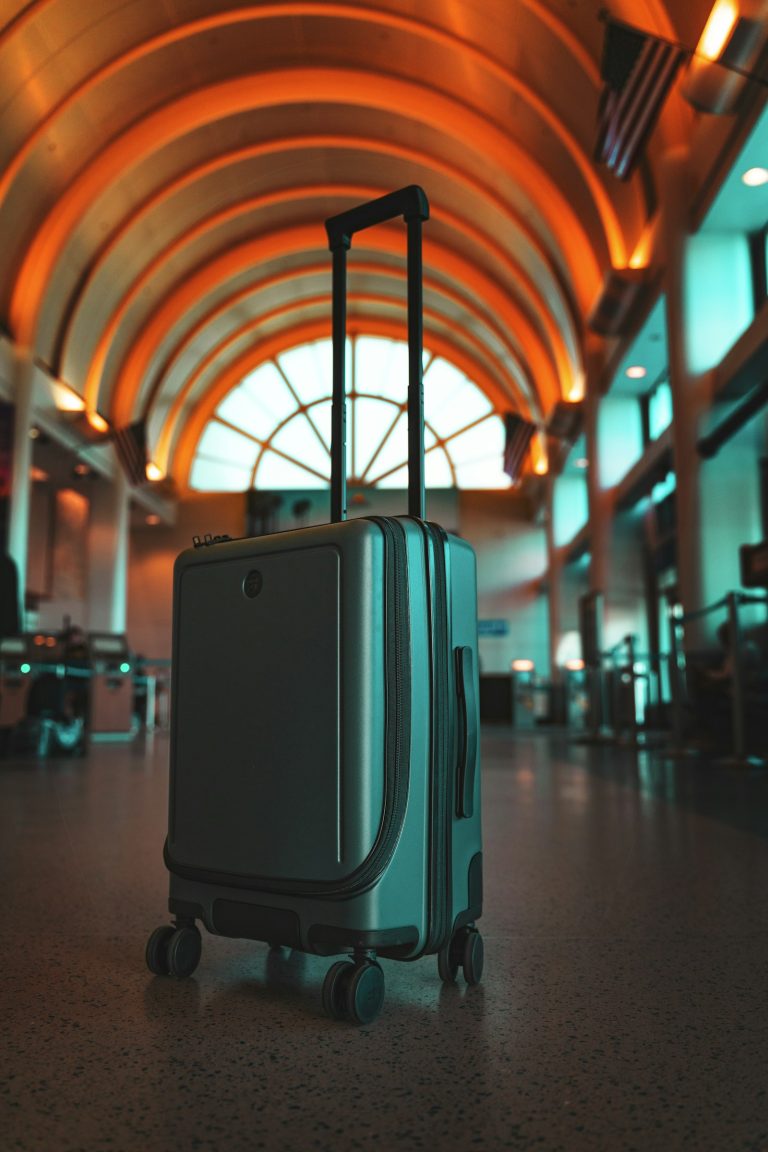
- Large suitcases: if your bags stop in Nairobi, leave them in your locked tour vehicle or at a hotel. Our Nairobi layover luggage guide explains the options.
- Liquids you will not use: anything over hand-luggage limits will be taken at security on your return.
- Snacks for the elephant nursery: the Sheldrick Wildlife Trust asks visitors not to bring other drinks and snacks, and nothing is sold on site.
- Valuables you do not need: leave expensive jewellery at home and keep phones out of sight in traffic.
Layover Safari Packing List by Stop
Each stop on a Nairobi layover day has its own small rules, so tailor your layover safari packing list to the places you will visit.
| Stop | Typical time | What to bring | Good to know |
|---|---|---|---|
| Nairobi National Park | 2–3 hours | Binoculars, hat, sunscreen, layer, camera | Open daily in daylight hours; stay in the vehicle except at designated sites |
| Sheldrick Wildlife Trust nursery | 11am–12 noon | Booking confirmation, cash donation, hat, water, phone on silent | Advance booking only; no same-day bookings |
| Giraffe Centre | About 1 hour | Card or cash for entry, camera | Feed giraffes from a raised platform |
| Lunch in Karen or the city | About 1 hour | Card, some cash for tips | Allow time for traffic back to JKIA |
The Sheldrick Wildlife Trust nursery visit page says the public visit runs from 11am to 12 noon, cannot be extended for late arrivals and asks guests to arrive by 10:30am. The entry donation is listed as USD 20 for adults and USD 5 for children under 12, paid in cash on arrival, with Nairobi National Park fees charged separately.
The Giraffe Centre lists non-resident entry at KES 1,500 for adults and KES 750 for children aged 3 to 12. Prices change, so check before you go and add the right cash or card to your layover safari packing list.
Nairobi National Park
Nairobi National Park borders JKIA, and East Gate is a short drive from the terminals outside rush hour. It is home to lions, black and white rhinos, buffalo, giraffes and zebras, but not elephants. Our Nairobi National Park half-day safari guide explains what to expect on a few hours’ drive.
How to Pack Your Carry-On Before You Land
The easiest way to follow a layover safari packing list is to sort your bag on the plane, before the descent.
- Move the day kit to the top: passport, phone, card, dollars, hat, sunscreen and binoculars.
- Download documents: eTA approval, insurance confirmation and onward boarding pass, saved offline.
- Decant duty free: put any duty free items into your hand luggage and fold away the plastic bag before immigration.
- Change if you need to: swap into your layer and closed shoes in the aircraft toilet before landing.
- Charge up: use the seat power to top up your phone and power bank.
- Check the time zone: Kenya is on East Africa Time (UTC+3) all year, so set your watch to avoid surprises.
Then walk off the plane with your layover safari packing list ticked off, follow the arrivals and immigration signs and meet your guide in the arrivals hall. If your bags are checked through, you do not need to stop at the carousels.
Season-by-Season Tweaks
Nairobi’s weather is mild all year, but small changes to your layover safari packing list make the day more comfortable in each season.
- June to September: the coolest months, with chilly mornings. Add a warmer fleece to your layover safari packing list.
- March to May: the long rains. Add a light waterproof and shoes you do not mind getting muddy.
- October to December: short rains, usually as afternoon showers. A packable jacket is enough.
- January and February: usually dry and warm. Sun protection matters most.
Rain rarely stops a game drive, and the park is beautifully green after showers. For the full picture, see our guide to the best time to visit Nairobi National Park.
Make Your Layover Safari Easy
The simplest layover safari packing list is the one where someone else handles the logistics. On our Nairobi layover tour, we meet you at arrivals, any bags stay locked in the vehicle, bottled water is included and we bring you back to JKIA at least three hours before your next international flight.
The tour includes a Nairobi National Park game drive, the 11am Sheldrick visit and the Giraffe Centre, with lunch in Karen. It is priced from USD 190 per adult sharing, with the final cost depending on season and group size. For hour-by-hour timings, see our 12-hour layover in Nairobi itinerary.
Layover Safari Packing List FAQs
What should I pack for a layover safari in Nairobi?
Your layover safari packing list should fit in one small day pack: your passport, eTA approval, onward boarding pass, a card, some US dollars, a light layer, a hat, sunscreen, sunglasses, binoculars, a charged phone or camera and an empty water bottle. Leave large bags checked through or locked in your tour vehicle.
What should I wear on a layover safari?
Wear comfortable trousers or long shorts, a breathable top, a light fleece and closed shoes, ideally in neutral colours such as khaki, olive or grey. Change on the plane before landing, because you will go straight from immigration to the park and will not have time to change.
Do I need cash on a Nairobi layover safari?
A little. Park fees are paid electronically, but the Sheldrick Wildlife Trust asks for its entry donation in cash on arrival, listed at USD 20 per adult and USD 5 per child under 12. Small notes also help with tips. A bank card covers most other costs.
Can I bring my duty free bags off the plane in Nairobi?
Kenya bans plastic carrier bags, and the environment authority says duty free bags brought into the country must be left at the point of entry. Move the items into your hand luggage before immigration. If you plan to return through security, liquids above hand-luggage limits may be taken away.
Do I need binoculars for Nairobi National Park?
They are not essential, but they make a big difference. Lions often rest in long grass and rhinos can be a few hundred metres away. A compact pair of 8x or 10x binoculars lets you see details that a phone camera cannot, and they are light enough for any day pack.
Can I fly my drone on a Nairobi layover?
No, unless you have prior approval. The UK government’s Kenya travel advice says importing or exporting a drone without approval from the Kenya Civil Aviation Authority is illegal. Leave it at home or keep it in checked luggage that stays airside on a through ticket.
Is it cold on a morning game drive in Nairobi?
It can be. Nairobi sits at about 1,700 metres, and early mornings feel cool, especially from June to September. A light fleece or jacket is enough, and you can take it off as the day warms up. Afternoons are usually pleasant, with strong sun.
🏕 Book Your Nairobi Layover Tour With Sense of Adventure
Kenya-based experts. Real local knowledge. Transparent pricing. Bring a day pack and your sense of adventure, and we will handle the timings, park fees and transport. 💬 WhatsApp Us — Plan Your Layover Today
Call or WhatsApp: +254 729 837 481
Related Safari Guides
- ›Kenya Safari Packing List
- ›Nairobi Layover Luggage Guide
- ›6 Hour Layover in Nairobi
- ›Nairobi Layover Safari
- ›JKIA Lounges and Places to Rest
Official travel & park resource: Kenya Wildlife Service ↗