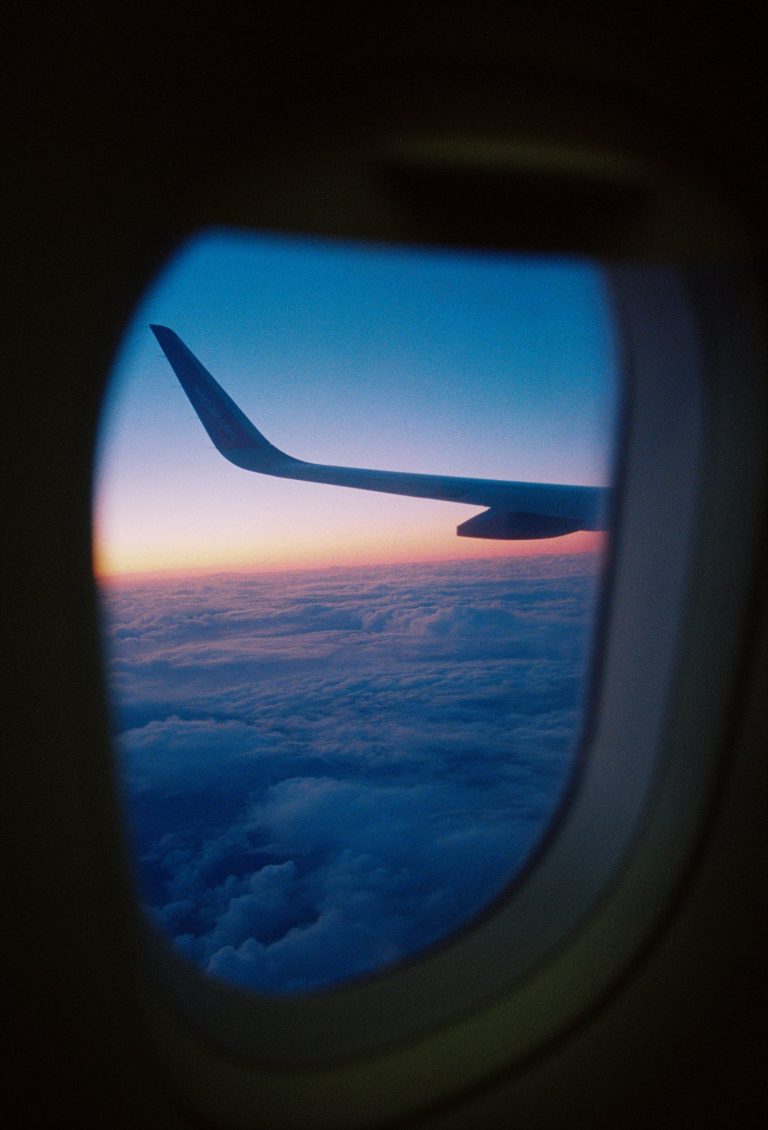

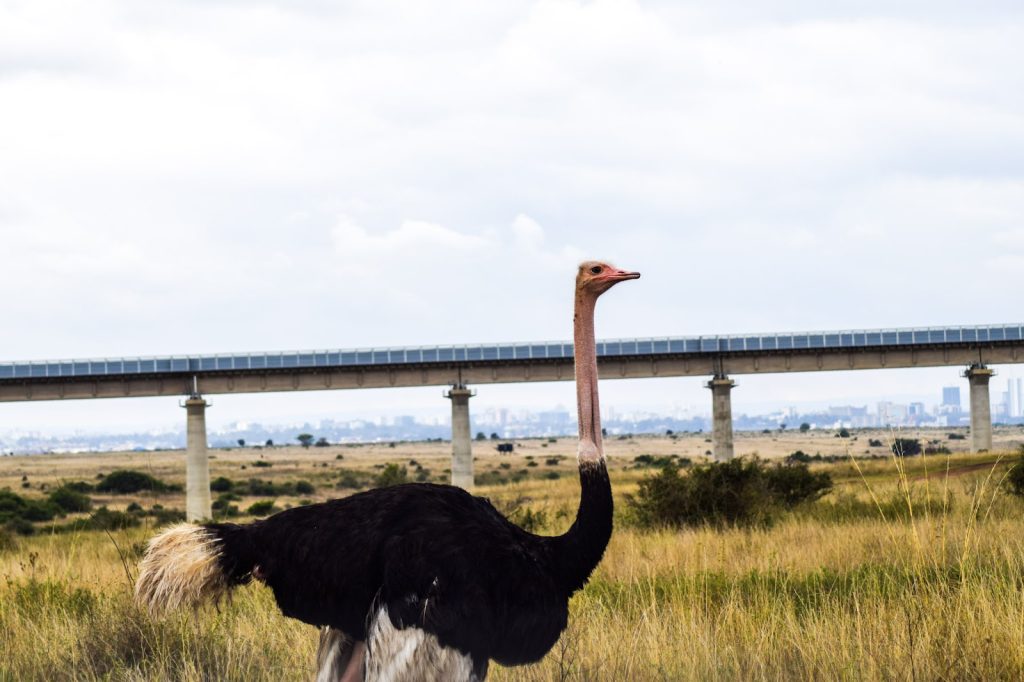
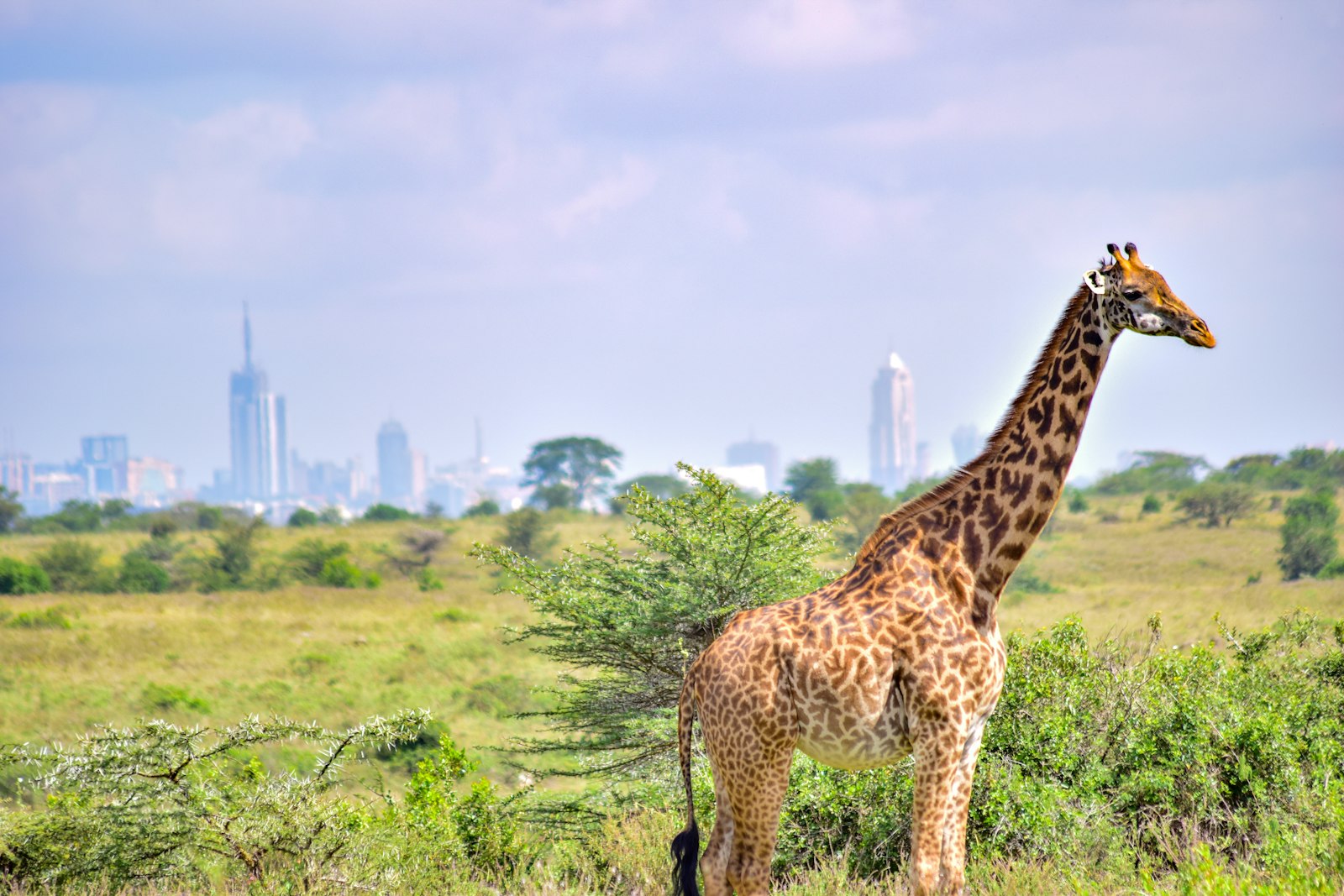
A Nairobi layover safari is the best-kept secret in air travel: the only national park on the edge of a capital city sits about 20 minutes from Jomo Kenyatta International Airport (JKIA), which means a long connection can turn into lions, rhinos and giraffes. No other major hub offers this trade. While other passengers doze under departure boards, you can watch a black rhino browse against the skyline, feed a Rothschild’s giraffe at eye level and be back through security calm and fed.
Sense of Adventure has refined the layover run over many trips: a driver meets you at arrivals, your luggage is handled and the timings are padded so you return to JKIA at least three hours before your onward flight. This guide explains exactly how a Nairobi layover safari works, how long a connection you need, what it costs, the entry rules and what to pack.
✅ Nairobi Layover Safari Quick Answer
- Time needed: 8 hours or more between flights is comfortable; 6 to 8 hours allows a shorter game drive only.
- Distance: Nairobi National Park is about 20 minutes from JKIA when traffic is light.
- Wildlife: lions, black and white rhinos, giraffes, buffalo, zebras and 400+ bird species; there are no resident elephants.
- Entry: most travellers need a Kenya eTA (a Transit eTA covers layovers of up to 72 hours) to leave the airport.
- From: our Nairobi Layover Tour starts at USD 190 per adult sharing.
Don’t Waste the Connection
Send us your flight numbers — we’ll confirm whether your layover converts to lions, and build the exact schedule.
How the Nairobi Layover Safari Actually Works
The logistics are friendlier than travellers expect. Most nationalities can get a Kenya eTA online before they fly, your driver meets you at international arrivals with a name board, and any luggage you collect rides safely in the vehicle throughout. From JKIA the park’s East Gate is about 20 minutes away in light traffic.
The proven formula for a Nairobi layover safari: 6 to 8 hours between flights buys a short game drive of roughly 1.5 to 2 hours; 8 hours gives a proper 2.5 to 3 hour park circuit; 10 hours or more adds the Sheldrick elephant nursery and the Giraffe Centre with lunch. We calculate backwards from your departure — check-in buffer, traffic allowance and immigration time — so the safari ends with you back at JKIA at least three hours before your flight.
The 5 Layover Windows and What Each Buys
The 6-Hour Sprint — a short park loop, carefully timed
Six hours between flights is the tight minimum. Once immigration, transfers and the three-hour return buffer are taken out, you get a focused game drive of about 1.5 to 2 hours near the East Gate: open plains, giraffe herds and a fair chance of rhino or lion, with the skyline behind everything. It works best when your inbound flight lands on time early in the day.
The 8-Hour Classic — a full park circuit, zero stress
Eight hours is where a Nairobi layover safari becomes comfortable. You get a genuine 2.5 to 3 hour game drive through the forest-edge rhino country, the lion valleys and the open plains, and you can sometimes add a short stop at the Giraffe Centre. This is the window most of our layover guests book.
The 10-Hour Full House — all three, plus lunch
Ten or more hours unlocks the complete Nairobi wildlife morning — park circuit, the Sheldrick nursery’s 11 am public visit and the Giraffe Centre — with a relaxed lunch in Karen before the airport return. Overnight layovers can add a dawn drive, when the park is at its predatory best.
The Red-Eye Arrival Play — land at dawn, safari before check-in
Arriving at 5 to 7 am with an evening onward flight or a late hotel check-in? That is the golden ticket: straight from arrivals to the park as the gates open at 6 am for the best hours, done before the city finishes breakfast. Jet lag surrenders to adrenaline surprisingly fast when a lioness crosses the track.
The Departure-Day Finale — end the whole trip on wildlife
Evening flight home after a Kenyan holiday? Check out, hand us the bags and spend the final afternoon in the park instead of a hotel lobby — last light on the plains, one more lion, then straight to check-in. The park closes at 6 pm, so this suits flights leaving from about 10 pm onwards.
Flight Numbers In, Full Schedule Out
We time every layover run backwards from boarding. Share your itinerary and get the plan within hours.
Layover Logistics That Matter
- The threshold: 6 hours between scheduled arrival and departure is the tight minimum; 8 hours or more is comfortable.
- Entry: most nationalities use Kenya’s online eTA — apply before travel; transit passengers leaving the airport need one.
- Luggage: bags ride locked in the safari vehicle throughout; no storage counters or re-collection dramas.
- Timing anchors: a three-hour return buffer before international departures is built into every schedule we quote — non-negotiable.
- Costs: park fees, vehicle and guide quoted as one bundle; sharing with fellow travellers cuts the cost per person.
- Sleep option: overnight connections can add a park-edge hotel and a dawn drive — ask for the red-eye plan.
A Sample Nairobi Layover Safari Schedule
Every plan is built around your real flight times, but this example shows how a typical eight-hour Nairobi layover safari fits together. It assumes an early-morning landing and an afternoon departure.
| Time | What happens |
|---|---|
| 06:00 | Land at JKIA, clear immigration with your eTA and collect any bags |
| 07:00 | Meet your driver-guide in arrivals and drive to the park gate |
| 07:30–10:30 | Game drive across the plains, forest edge and valleys |
| 10:30–11:00 | Return to JKIA, with time for a coffee before check-in |
| 14:00 | Onward flight departs; you checked in at least three hours earlier |
Adjusting a Nairobi layover safari for late arrivals
If your inbound flight is delayed, we track it and adjust the plan. We shorten the drive or drop the extra stops, but we never cut into the three-hour airport buffer. Your onward flight always comes first.
Extending to a 10 to 12 hour connection
With a longer gap, the day follows our Nairobi Layover Tour: a morning game drive, the 11 am public visit at the Sheldrick Wildlife Trust elephant nursery, lunch in Karen and hand-feeding giraffes at the Giraffe Centre before the drive back to JKIA.
What You Can See on a Nairobi Layover Safari
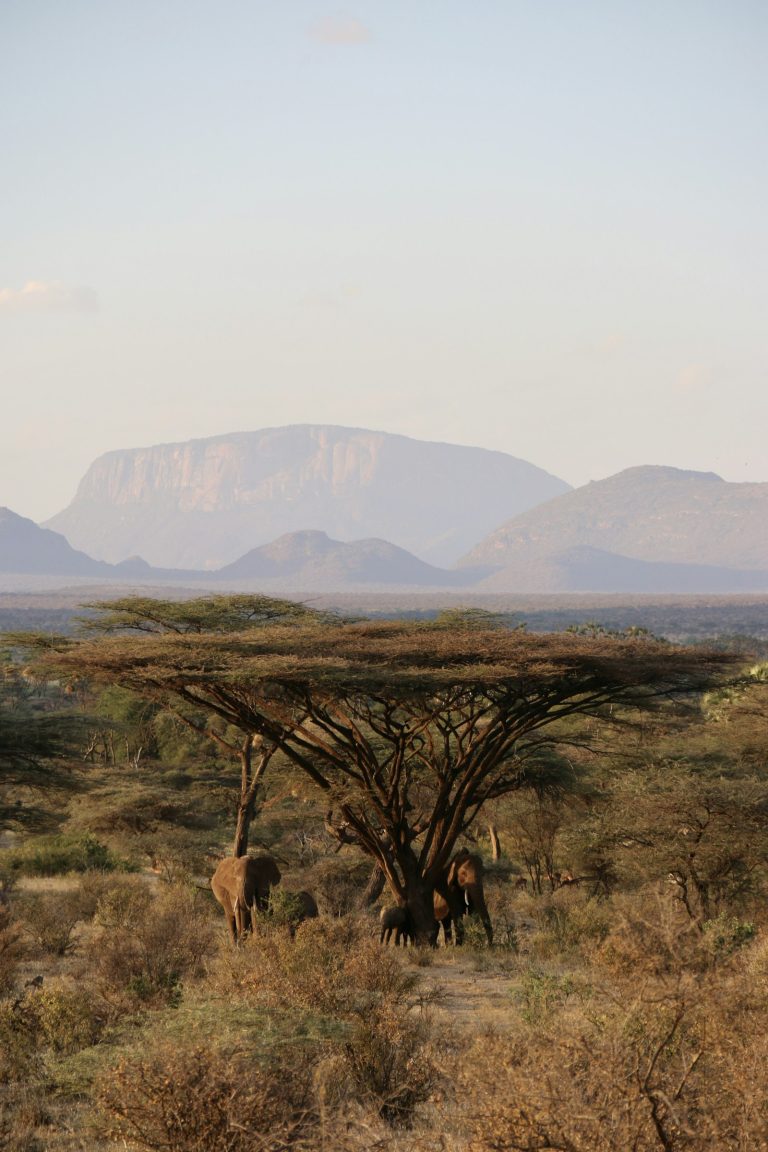
Nairobi National Park is small, but it protects a surprising range of animals. Kenya’s first national park, set up in 1946, mixes open grassland, acacia scrub, forest and rocky river valleys. The southern side is unfenced, so wildlife can still move in and out with the seasons.
Rhinos and lions
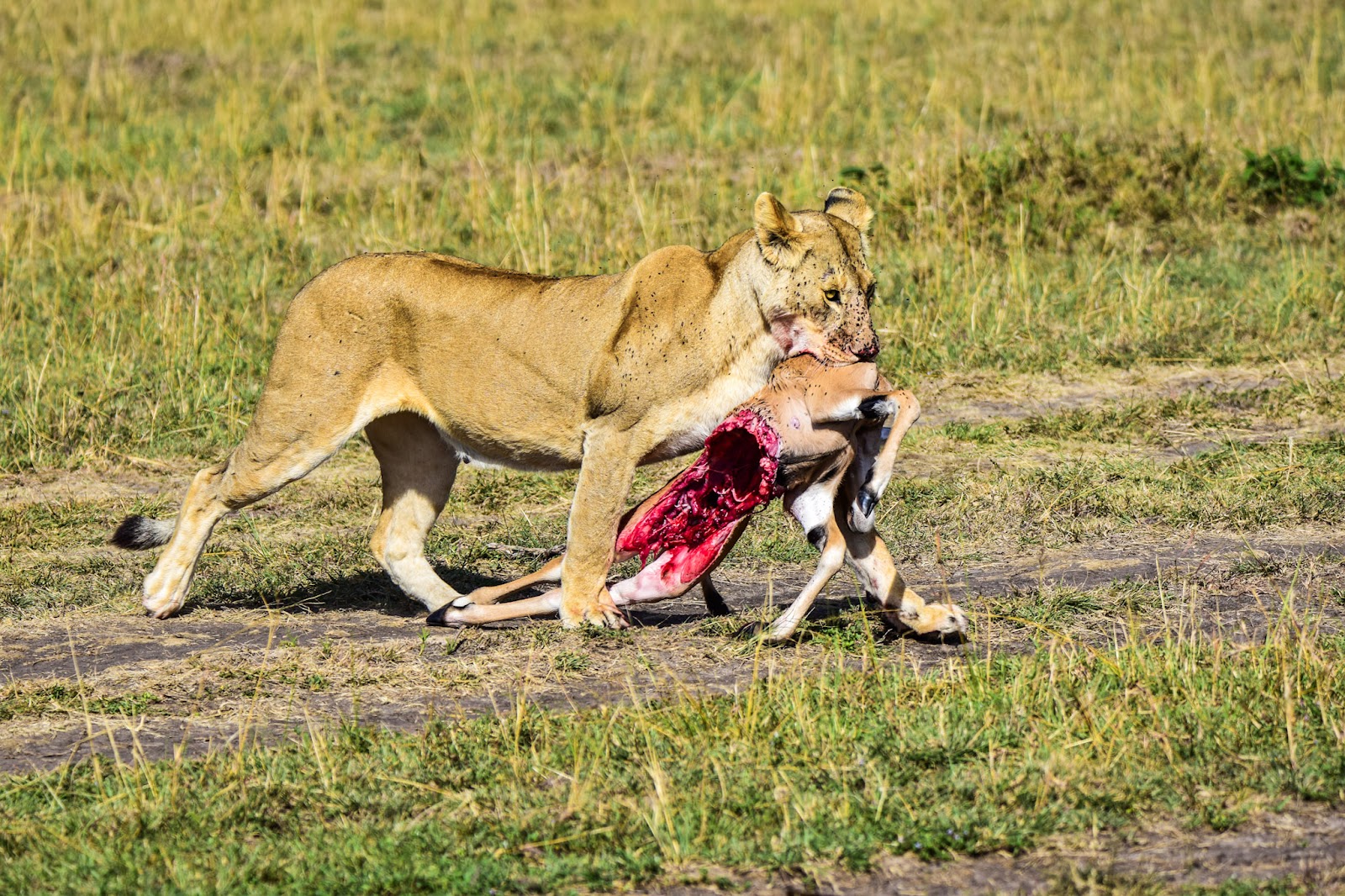
The park is one of the best places in Kenya to see black rhinos, and white rhinos live here too. Lions are regularly seen, often resting under acacias or walking the tracks at dawn. Read more in our guides to the rhinos of Nairobi National Park and the lions of Nairobi National Park.
Plains game and birds
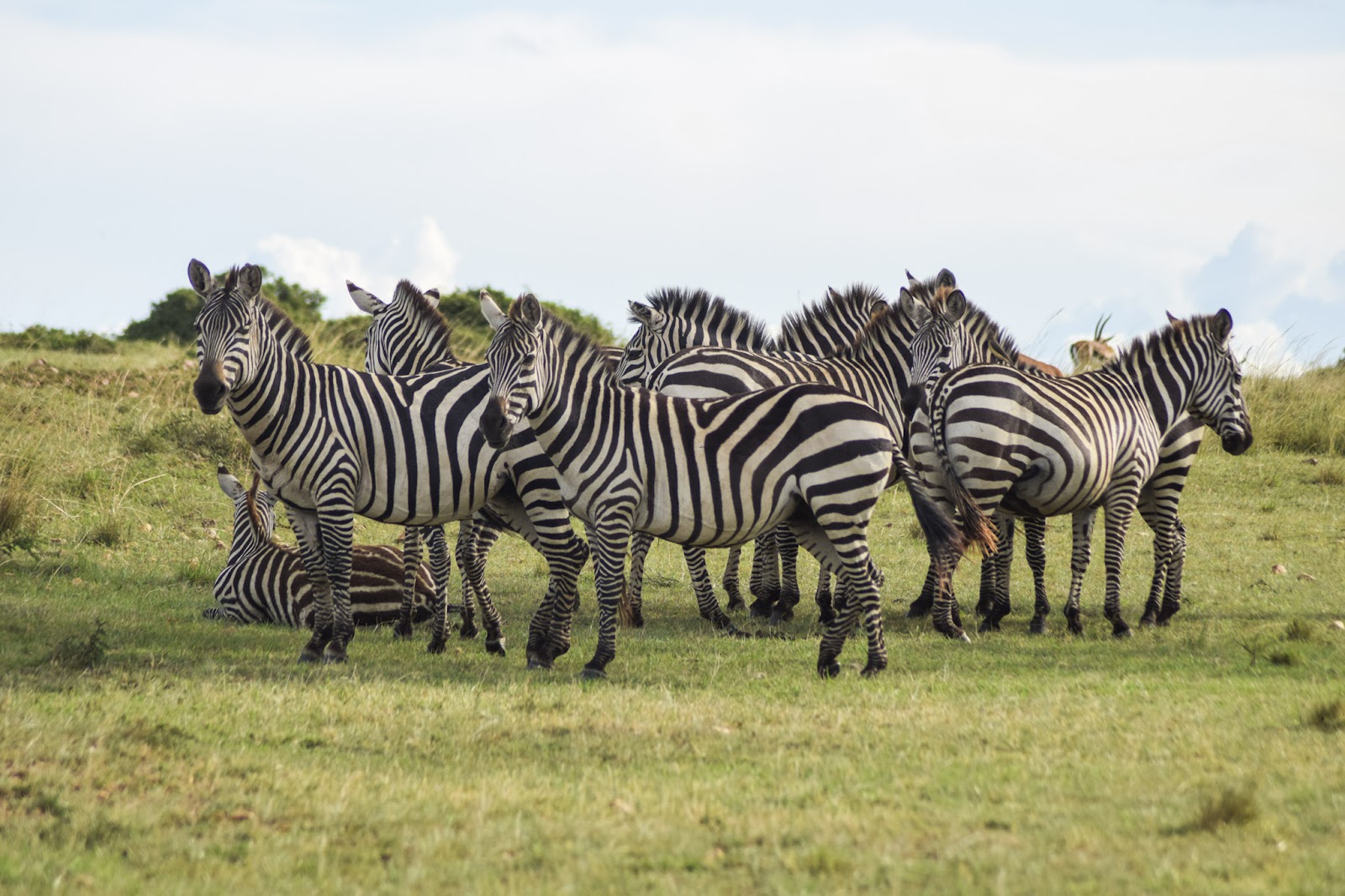
Giraffes, zebras, buffalo, wildebeest, hartebeest, eland, impala and gazelles graze the plains. Hippos and crocodiles live in the pools, and more than 400 bird species have been recorded, from ostriches and secretary birds to crowned cranes.
Elephants: the missing member
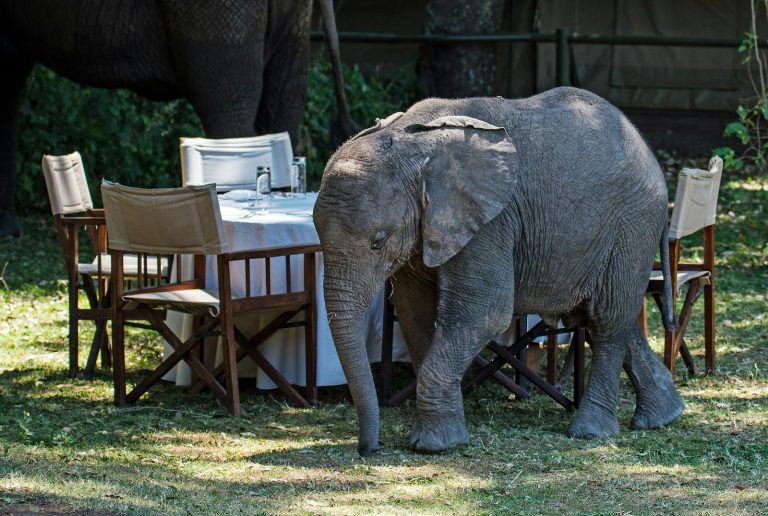
There are no resident elephants in Nairobi National Park, which is why longer layovers add the orphaned elephants at the Sheldrick Wildlife Trust. No sighting is ever guaranteed, but your guide knows where animals have been seen in recent days.
Nairobi Layover Safari Costs
The cost of a Nairobi layover safari depends on the length of your connection, the number of people sharing the vehicle and the stops you add. Prices on our site today include:
- Nairobi Layover Tour – National Park, Baby Elephants & Giraffes — from USD 190 per adult sharing, including the park fee, the Sheldrick and Giraffe Centre entry, lunch and JKIA transfers.
- Nairobi day tours — from USD 65 per person for shorter city, culture and wildlife trips.
Park entry fees are set by the Kenya Wildlife Service and can change; see our guide to Nairobi National Park entrance fees for the current rates. Fees are paid electronically, so you do not need cash at the gate. Not included: the eTA, tips, drinks and personal spending.
Entry Rules for a Nairobi Layover Safari
Do you need an eTA?
Most visitors need a Kenya eTA to leave the airport, even for a few hours. A Transit eTA covers stays of up to 72 hours. Apply only on the official Kenya eTA portal and allow several days for processing. Rules vary by passport, so check them when you book.
Travel advice and documents
UK travellers should read the latest GOV.UK travel advice for Kenya before travel. Carry your passport, boarding passes and eTA approval with you at all times during the tour, and keep valuables on you rather than in the vehicle.
What to Pack for a Nairobi Layover Safari
- A light warm layer: Nairobi sits at about 1,700 metres, so early mornings can be cool.
- Hat, sunglasses and sunscreen: the equatorial sun is strong once the morning warms up.
- Camera or phone with zoom: and binoculars if you have them.
- A small day pack: with water, snacks, charger and any medication.
- Documents: passport, boarding passes and a saved copy of your eTA.
- A little cash: for tips or a coffee; most other payments are by card or mobile money.
Need a local SIM or eSIM for the day? See our tips on SIM cards and money at JKIA.
Best Time for a Nairobi Layover Safari
A Nairobi layover safari works in every month. The drier months, roughly June to October and January to February, make animals easier to find and tracks easier to drive. The rains from March to May turn the park green and can make some tracks muddy, but the wildlife is still there.
Time of day matters more than season. Animals are most active in the first hours after the gates open at 6 am and in the late afternoon. Midday drives still produce rhinos and giraffes, but cats are often asleep in the shade.
Overnight Connections and Park-Edge Hotels
If your connection runs overnight, you can sleep close to the park and take a dawn drive before your flight. Hotels on Mombasa Road such as Ole Sereni overlook the park; read our Ole Sereni Nairobi guide before you book. Travelling on a tight budget? Our budget Nairobi layover guide lists low-cost options near JKIA.
Staying on Schedule and Staying Safe
The biggest risk on a layover is traffic, not wildlife. Nairobi’s roads can be slow at rush hour, so we plan routes and buffers around the time of day. You stay in the vehicle in the park except at designated points, such as the walking area at the Hippo Pools, and always follow your guide’s instructions.
Follow the Kenya Wildlife Service park rules, keep noise down at sightings and never ask your guide to leave the track. These rules protect the animals and keep the park special for everyone.
The Pieces Behind the Layover
The engine of it all is the park — see our Nairobi rhinos guide and our Nairobi National Park safari page. The bookable version is the Nairobi Layover Tour, and if the layover converts you (it usually does), the Mara from Nairobi guide shows the obvious next step.
From Layover to Full Safari
Nairobi National Park is a superb taster, but it cannot replace a full safari. If you can turn your connection into a stopover of a few days, look at our Masai Mara safari packages, a private Kenya safari in your own vehicle, or the shorter trips on our Kenya safari from Nairobi page. For ideas across the country, browse Magical Kenya.
Your Connection Is a Safari in Disguise
A long wait at JKIA can mean lions, rhinos and a story nobody in the lounge will believe. Send the flight numbers.
Frequently Asked Questions
Can you do a safari during a layover in Nairobi?
Yes. Nairobi National Park lies about 20 minutes from JKIA, so a long connection can become a genuine game drive with lions, rhinos, giraffes and buffalo. A driver meets you at arrivals, luggage stays in the vehicle, and every Nairobi layover safari is timed backwards from your departure.
How long a layover do I need for a Nairobi safari?
Eight hours or more is comfortable for a Nairobi layover safari, giving a 2.5 to 3 hour game drive and a three-hour airport buffer. Six to eight hours allows a shorter drive only. Ten hours or more fits the park, the Sheldrick nursery and the Giraffe Centre with lunch.
Do I need a visa to leave Nairobi airport during a layover?
Most nationalities need a Kenya eTA to leave the airport, even for a Nairobi layover safari. A Transit eTA covers stays of up to 72 hours. Apply on the official eTA website before you travel, as rules vary by passport, and we will advise for your nationality when you book.
What happens to my luggage during a layover safari?
On a Nairobi layover safari your bags travel with you, locked in the safari vehicle for the whole outing, so you do not need a storage counter. If your luggage is checked through to your final destination, you carry only hand baggage, which makes the day even simpler.
Is a Nairobi layover safari worth it?
Yes, if your connection is long enough. Nairobi is the only capital where an airport connection can buy wild lions and rhinos against a city skyline. A Nairobi layover safari turns dead time in a lounge into the most memorable part of a long journey.
How much does a Nairobi layover safari cost?
Our Nairobi Layover Tour starts from USD 190 per adult sharing, including the park fee, JKIA transfers, the Sheldrick and Giraffe Centre visits and lunch. Shorter game-drive-only layovers are quoted on request, and the cost per person falls as more travellers share the vehicle.
What if my flight is delayed?
We track your inbound flight and adjust the plan if you land late. We shorten the game drive or drop the extra stops rather than cut into the three-hour airport buffer. Getting you back to JKIA on time is always the priority on a Nairobi layover safari.
Will I see elephants on a Nairobi layover safari?
Not in the park itself, because Nairobi National Park has no resident elephants. With ten hours or more you can add the Sheldrick Wildlife Trust nursery, where orphaned baby elephants come in for their milk and a mud bath during the 11 am public visit.