Kenya safari malaria risk is real but manageable: malaria is present in all areas below 2,500 metres, including the Masai Mara, Amboseli and the coast, while Nairobi itself is low risk. Most travel clinics advise antimalarial tablets for safari areas, plus mosquito nets, repellent and covering up from dusk to dawn.
Sense of Adventure is a licensed, Nairobi-based safari operator (TRA licence TRA1/47/C01/77087). We are not doctors, so this guide does not replace advice from a travel clinic, but it explains Kenya safari malaria risk clearly: where it is highest, which tablets doctors usually suggest, how to avoid bites, what camps do to help and what to do if you develop a fever.
Table of Contents
✅ Kenya Safari Malaria: The Quick Answer
- Where: malaria is present below 2,500 metres, which includes almost every safari park and the coast.
- Nairobi: low risk; UK advice does not normally recommend tablets for Nairobi alone.
- Tablets: atovaquone-proguanil, doxycycline, mefloquine or tafenoquine, chosen with a doctor.
- Bite prevention: repellent, long sleeves after sunset and sleeping under a net.
- When to act: see a travel clinic 6–8 weeks before you go.
- After travel: any fever within a year needs an urgent malaria test.
🌎 Questions About Health on Your Safari?
We can tell you exactly which areas your itinerary covers, so your travel clinic can give the right advice. 💬 WhatsApp Us Now or call +254 729 837 481
Kenya Safari Malaria Risk by Area
Kenya safari malaria risk depends mainly on altitude and location. According to the CDC’s malaria information by country, malaria is present in all areas of Kenya below 2,500 metres, including game parks. The main species is Plasmodium falciparum, the most serious type, and it is resistant to chloroquine.
| Area | Typical altitude | Malaria risk | Usual advice |
|---|---|---|---|
| Nairobi city | About 1,795 m | Low | Tablets not normally advised for Nairobi alone (UK advice) |
| Masai Mara | 1,500–2,100 m | Present | Tablets usually advised |
| Amboseli and Tsavo | About 500–1,200 m | Present | Tablets usually advised |
| Lake Nakuru and Naivasha | About 1,750–1,890 m | Present | Tablets usually advised |
| Samburu and the north | About 800–1,000 m | Present | Tablets usually advised |
| Coast: Mombasa, Diani, Watamu, Lamu | Sea level | Higher | Tablets advised |
| Lake Victoria region | About 1,130 m | Higher | Tablets advised |
| Highlands above 2,500 m | Above 2,500 m | Low | Ask your clinic; valleys can carry risk |
The UK’s fitfortravel service describes malaria risk as high throughout Kenya, except for Nairobi and its immediate surroundings and the highlands above 2,500 metres. Because nearly every safari itinerary includes at least one park below that altitude, most travellers on a safari are advised to take tablets.
Expert tip from our Nairobi team: take your full itinerary, including every park and any beach days, to your travel clinic. Kenya safari malaria advice is based on the places you will sleep, so a clinic needs the details to recommend the right tablets and the right number of days.
How Malaria Spreads and When You Are Most at Risk
Malaria is spread by the bite of infected female Anopheles mosquitoes, which bite mainly between dusk and dawn. Understanding this pattern is the key to Kenya safari malaria prevention.
- Time of day: the highest-risk hours are from sunset, through dinner and the night, until early morning.
- Season: mosquito numbers rise during and after the rains, roughly April to June and November to December.
- Location: standing water, rivers and lake shores attract more mosquitoes; hot, low areas carry more risk than cool highlands.
- Incubation: the WHO notes that symptoms usually appear 10–15 days after an infective bite, so illness often starts after you get home.
Malaria is not passed from person to person in everyday contact. You cannot catch it from other guests, staff or food, so Kenya safari malaria prevention is all about mosquitoes. Our Kenya weather by month guide shows when the rainy seasons fall.
Do You Need Antimalarial Tablets for a Kenya Safari?
For most itineraries, Kenya safari malaria guidance says yes: the CDC lists four recommended options for Kenya, and a doctor will choose one based on your health, age, other medicines and trip length.
Kenya safari malaria tablets compared
| Tablet | How often | Typical schedule | Things to know |
|---|---|---|---|
| Atovaquone-proguanil | Daily | Start 1–2 days before, continue 7 days after | Popular for short safaris; usually well tolerated; higher cost |
| Doxycycline | Daily | Start 1–2 days before, continue 4 weeks after | Low cost; can increase sun sensitivity; take with food and water |
| Mefloquine | Weekly | Start 2–3 weeks before, continue 4 weeks after | Weekly dosing; not suitable for some mental health or heart conditions |
| Tafenoquine | Weekly after loading doses | Loading doses before travel, one dose after | Needs a G6PD blood test first; not for everyone |
Chloroquine is not effective for Kenya safari malaria protection because of resistance, so old tablets left over from other trips may not be suitable. Never buy antimalarials from unofficial sellers, and finish the full course after you leave the malaria area; stopping early is a common reason travellers become ill.
There is no malaria vaccine licensed for adult travellers. The vaccines used in Africa today are for young children living in high-transmission areas, so tablets and bite prevention remain the core of Kenya safari malaria protection for visitors.
7 Proven Ways to Prevent Mosquito Bites on Safari
Tablets reduce the risk of infection, but avoiding bites is just as important, and it also protects you from other insect-borne illnesses.
- Use an effective repellent: products with DEET (around 50%), picaridin (icaridin) or oil of lemon eucalyptus are widely recommended. Reapply after sweating or swimming.
- Cover up from dusk: long sleeves, long trousers and socks for sundowners, dinner and night drives.
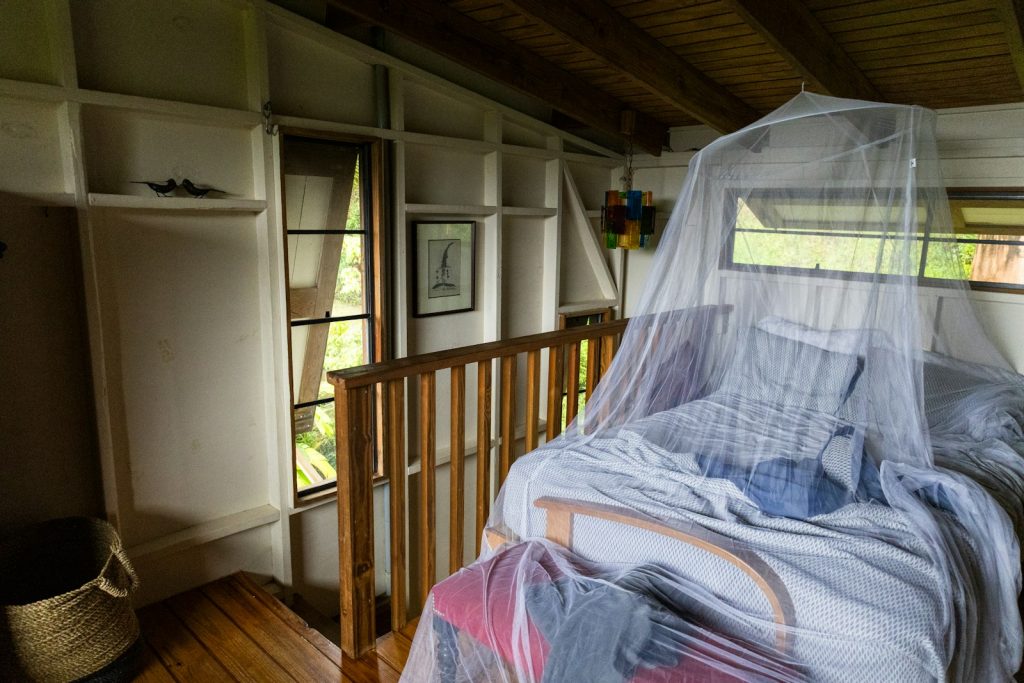
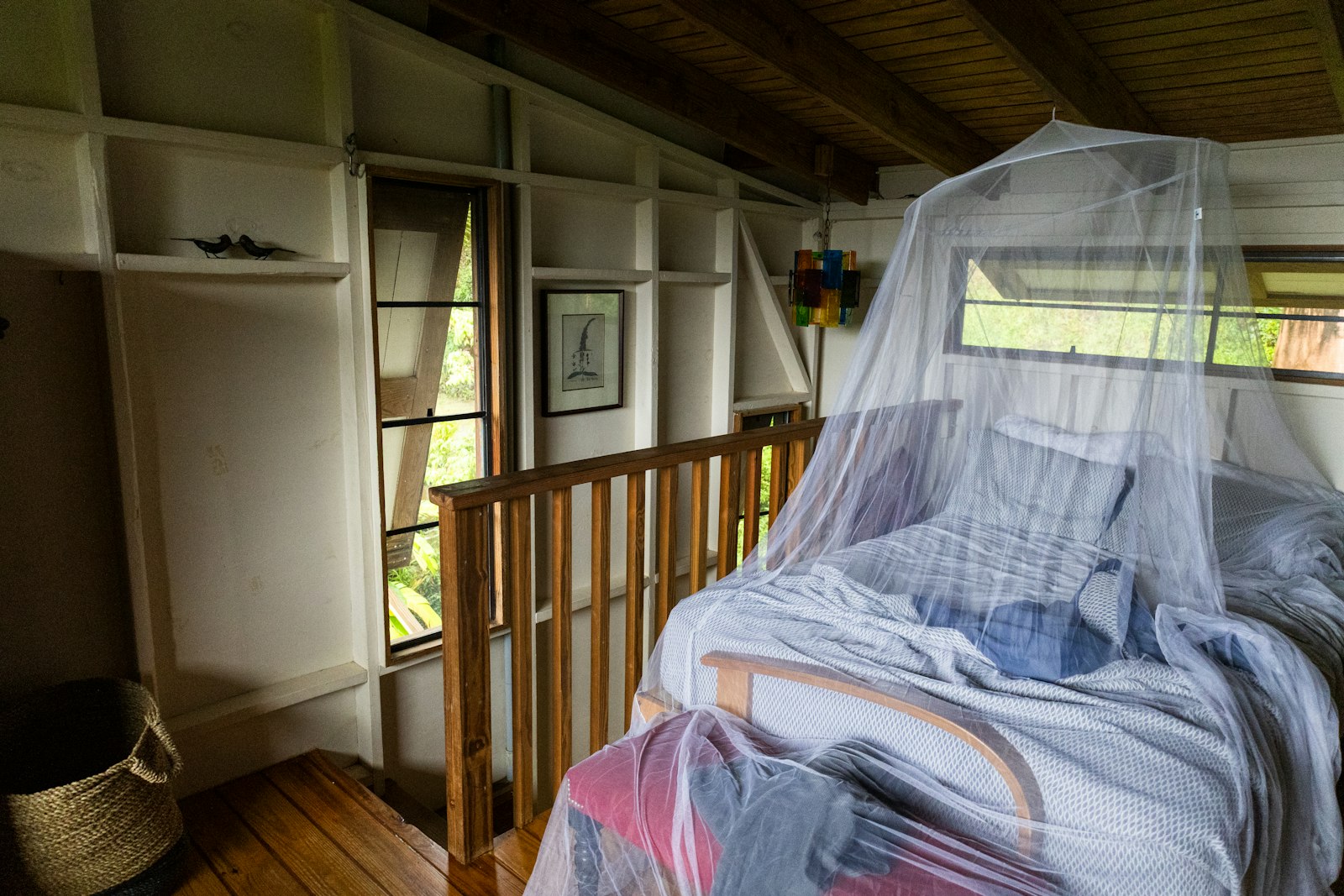
- Sleep under a net: tuck it in, check for holes and keep it closed after you get into bed.
- Treat clothing: permethrin-treated clothes add a useful extra layer of protection.
- Keep tents and rooms closed: zip tent doors and close screens, especially at dusk.
- Use fans and air conditioning where available: moving air makes it harder for mosquitoes to land.
- Apply sun cream first: put repellent on after sun cream, not before.
UK health services summarise this as the ABCD of malaria: Awareness of risk, Bite prevention, Chemoprophylaxis (tablets) and prompt Diagnosis and treatment. It is a simple way to remember your Kenya safari malaria plan. Our African safari packing list includes repellent and suitable clothing, and our guide to why safari clothes are khaki explains which colours attract fewer insects.
What Safari Camps and Lodges Do to Help
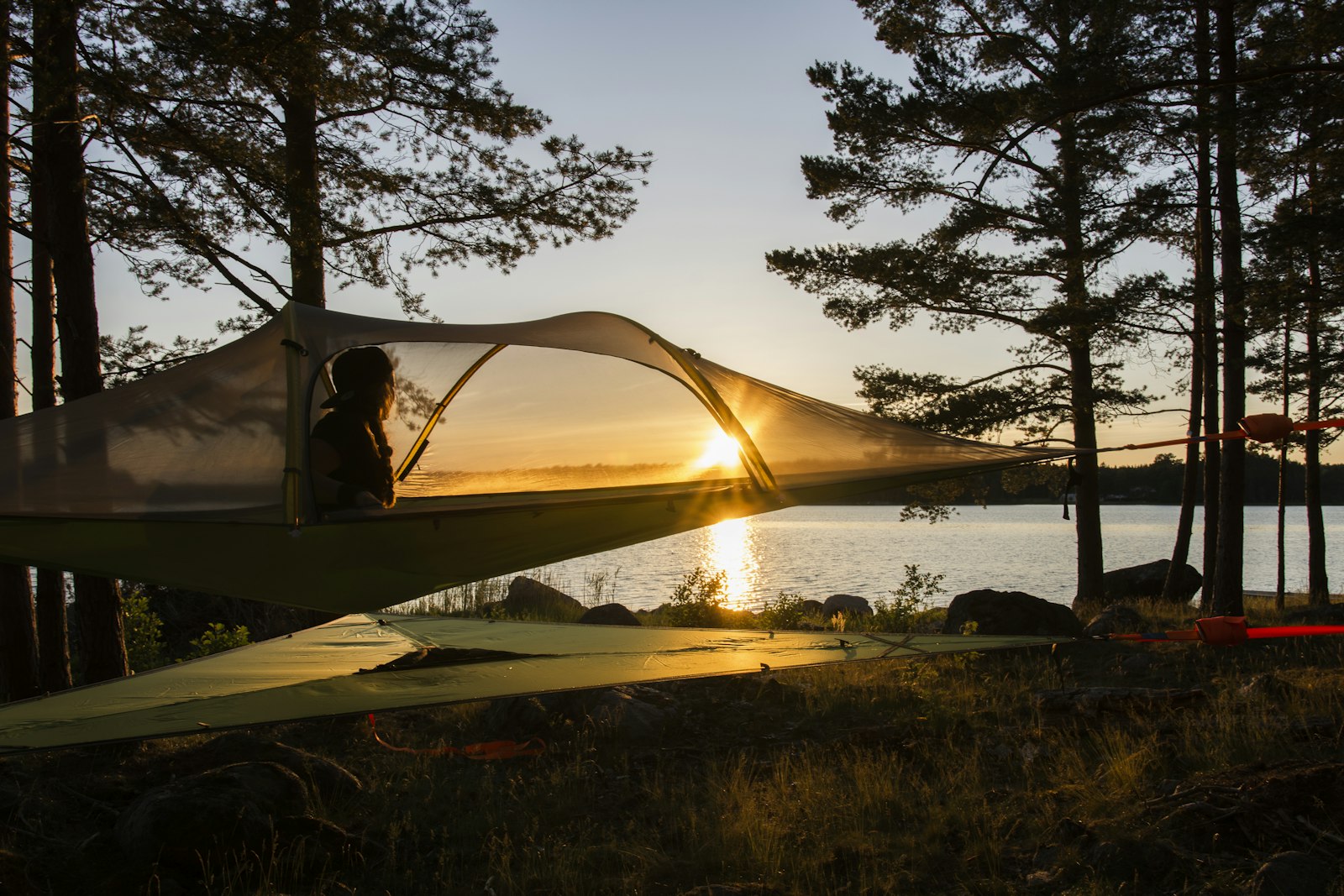
Good camps and lodges in Kenya take mosquitoes seriously, and their routines lower Kenya safari malaria risk further, though they never remove it completely.
- Nets over beds: standard in most camps and many lodges; staff often lower them during turndown.
- Insect screens: tents have mesh windows and doors that zip fully closed.
- Spraying and coils: many camps spray rooms in the evening or provide plug-in repellents.
- Location and design: raised floors and breezy sites away from stagnant water help.
If a net is torn or a zip is broken, tell the camp straight away; good camps treat Kenya safari malaria precautions seriously and will fix or replace it. For more on accommodation types, see tented camp vs lodge.
Does Season or Itinerary Change the Risk?
Yes, the season and your route change the level of Kenya safari malaria risk, but not usually whether tablets are advised.
Wet and dry seasons
Mosquitoes breed in standing water, so numbers are higher during and just after the long rains (late March to May) and the short rains (November). In the dry months from June to October, you will notice fewer mosquitoes, but risk does not disappear, and Kenya safari malaria advice from clinics still usually includes tablets.
Adding the coast or Lake Victoria
The coast is hot, humid and at sea level, which suits mosquitoes. If you add a beach stay, such as our Kenya safari and beach holiday, tell your clinic, because your Kenya safari malaria tablet course must cover every day there.
Nairobi stopovers and layovers
If you only spend a day or a night in Nairobi, risk is low and UK advice does not normally recommend tablets for Nairobi alone. That applies to a short city visit or a 12-hour layover in Nairobi; ask your clinic if your plans include Nairobi National Park at dusk.
📅 Get a Free, No-Obligation Safari Quote
Tell us your dates and interests, and we will send a clear itinerary listing every park and night, ready to share with your travel clinic for Kenya safari malaria advice. ✉ Send Us Your Dates on WhatsApp
Children, Pregnancy and Older Travellers
Some travellers need extra care with Kenya safari malaria planning, and a specialist travel clinic is essential for them.
- Children: malaria can become serious quickly in young children. Child doses are based on weight, and some tablets are not suitable for small children. See our guide to safaris with toddlers and babies and consider a lower-risk itinerary such as our Kenya Family Safari, discussed with your doctor.
- Pregnancy: malaria is more dangerous in pregnancy, and health authorities generally advise pregnant women to avoid malaria areas if possible. Read our guide to a safari while pregnant or with infants and speak to your doctor before booking.
- Older travellers and those on medication: some antimalarials interact with other medicines, so bring a full list to your appointment. Our gentle fly-in safari for seniors keeps transfers short and comfortable.
Malaria Symptoms and What to Do If You Get a Fever
Any fever during or after a Kenya safari should be treated as possible malaria until a test says otherwise.
Early Kenya safari malaria symptoms can feel like flu: fever, chills, headache, muscle aches, tiredness, nausea or diarrhoea. Malaria can become serious within a day or two, so speed matters. The UK guidance notes that malaria can appear up to a year after exposure, although most cases show within the first few weeks.
If you feel unwell on safari
- Tell your guide or camp manager straight away.
- Ask for a rapid malaria test; many clinics near parks and all Nairobi hospitals can do one quickly.
- Contact your travel insurer’s emergency line, and keep receipts.
- Follow the treatment you are given in full, even if you feel better.
If you feel unwell after you get home
See a doctor the same day and say clearly that you have been in Kenya, a malaria area. Ask for a malaria blood test. Do not wait to see if the fever passes. Good travel insurance with medical evacuation cover is essential; note also that most visitors now need Kenya’s mandatory travel health insurance.
Expert tip from our Nairobi team: save your insurer’s emergency number and your policy number in your phone and on paper before you leave home. In remote areas, guides and camps can arrange help quickly, but having the details ready saves valuable time.
Other Insect-Borne Illnesses to Know About
Kenya safari malaria is the main insect-borne concern, but a few others are worth knowing, and the same bite prevention helps with all of them.
- Dengue and chikungunya: spread by day-biting Aedes mosquitoes, especially on the coast, so use repellent in the daytime there too.
- Yellow fever: vaccination is recommended for many travellers and a certificate may be required depending on your route; see our Kenya vaccination requirements guide.
- Tsetse flies: they bite in some wooded areas but sleeping sickness risk to visitors is extremely low; read the truth about tsetse flies.
Check the latest health section of the UK government’s Kenya travel advice or your own country’s advice, as outbreaks can change.
Kenya Safari Malaria Myths
Several Kenya safari malaria myths lead travellers to take unnecessary risks or to worry more than they need to.
- “Tablets give 100% protection”: no antimalarial is fully effective, which is why bite prevention still matters.
- “Garlic, vitamin B or ultrasonic devices keep mosquitoes away”: there is no good evidence that they work.
- “I grew up in Africa, so I am immune”: any partial immunity fades quickly after living abroad, so former residents need protection too.
- “There are no mosquitoes in the dry season”: there are fewer, not none.
- “Malaria means I should not go”: millions of visitors enjoy Kenya safely every year by taking sensible precautions.
Your Kenya Safari Malaria Checklist
Use this simple timeline to get your Kenya safari malaria preparation right.
- When you book: get your full itinerary in writing, with every park and night listed.
- 6–8 weeks before: visit a travel clinic for malaria tablets and vaccines; see the CDC Kenya page or your national service.
- 2–3 weeks before: start mefloquine if prescribed; buy repellent and consider permethrin-treated clothing.
- 1–2 days before: start daily tablets such as atovaquone-proguanil or doxycycline if prescribed.
- On safari: take tablets at the same time each day, use repellent from late afternoon and sleep under a net.
- After you leave: finish the course and see a doctor urgently if you develop a fever.
For other pre-trip tasks, see our Kenya travel guide and first-time visitor’s safari guide. Short trips such as our 3-day Masai Mara safari still need a full tablet course, because protection depends on the days after you leave as well as the days you are there.
Kenya Safari Malaria FAQs
Do I need malaria tablets for a safari in Kenya?
In most cases, yes. The CDC says malaria is present in all areas of Kenya below 2,500 metres, including game parks such as the Masai Mara and Amboseli. Travel clinics usually recommend atovaquone-proguanil, doxycycline, mefloquine or tafenoquine. A doctor should choose the right option for your health and itinerary.
Is there malaria in the Masai Mara?
Yes. The Masai Mara lies between about 1,500 and 2,100 metres, below the 2,500-metre line where malaria is present. Risk is higher in and after the rainy seasons, but it exists all year. Most travel clinics advise antimalarial tablets for the Mara, plus repellent, long sleeves after dusk and sleeping under a net.
Is Nairobi a malaria risk area?
Nairobi is considered low risk. UK fitfortravel guidance does not normally recommend tablets for travellers staying only in Nairobi and its immediate surroundings, although the CDC includes the city within its malaria area. If your trip continues to safari parks or the coast, you will usually need tablets for those parts of the journey.
Which malaria tablets are best for Kenya?
There is no single best tablet. Atovaquone-proguanil is popular for short safaris because it is taken daily and continued for only seven days afterwards. Doxycycline is cheaper but continues for four weeks. Mefloquine is weekly, and tafenoquine needs a G6PD test. Your doctor will recommend the best option for you.
Is there a malaria vaccine for travellers to Kenya?
No. The malaria vaccines in use today are given to young children living in high-transmission parts of Africa and are not licensed for adult travellers. Visitors to Kenya should rely on antimalarial tablets prescribed by a doctor, along with insect repellent, covering up after dusk and sleeping under a mosquito net.
When are mosquitoes worst in Kenya?
Mosquitoes are most numerous during and after the rains, roughly late March to June and November to December. Malaria-carrying mosquitoes bite mainly from dusk to dawn. The dry months from June to October have fewer mosquitoes, but the risk does not disappear, so precautions are still needed throughout the year.
What should I do if I get a fever after my safari?
See a doctor the same day and tell them you have recently been in Kenya, a malaria area. Ask for a malaria blood test. Symptoms usually appear 10–15 days after an infective bite but can appear up to a year later. Malaria can become serious quickly, so never wait for a fever to pass.
🏕 Plan Your Safari With Sense of Adventure
Kenya-based experts. Real local knowledge. Transparent pricing. We will plan a safari with well-run camps, clear itineraries for your clinic and honest Kenya safari malaria advice at every step. 💬 WhatsApp Us — Start Planning Today
Call or WhatsApp: +254 729 837 481
Related Safari Guides
- ›Kenya Vaccination Requirements
- ›Kenya Travel Insurance Guide
- ›Kenya Weather by Month
- ›What Is Included in a Kenya Safari?
- ›Most Dangerous Animals in Africa, Ranked by Real Numbers
Official travel & park resource: Kenya Wildlife Service ↗