The most dangerous animals in Africa, measured by human deaths, are led by the mosquito, which spreads malaria, followed by venomous snakes. Among large animals, hippos and Nile crocodiles are usually ranked deadliest, well ahead of lions. On a guided safari, though, serious incidents involving visitors are very rare.
Sense of Adventure is a TRA-licensed private safari company based at Mountain Mall on Thika Road, Nairobi. Every guest receives a clear safety briefing from guides who read animal behaviour for a living. This guide ranks Africa’s dangerous animals honestly, explains why the numbers are uncertain, and shows the simple habits that keep you safe on safari.
Dangerous animals in Africa: the quick answer
- Deadliest overall: the mosquito, through malaria; WHO reports hundreds of thousands of deaths a year, mostly in Africa.
- Next: venomous snakes, especially in rural farming areas.
- Deadliest large animals: hippos and Nile crocodiles, usually near water.
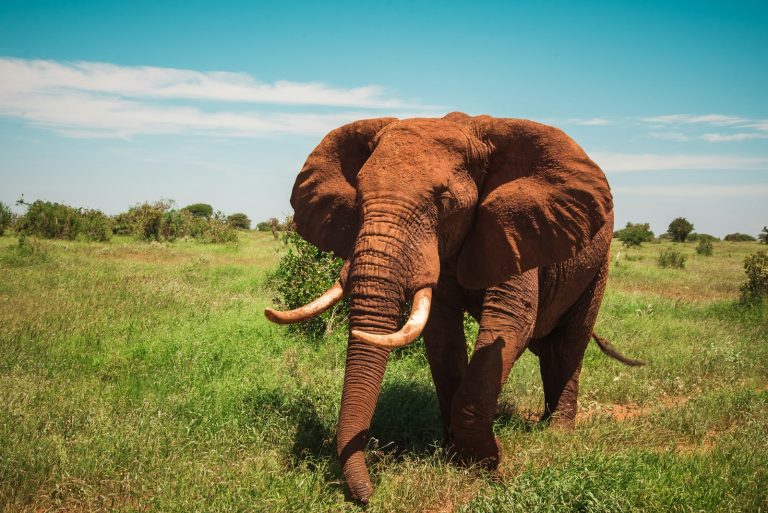
- Big Five: buffalo and elephant cause more incidents than lions or leopards.
- For visitors: prevention against malaria and following your guide matter most.
Nervous about wildlife on your first safari? Ask us anything; our guides will explain exactly how they keep you safe.
Ask our safety questionsWhich Are the Most Dangerous Animals in Africa?
Ranked by human deaths, the most dangerous animals in Africa are small ones: the mosquito first, then venomous snakes.
The World Health Organization reports that malaria kills hundreds of thousands of people each year, and the great majority of those deaths are in Africa, many of them young children. The WHO’s snakebite fact sheet estimates tens of thousands of snakebite deaths worldwide every year, with sub-Saharan Africa among the worst-affected regions.
Large mammals and reptiles follow far behind. Hippos and crocodiles are usually named as the deadliest of the big animals, then buffalo, elephants and lions. Most incidents with dangerous animals happen to people living and working near wildlife, such as fishermen, farmers and herders, rather than to visitors on guided safaris.

Why the Numbers for Dangerous Animals Are Uncertain
Disease figures are well studied, but deaths from large dangerous animals are poorly recorded, so treat any exact figure with caution.
Many attacks happen in remote areas and are never reported centrally. Popular articles repeat round numbers, such as 500 or 3,000 hippo deaths a year, without a clear source. We have not found reliable continent-wide counts for hippos, crocodiles, buffalo or lions. What experts agree on is the order: disease and snakes first, then the large animals that share rivers and farmland with people.
| Rank | Animal | Main risk | Risk to safari visitors |
|---|---|---|---|
| 1 | Mosquito | Malaria and other diseases | Real; prevent with medication and bite avoidance |
| 2 | Venomous snakes | Bites, mainly in rural areas | Very low with simple precautions |
| 3 | Hippo | Attacks near water | Low with a guide and boat rules |
| 4 | Nile crocodile | Attacks at river edges | Very low; never approach the water’s edge |
| 5 | Cape buffalo | Charges, often by lone bulls | Low; most relevant on walks |
| 6 | Elephant | Charges, often in farm conflict | Low; guides read warning signs |
| 7 | Lion | Attacks, mostly on livestock herders | Very low; stay in the vehicle |
The Mosquito: Africa’s Deadliest Animal
The mosquito is by far the deadliest of Africa’s dangerous animals, and it is the one visitors should take most seriously.
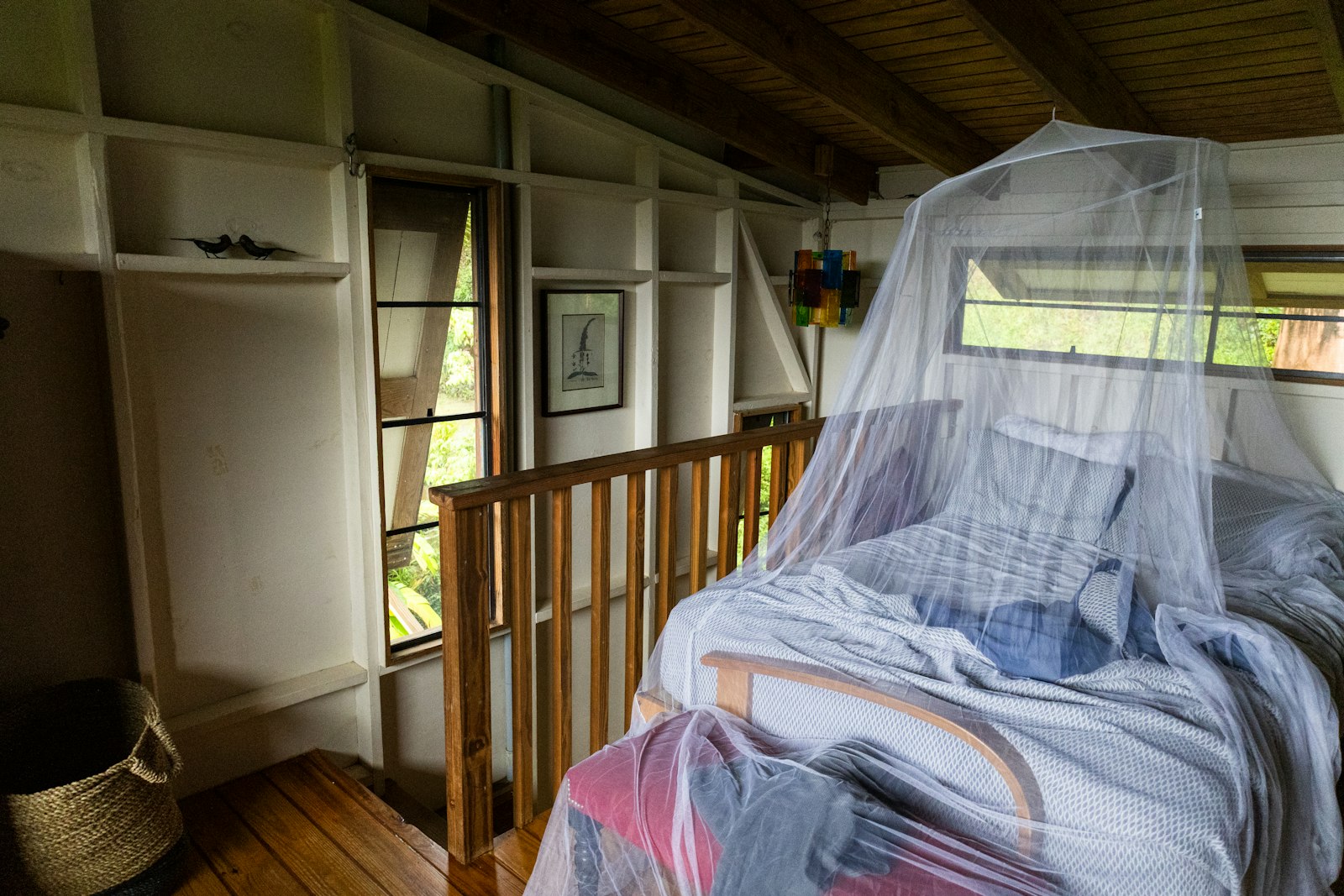
Female Anopheles mosquitoes spread malaria, mainly between dusk and dawn. Much of Kenya’s safari country, including the Masai Mara and the coast, carries a malaria risk, while Nairobi and high-altitude areas have lower risk. Take advice from a travel health clinic, use the antimalarial they recommend, wear long sleeves in the evening, use repellent and sleep under a net where provided. Our malaria and Kenya safari guide explains more.
Snakes, Hippos and Crocodiles
Snakes, hippos and crocodiles cause most serious incidents involving people in Africa, but all three are easy to avoid on safari.
Venomous Snakes: The Hidden Dangerous Animals
The puff adder is often cited as responsible for more serious bites than any other African snake, because it is common, well camouflaged and slow to move away. Black mambas, cobras and other species are also venomous. Bites mostly affect people working barefoot in fields. On safari, closed shoes, a torch at night and watching where you step reduce the risk to almost nothing. See our snakes of Kenya guide and our article on Africa’s biggest snake.
Hippos: Dangerous Animals Near Water
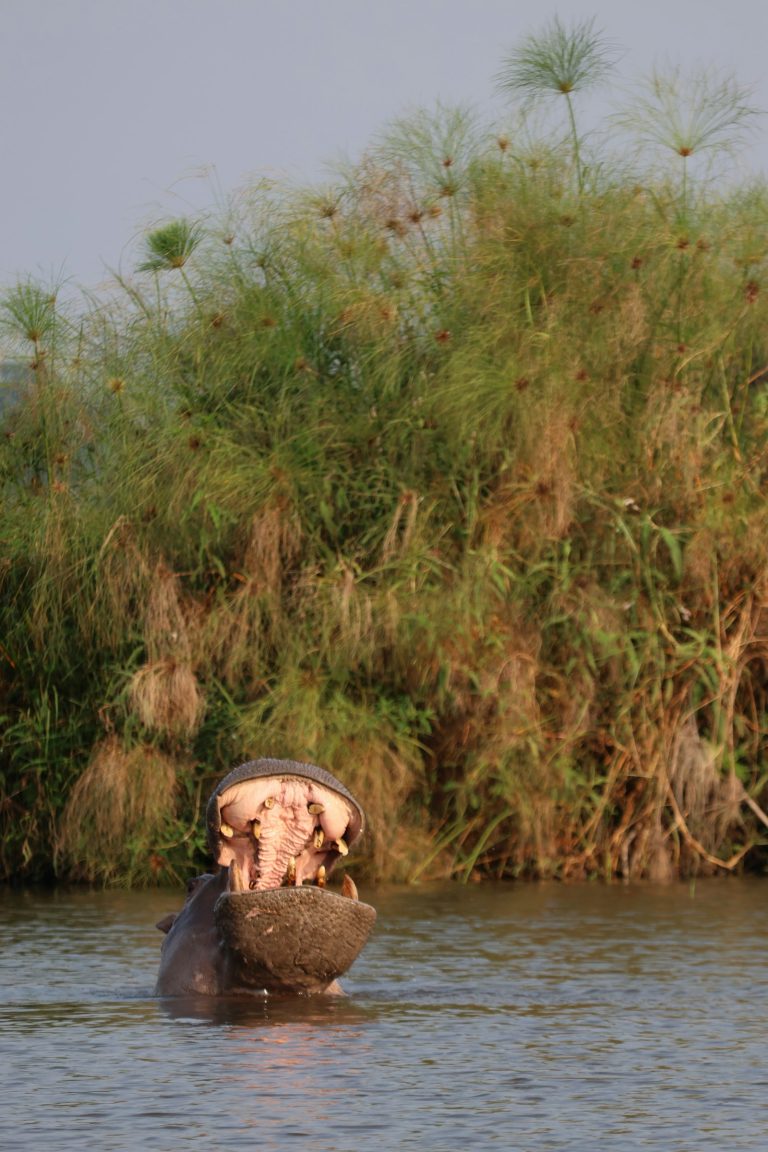
Hippos are highly territorial in water and leave rivers and lakes at night to graze. Most incidents happen when people come between a hippo and the water, or when small boats surprise them. Guides keep vehicles back from riverbanks, boat operators keep a respectful distance, and camps escort you at night. Read our hippo behaviour in Kenya guide.
Nile Crocodiles
Nile crocodiles are ambush hunters that wait at the water’s edge. They take people fetching water or fishing, and they are the reason Mara River crossings are so dramatic. On safari you watch them from the vehicle or a safe viewpoint, never from the bank. Our Nile crocodile behaviour guide explains how they hunt.

Vehicle, boat or walking safari?
Tell us your comfort level and who is travelling. We will suggest the right mix of game drives, boat trips and guided walks, with experienced guides for each.
The Big Five as Dangerous Animals
The Big Five got their name from hunters, who found them the most dangerous animals to pursue on foot, but on a vehicle safari they are a joy to watch.
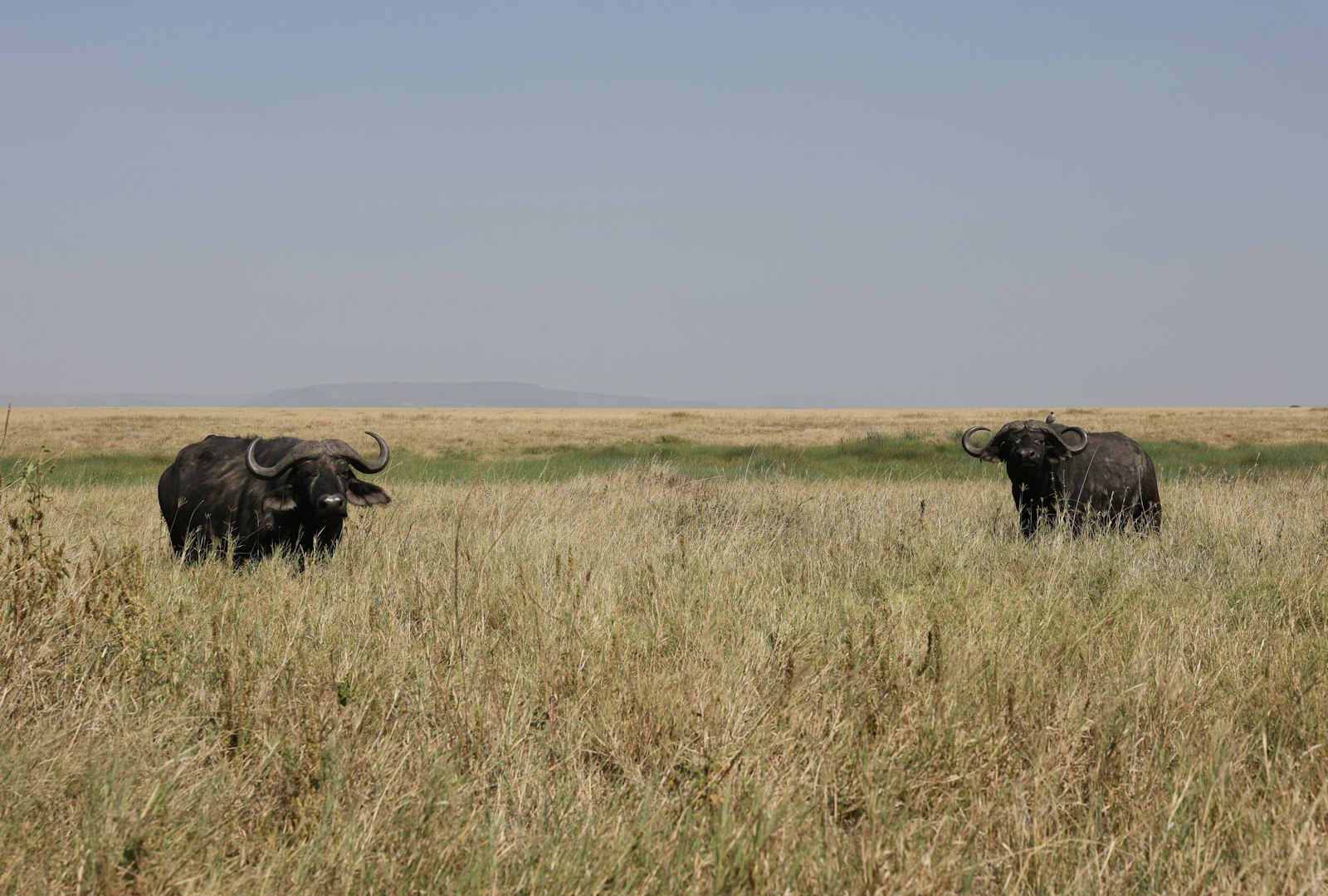
- Cape buffalo: lone old bulls can be bad-tempered and charge when surprised, which matters most on walks.
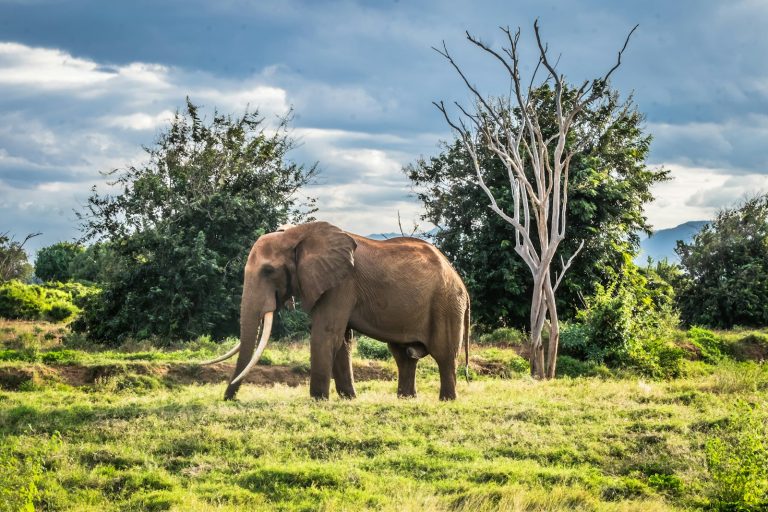
- Elephant: usually calm, but mothers protect calves and bulls in musth can be aggressive; conflict often happens on farms.
- Lion: attacks on people are rare and mostly involve herders; lions generally ignore safari vehicles.
- Leopard: shy and secretive; incidents with visitors are extremely rare.
- Rhino: black rhinos can charge if startled, so guides keep a careful distance.
Our guide to why it is called the Big Five explains the hunting origin, and our honest article on whether lions attack safari vehicles answers the most common worry.
Smaller Dangerous Animals and Everyday Nuisances
Some of the dangerous animals you are most likely to meet are small, and a few simple habits deal with all of them.
- Tsetse flies: painful biters in some bushy areas, attracted to dark blue and black clothing. Sleeping sickness is very rare in Kenya. Read our tsetse fly guide.
- Scorpions and spiders: rarely seen; shake out shoes and clothes left on the floor.
- Safari ants: marching columns bite hard; step over them quickly and tuck trousers into socks on walks.
- Baboons and monkeys: not usually dangerous, but bold at picnic sites and camps; never feed them or leave bags open.
- Ticks: check yourself after bush walks, especially behind the knees and around the waist.
None of these dangerous animals should put you off a safari. Your guide and camp staff deal with them every day, and good clothing, repellent and a quick check of your shoes handle almost everything else. The bigger lesson is the same as with lions and hippos: respect, distance and local knowledge keep you safe.
How Guides Keep You Safe on Safari
Professional guides, sensible rules and a little common sense make a Kenyan safari among dangerous animals very safe.
- Stay in the vehicle: animals see a vehicle as one large object, not as people.
- Keep voices low: sudden noise or movement can unsettle animals.
- Follow walking rules: walk in single file behind the armed guide and never run.
- Use night escorts: in unfenced camps, staff walk you to and from your tent.
- Respect water: never swim in rivers or lakes, and keep back from the banks.
Expert tip from our Nairobi team
The most important safety step happens before you fly. Book a travel health appointment several weeks ahead, take antimalarials exactly as prescribed, and buy travel insurance that includes medical evacuation. Once you are on safari, the dangerous animals are the easy part; your guide handles them.
Read our walking safari safety guide, our answers on whether it is safe to sleep in a tent on safari, our Kenya travel insurance guide and the UK government’s Kenya travel advice. For health advice by country, see TravelHealthPro.
What to Pack to Stay Safe Around Dangerous Animals
A few well-chosen items do more for your safety than any amount of worry. Most of them are cheap, light and easy to find before you fly.
- Insect repellent: one containing DEET or picaridin, applied at dusk and again before bed.
- Long sleeves and trousers: light, neutral colours such as khaki, olive or beige; avoid dark blue and black in tsetse areas.
- Closed shoes: trainers or light boots for camp paths and walks, never sandals after dark.
- A small torch or head torch: for the walk to dinner and back with your escort.
- Binoculars: they let you enjoy dangerous animals in close detail from a respectful distance.
- Personal medicines: your antimalarials, any prescription drugs and a basic first-aid kit, packed in hand luggage.
Finally, save your guide’s and your camp’s phone numbers, and keep your travel insurance details somewhere easy to reach, both on paper and on your phone.
Dangerous Animals and Children on Safari
Children usually love a safari, and the same rules that protect adults protect them. Explain before each drive that everyone stays seated, keeps arms inside and talks quietly near animals. Many camps and lodges set minimum ages for walking safaris, boat trips and some unfenced tented camps, so check this when you book rather than on arrival. A private vehicle helps too, because your guide can stop, wait or move on to suit restless young travellers.
First-time visitors are often surprised by how calm game drives feel. Animals in Kenya’s parks are used to vehicles, and your guide reads their body language long before anything changes: ears spread, a head held high or a sudden stillness. If your guide decides to move away, it is a sign of good judgement, not danger. Ask questions freely; good guides enjoy explaining what they see.
Where to See Dangerous Animals Safely in Kenya
Kenya’s parks let you watch all of these dangerous animals from a safe distance with an expert guide, which is what makes a safari so thrilling.
| Animal | Best places in Kenya | How you see it |
|---|---|---|
| Hippo | Lake Naivasha, Mara River, Mzima Springs in Tsavo West | Boat trips with operators, viewpoints |
| Nile crocodile | Mara River, Lake Baringo, Tana River | From the vehicle at crossing points |
| Buffalo | Masai Mara, Aberdares, Lake Nakuru | Game drives |
| Elephant | Amboseli, Tsavo, Samburu | Game drives |
| Lion | Masai Mara, Nairobi National Park, Laikipia | Game drives and conservancy night drives |
We build these into a private Kenya safari or luxury Kenya safari, often centred on our Masai Mara safari packages. For river wildlife, read about Mara River hippos and crocodiles. Park costs are in our Kenya national parks entrance fees 2026 guide.
Get a safe, written safari plan
Send your dates and we will reply with a written quote, a day-by-day plan and our pre-trip safety and health checklist.
Dangerous Animals in Africa FAQs
What is the most dangerous animal in Africa?
The mosquito is the most dangerous animal in Africa because it spreads malaria. The World Health Organization reports hundreds of thousands of malaria deaths each year, most of them in Africa. Visitors can protect themselves with antimalarial medication, repellent, long sleeves in the evening and sleeping under a mosquito net.
Is the hippo the deadliest large animal in Africa?
Hippos are usually ranked the deadliest large mammal in Africa, often alongside the Nile crocodile. Exact figures are uncertain, because many incidents in remote areas go unreported, and numbers quoted online vary widely. Most attacks happen near water when people come between a hippo and its river or lake.
Are safaris in Kenya dangerous?
Guided safaris in Kenya are very safe. Professional guides keep a safe distance from wildlife, you stay inside the vehicle on game drives, and camps escort you after dark. Serious incidents involving visitors are rare. The biggest health risk is malaria, which you can manage with medical advice before travel.
What is the deadliest snake in Africa?
The puff adder is often cited as causing the most serious snakebites in Africa because it is common, well camouflaged and slow to move. Black mambas and cobras are also highly venomous. Most bites happen in rural farming areas. On safari, closed shoes, a torch at night and care where you step keep the risk very low.
Which of the Big Five is the most dangerous?
Guides and hunters often name the Cape buffalo, especially lone older bulls, because they can charge when surprised. Elephants also cause many incidents, mainly in conflict with farmers. Lions and leopards rarely harm people. On a vehicle safari, all five are safe to watch with an experienced guide.
Do lions attack people on safari?
Attacks on safari visitors are extremely rare. Lions generally treat a vehicle as one large object and ignore the people inside, as long as you stay seated, keep arms inside and avoid sudden noise. Most lion attacks on people involve herders protecting livestock in areas around parks.
Is it safe to swim in lakes and rivers in Kenya?
No, it is best not to. Hippos and Nile crocodiles live in many Kenyan lakes and rivers, and some fresh water carries bilharzia, a parasitic disease. Swim only in lodge pools or at the coast, and keep a sensible distance from riverbanks and lake shores, especially at dusk and after dark.
What should I do if a dangerous animal comes close to the vehicle?
Stay seated, keep still and stay quiet. Keep arms, cameras and heads inside the vehicle and let your guide decide whether to wait or move away. Animals usually lose interest quickly when nothing changes. Never stand up suddenly, shout or try to attract an animal’s attention for a photograph.
Are night game drives safe?
Yes, when they are run by a camp or conservancy with an experienced guide and spotter. Night drives are generally not permitted inside Kenya’s national parks and reserves, but many private conservancies offer them. You stay in the vehicle throughout, and the guide keeps a respectful distance from dangerous animals.
Respect the wild, enjoy every moment
Travel with guides who know these animals intimately and brief you honestly from day one. Sense of Adventure is a TRA-licensed private safari company in Nairobi.
Kenya-based experts. Real local knowledge. Transparent pricing.