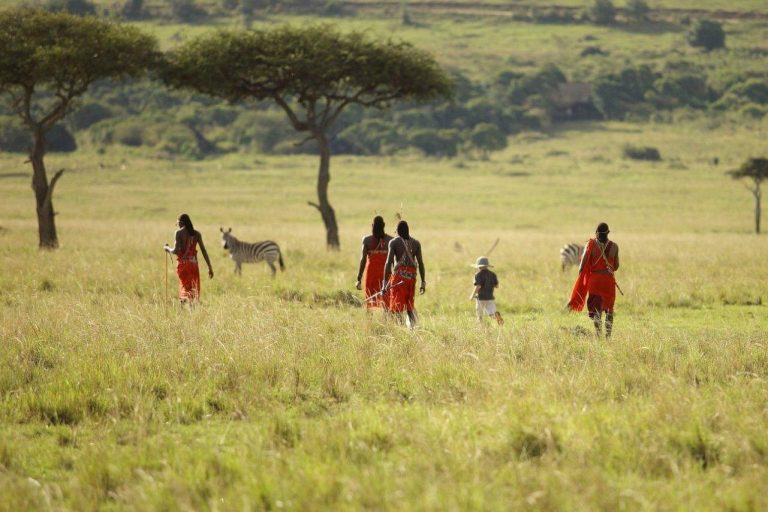

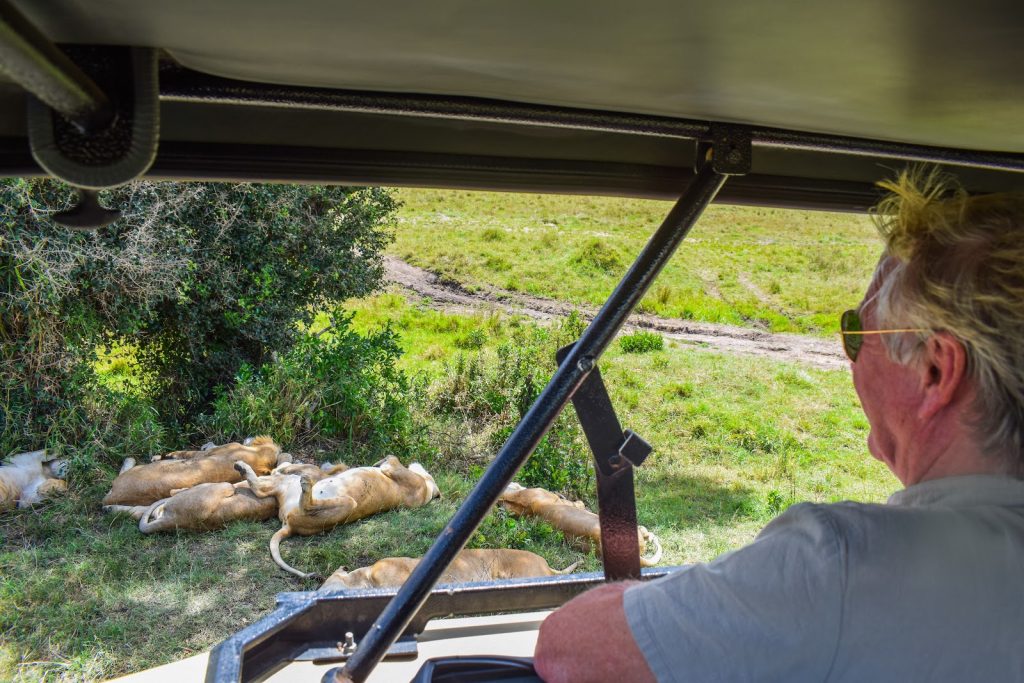
This Kenya safari guide for first-time visitors exists because nobody should have to build a life-list trip out of eleven browser tabs and a WhatsApp group full of conflicting advice. Kenya rewards preparation more than almost any other safari destination — the right number of days, the right two or three parks, the right paperwork sorted before you leave the house — and then becomes wonderfully easy once you land, because every remaining detail is handled by people who do this daily. Picture your first sunrise over the Mara: engine off, coffee still warm, a lion pride stretching awake fifty metres from the vehicle. Sense of Adventure built this guide as the single starting point for exactly that first trip, linking out to nine companion guides covering every practical question below.
Let Us Build Your First Kenya Safari
Tell us your travel dates and interests on WhatsApp — we will turn this guide into a real, bookable itinerary.
What a First Kenya Safari Actually Involves
Every first Kenya safari has the same three moving parts: entry paperwork, trip length, and park selection. Entry means an Electronic Travel Authorisation (eTA) — USD 30, roughly three working days to process, valid 90 days from issue — plus a passport with at least six months of validity remaining. Trip length is where most first-timers get it wrong: 5-10 days is the realistic sweet spot, long enough for two or three parks without the compression that ruins a rushed itinerary. Park selection almost always starts with the Masai Mara, then adds either Amboseli (elephants with Kilimanjaro as backdrop) or Lake Nakuru/Naivasha (flamingos, rhino, an easy Nairobi day-trip distance) to round out a genuinely varied first week. Budget is the fourth quiet variable behind all of this: a mid-range guided safari for two typically runs from a few hundred to over a thousand US dollars per person per day depending on camp category, and that figure drives which combination of parks, camps and transfer methods actually makes sense before you fall in love with an itinerary you can’t yet afford.
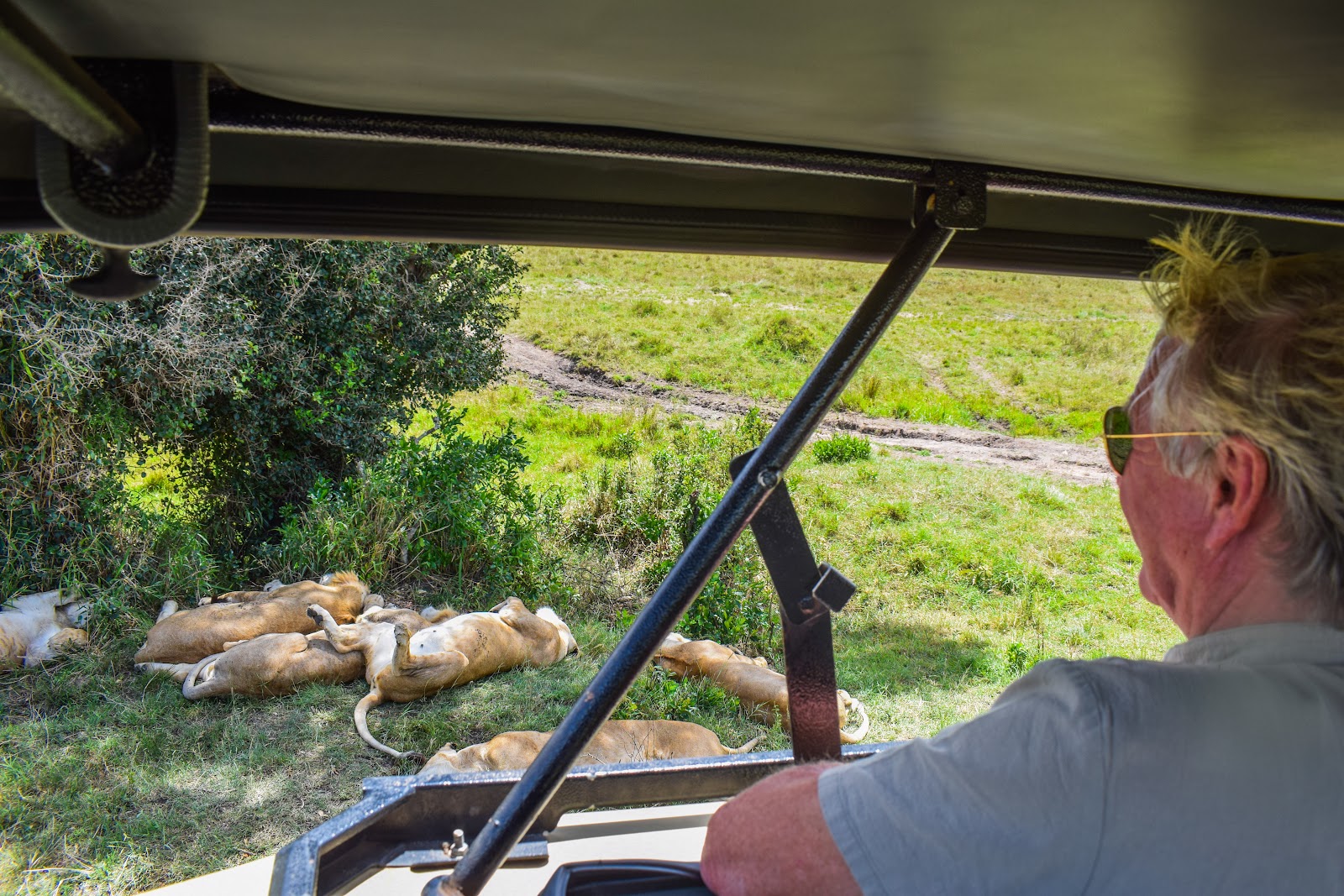
I had eleven tabs open comparing safari companies and honestly felt more confused after each one. One WhatsApp message to Sense of Adventure and someone was actually asking about MY dates and MY budget instead of just pushing a fixed package. That was the moment it stopped feeling overwhelming.
— Sense of Adventure guest, first Kenya safari
The 6 Things Every First-Time Kenya Safari Should Get Right
Entry Paperwork First — eTA and passport, sorted a week out
Apply for your Kenya eTA online at least a week before departure — it costs USD 30, typically clears in about three working days, and stays valid for 90 days from issue. Your passport needs a minimum of six months’ validity and at least one blank page. Travellers arriving from a yellow fever-endemic country within the prior six days also need a vaccination certificate. Our dedicated Kenya visa requirements guide and vaccination requirements guide cover both in full.
The Right Number of Days — 5-10 days beats a rushed week
Anything under five days compresses badly — you spend more time driving between parks than watching wildlife in them. Most first-timers are happiest at 7-10 days: enough for two or three parks, a couple of full days in each, and no 4am wake-ups just to make a transfer. Our how-many-days guide breaks this down by itinerary length.
Two or Three Parks, Not Six — depth over a park-collecting itinerary
The temptation to fit in every famous name — Mara, Amboseli, Tsavo, Nakuru, Samburu — in one trip is the single most common planning mistake we see. Picking two, at most three, complementary parks (Mara for volume and predators, Amboseli for elephants and Kilimanjaro, Nakuru for an easy add-on) delivers a far richer experience than a park-a-day sprint ever does.
Guided Beats Self-Drive for a First Trip — local knowledge you cannot buy at a rental counter
Kenya does allow self-drive safaris in several parks, but a professional guide’s radio network of fellow drivers sharing live sightings is the single biggest factor in finding predators — something no first-time visitor can replicate alone. See our full self-drive vs guided safari comparison before deciding.
Pack and Prepare Properly — a checklist beats a packing list alone
A packing list tells you what to put in your bag; a proper pre-trip checklist covers the admin around it — insurance bought, balances paid, lodges reconfirmed, cash sorted. Run through our Kenya safari checklist and packing list together, ideally a month out, not the night before you fly.
Learn the Unwritten Rules — game-drive etiquette nobody explains upfront
Quiet voices, staying seated unless your guide says otherwise, no flash photography at night, no calling out to animals — small things, but they shape whether a game drive feels calm and respectful or chaotic. Our Kenya safari etiquette guide covers every one of them before you’re in the vehicle wondering what’s allowed.
Book Ahead for Peak Season — July-October books out months in advance
If seeing the Great Migration’s river crossings is a priority, the July-to-October window in the Masai Mara fills the best camps months ahead of time. First-timers who leave booking until a few weeks out often find their preferred lodges already full and end up compromising on location rather than timing — decide your season early, then book, not the other way round.
From Guide to Itinerary in One Message
Send us your travel dates on WhatsApp and we will map the right parks, days and camps around them.
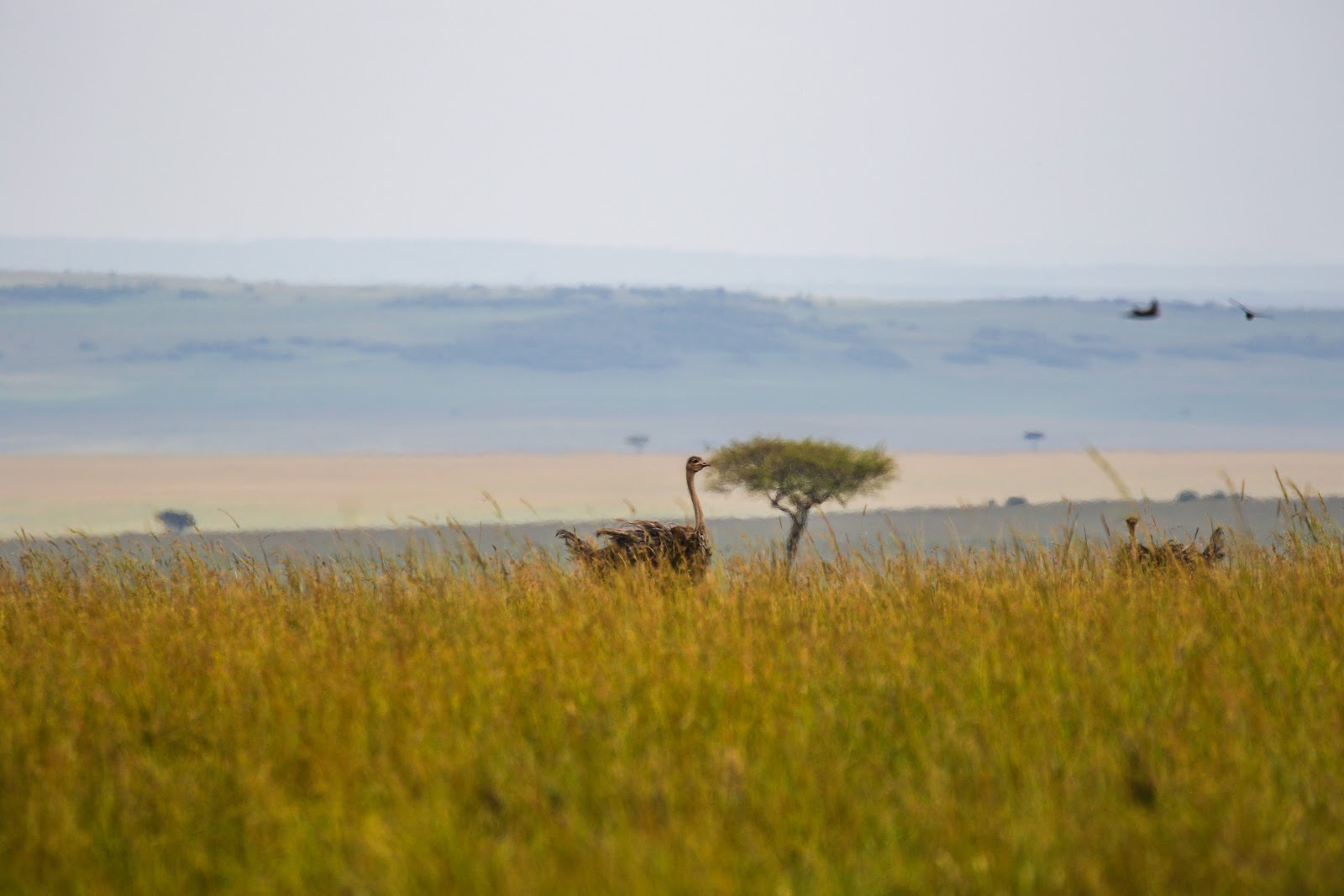
Kenya Safari Basics at a Glance
- Entry: a Kenya eTA (USD 30, roughly 3 working days to process) is required for almost all visitors, valid 90 days from issue.
- Duration: most first-time visitors are happiest with 7-10 days, enough for 2-3 parks without feeling rushed.
- Classic first combination: Masai Mara paired with Amboseli or Lake Nakuru covers the Big Five plus Kilimanjaro views or flamingos.
- Passport rule: a minimum of 6 months’ validity beyond your arrival date, with at least one blank page.
- Health: a yellow fever certificate is only required if arriving from an endemic country within the prior 6 days.
- This series: nine companion guides below cover checklist, packing, seniors, etiquette, mistakes, insurance, visa, vaccination and self-drive vs guided in full detail.
The Rest of the Kenya Safari Basics Series
This guide is the starting point for a series covering every practical question a first-time visitor asks us: how many days you actually need, a pre-trip checklist alongside our existing packing list, planning a safari for older travellers, the unwritten etiquette rules, the mistakes first-timers keep making, what real safari travel insurance should cover, the eTA process explained step by step, vaccination requirements, and whether to self-drive or book a guide. Read alongside our existing Kenya safari cost breakdown for the full planning picture.
Ready When You Are
One message on WhatsApp is all it takes to turn this guide into your actual Kenya safari.
Frequently Asked Questions
How many days do I need for my first Kenya safari?
Most first-time visitors are best served by 7-10 days, enough to properly cover two or three parks such as the Masai Mara plus Amboseli or Lake Nakuru without the rushed feeling that comes from cramming in more destinations than the days allow.
Do I need a visa to visit Kenya?
Most visitors need a Kenya eTA rather than a traditional visa — apply online for USD 30 about a week before travel, valid for 90 days from issue. East African Community citizens and most African nationalities are exempt for shorter stays.
What is the best first-time Kenya safari combination?
The classic first-timer combination pairs the Masai Mara for predator density and the Great Migration with either Amboseli for elephants and Kilimanjaro views, or Lake Nakuru/Naivasha for rhino, flamingos and an easy add-on distance from Nairobi.
Should I book a guided safari for my first trip?
Yes — a guided Kenya safari gives first-time visitors access to a live driver-guide radio network sharing sightings park-wide, professional handling of park fees and vehicle issues, and local knowledge that self-drive simply cannot match on a first visit.
What is the biggest mistake first-time Kenya safari visitors make?
The most common mistake is trying to visit too many parks in too few days. Picking two or three complementary parks and spending real time in each consistently produces a better trip than a rushed park-a-day itinerary chasing every famous name.