
This Kenya Travel Guide covers the practical side of travelling to Kenya: visas, currency, health requirements, tipping, connectivity and safety, all of which are straightforward once you have the right information. Most of the anxiety first-time visitors feel comes from uncertainty, not from genuine complexity.
Kenya’s tourism infrastructure is among the most developed in sub-Saharan Africa: English is widely spoken, the eTA system is simple, mobile money makes small payments easy, and Nairobi’s Jomo Kenyatta International Airport handles millions of international passengers a year. This Kenya Travel Guide answers the practical questions that Sense of Adventure’s guests ask before departure, in the order they most often ask them.
✅ Kenya Travel Guide: The Quick Answer
- Entry: most visitors need a Kenya eTA from etakenya.go.ke, applied for before you fly.
- Insurance: from 5 October 2026 most visitors also buy Kenya’s mandatory travel health insurance (USD 44) during the eTA application.
- Health: malaria prevention is recommended for safari areas; yellow fever proof may be checked if you arrive from a risk country.
- Money: the Kenyan shilling (KES) is the currency; US dollars are widely accepted on safari, and cards work at most lodges.
- Power and time: UK-style three-pin plugs (Type G), 240 volts, and East Africa Time (GMT+3) all year.
- Best time: June to October and January to February for dry weather and the best game viewing.
Planning your first Kenya trip?
Ask our Nairobi team anything about entry rules, health or money before you book.

Kenya Travel Guide: Kenya Visa — The eTA (Electronic Travel Authorisation)
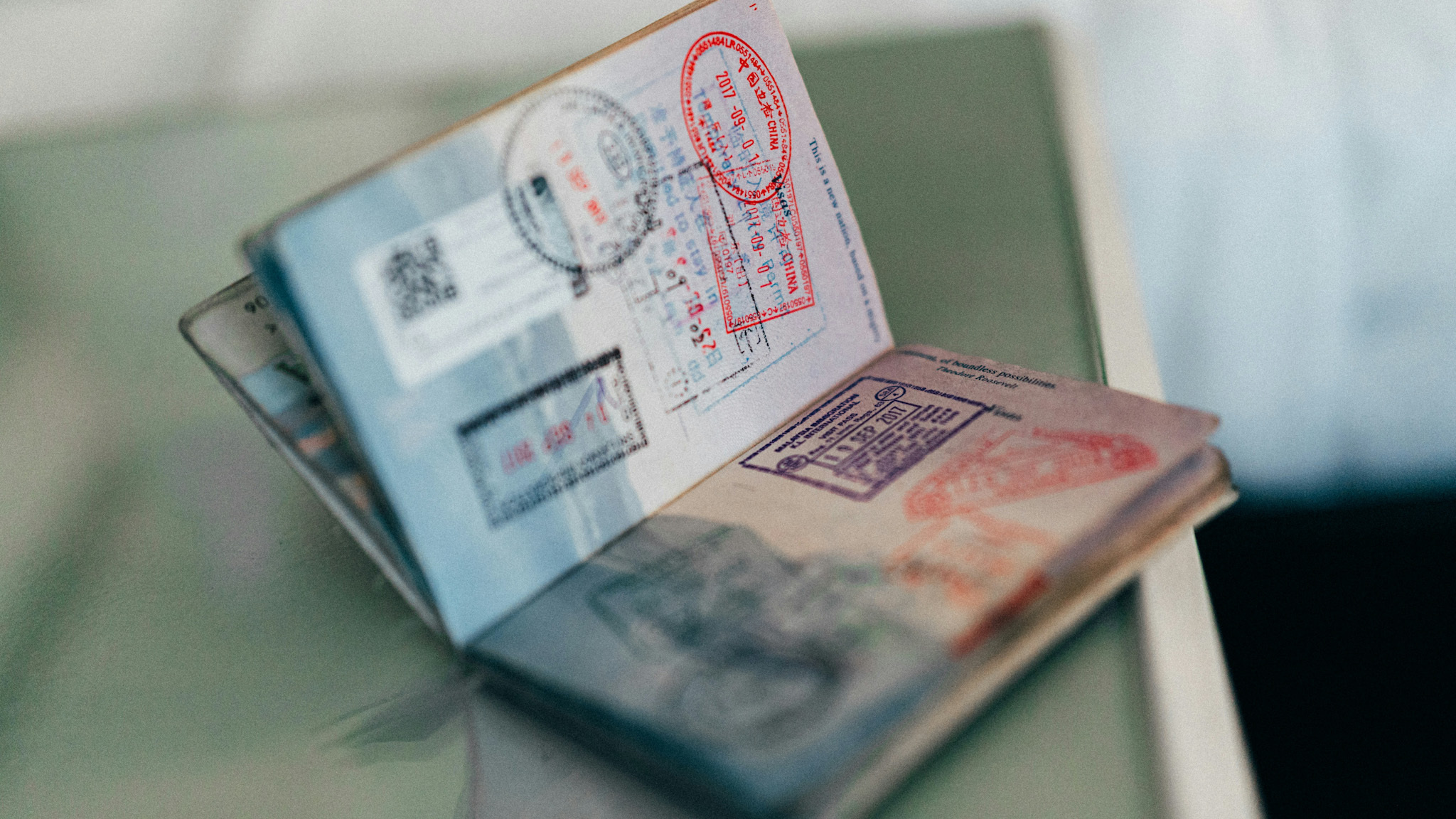
The first rule in any Kenya Travel Guide is to sort your entry early. Kenya replaced the traditional e-visa with the Electronic Travel Authorisation (eTA) in 2024. You apply on the official Kenya eTA website (etakenya.go.ke), and you need a passport valid for at least six months beyond your departure date, a recent passport-style photograph, your travel itinerary and proof of accommodation.
The eTA fee is from USD 30 per person, depending on the application type. Processing typically takes one to three working days, so apply at least one week before departure. Sense of Adventure sends the exact eTA link, the required paperwork and step-by-step instructions to all guests at booking confirmation.
From 5 October 2026, most visitors must also buy Kenya’s mandatory travel health insurance during the eTA application, at USD 44 per traveller, with a separate policy for each child. A home policy cannot be uploaded or used instead, so keep your own travel insurance as well for evacuation, cancellation and wider cover.
Kenya Travel Guide checklist for your paperwork
- Passport valid for six months beyond departure, with at least one blank page.
- Printed or saved copy of your approved eTA.
- Proof of the mandatory travel health insurance and your own travel insurance.
- Yellow fever certificate if you are arriving from, or transiting through, a risk country.
- Return or onward flight details and your safari confirmation.
Kenya Travel Guide: Health Requirements
Health preparation is the part of this Kenya Travel Guide to start earliest, ideally six to eight weeks before you fly.
Yellow fever vaccination: required for travellers arriving from yellow fever risk countries (much of sub-Saharan Africa and parts of South America). If you are routing through Uganda, Rwanda or Tanzania to Kenya, your yellow fever certificate may be checked. Have it with you. Get the International Certificate of Vaccination at your local travel clinic.
Malaria prevention: strongly recommended for most safari areas. Your doctor or travel clinic will recommend the right antimalarial tablets for your health and itinerary, and tell you when to start taking them before arrival. Combine tablets with repellent, long sleeves at dusk and a mosquito net where provided.
Other vaccinations to consider: hepatitis A and B, typhoid, and routine vaccinations such as tetanus. Sense of Adventure provides a full health checklist; consult a travel health clinic for personal advice.
Travel insurance: essential, and it must include medical evacuation cover. Air evacuation from a remote park to Nairobi is expensive if you are not covered. Many of our packages include complimentary AMREF emergency evacuation cover within Kenya as extra protection.
This Kenya Travel Guide is not medical advice. For up-to-date health advice, check your own government’s guidance, such as the UK travel advice for Kenya, which links to the latest health information, and speak to a travel clinic six to eight weeks before you fly.
Currency and Money in Kenya
Money is simpler than most Kenya Travel Guide readers expect. The Kenyan shilling (KES) is the official currency. US dollars are widely accepted at camps, lodges and tourist businesses, and most safari operators in Kenya price in USD. ATMs are common in Nairobi and in Mombasa and Diani, but not at safari camps, so carry enough cash before leaving Nairobi.
Most quality safari camps accept Visa and Mastercard for the camp bill; bring cash for tips and small purchases. Bring clean US dollar notes printed in recent years, as older or damaged notes are often refused. M-Pesa, Kenya’s mobile money system, is used for small payments and is available to visitors with a local SIM card.
Tipping in Kenya Safari Camps
| Person | Suggested Tip (per person per day) | How to Pay |
|---|---|---|
| Safari guide | USD 20–30 | Cash direct to guide on departure |
| Camp staff (collective) | USD 10–15 | Tip box at camp reception |
| Airport/Nairobi driver | USD 5–10 per trip | Cash direct |
This Kenya Travel Guide table is only a guide: tipping is customary but always discretionary. Many guests put the guide’s tip in an envelope on the last day. If service was exceptional, it is fine to give a little more; if something went wrong, tell us so we can put it right.
Connectivity, SIM Cards and Internet in Kenya
Staying connected is easy in this Kenya Travel Guide’s main destinations. Nairobi has excellent 4G coverage, and the suburbs and airport have strong data connections. In the safari parks, coverage varies. Most Masai Mara camps have Wi-Fi, often satellite-based and slower than in cities. Some remote camps in Laikipia and northern Kenya have no Wi-Fi; we advise you on connectivity for each camp.
A local SIM card from Safaricom, Kenya’s largest network, is cheap and data bundles are affordable. You can buy one at the airport or in Nairobi shopping centres; bring your passport, as SIM registration is required. Many newer phones also support an eSIM.
Want a personal pre-departure briefing?
Every Sense of Adventure guest receives a briefing for their own itinerary: entry rules, health, packing, arrival and tipping. Tell us your dates to start.
Send My Pre-Departure PackWhen to Visit Kenya: Seasons at a Glance
Kenya is a year-round destination, but the weather shapes your trip. This Kenya Travel Guide uses the two rainy seasons as the main dividing lines:
- January to February: warm and mostly dry, excellent game viewing and good value.
- March to May: the long rains; green landscapes, lower prices and some muddy roads.
- June to October: the main dry season and peak safari time, with the Great Migration in the Masai Mara from about July to October.
- November to mid-December: the short rains, usually short afternoon showers, with lush scenery and fewer visitors.
For the coast, this Kenya Travel Guide has one rule: it is hot and humid most of the year, and best from December to March and July to October. For park-by-park timing, see our Kenya national parks guide.
Getting Around Kenya
In this Kenya Travel Guide, most routes start in Nairobi. Road safaris use 4×4 Land Cruisers with pop-up roofs and a driver-guide, and drives between parks take three to six hours. Scheduled light-aircraft flights from Wilson Airport in Nairobi reach the Masai Mara, Samburu, Laikipia and the coast in about an hour, with soft-bag luggage limits of around 15 kg.
The Madaraka Express train, a favourite tip in this Kenya Travel Guide, links Nairobi and Mombasa and is a comfortable way to reach the coast. Within Nairobi, use your safari company’s transfers or a reputable ride-hailing app rather than unmarked taxis. Our guide to a Kenya safari from Nairobi explains the main routes.
Everyday Practicalities in Kenya
Power, time and water
A few small details from this Kenya Travel Guide make daily life easier. Kenya uses UK-style three-pin plugs (Type G) at 240 volts, so bring an adaptor if your devices use another plug. The country runs on East Africa Time (GMT+3) all year, with no daylight saving. Drink bottled or filtered water; most camps provide it free, and many offer refill stations to cut plastic use.
Plastic bags, dress and photography
Kenya banned plastic carrier bags in 2017, so pack in fabric or zip bags and leave duty-free plastic bags behind. Dress is relaxed on safari, but cover shoulders and knees in towns and on the coast, especially in Lamu and Mombasa’s old town. Always ask before photographing people, and do not photograph police, military sites or government buildings.
A few words of Swahili
English is widely spoken, but a little Swahili goes a long way. Try jambo (hello), asante (thank you), karibu (welcome), pole pole (slowly) and hakuna matata (no problem). Guides and camp staff love it when guests try.
Safety Tips from This Kenya Travel Guide
Kenya’s safari areas are well established and welcome large numbers of international visitors each year. Most problems are avoidable with common sense: use hotel safes, keep phones out of sight on busy streets, avoid walking in Nairobi at night and follow your guide’s instructions around wildlife.
This Kenya Travel Guide always recommends reading the latest official advice before you travel, as some border areas carry warnings that do not affect the main safari destinations. Our honest guide Is Kenya safe for tourists? explains the details. For park rules, see the Kenya Wildlife Service, and for visitor information, Magical Kenya.
Arriving in Nairobi: What to Expect
Most international flights land at Jomo Kenyatta International Airport (NBO), about 15 to 20 kilometres from the city centre. After immigration, where officers check your passport and eTA, you collect your bags and pass through customs. Our driver meets you in the arrivals hall with a name board and takes you to your hotel.
Traffic in Nairobi can be heavy at rush hour, so allow extra time for transfers. Many guests spend their first night in Nairobi to rest after a long flight, and some add a morning visit to the elephant orphanage or the Giraffe Centre before heading out on safari. This Kenya Travel Guide recommends keeping the first day light.
Kenya Travel Guide tips for families and older travellers
Kenya suits travellers of all ages. Families do best with a private vehicle, shorter drives and camps with family tents and a pool; see our Kenya family safari packages. Older travellers often prefer short flights between parks and lodges with easy access. Tell us about any mobility or medical needs when you book, and we will plan the pace around you.
Responsible travel in Kenya
Choose camps that support conservation and local communities, follow your guide’s rules around wildlife and never buy products made from wildlife, such as ivory, horn or coral. Ask before taking photos of people, and buy crafts directly from the people who make them. Small choices like these make every trip in this Kenya Travel Guide better for Kenya.
What a Kenya Safari Costs
No Kenya Travel Guide is complete without a word on budget. Costs depend on season, accommodation and how you travel. As a guide, our Masai Mara safari packages start from USD 750 per person for a 4-day camping safari and USD 650 for a 3-day road safari, while our 14 Day Kenya Grand Slam Signature Safari starts from USD 4,650 per person sharing. See how much a Kenya safari costs for a full breakdown, and what is included in a Kenya safari.
Ready for a clear price?
Tell us your dates, group size and style, and we will send a written, itemised quote with every park fee listed.
Request My Written QuoteWhat to Pack for Kenya
Pack light and in soft bags, especially if you will fly between parks. This Kenya Travel Guide packing list covers the essentials:
- Neutral clothing in khaki, olive or beige, plus a warm fleece for early game drives.
- A wide-brimmed hat, sunglasses and high-factor sunscreen.
- Binoculars, a camera with a zoom lens, spare batteries and a power bank.
- Insect repellent and any malaria tablets your doctor recommends.
- A plug adaptor (Type G) and copies of your passport, eTA and insurance.
- Swimwear and light, modest clothing if you are adding the coast.
Frequently Asked Questions — Kenya Travel Guide
Do I need a visa to visit Kenya?
Most international visitors need a Kenya eTA, applied for online at etakenya.go.ke before departure, from USD 30 depending on the application type. Citizens of some East African Community countries have visa-free entry. Sense of Adventure sends the exact eTA link and step-by-step instructions to all guests at booking.
Is Kenya safe to visit?
Kenya’s main safari areas, such as the Masai Mara, Amboseli, Samburu and Laikipia, welcome large numbers of international visitors each year. Nairobi has areas with higher crime that are not on tourist itineraries, so we use secure hotels and vetted drivers. Government advisories mainly cover specific border areas, not the main safari destinations.
What is the best flight to Nairobi?
From Europe, popular options include KLM via Amsterdam, British Airways direct from London Heathrow, Turkish Airlines via Istanbul and Emirates via Dubai. From the Middle East, Emirates and Qatar Airways connect well. Nairobi is a regional hub, so most cities have one-stop routings. We advise on timing for connecting light-aircraft flights.
What plugs and voltage does Kenya use?
Kenya uses Type G three-pin plugs, the same as the UK, at 240 volts. Visitors from Europe, North America and elsewhere need an adaptor, and devices that only accept 110 volts need a converter. Most phone and camera chargers handle both voltages, and camps provide charging points, though some only charge during set hours.
Can I drink tap water in Kenya?
It is best to drink bottled or filtered water throughout Kenya. Safari camps and lodges provide safe drinking water, often in refillable bottles, and safari vehicles carry bottled water. Use safe water for brushing your teeth too, and avoid ice in small roadside cafés. Salads and fruit are fine in good hotels and camps.
How much cash should I bring to Kenya?
As a Kenya Travel Guide rule of thumb, bring enough US dollars in clean, recent notes for tips and small purchases, roughly USD 30 to 50 per person per day on safari, plus extra for optional activities. Most lodges accept cards for the main bill. ATMs are easy to find in Nairobi and coastal towns but not in national parks or reserves.
Travel to Kenya with confidence
Our Nairobi team turns this Kenya Travel Guide into a plan for your own trip, with every booking and briefing handled. Message, email or call us to start.
Before you travel with this Kenya Travel Guide, check official park rules and fees with the Kenya Wildlife Service (kws.go.ke), the authority for Kenya’s national parks and reserves.