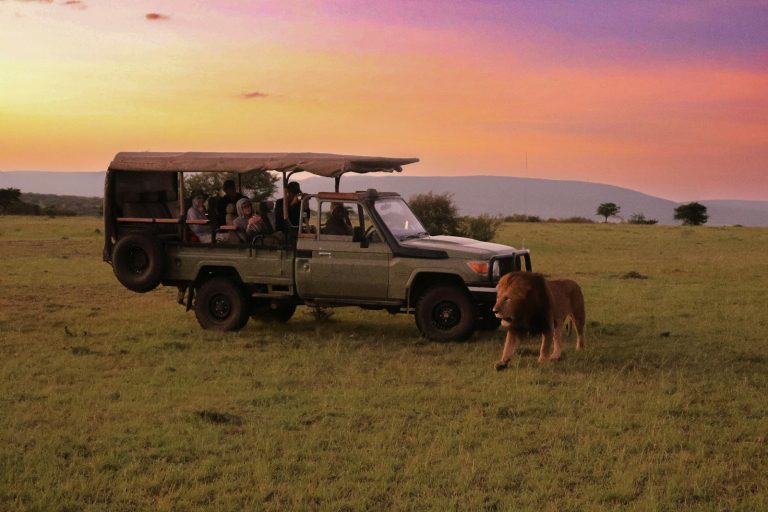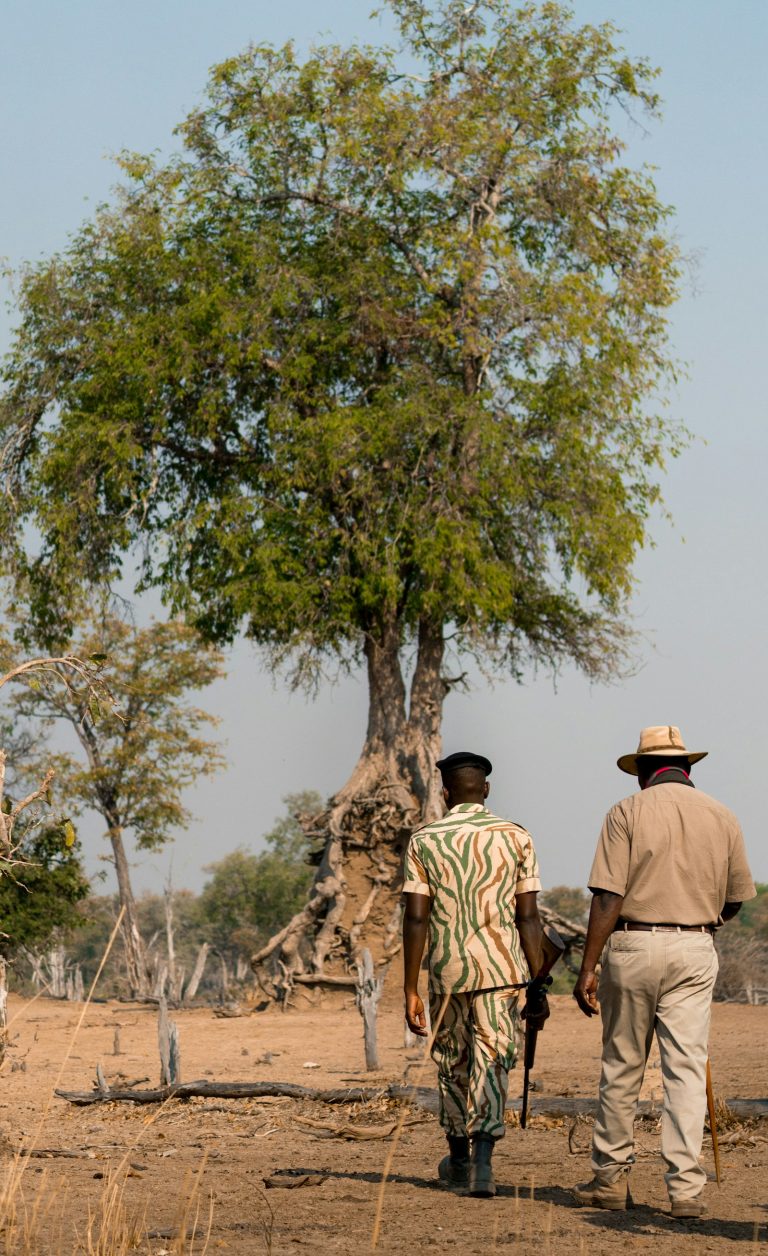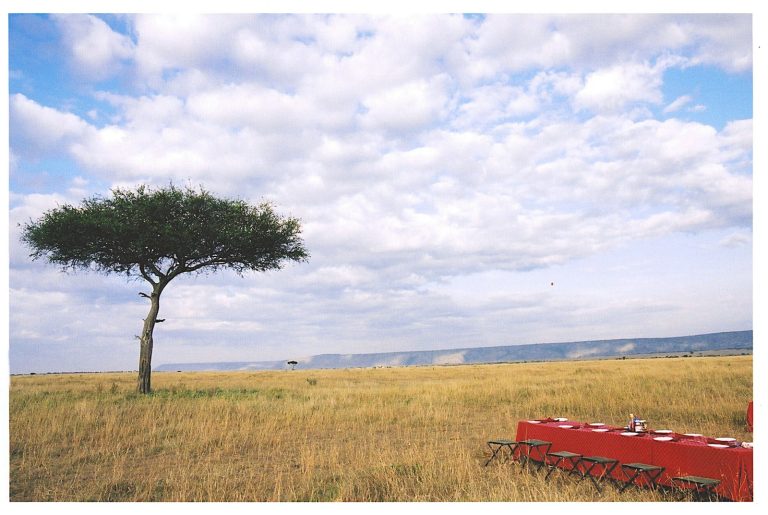

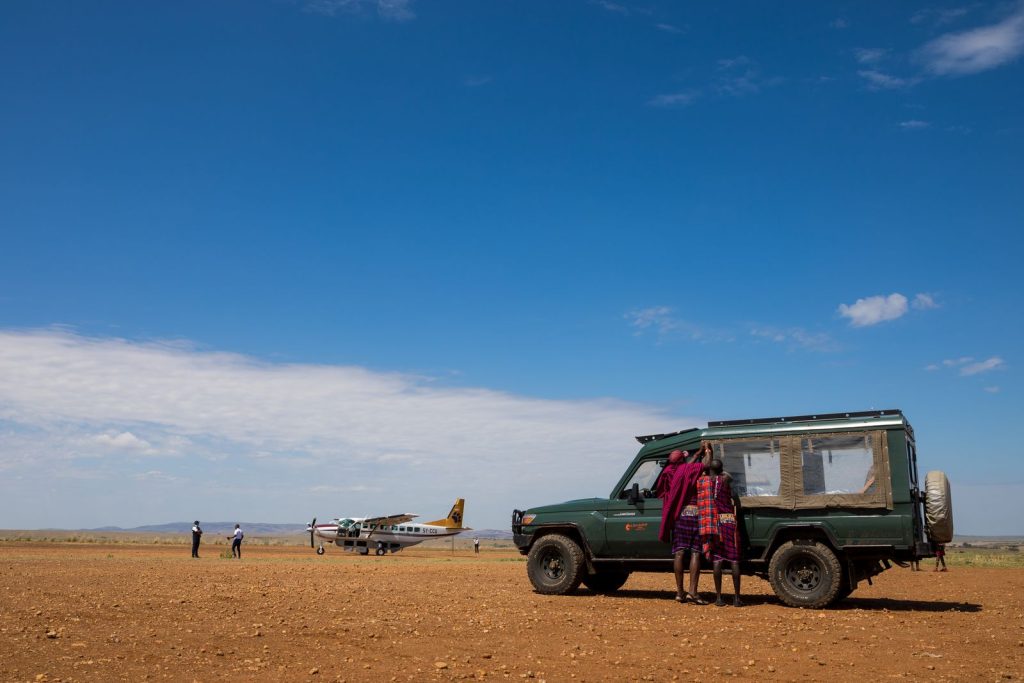
The single biggest decision shaping a Kenya safari’s cost and pace isn’t which park you visit — it’s whether you fly or drive between them. A flight from Nairobi to the Masai Mara takes about an hour; the same journey by road takes 5-6 hours. That time difference compounds fast: a 3-day fly-in safari can deliver nearly two full days of actual game viewing, while the same 3 days by road sacrifice several hours to transfers. The trade-off is cost — road safaris typically run 30-50% cheaper than flying, and for groups of four or more, driving is usually the more economical choice outright. Picture landing on a bush airstrip with your afternoon game drive still ahead of you, versus a full day watching the Rift Valley scroll past from a Land Cruiser window — both are genuinely good trips, just different ones. Sense of Adventure builds either, matched to your time and budget.
Tell Us Your Time and Budget, We’ll Route the Rest
Message us to plan a fly-in, road, or combination Kenya safari.
What You’re Actually Trading Off
Fly-in safaris depart from Nairobi’s Wilson Airport on small aircraft, landing on airstrips inside or near the park itself — beyond the dramatic time savings, this is often the ONLY practical way to reach genuinely remote destinations like the Matthews Range or parts of Laikipia within a reasonable timeframe, and it means arriving refreshed rather than travel-worn. The trade-offs are real: light aircraft cap baggage at roughly 15kg per person, flights between distant parks can add $400+ per person, and fly-in packages generally start from around $1,300 per person, climbing to $8,000-$15,000+ for the most exclusive routes and camps. Road safaris in a 4×4 Land Cruiser cost dramatically less — often starting from around $305 per person — and turn the journey itself into part of the experience: stops through the Great Rift Valley, farmland and Kenyan villages, hours of real conversation with a guide who becomes something closer to a cultural mentor along the way. The maths shifts with group size too: for four to seven travellers, driving together is nearly always the more cost-effective option, while solo and small-group travellers of one to three people often find flying works out cheaper once shared vehicle costs are factored in.
We flew into the Mara and drove out through Naivasha and Nakuru on the same trip, and having both experiences back to back made the comparison obvious — the flight bought us an extra half-day of game drives, but the road leg through the Rift Valley was honestly one of the best parts of the whole safari.
— Sense of Adventure guest, combined fly-in/road Kenya safari
How to Actually Choose
Choose Fly-In If Time Is Your Scarcest Resource — more game-drive hours, reaches remote areas
Best for short trips (a week or less), travellers prioritising maximum time in the bush over cost, or routes to genuinely remote conservancies that a road transfer can’t reach practically. Book our Fly-In Masai Mara Luxury Safari.
Choose Road If Budget or the Journey Itself Matters — 30-50% cheaper, more cultural immersion
Best for longer trips, groups of four or more (cost-effective to share a vehicle), and travellers who want the drive itself — Rift Valley views, village stops, real conversation with a guide — as part of the safari, not just transit.
Combine Both on Longer Itineraries — fly to the furthest point, drive the rest
A common and effective compromise: fly into a remote first destination to save transfer time, then drive between closer parks for the rest of the trip, balancing cost against convenience.
Build the Right Mix for Your Trip
Message us your travel dates and priorities and we’ll recommend fly-in, road, or a combination.
Fly-In vs Road Safari Facts
- Time savings: Nairobi to Masai Mara: roughly 1 hour by air vs 5-6 hours by road; Samburu is about 7 hours by road.
- Cost difference: road safaris typically run 30-50% cheaper than fly-in equivalents.
- Fly-in starting price: roughly $1,300 per person, rising to $8,000-15,000+ for ultra-luxury routes.
- Road safari starting price: from around $305 per person, though vehicle rental and fuel costs add up separately.
- Baggage limit: light aircraft typically cap baggage at 15kg (33lbs) per person — a real packing constraint.
- Group size rule of thumb: groups of 4-7 are usually more cost-effective driving together; solo/small groups of 1-3 often find flying cheaper.
Planning Your Kenya Safari Style
Read our how many days do you need guide for how trip length interacts with this decision, and our Kenya safari checklist for fly-in-specific packing limits.
Fly, Drive, or Both — We’ll Build It
Message us to plan the right mix of fly-in and road travel for your Kenya safari.
Frequently Asked Questions
Is a fly-in or road safari better in Kenya?
Neither is universally better — fly-in safaris save significant time (1 hour vs 5-6 hours to the Mara) and reach remote areas more practically, while road safaris cost 30-50% less and add the journey itself as part of the experience; the right choice depends on your budget, trip length and priorities.
How much does a fly-in safari cost in Kenya?
Fly-in safaris in Kenya typically start from around $1,300 per person, rising to $8,000-$15,000+ for the most exclusive luxury routes and camps, with inter-park flights adding $400+ per person on top.
Is it cheaper to drive or fly on a Kenya safari?
Driving is generally 30-50% cheaper than flying, and for groups of four or more travelling together, road transport is nearly always the more cost-effective option; smaller groups of one to three people sometimes find flying works out cheaper once shared vehicle costs are considered.
How long does it take to drive from Nairobi to the Masai Mara?
The road journey from Nairobi to the Masai Mara takes approximately 5-6 hours, compared to roughly 1 hour by light aircraft from Nairobi’s Wilson Airport.
What is the baggage limit on a fly-in safari in Kenya?
Light aircraft used for fly-in safaris typically cap baggage at around 15kg (33lbs) per person, a meaningfully tighter limit than road travel, so packing needs to be planned accordingly.