To choose a safari operator in Kenya with confidence, check four things before you pay anything: a valid Tourism Regulatory Authority (TRA) licence, a real office you can visit, qualified guides in well-kept vehicles, and an itemised written quote. Most first-time visitors are surprised by how much this matters, because the gap between a properly licensed operator and an unregulated reseller is invisible on a website. It only shows up once you are already on the ground.
A few calm checks, done before you send a deposit, filter out almost every problem before it can happen. This guide walks through each one in plain language, with the questions to ask, the warning signs to watch for and what a fair quote should look like. Whether you book with us or with someone else, it will help you choose a safari operator who delivers the trip you were promised.
✅ How to Choose a Safari Operator: Quick Answer
- Licence: Kenyan tour operators must hold a Tourism Regulatory Authority licence; ask for the number and check it.
- Trade body: membership of KATO, the Kenya Association of Tour Operators, is a strong extra sign of good standing.
- Guides: ask whether your guide holds KPSGA Bronze, Silver or Gold certification.
- Quote: insist on an itemised quote naming camps, nights, vehicle, park fees and exclusions.
- Office: a real, visitable office address, not just a phone number and a social media page.
- Payment: pay against a written invoice and confirm bank details by phone before any transfer.
Checking us out first? Good. Ask for our licence details and office address before you book.
Send Your Licence DetailsHow to Choose a Safari Operator in Kenya: Start With Licensing
Licensing by the Tourism Regulatory Authority (TRA) and membership of the Kenya Association of Tour Operators (KATO) are the two credentials that most clearly separate a legitimate company from an unregulated one. The TRA licence is a legal requirement for tour operators in Kenya. KATO membership is voluntary, but the association vets its members and runs a public directory you can search by company name.
So the first step when you choose a safari operator is simple: ask for the TRA licence number and the exact registered company name, then check them. If the operator is a KATO member, look them up in the directory on the KATO website before sending a deposit. Do not rely on a logo on a web page, because badges are easy to copy.
When you choose a safari operator this way, a single check filters out a large share of the middlemen and resellers who appear in the same search results as properly licensed companies. Many of them simply pass your booking to a local operator and add a margin, which leaves you with less control and nobody on the ground who answers to you directly.
How to check a licence in practice
Ask the operator to email a copy of the current TRA licence, and note the company name and licence number on it. You can contact the Tourism Regulatory Authority to confirm the details, and compare the registered name with the name on your quote and invoice. They should match exactly. If the invoice names a different company from the one you have been talking to, ask why before you pay.
A legitimate company will answer these questions quickly and without fuss. Hesitation, vague replies or a sudden discount when you ask about licensing are all reasons to pause.
6 Checks to Choose a Safari Operator Before You Pay a Deposit
Once licensing is clear, work through these six checks. Together they give you a reliable picture of how an operator really works, and they are the core of how to choose a safari operator you can trust.
KATO Membership — Kenya’s main tour operator association
Search the KATO directory for the exact company name before paying anything. A legitimate operator will be listed, or can explain clearly why not.
Tourism Regulatory Authority Licence — the legal requirement
Ask for the operator’s TRA licence number and confirm it independently rather than taking a website badge at face value.
Guide Certification (KPSGA) — Bronze, Silver or Gold
The Kenya Professional Safari Guides Association certifies guides across three tiers. Ask which level your guide holds, especially for a serious wildlife-focused trip.
An Itemised Quote — park fees, accommodation, transport and guide fee, each a separate line
A vague, all-in price with no breakdown is one of the clearest signs of an operator cutting corners somewhere you won’t see until you arrive.
A Real, Physical Office — not just a WhatsApp number and a website
Legitimate operators have a verifiable address and a track record you can check, not just a social media presence.
Prices Well Below Market Rate — the red flag that catches out the most first-time bookers
Park fees, professional guiding and proper vehicle maintenance cost what they cost. A quote dramatically undercutting every other operator for the same parks and dates usually means something is being skipped.
Guides, Vehicles and Safety: What You Feel on the Ground
Licences protect your money, but your guide and your vehicle shape every hour of the trip. When you choose a safari operator, ask as many questions about these as about price.
Your guide
Many travellers choose a safari operator for its guides alone, and for good reason. A good guide finds animals, reads their behaviour, keeps you safe and explains what you are seeing. KPSGA certification is a useful benchmark: Bronze is the entry level, while Silver and Gold guides have passed tougher written and field tests. Ask how long your guide has worked in the parks on your route, which languages they speak and whether the same guide stays with you for the whole trip.
Your vehicle
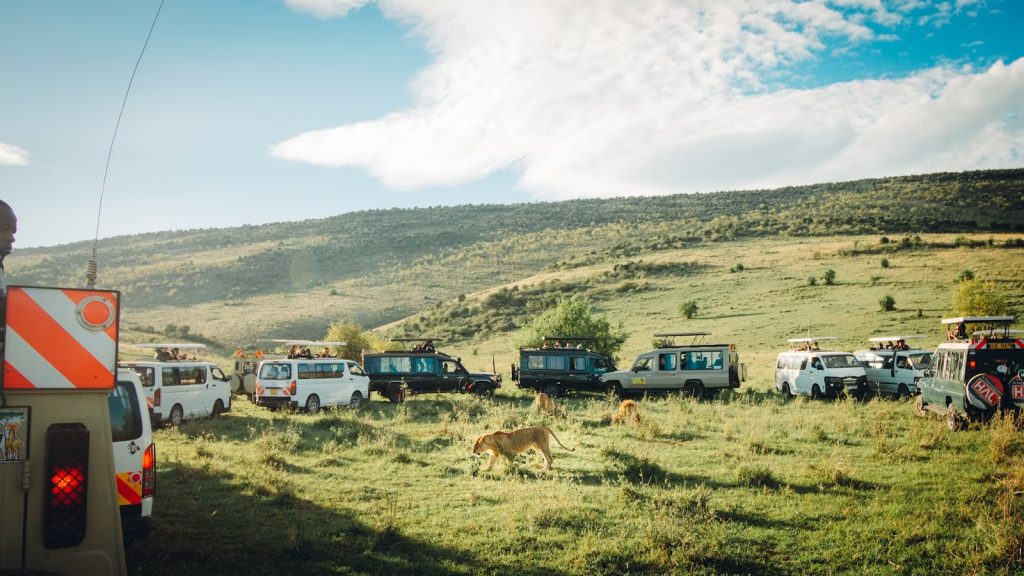
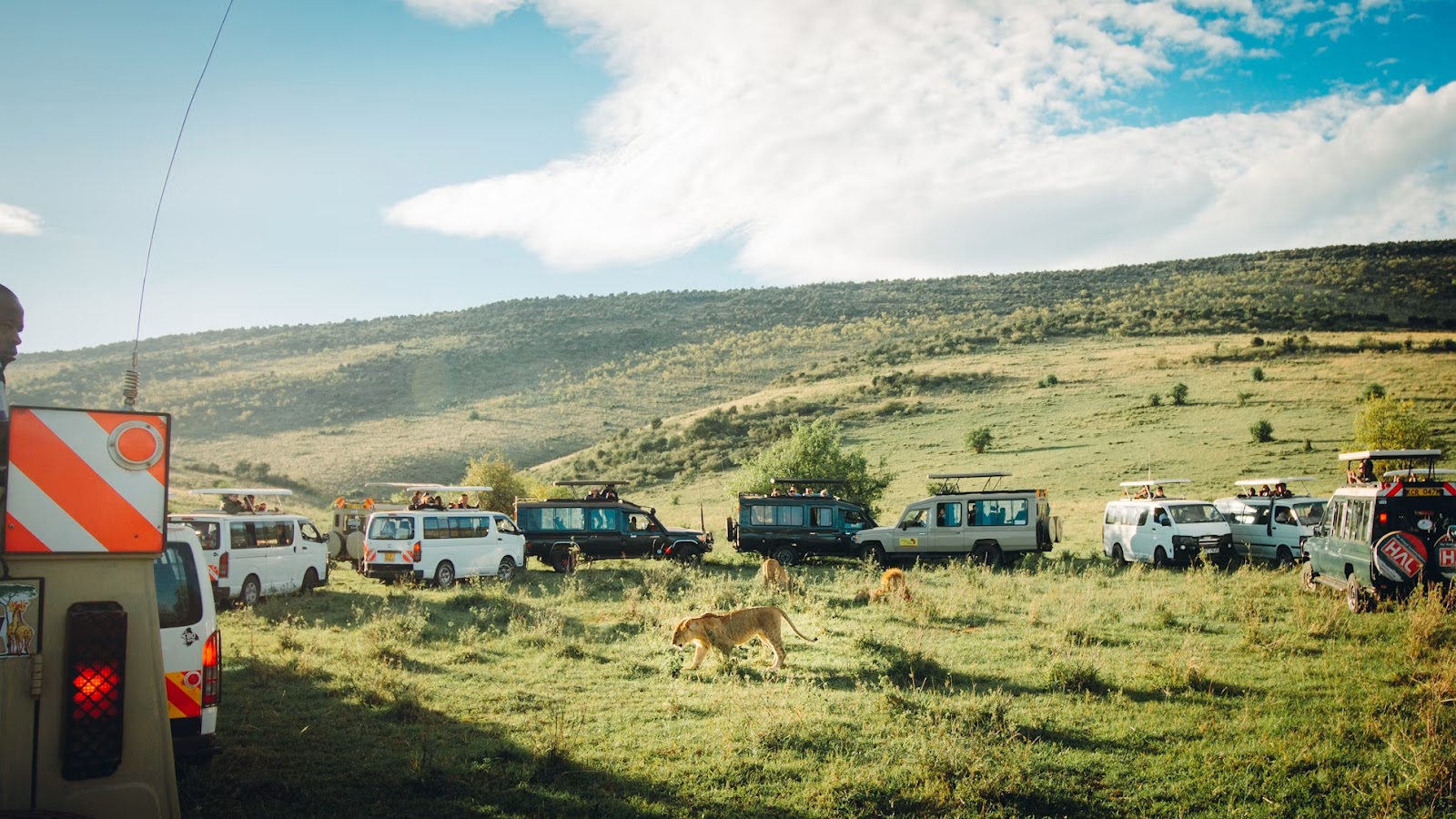
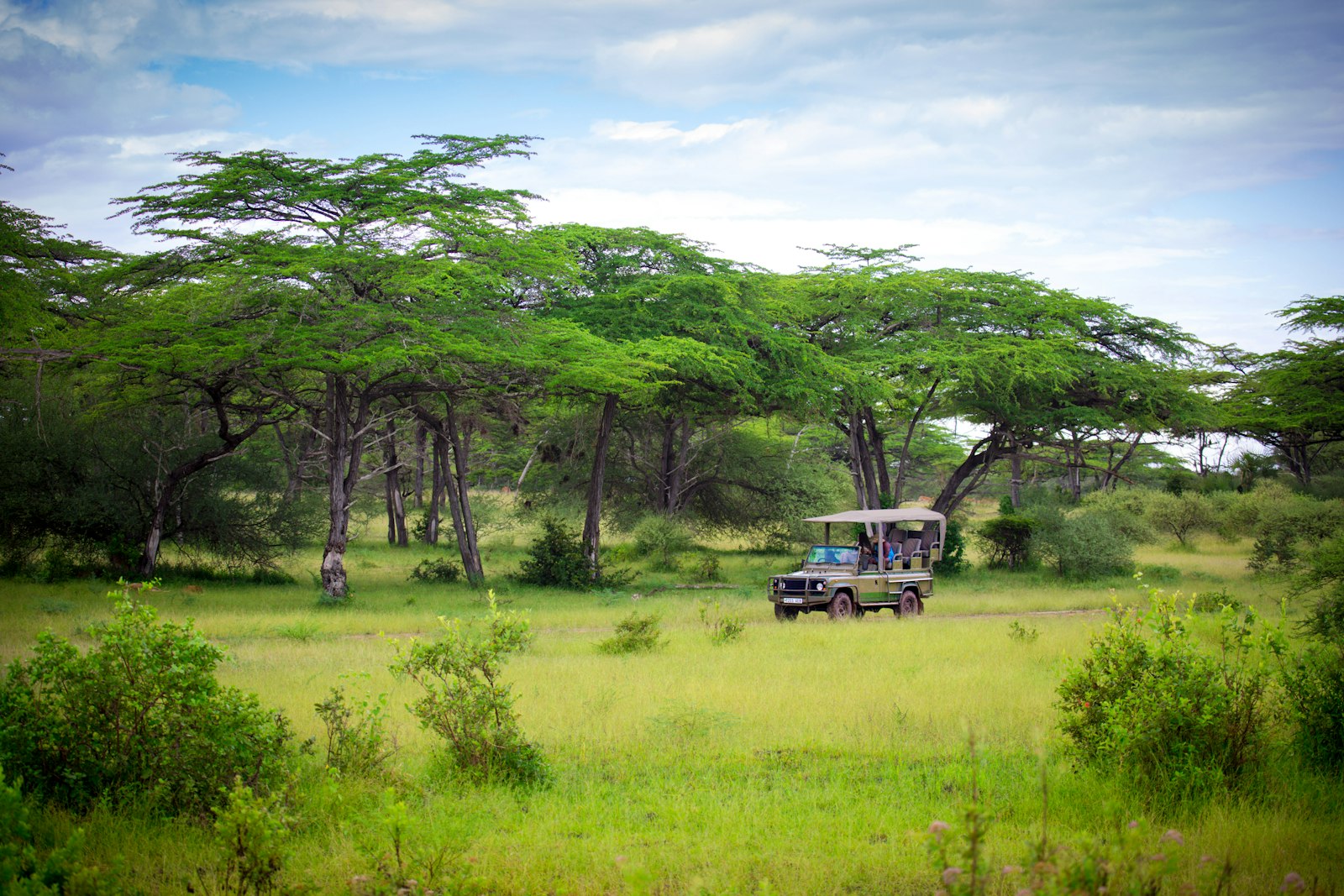
Vehicles are easy to overlook when you choose a safari operator. Most Kenyan safaris use 4×4 Land Cruisers with pop-up roofs, or safari minivans on some routes. Ask how many guests share a vehicle, whether everyone gets a window seat, and whether the vehicle carries a radio, a first-aid kit, charging points and cool drinking water. Our guide to safari vehicles in Kenya explains the differences in detail.
Safety and emergencies
Ask what happens if someone falls ill in a remote park. A careful operator has a clear plan, emergency contacts and medical evacuation arrangements. Every Sense of Adventure safari includes AMREF Flying Doctors evacuation cover, which is separate from your own travel insurance.
Match the Operator to Your Style of Safari
Not every good company is the right company for you, and the cheapest way to choose a safari operator is rarely the best. Operators tend to specialise, so the best way to choose a safari operator is to start with how you want to travel, then find someone who does that well.
- Private or group: a private safari gives you your own vehicle and flexible timing, while a group trip shares costs. Our guide to private vs group safaris in Kenya compares the two.
- Budget level: some operators focus on camping and budget lodges, others on mid-range camps or luxury fly-in trips. Ask which camps they use most often and why.
- Where you sleep: tented camps and lodges feel very different. See tented camp vs lodge before you decide.
- Special needs: families, solo travellers, older guests and travellers with mobility needs should ask for examples of similar trips the operator has run. Solo women may find our solo female safari safety guide useful.
A good operator will also tell you when something is not a good fit, for example a very long road day for young children, or a migration trip in a month when the herds are usually elsewhere. That honesty is a strong sign you are in good hands, and one of the best reasons to choose a safari operator over a booking website.
Not Sure Which Style of Safari Suits You?
Tell us who is travelling, your budget and what you most want to see. We will suggest private or shared, camp or lodge, and say plainly if another option would serve you better.
How to Read and Compare Safari Quotes
Comparing quotes is the moment most people actually choose a safari operator, and it is where many travellers go wrong, because two prices that look similar can describe very different trips. To choose a safari operator fairly, compare like with like: the same parks, the same number of nights, a similar standard of camp and the same vehicle arrangement.
| Quote item | What a good quote shows | Warning sign |
|---|---|---|
| Accommodation | Named camps or lodges, room type, nights and meal plan | “Or similar” for every night with no names |
| Park fees | Park and conservancy fees for each day, at current rates | Fees missing, or far below published rates |
| Vehicle | Type, private or shared, window seat policy | No vehicle details at all |
| Guide | Guide included for the full trip | Guide “available on request” |
| Exclusions | A clear list: flights, visas, tips, drinks, optional activities | No exclusions listed |
Park fees are a good test when you choose a safari operator, because they are fixed and published. The Masai Mara, for example, charges non-resident adults USD 100 per day from January to June and USD 200 per day from July to December, while Nairobi National Park charges non-resident adults USD 80. A quote that seems to ignore these costs is either incomplete or cutting corners. Our Kenya safari cost breakdown shows what a realistic budget includes.
Questions to ask when you choose a safari operator
- What is your TRA licence number, and what is your registered company name?
- Are you a KATO member?
- Who will my guide be, and what KPSGA level do they hold?
- How many guests share the vehicle, and does everyone get a window seat?
- Which camps or lodges are named in this quote, and why did you choose them?
- Are all park and conservancy fees included at current rates?
- What is not included?
- What deposit do you need, and when is the balance due?
- What is your cancellation policy?
- Who do I call, day or night, if something goes wrong during the trip?
Keep the answers in writing, and only choose a safari operator once every reply is clear. Good operators are happy to put everything in an email, and it gives you a clear record if anything changes.
Deposits, Payments and When to Book
Payment is where caution pays off most, even after you choose a safari operator you like. Pay a licensed company against a written invoice, and never act on a last-minute change of bank details sent by email. Call the operator on a number you found yourself and confirm the account by voice before any transfer.
Terms vary between companies, so read them before you choose a safari operator and pay. At Sense of Adventure, the deposit is 30 to 40 percent of the trip cost on written confirmation, with the balance due 4 to 8 weeks before travel. Our safari deposit and payment plans guide explains how this works, and our safari cancellation policy explainer covers what happens if plans change.
Timing matters too: the earlier you choose a safari operator, the more camps you can pick from. For the July to October migration season and the festive period, the best camps book early, so start talking to operators six to twelve months ahead. For quieter months, a few months is often enough. Buy travel insurance with cancellation cover as soon as you pay your deposit.
Compare Us Line by Line
Send us your dates and the quote you already have. We will send an itemised written quote for the same parks and nights, so you can compare fairly before you pay any deposit.
Request My Itemised QuoteSafari Operator Checklist at a Glance
Print or save this list and use it every time you choose a safari operator.
- KATO membership: search the operator’s name in the Kenya Association of Tour Operators directory before paying a deposit.
- TRA licensing: the Tourism Regulatory Authority licence is the legal requirement for Kenyan tour operators.
- Guide certification: KPSGA-certified guides hold Bronze, Silver or Gold status — ask which level applies to your trip.
- Itemised pricing: a legitimate quote separates park fees, accommodation, transport/fuel and guide fee rather than one vague total.
- Red flags: no verifiable licence, no physical office, vague itineraries, and prices well below market rate for the same parks and dates.
- Verification: ask for a copy of the TRA licence and KATO certificate rather than trusting a website badge alone.
Reviews, Local Knowledge and Support During Your Trip
Reviews help you choose a safari operator, but read them carefully. Look at recent reviews on independent platforms, not just testimonials on the operator’s own website, and read the critical ones too. Notice how the company replies to complaints: a calm, specific answer is a better sign than a perfect score.
Local knowledge also counts when you choose a safari operator. A Nairobi-based operator usually knows current road conditions, which camps have changed hands and where the wildlife has been moving this week. Booking locally can also mean one point of contact from first email to last game drive. Our guide on whether to book with a local operator or an overseas agent weighs up both options, and our checklist for a trustworthy safari tour operator in Kenya covers common scams.
Finally, before you choose a safari operator, ask about support while you travel. You should have a named contact and a phone number that is answered at any hour. Read the GOV.UK travel advice for Kenya, or your own government’s advice, before you go.
What This Looks Like With Sense of Adventure
Sense of Adventure is a TRA-licensed private safari company with an office at Mountain Mall on Thika Road, Nairobi, and we are happy to share our licence details with anyone who asks. Every one of our Kenya safari packages comes with a real, bookable itinerary rather than a vague quote, and our booking guide walks through exactly what to expect from enquiry to deposit to departure.
If you already know your style, start with our private Kenya safari options, our Masai Mara safari packages or a Kenya safari from Nairobi. Whoever you book with, use the checks in this guide to choose a safari operator you trust.
Put Every Question on This Checklist to Us
Licence, guides, vehicles, camps, fees or payment terms: ask us anything from this guide and our Nairobi team will answer in writing before you commit to anything.
Frequently Asked Questions
What’s the most important credential to check for a Kenya safari operator?
Check the Tourism Regulatory Authority (TRA) licence first, because it is a legal requirement for tour operators in Kenya. Ask for the licence number and registered company name, and make sure they match your invoice. KATO membership is a useful extra sign of good standing, and its directory is public.
What is KPSGA guide certification?
The Kenya Professional Safari Guides Association certifies safari guides at three levels: Bronze, Silver and Gold. Each level reflects tougher written and field assessments of wildlife knowledge, driving, safety and guest care. Before you choose a safari operator, ask which level your guide holds, especially for a photography or specialist wildlife trip.
What are red flags when choosing a Kenya safari operator?
Warning signs include no verifiable TRA licence, no physical office address, vague itineraries that never name camps, quotes without park fees, and prices far below other operators for the same parks and dates. Pressure to pay quickly, or a sudden change of bank details by email, are also reasons to stop.
Should a Kenya safari quote be itemised?
Yes. A fair quote names each camp or lodge with the number of nights and meal plan, lists park and conservancy fees, describes the vehicle and guide, and sets out what is excluded. Itemised quotes let you compare operators like for like and show exactly what your money pays for.
How can I verify an operator’s licence before booking?
Ask the operator to email a copy of their current TRA licence and KATO certificate, if they hold one. Check the company name and number against the Tourism Regulatory Authority and the KATO directory, and confirm the name matches your invoice. A legitimate company will answer quickly and openly.
Is it better to choose a safari operator based in Kenya?
Often, yes. A Kenya-based operator usually knows current road conditions, camp standards and wildlife movements first-hand, and can deal with problems quickly. Overseas agents can add useful protection in some countries, so compare both. Whichever you choose, check licensing, guides, vehicles and an itemised quote before paying.
How far ahead should I book a Kenya safari?
For the July to October migration season and the Christmas period, book six to twelve months ahead, because the best camps fill early. For quieter months, two to four months is often enough. Booking early mainly gives you more choice of camps and guides rather than a lower price.