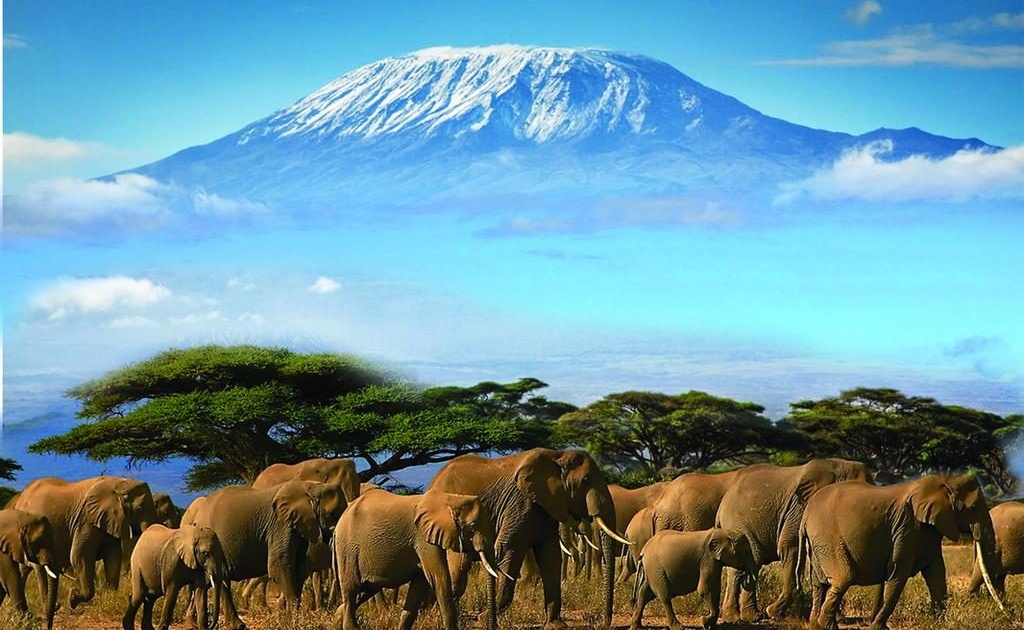

The Amboseli elephant photographic safari gives you what many photographers consider the most iconic image in African wildlife: great herds of elephants walking beneath the snow-capped peak of Mount Kilimanjaro. This four-day trip is planned around dawn and dusk light, with photographer-friendly game drives that stay with the animals rather than rushing between sightings. The price starts from USD 1,800 per person, and this guide covers the route, the day-by-day plan, the best settings and the practical details.
Why Choose an Amboseli Elephant Photographic Safari?
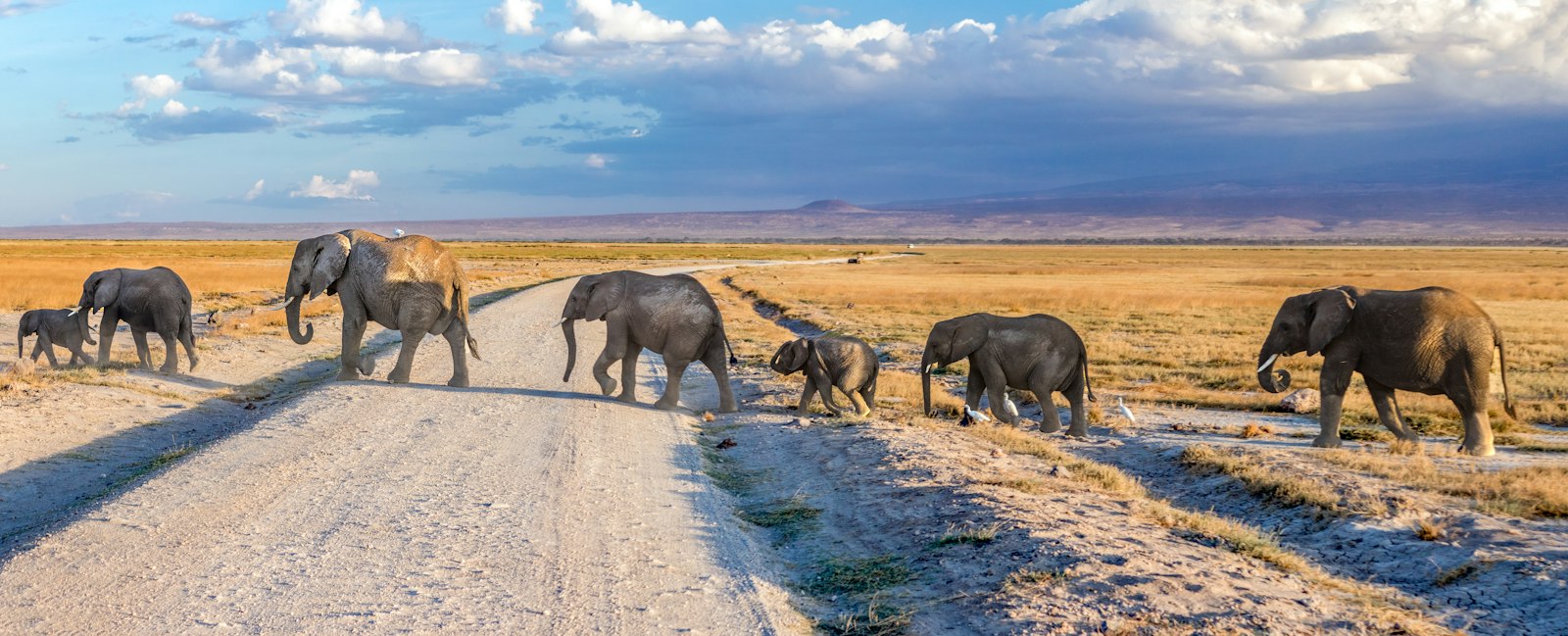
Amboseli is not the biggest park in Kenya, and that is exactly why it works so well for photography. The land is open and flat, the elephants are relaxed around vehicles and the mountain provides a backdrop that no other park can match. You can spend an entire morning with one family and come away with portraits, behaviour and landscapes without a long drive between them.
An Amboseli elephant photographic safari differs from a standard game-drive trip in a few key ways.
- Light first: the days are built around dawn and dusk, when Kilimanjaro is clearest and the colour on the plains is richest.
- Elephants first: the focus is on the herds, including the big-tusker elephants for which Amboseli is known.
- Time to work: drives are unhurried, so you can wait for the right gesture, the right gap in the herd or the moment the cloud lifts from the summit.
- Variety close to the elephants: swamps, open plains and birdlife add to the portfolio without leaving the area.
- A short, focused trip: four days is enough to get strong images without the long road transfers of a multi-park safari.
Amboseli also rewards patience. The mountain often hides behind cloud, and the best frames come on the mornings when it clears. A four-day plan gives you several chances.
Amboseli Elephant Photographic Safari Route at a Glance
This Amboseli elephant photographic safari follows a simple route. You travel by road from Nairobi to Amboseli on day one, spend two full days photographing in the park and return to Nairobi on day four.
- Day 1: Nairobi to Amboseli, with an afternoon photographic game drive
- Day 2: Dawn and dusk shoots of elephants beneath Kilimanjaro
- Day 3: Big-tusker elephants, swamps and birdlife
- Day 4: A final morning shoot, then the return to Nairobi
Day-by-Day Amboseli Elephant Photographic Safari Itinerary
Days 1 and 2: Arrival and Kilimanjaro Light
Day 1, Nairobi to Amboseli. You leave Nairobi and drive to Amboseli National Park, arriving in time for an afternoon photographic game drive. The first outing is a chance to settle in and to read the light. Your guide shows you where the elephants are likely to be, you test exposure on the herds and you look for the first views of the mountain. The drive from Nairobi takes several hours, and the exact time depends on traffic and on the route you take. For a general guide to the park, see our Amboseli safari page.
Day 2, dawn and dusk beneath Kilimanjaro. This is the heart of the trip. You leave before sunrise, because the mountain is often clearest in the first hours of the day and the light is soft and warm. The aim is to place elephants in front of the summit, using the vehicle to move to the right angle as the herd walks. In the middle of the day the light is harsh and the heat haze flattens the view, so you rest, review images and back up your cards. Late in the afternoon you return to the plains for the dusk shoot, when the elephants are backlit by a low sun and the dust turns gold.
Days 3 and 4: Tuskers, Swamps and Departure
Day 3, big-tusker elephants, swamps and birdlife. Amboseli is known for its large bull elephants with long tusks, and today you look for them. Bulls often feed in the swamps, where the green vegetation makes a wonderful contrast with their grey skin. The swamps also hold hippos, buffalo and many waterbirds, so there is plenty to photograph while you wait for the elephants to come to you. Keep a wide lens ready as well, because the open plains and the huge sky make superb landscape images.
Day 4, final morning shoot and return to Nairobi. You have one last early drive, with the best light and your last chance at the picture you still want. After breakfast you start the drive back to Nairobi, where we can transfer you to your hotel or the airport for your onward journey. If you would like to add more days, you can extend with a different park, as shown in our Kenya safari from Nairobi guide.
Photographing Elephants and Kilimanjaro in Amboseli
Elephants are wonderful subjects because they are large, expressive and predictable. They are also easy to photograph badly, because grey animals in bright light can lose detail. Here are the ideas that guide our drives.
Working With the Light
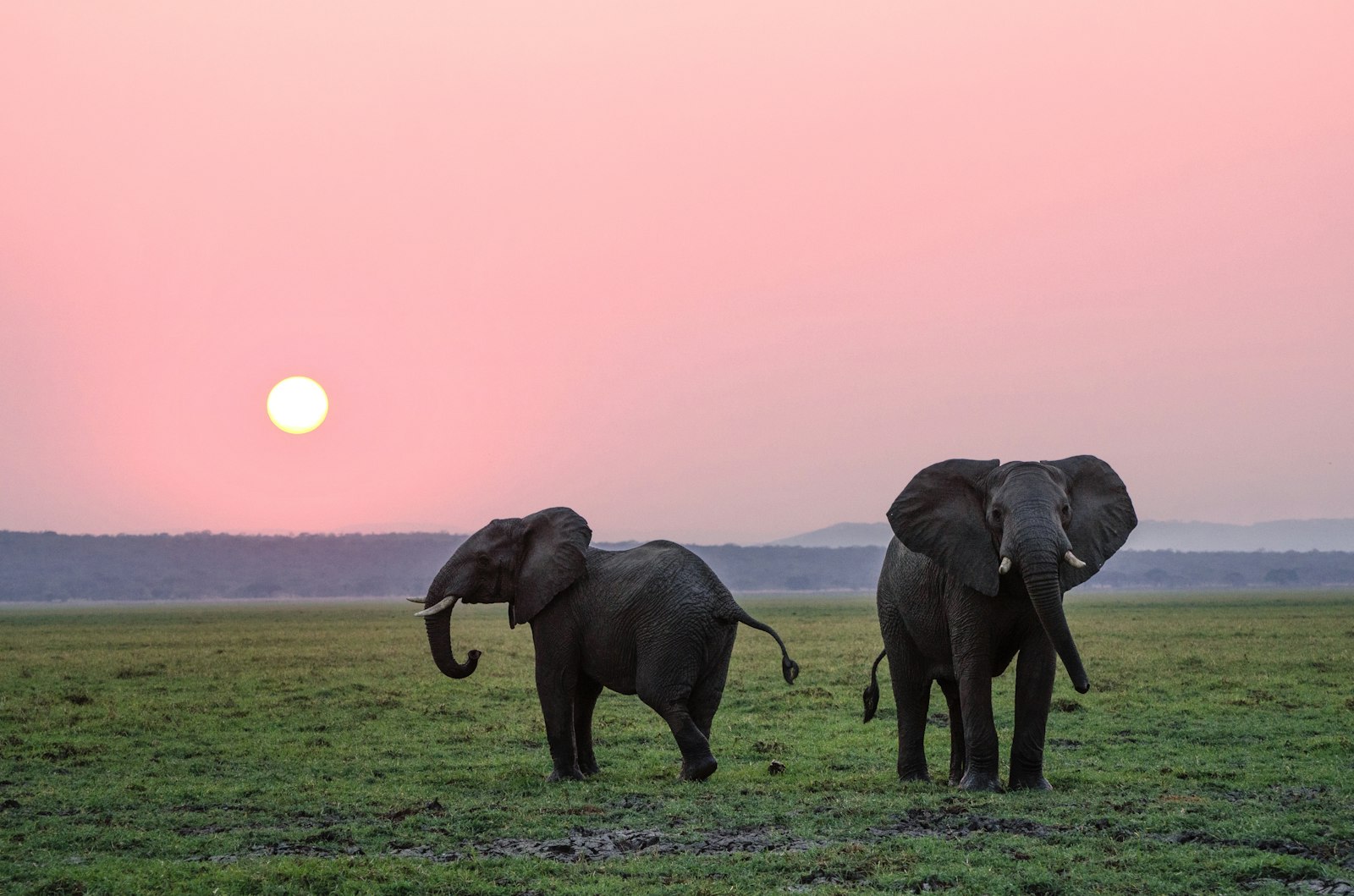
Early morning and late afternoon give the best colour and the softest shadows. At sunrise the mountain is usually at its clearest, and at sunset the plains are lit from the side, which shows the texture of the skin and the dust. At midday, look for shade, close-up details such as eyes and tusks and black-and-white images.
Framing the Mountain
There are two main approaches. For a landscape, use a wide or standard lens and include a lot of sky, with the elephants small in front of the peak. For a portrait, use a longer lens and fill the frame with an elephant. A mid-range zoom lets you switch between the two without changing position. Remember that the mountain stands in Tanzania, just across the border, and it looks closest when the air is clear.
Behaviour and Family Life
Elephant families are close, so there is always something happening. Calves follow their mothers, cousins play, young bulls test their strength and the matriarch leads the group. Watch for dust baths, mud baths, drinking, trunk greetings and crossings through the swamp. Long patience gives better results than constant movement.
Photography Tips for an Amboseli Elephant Photographic Safari
You do not need top equipment, but a few choices help.
- Lens: a 100-400 mm or 200-600 mm zoom handles most elephant shots, and a wide lens is useful for landscapes and herds with the mountain.
- Exposure: elephants are grey, so check your highlights and use a little negative exposure compensation in bright light.
- Shutter speed: 1/1000 second is a good starting point for walking elephants, and faster for running or splashing.
- Dust: carry a lens cloth and a blower, and change lenses inside the vehicle rather than in the open.
- Support: a beanbag on the window frame steadies a long lens.
- Backups: bring spare batteries and memory cards, because you will take many images.
The golden rule on any Amboseli elephant photographic safari is distance. Your guide will keep a respectful distance from the herds, will never push through a family and will turn off the engine so that the elephants stay calm. Relaxed animals give better pictures.
A Typical Day on an Amboseli Elephant Photographic Safari
Knowing the rhythm of a day helps you pack, plan and rest properly. On a full day in the park, an Amboseli elephant photographic safari follows a pattern like this.
- Before sunrise: a light breakfast or a hot drink, then out to the plains while the air is cool and the mountain is clearest.
- Early morning: the best light, with elephants walking to the swamps and the sun rising behind Kilimanjaro.
- Mid-morning: a return to camp for breakfast, a rest and a first review of your images.
- Midday: lunch, a nap, backing up your memory cards and cleaning your lenses while the light is harsh.
- Late afternoon: back out for the second shoot, with side light, golden dust and herds heading to water.
- Dusk: a last look at the mountain as the colour fades, then a return to camp for dinner.
This pattern gives you roughly five to seven hours of shooting each day, which is plenty. Many guests are surprised by how quickly the hours pass when an elephant family is close.
Why Amboseli’s Elephants Are Special
Amboseli’s elephants have been studied for decades, and the herds are used to vehicles, so they behave naturally while you watch. Families are led by older females, calves are protected inside the group and you can follow relationships from one day to the next. For a photographer, this means more than a pretty picture: it means stories. A calf struggling up a muddy bank, a matriarch calling the family together or a bull walking alone across the dry lakebed all give your photographs meaning.
Accommodation and Pace on This Safari
The Amboseli elephant photographic safari includes three nights in the Amboseli area. Days begin before sunrise and include a rest in the middle of the day, when the light is harsh. This gives you time to eat, to review your images and to recharge. Afternoon drives start late enough to catch the soft light and finish at dusk.
We confirm the camps in your written quote, and we choose places that suit photographers, with early breakfasts, charging points and a good location for the herds. For examples of the style of stay we use, browse our Kenya lodges and camps page.
The only long drive is the road from Nairobi and back, and the days in between are gentle. There is no walking and the vehicle does the work, so this Amboseli elephant photographic safari suits most ages and fitness levels. If you would rather avoid the road, ask us about options for the transfer.
Best Time for an Amboseli Elephant Photographic Safari
Amboseli is good all year, so you can book an Amboseli elephant photographic safari in any month, but the mountain and the dust change with the seasons.
- January and February: hot, dry weather with good elephant viewing and clear mornings.
- March to May: the long rains bring green landscapes and dramatic skies, but the mountain is often hidden by cloud and some tracks are muddy.
- June to October: the dry season and the most popular time. Skies are clear, the plains are dusty and elephants gather near the swamps, so this is the best period for the classic image.
- November and December: short rains bring fresh green and good birding. Mornings can still be clear.
The dry months are the busiest and the most expensive, so plan ahead if you want to travel then. For another example of a photographic plan, see our big cats photographic safari in the Masai Mara.
How Much Does an Amboseli Elephant Photographic Safari Cost?
This Amboseli elephant photographic safari starts from USD 1,800 per person. The final cost depends on the season, the level of accommodation and the size of your group. Larger groups share the vehicle and guide, so the cost per person can be lower. For help with budgeting, read our guide to how much an African safari costs.
What Is Included and Not Included
Included:
- Park entrance fees
- A luxury safari vehicle
- A professional guide
- Airport and hotel transfers
- Bottled drinking water
- A morning game drive
Not included:
- International flights
- Kenya visa fees
- Travel insurance
- Tips and gratuities
- Meals unless specified
- Personal expenses
Please ask us to confirm which meals and accommodation are covered in your written quote.
What to Pack for an Amboseli Elephant Photographic Safari
- Neutral clothes in khaki, olive or beige, plus a warm layer for the cool early mornings.
- A wide-brimmed hat, sunglasses and high-factor sunscreen.
- A dust scarf or buff, because Amboseli’s dry lakebed is very dusty in the dry season.
- A zoom lens, a wide lens, spare batteries, memory cards and a beanbag.
- A blower brush, microfibre cloths and a dust bag for your camera.
- Binoculars and a small notebook for bird names.
- Insect repellent and any medication your doctor recommends.
Keep your camera in a sealed bag while you travel, because Amboseli’s fine dust gets into everything. A good cleaning routine at the end of each day will protect your equipment.
Visas, Health and Safety
Most visitors need an electronic travel authorisation for Kenya before they arrive, so apply online ahead of your trip and check the current rules for your nationality. Malaria is present in parts of Kenya, so speak to your doctor about prevention. A yellow fever certificate is only needed if you arrive from a country where the disease is present. Take out travel insurance that covers medical care and evacuation. Our guides check conditions daily and keep a safe distance from every animal. For official information, see Magical Kenya and the Kenya Wildlife Service.
Amboseli Elephant Photographic Safari FAQs
Who is this Amboseli elephant photographic safari for?
It suits photographers of every level, and wildlife lovers who would like to focus on elephants and landscapes. You do not need a professional camera, because a good compact or entry-level kit works well in the open terrain.
Will I see Mount Kilimanjaro?
Often, but not always. The mountain is clearest in the early morning and the evening, and it is often hidden by cloud in the middle of the day. Two full days in the park give you several chances to see the summit.
How long is the drive from Nairobi?
It takes several hours each way. We plan the day so that you arrive in time for an afternoon game drive, and we confirm the timings in your itinerary.
Can I combine Amboseli with the Masai Mara?
Yes. Many photographers pair elephants with big cats. You can add days to this trip, or consider a private Kenya safari designed around your own plan.
Is it good for non-photographers?
Yes. The elephants and the views are a highlight for everyone, and this Amboseli elephant photographic safari is easy for travelling partners who would rather watch than shoot. They can enjoy the same drives, the same light and the same herds without ever lifting a camera, and they often end up taking the best pictures on a phone.
Book Your Amboseli Elephant Photographic Safari
Send us your dates, group size and camera equipment, and we will reply with a written, itemised quote and a suggested plan. A deposit secures your camps and vehicle, and we send final documents and packing advice before you travel. You can compare more routes on our Kenya safari packages page.
Overview
Amboseli National Park offers the most iconic image in African photography — great herds of elephants beneath the snow-capped peak of Mount Kilimanjaro. This four-day photographic safari maximises dawn and dusk light for unforgettable elephant and landscape shots.
Price is from USD per person; final cost depends on season, accommodation and group size.
Ready to go? Book this safari instantly on WhatsApp — we’ll take it from there.
Highlights
- Elephant herds beneath Mount Kilimanjaro
- Iconic Amboseli dawn and dusk light
- Big-tusker elephants
- Photographer-friendly game drives
- Swamps, plains and birdlife