Masai Mara nocturnal wildlife is a whole separate ecosystem that most day-only visitors never see: bushbabies leaping between branches, genets prowling camp perimeters and aardvarks digging for termites under cover of dark. None of it is on a standard Big Five checklist, and almost none of it is visible on a normal daytime game drive.
To meet these animals you need two things: a camp in one of the private conservancies that border the reserve, and a guide with a spotlight. This guide explains which animals come out after dark, where night drives are allowed, what a typical drive feels like, and how to build one into your safari.
✅ Masai Mara Nocturnal Wildlife: Quick Answer
- Where: night drives are not permitted inside the Masai Mara National Reserve; they run only in the private conservancies that border it.
- Classic sightings: bushbabies, genets, civets, springhares, white-tailed mongooses, owls and nightjars.
- Rare prizes: aardvark, aardwolf, crested porcupine and honey badger.
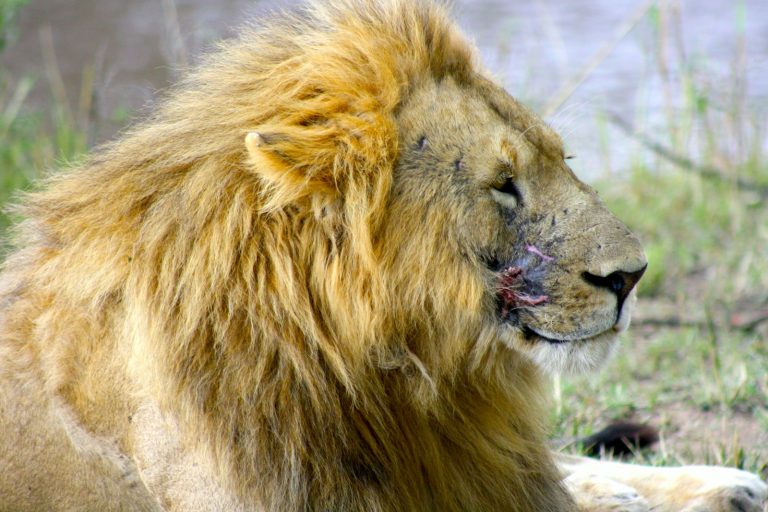
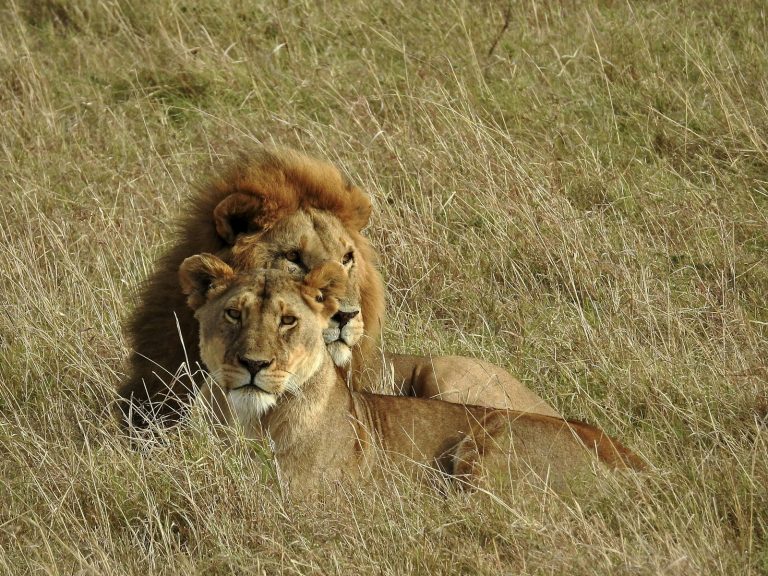
- Familiar faces: lions, leopards and hyenas are often more active after dark than by day.
- How long: a night drive usually lasts one to two hours, often straight after sundowners.
- How to book: choose a conservancy camp that offers night drives; we arrange this when we plan your trip.
Want to see the Mara after dark? Your camp choice decides it. Ask us which camps run night drives.
Why You Need a Conservancy for Masai Mara Nocturnal Wildlife
Night driving is not permitted inside the Masai Mara National Reserve itself. It is only allowed in the private conservancies bordering it, which are run under different rules from the main reserve. In the reserve, vehicles must be back in camp or out of the park by dusk, so the night belongs to the animals.
That single fact shapes this whole topic. If Masai Mara nocturnal wildlife is on your list, your camp has to be a conservancy property, not one inside the reserve boundary. Conservancies such as Mara North, Naboisho, Olare Motorogi, Ol Kinyei and Lemek lease land from Maasai landowners and limit the number of beds and vehicles, which is why they can offer night drives, guided walks and off-road driving.
On a conservancy night drive, spotlights reveal a set of species that essentially never appear on daytime drives. Good guides use the light respectfully and briefly, and never hold it directly in an animal’s eyes. Our Masai Mara reserve vs conservancies guide explains the wider differences in cost, crowds and activities.
12 Masai Mara Nocturnal Wildlife Species to Look For
No two night drives are the same, and nothing is guaranteed. These are the animals guides most often find, from the frequent to the once-in-a-lifetime.
Bushbabies (Galagos) — huge eyes, explosive jumps
Small, tree-dwelling primates with oversized eyes built for night vision and back legs strong enough to launch them 5-6 feet between branches. They are among the most commonly spotted nocturnal animals on a conservancy night drive, and their eyes glow brightly in the spotlight.
Genets — part cat, part mongoose, all nocturnal
Solitary and superbly agile climbers, genets have a long ringed tail and a spotted coat that make them look like a cross between the two more familiar animals. They are a frequent, fleeting night-drive sighting, and some visit camp grounds after dinner.
Aardvarks — the reason there are so many burrows to see by day
A powerful-clawed, long-snouted burrower that feeds almost entirely on ants and termites at night. Aardvarks are rarely seen, but a sighting is a real possibility on a well-timed conservancy drive, and their old burrows shelter many other animals.
Crested Porcupines — unmistakable once spotted
A large, spiny, black-and-white nocturnal rodent with a distinctive crest of quills. It is one of the more striking, if less common, night sightings, usually seen shuffling along a track before disappearing into thick bush.
Hyenas and Leopards, by a Different Light — familiar species, different behaviour
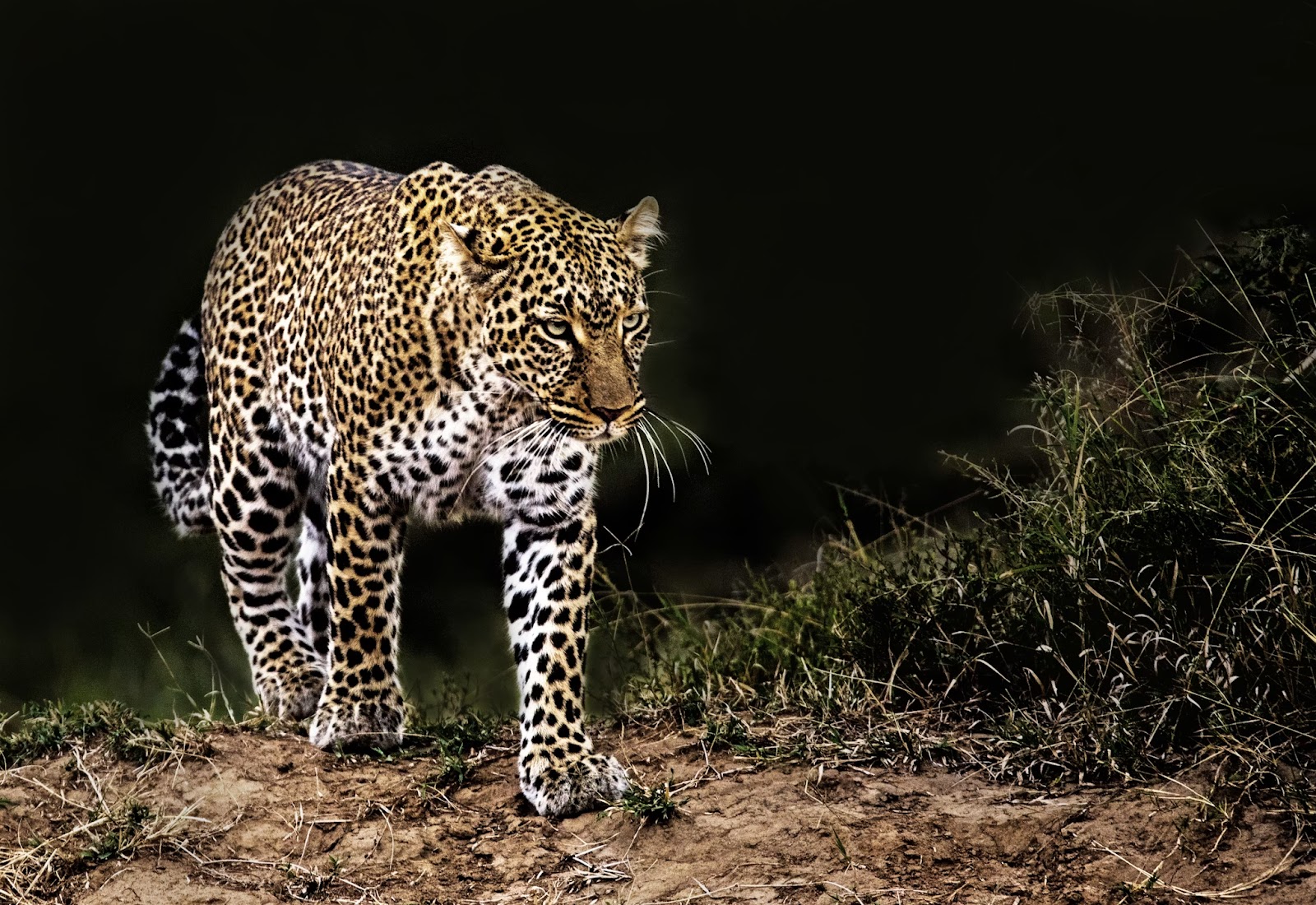
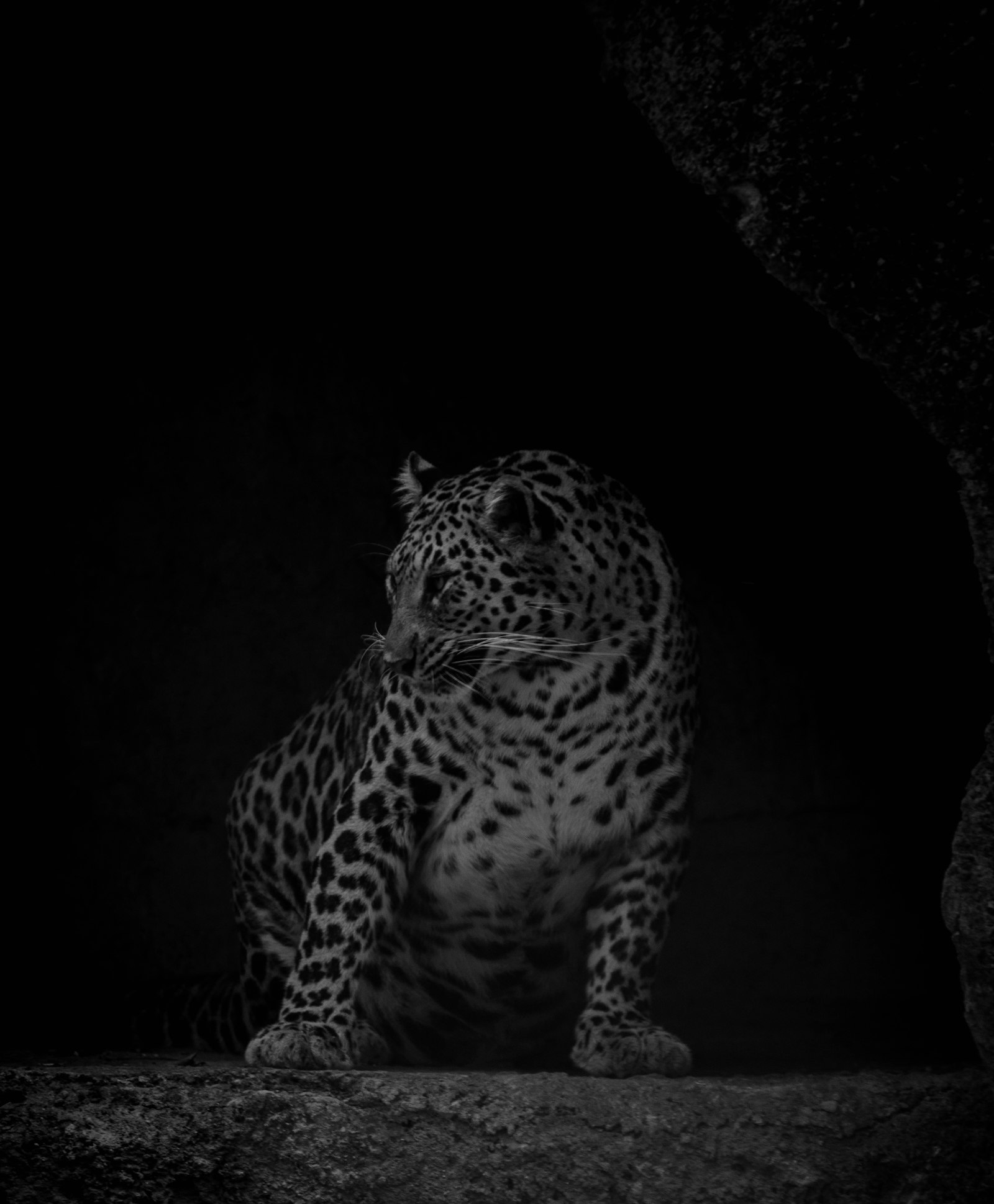
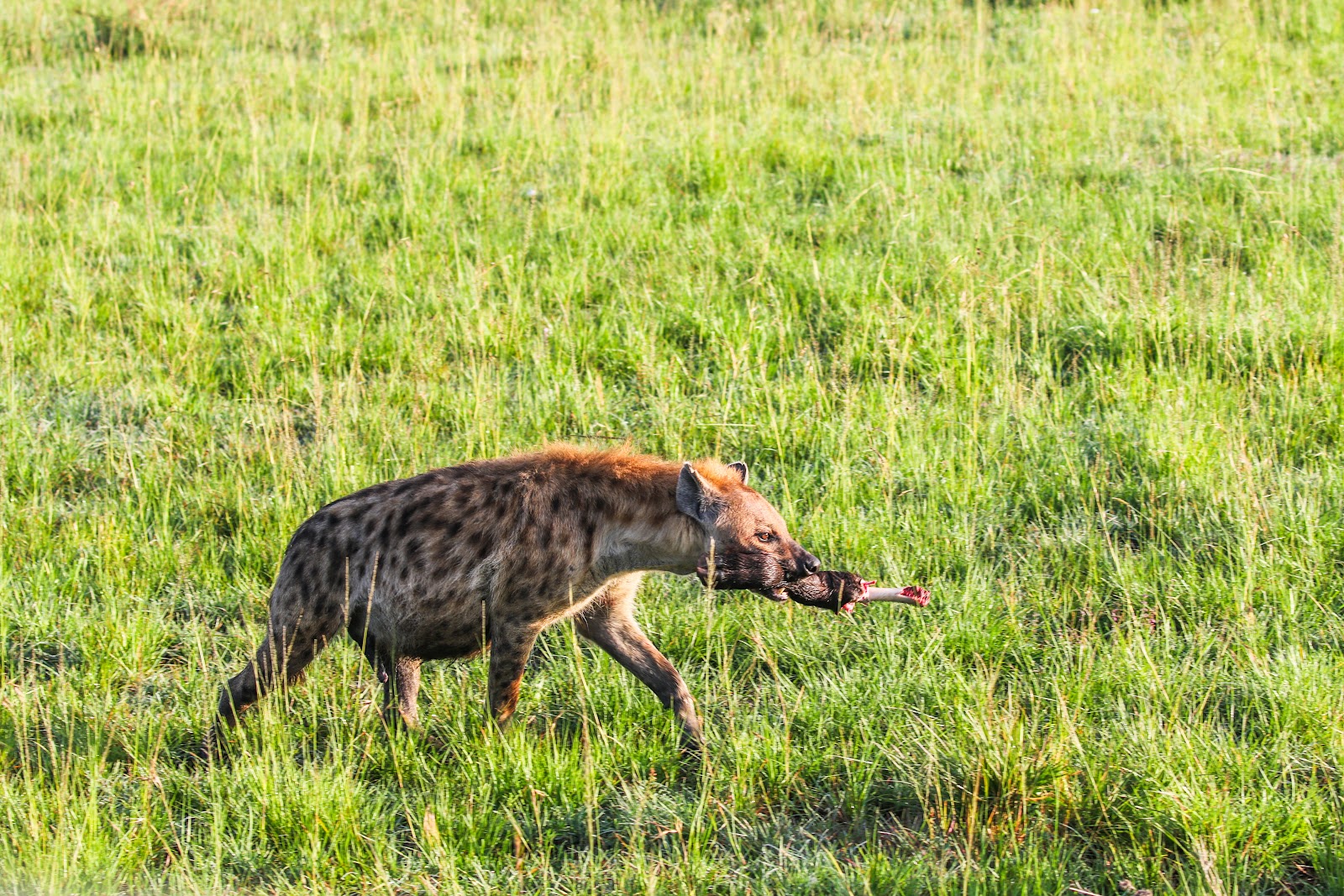
Species you may already know from daytime drives behave very differently after dark. Hyenas are more active hunters at night, and leopards, largely nocturnal by nature, are often easier to find on a spotlighted night drive than during the day.
More Masai Mara nocturnal wildlife: the supporting cast
Beyond those five headline groups, a good night drive can turn up a surprising variety of smaller animals. These complete our list of twelve.
- African civet (6): a stocky, raccoon-masked carnivore with a banded body, often seen walking slowly along tracks and grass edges.
- Springhare (7): a rodent that hops like a tiny kangaroo on its long back legs. Their eyes shine in clusters across the open plains.
- White-tailed mongoose (8): a large, solitary mongoose with a pale, bushy tail that bobs through the grass as it hunts insects.
- Aardwolf (9): a small, shy member of the hyena family that lives almost entirely on termites. It is one of the rarest sightings in the Mara.
- Honey badger (10): compact, fearless and famously bad-tempered, usually glimpsed trotting purposefully before vanishing.
- Lion (11): lions often rest by day and hunt at night, so a night drive can bring roaring, patrolling or even a hunt in progress.
- Owls and nightjars (12): Verreaux’s eagle-owl, Africa’s largest owl, sits in acacias, while nightjars rest on tracks and lift off in front of the vehicle.
Serval, side-striped jackal and bat-eared fox also turn up from time to time, and hippos leave the rivers at night to graze, sometimes walking past camp tents.
Masai Mara Nocturnal Wildlife at a Glance
- Where: night drives are conservancy-only — not permitted inside the main national reserve.
- Bushbabies: tree-dwelling primates with strong back legs capable of 5-6 foot leaps between branches.
- Genets: solitary, cat-like, excellent climbers, easily identified by a long ringed tail and spotted coat.
- Aardvarks: nocturnal burrowers feeding almost exclusively on ants and termites, rarely seen but a genuine possibility.
- Familiar species after dark: hyenas hunt more actively and leopards — largely nocturnal — are often easier to find on a night drive than a day one.
The table below shows how likely each group of Masai Mara nocturnal wildlife is on a typical one- to two-hour conservancy drive. It reflects general guide experience rather than formal counts.
| Animal | How often seen | Where to look |
|---|---|---|
| Springhares, nightjars | Common | Open plains and tracks |
| Bushbabies, genets | Fairly common | Acacia trees and thickets, camp edges |
| Hyenas, lions | Often | Plains, dens and kill sites |
| Civets, white-tailed mongooses | Occasional | Grass edges and drainage lines |
| Leopards | Occasional | Riverine woodland and rocky areas |
| Aardvark, aardwolf, porcupine, honey badger | Rare | Termite country and quiet back tracks |
What a Conservancy Night Drive Is Like
Most night drives begin around sunset, often straight after sundowners on a hill or by a river. As the light fades and Masai Mara nocturnal wildlife begins to stir, your guide switches on a handheld spotlight and a second person, often a spotter, sweeps it slowly across the grass and trees, looking for eyeshine.
The pace is slow and quiet. Engines are switched off at sightings, voices drop, and the light is kept on the ground near an animal rather than on its face. Some conservancies ask guides to use red filters, which disturb animals less. Predators on a hunt are given space, and lights are moved away from prey so that the spotlight never decides the outcome.
Drives usually last one to two hours before you return to camp for dinner, although some camps run them after dinner instead. Expect a cool, open vehicle, the smell of crushed grass and a sky full of stars. Many guests say the sounds are as memorable as the sightings: hyenas whooping, lions roaring and the alarm calls of zebra in the dark.
For a broader look at how night drives work across the country, read our night game drives in Kenya guide.
Spotting tips for Masai Mara nocturnal wildlife
- Watch for eyeshine: many nocturnal animals have a reflective layer behind the eye, so they show up as glowing points long before you see the body.
- Read the colour: guides learn to tell species by eyeshine colour, height above the ground and how the eyes move.
- Stay quiet: shy species such as aardwolves and porcupines bolt at noise.
- Look up as well as down: bushbabies, genets and owls are often in the trees.
- Be patient: a quiet ten minutes can end with the sighting of the trip.
Where to Stay for Night Drives
Choosing your conservancy is the key decision for Masai Mara nocturnal wildlife. All of the main conservancies offer night drives, but they differ in landscape, camp style and access to the reserve for daytime migration viewing.
- Mara North Conservancy: large, with rolling plains and riverine woodland along the Mara River side. Our Mara North conservancy camps guide lists the options.
- Naboisho Conservancy: known for open plains and big cat activity, with a strong focus on walking and night drives. See our Naboisho conservancy camps guide.
- Olare Motorogi Conservancy: small, exclusive and close to the reserve, with very few camps. Read our Olare Motorogi camps guide.
- Ol Kinyei, Lemek and Enonkishu: quieter, often better value conservancies to the north and east. Our Ol Kinyei, Lemek and Enonkishu guide covers them.
If you want the river crossings and the night drives, a popular plan is to split your stay: two or three nights in a reserve camp near the river, then two or three nights in a conservancy. Our Mara North vs Naboisho vs Olare Motorogi comparison helps you choose.
Not Sure Which Conservancy Suits You?
Tell us what you most want to see after dark, and whether you also want the river crossings, and we will match you to the right conservancy and camp.
Best Time for Night Drives in the Mara
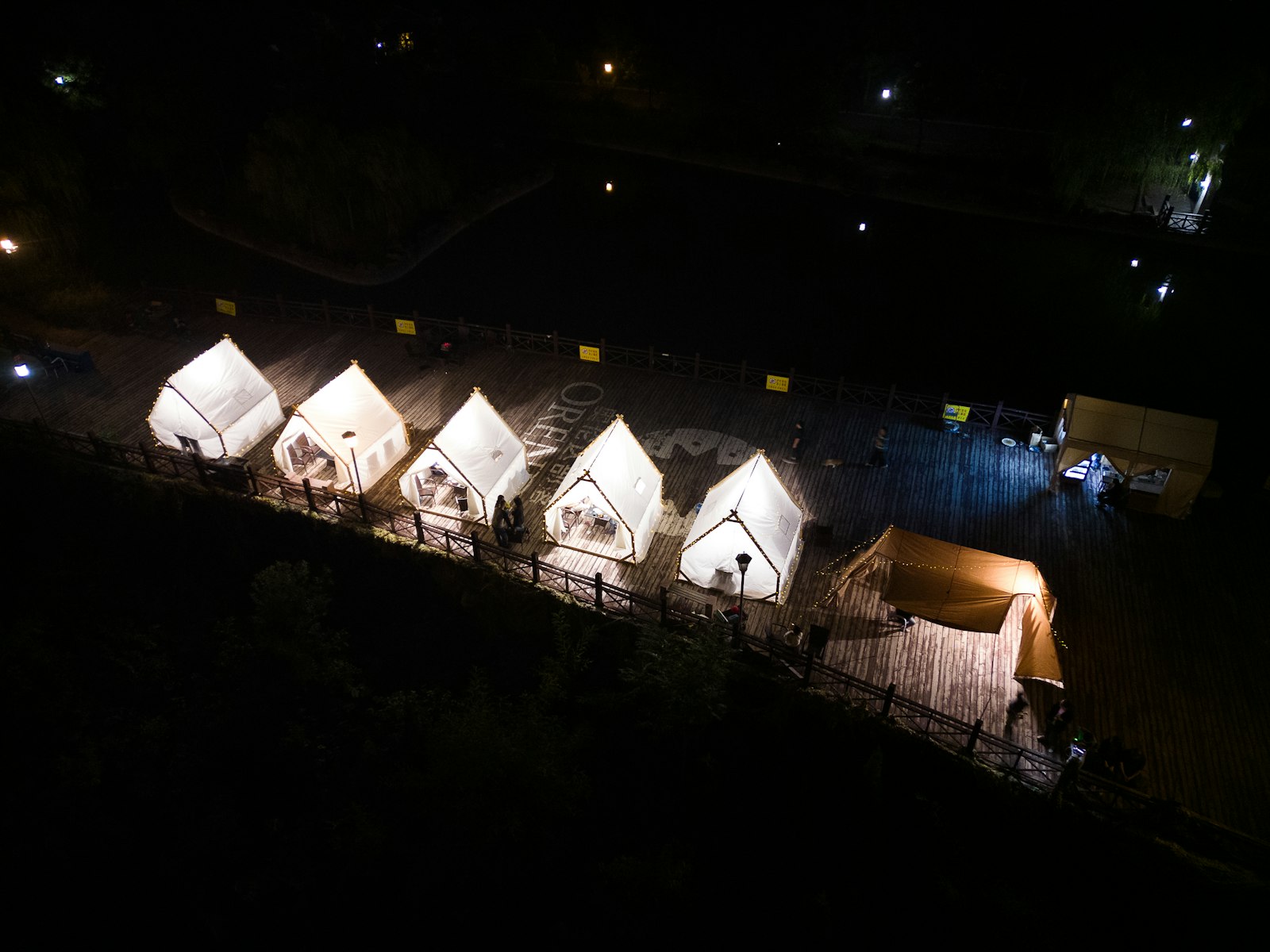
Night drives run all year in the conservancies, and Masai Mara nocturnal wildlife does not migrate in the way the wildebeest do. That makes a night drive a good highlight in any month, including outside the migration season.
- July to October: the dry season and migration months. Short grass makes small animals easier to spot, but camps are busiest, so book early.
- January to March: warm, mostly dry and quieter, with many young animals on the plains and good predator activity.
- April and May: the long rains. Grass grows tall and some camps close, but those that stay open are quiet and good value.
- November and December: the short rains, usually in brief showers, with green landscapes and fewer vehicles.
The moon matters too. Bright nights help you see silhouettes across the plains, while darker nights make spotlighting more effective. Research on lions in the Serengeti found that they hunt more successfully on dark nights, so a new-moon week can be exciting for predator activity. Ask us for the moon phase when you choose dates.
How many nights to book
One night drive is a taster; two or three give you a real chance at rarer species such as aardvark or aardwolf. We suggest at least three nights in a conservancy if Masai Mara nocturnal wildlife is a priority, which also leaves time for a guided walk and full-day drives. Our is 2 days in the Masai Mara enough guide sets out what each extra night adds.
Conservancy Camps With Night Drives Book Early
The best conservancy camps have few tents and fill early in the migration months. Send your dates and we will check availability and send a written quote.
Costs and What Is Included
Night drives, the main way to see Masai Mara nocturnal wildlife, are generally part of what you pay for when you stay in a conservancy, rather than a separate ticket. Conservancy camps charge a daily conservancy fee, which goes to the Maasai landowners and to conservation, and this is usually built into the camp rate along with meals and activities. Check your camp’s inclusions, as practice varies.
If you also visit the reserve itself, Masai Mara National Reserve fees apply on the days you enter. Non-resident adults pay USD 100 per day from January to June and USD 200 from July to December. Our conservancy fees in Kenya guide explains how the two fees work together, and our Masai Mara safari packages are quoted with park fees included.
What to Pack for a Night Drive
Nights in the Mara can be surprisingly cold, because the area sits at roughly 1,500 to 2,100 metres above sea level and the vehicles are open. Pack with that in mind before you head out to look for Masai Mara nocturnal wildlife.
- A warm layer: a fleece or light down jacket, plus a hat. Many camps provide blankets and hot-water bottles.
- Binoculars: a pair with good low-light performance, such as 8×42, makes a big difference.
- A camera that handles low light: photography is hard by spotlight, so use a fast lens and high ISO, and do not use flash on animals.
- A small headtorch: for moving around the vehicle and camp, but keep it off during sightings.
- Insect repellent: mosquitoes are more active after dark, so follow your doctor’s malaria advice too.
Our Kenya safari checklist covers the rest of your packing.
Safety and Ethics After Dark
Night drives are run by experienced guides in conservancy vehicles and are very safe when you follow instructions. Stay seated, keep arms inside the vehicle and keep your voice low. In unfenced camps, staff escort you to and from your tent after dark; never walk alone at night.
Responsible spotlighting protects Masai Mara nocturnal wildlife as well as your experience. The Maasai Mara Wildlife Conservancies Association sets shared standards for its member conservancies, including vehicle limits. Choose camps that keep sightings short, avoid chasing animals and put the animal’s welfare ahead of a photograph.
For background on Kenya’s parks and conservation areas, Magical Kenya, the official tourism site, is a useful starting point.
Plan Your Conservancy Stay
Our Masai Mara conservancies guide covers which properties allow night drives, and our existing guides to the spotted hyenas and leopards of the Mara pair well with a night-drive add-on.
To learn more about two of the stars of Masai Mara nocturnal wildlife, read our genet facts and aardvark facts guides. When you are ready to plan, see our private Kenya safari and luxury Kenya safari options.
See the Mara After Dark
Bushbabies in the acacias, a leopard on the move, hyenas calling across the plains. Our Nairobi team will build a conservancy stay with night drives into your Masai Mara safari.
Frequently Asked Questions
Can you go on a night game drive in the Masai Mara?
Not inside the national reserve itself. Night drives are only permitted in the private conservancies bordering the reserve, such as Mara North, Naboisho and Olare Motorogi. To join one, you need to stay at a conservancy camp that offers them. Drives usually start around sunset and last one to two hours.
What nocturnal animals can you see in the Masai Mara?
The most common Masai Mara nocturnal wildlife sightings are bushbabies, genets, civets, springhares, white-tailed mongooses and nightjars, with aardvarks, aardwolves, crested porcupines and honey badgers as rarer finds. Lions, leopards and hyenas are also often more active after dark. Sightings vary from night to night and are never guaranteed.
Is a leopard nocturnal?
Largely, yes. Leopards are most active at night and around dawn and dusk, which is part of why they can be easier to find on a conservancy night drive than on a daytime game drive. By day they often rest in trees or thick cover, where they are hard to spot.
What does a genet look like?
A genet looks like a cross between a cat and a mongoose. It has a slender body, short legs, a spotted coat and a long, black-ringed tail. Genets are excellent climbers and are seen in trees and along camp edges at night, usually for just a few seconds.
Do I need to stay in a specific type of camp for a night drive?
Yes. You need to stay at a camp inside one of the private conservancies bordering the Masai Mara National Reserve, because night drives are not permitted inside the reserve itself. Many travellers split their stay between a reserve camp and a conservancy camp to enjoy both.
Are night drives in the Masai Mara safe?
Yes, when run by a trained conservancy guide and when you follow their instructions. Stay seated, keep your arms inside the vehicle and keep noise to a minimum. Back at camp, always ask staff to escort you to your tent after dark, as conservancy camps are unfenced.
What is the best month to see Masai Mara nocturnal wildlife?
Night drives run all year in the conservancies. The dry months, July to October and January to March, are easiest because the grass is short. April and May bring tall grass and some camp closures. Darker, moonless nights often make spotlighting and predator activity more rewarding.