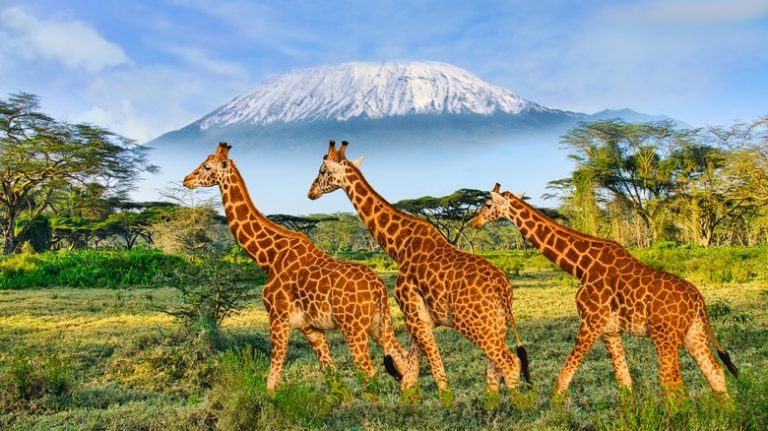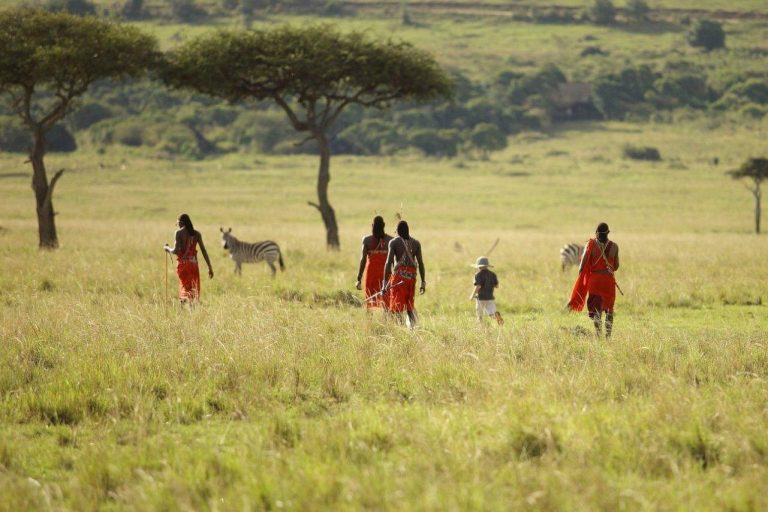

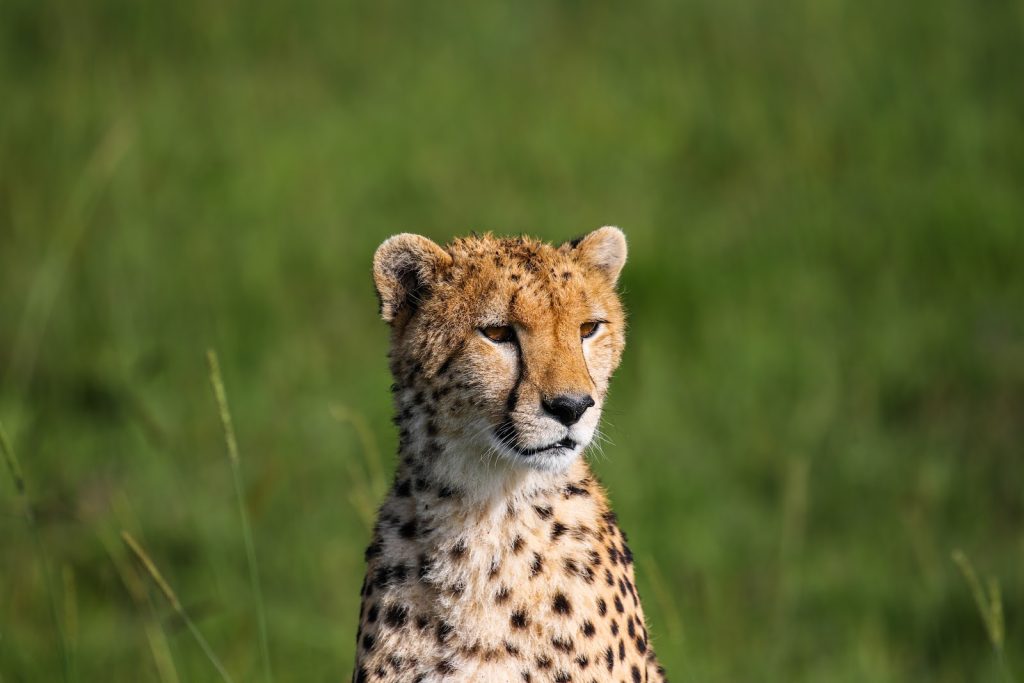
Masai Mara green season safaris are the best-kept secret in Kenyan travel. From November to May the crowds evaporate, lodge rates drop by thirty percent or more, and the plains turn an impossible emerald under towering storm skies. The predators don’t leave — the Mara’s lions, cheetahs and leopards are resident year-round — but the minibuses do. Add tens of thousands of newborn gazelles, topi and warthogs, plus 200-plus migrant bird species, and you have a safari that many professional guides quietly prefer to the peak-season circus. Sense of Adventure prices these months keenly, and repeat guests book almost nothing else.
Safari Smarter, Not Pricier
Green season means better rates, better light and empty sightings. Send us your months and we’ll show you the numbers.
What the Masai Mara Green Season Actually Looks Like
The green season spans the short rains (November-December), a dry, hot window (January-February) and the long rains (March-May). Rain typically falls as dramatic afternoon storms, not all-day washouts — mornings are routinely clear and fresh for game drives across the reserve’s 1,510 km². Grass grows taller and greener, resident wildlife concentrates around drainage lines, and the light after a storm is the best photography light of the year. January to March brings a wave of births across the plains, with predators shadowing the nursery herds.
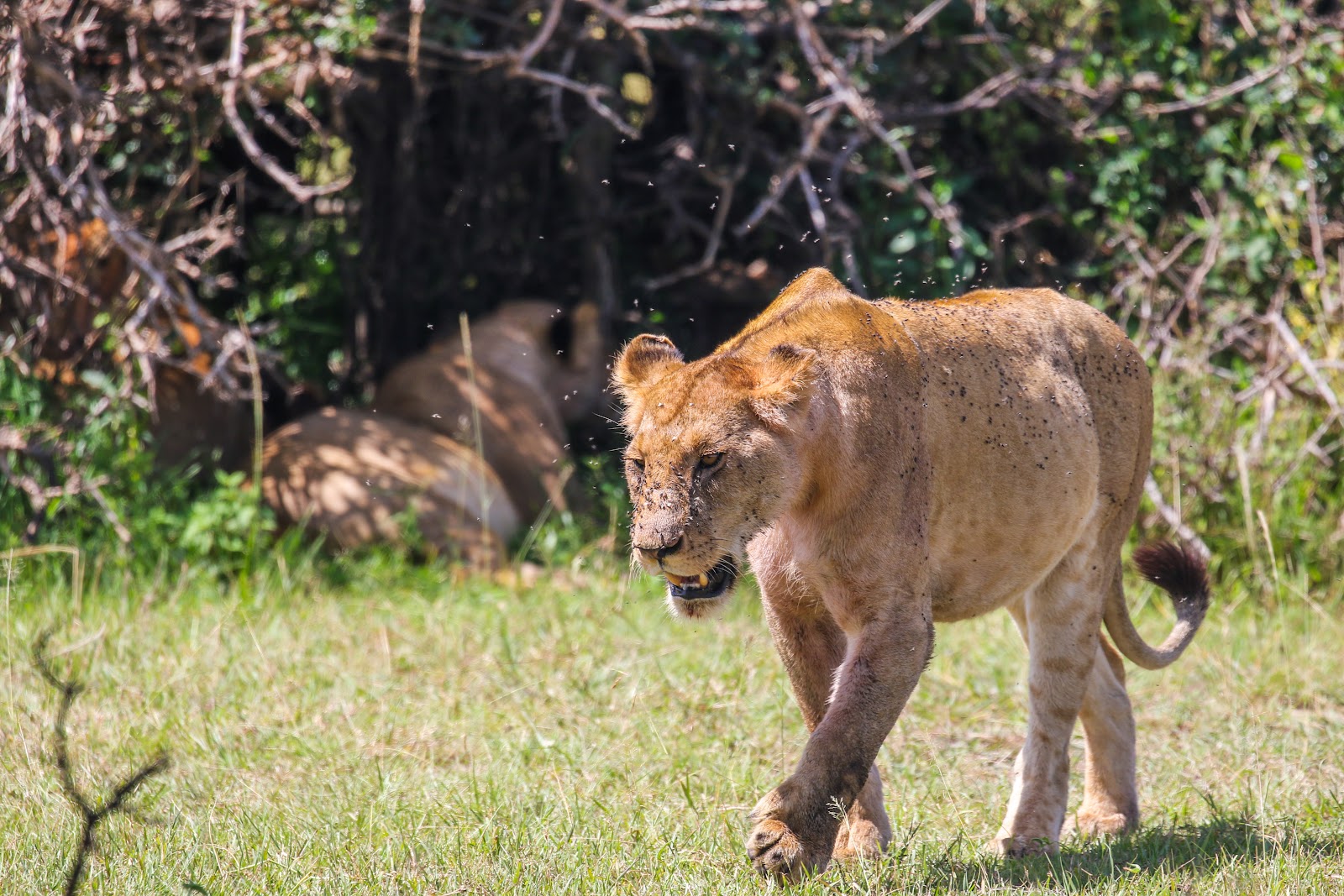
We had a leopard sighting entirely to ourselves for forty minutes in April. Forty minutes! In August you’d share that with fifteen vehicles. Half the price, twice the safari — I’m never going back in high season.
— Repeat Sense of Adventure guest, green season convert
The 5 Best Reasons to Book the Green Season
Sightings Without the Crowd — the Mara as it used to be
In peak season a good leopard sighting can draw a queue of vehicles; in the green months you will often be alone with the animal until you choose to leave. That solitude changes behaviour too — cats hunt, court and move naturally when they aren’t hemmed in. It is the single biggest reason guides love this season.
The Baby Boom — the plains turn into a nursery
From January to March the Mara’s gazelles, topi, impalas and warthogs drop their young in synchronised waves — wobbly-legged newborns everywhere you look. Predator action follows the nurseries, so dramatic hunts increase exactly when vehicle numbers are lowest. For behaviour-rich game drives, calving season is unbeatable.
Photographer’s Light — storm skies and emerald grass
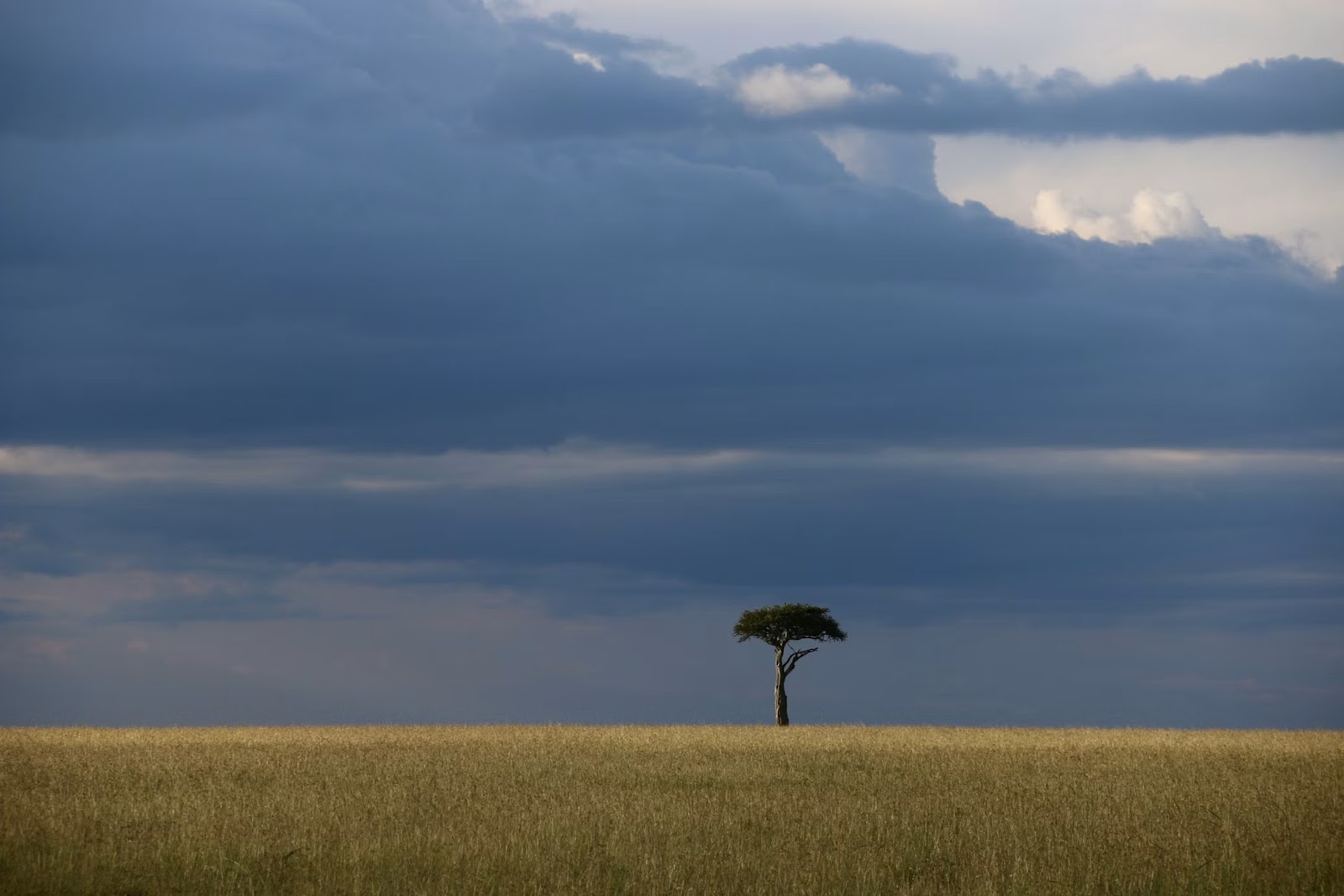
Green season delivers the Mara’s most dramatic photography: charcoal storm cells behind sunlit lions, rainbows over wet plains, dust replaced by clean, saturated colour. Overcast light acts as a giant softbox for portraits. Most award-winning Mara images you have admired were shot in these months — ask any pro.
Serious Savings — the same Mara for less
Lodges and camps cut rates 30% and more between November and May, and availability opens up at properties that are booked solid all August. Your budget stretches to a better camp, an extra night or a private vehicle. We are straight with guests about this: green season is the value play of the safari calendar.
The Birding Bonanza — 200+ migrant species join the residents
November to April brings Eurasian and intra-African migrants pouring into the Mara — rollers, bee-eaters, cuckoos, harriers and waders joining the resident secretary birds, bustards and eagles. Serious birders can log well over 200 species in a few days. Even non-birders notice the plains humming with colour and song.
Get the Green Season Rates
Tell us your travel window between November and May and we’ll quote camps at their sharpest prices of the year.
Green Season Facts Worth Knowing
- Rain reality: showers fall mostly as afternoon storms; mornings — prime game-drive time — are usually clear.
- Savings: expect 30%+ off many camps versus July-October, with far better availability.
- Wildlife: all resident predators and plains game stay in the Mara year-round — only the migration herds leave.
- Calving: January-March is peak birthing for resident gazelles and topi, driving intense predator activity.
- Birding: over 200 migrant species arrive November-April, peaking the reserve’s list past 500 species.
- Roads: black-cotton tracks get sticky after storms — 4×4 vehicles and experienced drivers matter most in April-May.
Planning a Green Season Trip
Any of our Mara itineraries runs beautifully in the green months — the classic 3-day Masai Mara safari is the natural starting point, while photographers should look at the 6-day Photographic Safari for storm-light sessions. Compare months in detail in our best time to visit the Masai Mara guide, and see the Kenya weather guide for the whole country.
The Plains Are Green and Empty
Lock in green-season rates before the calendar flips. Message us for this week’s best camp offers.
Frequently Asked Questions
When is the green season in the Masai Mara?
The Masai Mara green season runs roughly November to May, covering the short rains (November-December), a warm dry spell (January-February) and the long rains (March-May). Rain falls mainly as afternoon storms, leaving mornings clear for game drives on quiet, emerald plains.
Is the Masai Mara worth visiting in the rainy season?
Yes — the Masai Mara green season offers resident lions, leopards and cheetahs without the migration-season crowds, plus newborn wildlife from January to March, spectacular storm-light photography and lodge savings of 30% or more. Only the wildebeest herds are absent; everything else stays.
Do lions leave the Masai Mara outside migration season?
No. The Masai Mara’s lion prides, leopards, cheetahs, elephants and plains game are resident all year — they do not follow the migration into Tanzania. Green season game drives regularly deliver all the big cats, often with no other vehicle at the sighting.
How much cheaper is a green season Masai Mara safari?
Green season Masai Mara rates typically run 30% or more below July-October peak pricing, and some luxury camps discount even further in April-May. The savings can fund an extra night, a private vehicle or a camp upgrade for the same total budget.
What should I pack for a green season Mara safari?
For a Masai Mara green season safari pack a light rain jacket, warm fleece for cool mornings, quick-dry layers and a dust- and splash-resistant camera bag. Storms pass quickly, but black-cotton mud makes closed shoes with grip worthwhile for camp paths.