

Safari supplier due diligence is the structured check a travel agency or tour operator runs before contracting a ground partner in Kenya. It confirms the supplier is licensed by the Tourism Regulatory Authority, properly insured, financially sound, transparent on pricing and able to handle emergencies, so your clients and your agency are protected before any money moves.
–>Sense of Adventure is a Nairobi-based ground operator licensed by Kenya’s Tourism Regulatory Authority (TRA1/47/C01/77087), working with travel agents, tour operators, wholesalers and MICE planners. We expect partners to vet us, and this guide sets out the six checks we would run ourselves: licensing, association membership, insurance, vehicles and guides, pricing and contracts, and operations. It also gives you a scorecard, red flags and a step-by-step process. Our Kenya DMC for travel agents page explains how we work with the trade.
{“title”:”Table of Contents”,”headings”:[],”listStyle”:”ul”,”titleWrapper”:”h2″,”excludeHeadings”:[]} /–> {“id”:12862,”sizeSlug”:”large”,”linkDestination”:”none”} –>
✅ Safari Supplier Due Diligence: The Quick Answer
{“className”:”wp-block-list”} –>- –>
- Licence first: confirm a current Tourism Regulatory Authority licence and check it on TRA’s official verification platform before you pay anything. –>
- Association checks: if a supplier claims KATO membership, confirm it in the KATO members directory and understand what the bonding scheme does and does not cover. –>
- Insurance: ask for public liability and vehicle passenger cover certificates, and how medical evacuation is handled. –>
- Pricing: insist on itemised quotes with current park and conservancy fees, and payment only to a company bank account. –>
- Operations: test response times, emergency procedures and the 24-hour contact before the first booking. –>
- Paper trail: keep every answer in a written supplier file and review it every year.
🤝 Vetting a new Kenya ground partner this season?
Send us your supplier questionnaire and we will return our licence details, insurance information and sample trade documents for your file.
What Is Safari Supplier Due Diligence?
–>Safari supplier due diligence is the evidence-based review an agency completes before it trusts a destination partner with clients, money and its own reputation.
–>In practice, it means asking a Kenya ground operator, DMC or camp for documents, checking those documents against official sources, testing how the supplier responds, and recording the results. Good safari supplier due diligence is not a single phone call. It is a repeatable process, with a written file you can show to your management, your insurer or, if ever needed, a regulator in your own market.
–>Safari supplier due diligence matters because your clients rarely separate your agency from the ground partner. If a vehicle breaks down, a transfer is missed or a camp booking was never made, your client will blame the name on their invoice.
{“level”:3,”anchor”:”why-safari-supplier-due-diligence-matters-more-in-2026″} –>Why safari supplier due diligence matters more in 2026
–>Kenya’s regulator has put safari supplier due diligence firmly on the agenda. In a public advisory reported in July 2026, the Tourism Regulatory Authority urged tourism businesses, including travel agents and tour operators, to verify the licensing status of their business partners before signing agreements or making payments, and warned that dealing with unlicensed enterprises risks regulatory action. TRA has also revoked licences for compliance failures and run enforcement against unlicensed operators. For overseas agencies, that makes safari supplier due diligence both good business and good protection.
–>Our guide to DMC vs tour operator vs ground handler explains which type of partner you may be vetting and what each one should be responsible for.
{“anchor”:”check-1-licensing-and-legal-registration”} –>Check 1: Licensing and Legal Registration
–>The first step in safari supplier due diligence is simple: a Kenya ground operator must hold a valid licence from the Tourism Regulatory Authority.
–>Tour operators and travel agencies are among the tourism enterprises that must be licensed under Kenya’s Tourism Act, 2011. Licences are renewed annually, and TRA now handles applications and renewals online. Ask for the supplier’s licence number and certificate, then verify it yourself rather than relying on a logo on a website.
{“className”:”wp-block-list”} –>- –>
- Ask for: the TRA licence certificate showing the company name, licence category and validity year. –>
- Verify: use the TRA online licence verification platform (verify.tra.go.ke), which checks a licence by the company’s TRA file number, or contact TRA through the Tourism Regulatory Authority website. –>
- Match the names: the licensed company name should match the name on contracts, invoices and the bank account. –>
- Check the address: a real Nairobi office or operations base you can visit or see on a video call. –>
- Company registration: ask for the certificate of incorporation and tax registration if your compliance team requires them.
Expert tip from our Nairobi operations team: put a reminder in your diary for January each year. Licences run on an annual cycle, so ask every supplier for their new certificate once renewals close, and file it in your safari supplier due diligence records with last year’s copy.
–>Our Kenya safari DMC guide lists twelve questions to ask a partner, and our guide to choosing a responsible safari covers the ethical checks your clients increasingly ask about.
{“anchor”:”check-2-trade-association-membership-and-financial-protection”} –>Check 2: Trade Association Membership and Financial Protection
–>Association membership is a useful signal in safari supplier due diligence, but you must confirm it independently and understand its limits.
–>The Kenya Association of Tour Operators (KATO) is the main trade body for Kenyan tour operators. If a supplier says it is a member, look for the company in the KATO members directory. Membership is not a legal requirement to operate, so its absence is not automatically a red flag, but a false claim is.
{“level”:3,”anchor”:”what-the-kato-bonding-scheme-covers”} –>What the KATO bonding scheme covers
–>KATO describes its bonding scheme as a financial guarantee that can partly refund clients and agents who booked services through a fully paid-up member, if that member goes into involuntary liquidation before delivering contracted services. KATO states that it does not cover voluntary liquidation or fraud, and claims are capped at the bond amount. Treat it as one layer of protection, not a replacement for your own checks, deposits policy and insurance.
–>As part of safari supplier due diligence, ask every supplier, member or not, how client money is protected: whether deposits go to suppliers promptly, how long funds are held, and what happens if a camp or airline fails.
{“id”:12863,”sizeSlug”:”large”,”linkDestination”:”none”} –>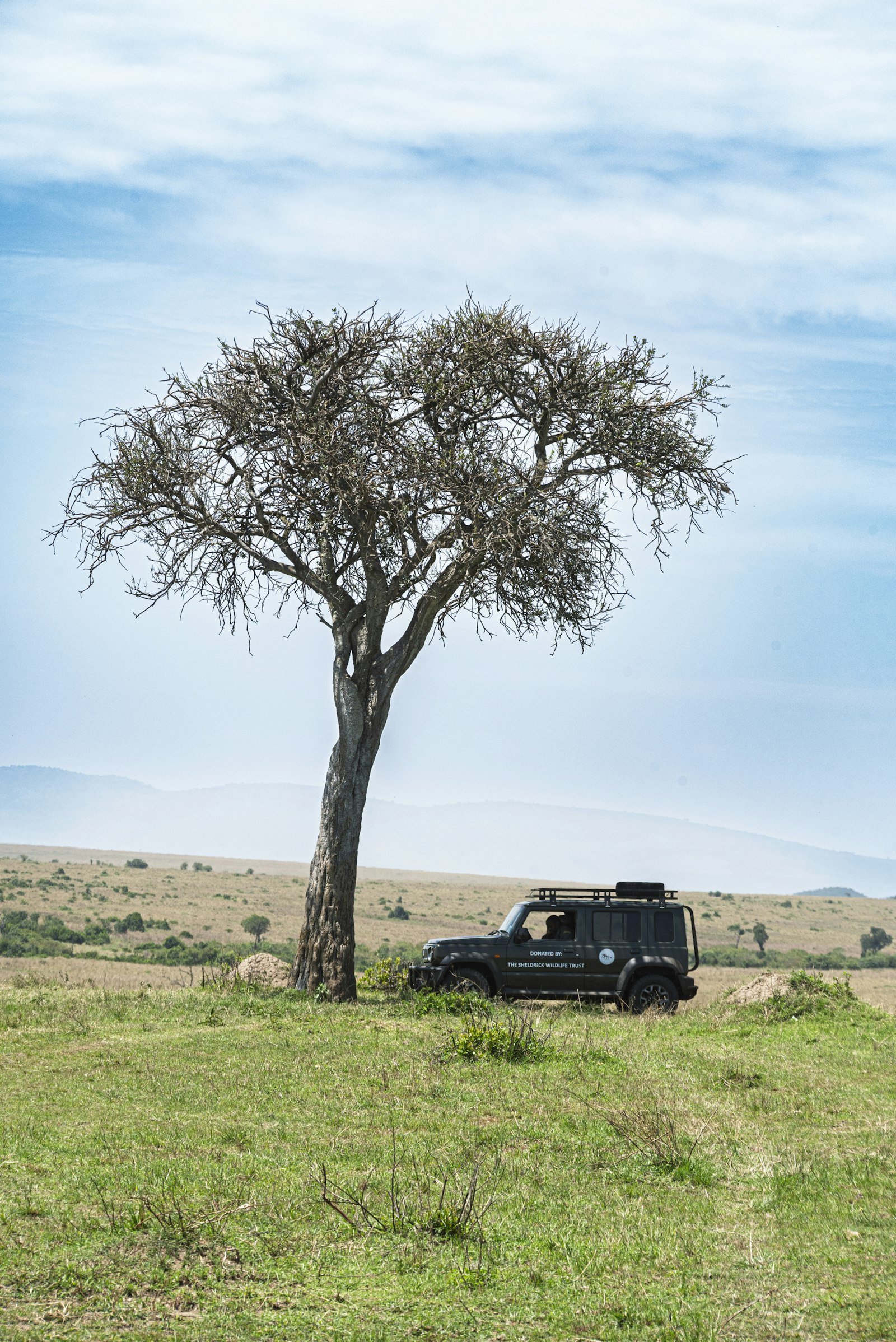
Check 3: Insurance and Emergency Cover
–>Insurance is a core part of safari supplier due diligence: a credible Kenya partner should be able to show you what insurance it holds and explain exactly what happens if a client falls ill or is injured on safari.
{“className”:”wp-block-list”} –>- –>
- Public liability insurance: ask for the certificate and the level of cover. –>
- Vehicle and passenger insurance: every safari vehicle should carry valid insurance that covers passengers, not only the vehicle. –>
- Medical evacuation: ask whether air evacuation cover is included or must be bought separately. Every Sense of Adventure safari includes complimentary AMREF Flying Doctors emergency evacuation cover. –>
- Client travel insurance: your clients still need their own comprehensive travel insurance, including cancellation cover. –>
- Entry insurance: Kenya has introduced a mandatory Kenyan Government inbound travel health insurance for most visitors, about USD 44, bought through the official Kenya eTA portal process. Check current terms before each departure, as details can change.
Expert tip from our Nairobi operations team: ask a supplier to walk you through a real-world scenario, such as a client with a broken wrist in the Masai Mara at 6pm. A good operator will describe the call chain, the nearest medical facility, how evacuation is arranged and how you, the agent, are kept informed.
{“anchor”:”check-4-vehicles-driver-guides-and-field-standards”} –>Check 4: Vehicles, Driver-Guides and Field Standards
–>Vehicles and guides are what your clients actually experience, so safari supplier due diligence should cover the fleet and the people as carefully as the paperwork.
{“level”:3,”anchor”:”vehicle-questions-to-ask”} –>Vehicle questions to ask
{“className”:”wp-block-list”} –>- –>
- Which vehicles are used: pop-up roof 4×4 Land Cruisers, safari vans, or both, and on which routes? –>
- How many seats are sold per vehicle, and is a window seat guaranteed for every client? –>
- Are vehicles owned or subcontracted, and how are subcontracted vehicles checked? –>
- How often are vehicles serviced, and what happens if one breaks down in a park? –>
- Do vehicles carry communication equipment, a first aid kit, charging points and drinking water?
Driver-guide questions to ask
{“className”:”wp-block-list”} –>- –>
- Are guides employed or freelance, and how are they trained? –>
- Do they hold recognised guiding qualifications, such as the Bronze, Silver and Gold levels used in Kenya? –>
- Which languages can they guide in, and how far ahead must a specific language be requested? –>
- How are guides briefed on each client, including dietary needs, mobility and celebrations?
Our guides to what makes a good safari guide and Kenya group ground handling explain what good looks like and how vehicle numbers scale for larger groups. Record every answer in your safari supplier due diligence file, with vehicle photos if you can get them.
{“anchor”:”check-5-pricing-transparency-and-contract-terms”} –>Check 5: Pricing Transparency and Contract Terms
–>For safari supplier due diligence on pricing, the rule is simple: a trustworthy supplier gives you clear, itemised pricing and written terms, and never asks you to pay into a personal account.
–>Ask for a sample quote as part of your safari supplier due diligence. It should list accommodation, transport, guiding, flights, park and conservancy fees and any extras separately, and say whether rates are net or commissionable. Check that fees match the official sources. For example, the Masai Mara National Reserve charges non-resident adults USD 100 per day from January to June and USD 200 per day from July to December in 2026; check the current schedule with Narok County. Kenya Wildlife Service conservation fees rose from 1 October 2025; confirm current figures on the Kenya Wildlife Service website.
–>| Term | What to look for | Warning sign |
|---|---|---|
| Rates | Net or commissionable rates confirmed in writing, with validity dates | Verbal prices or rates that change after booking |
| Park fees | Listed separately at current official rates | Fees bundled with no breakdown, or out-of-date figures |
| Deposits | A clear deposit and balance schedule linked to supplier deadlines | Full payment demanded months ahead with no reason |
| Cancellation | A written scale that mirrors camp and airline terms | No written policy, or a policy that differs from the quote |
| Bank details | Company account in the licensed company name | Personal or third-party accounts, or sudden changes to bank details |
| Branding | White-label documents available if you need them | Supplier contacts your clients directly without agreement |
Keep this table in your safari supplier due diligence file and tick each line when the supplier’s written terms arrive.
–>Our guides to safari payment terms for travel agents and safari net rates vs commission go deeper on deposits, balances and margins.
–>📩 Request Our Current Trade Rates
Ask for an itemised sample quote with our current trade terms, so you can compare it line by line against your checklist.
Check 6: Operations, Communication and Crisis Handling
–>The best test of a ground partner is how it communicates when something changes, so build an operations check into your safari supplier due diligence.
{“className”:”wp-block-list”} –>- –>
- Response times: how quickly are quotes and changes answered? We aim to send quotations within 24 hours. –>
- Named contacts: a dedicated trade desk contact and a 24-hour emergency number. –>
- Live updates: how you are told about flight delays, road conditions or room changes while clients travel. –>
- Arrival handling: meet and greet at JKIA and Wilson Airport, with clear instructions for clients. –>
- Contingency plans: what happens if a road is closed after rain, a light aircraft is delayed or a camp overbooks. –>
- Feedback loop: how client feedback and complaints are logged and resolved.
A simple safari supplier due diligence test is to send a realistic enquiry, then change one detail a day later. Note how fast the reply comes, whether the revised quote is accurate, and whether the supplier asks sensible questions.
{“anchor”:”safari-supplier-due-diligence-scorecard”} –>Safari Supplier Due Diligence Scorecard
–>A scorecard turns safari supplier due diligence into a decision, because it lets you compare partners on the same criteria.
–>| Area | Evidence to collect | Score 0 to 2 | Must pass? |
|---|---|---|---|
| Licensing | Current TRA licence, verified on TRA’s platform | 0 none, 1 claimed, 2 verified | Yes |
| Company details | Registration, address, matching bank account | 0 missing, 1 partial, 2 complete | Yes |
| Association | KATO or other membership, confirmed in directory | 0 false claim, 1 none, 2 verified | False claim fails |
| Insurance | Liability and passenger cover certificates, evacuation plan | 0 none, 1 partial, 2 full | Yes |
| Fleet and guides | Vehicle list, seating policy, guide qualifications | 0 vague, 1 partial, 2 detailed | No |
| Pricing | Itemised quote, correct park fees, written terms | 0 unclear, 1 partial, 2 clear | Yes |
| Operations | Response time, 24-hour contact, contingency plans | 0 poor, 1 fair, 2 strong | No |
| References | Trade references you can call | 0 none, 1 one, 2 two or more | No |
In safari supplier due diligence, a supplier that fails any must-pass item should not receive bookings, however attractive its rates. Among those that pass, use the total score and a test booking to decide.
–>🧭 Comparing two or three Kenya ground partners?
Tell us what your scorecard needs and we will send the documents we hold in writing, so you can compare suppliers fairly.
Red Flags and the Documents to Request
{“level”:3,”anchor”:”red-flags-when-vetting-a-kenya-safari-supplier”} –>Red flags when vetting a Kenya safari supplier
–>Most problems in safari supplier due diligence show up early as small inconsistencies, so take any of these warning signs seriously.
{“className”:”wp-block-list”} –>- –>
- No licence number, or a licence that cannot be verified with TRA. –>
- A company name on invoices that differs from the licensed name. –>
- Requests to pay into a personal account or a newly changed bank account. –>
- Prices far below the market with no clear explanation, especially in peak season. –>
- Park fees missing from the quote, or quoted at old rates. –>
- Pressure to pay in full immediately to hold space that cannot be confirmed in writing. –>
- No physical office, or reluctance to join a video call. –>
- Vague answers about vehicles, guides or emergency procedures. –>
- Reviews or awards that cannot be traced to a real source.
Expert tip from our Nairobi operations team: if bank details change by email, always confirm by phone using a number you already hold, never a number in the same email. Payment fraud often starts with a convincing message, which is why bank checks belong in every safari supplier due diligence process.
{“level”:3,”anchor”:”safari-supplier-due-diligence-documents-to-request”} –>Safari supplier due diligence documents to request
–>Collect the same documents from every partner, so your safari supplier due diligence file is complete and easy to review.
{“ordered”:true,”className”:”wp-block-list”} –>- –>
- TRA licence certificate for the current year. –>
- Certificate of incorporation and tax registration, if your policy requires them. –>
- Association membership confirmation, where claimed. –>
- Public liability and vehicle passenger insurance certificates. –>
- Emergency and evacuation procedures, including the 24-hour contact. –>
- Standard booking terms: deposits, balances, cancellation and amendments. –>
- A sample itemised quote and a sample voucher or itinerary. –>
- Vehicle list or description, seating policy and guide profile. –>
- Bank details on company letterhead, signed by a director. –>
- Two trade references, ideally from agencies in your region.
Our guide on how to request a safari quote from a DMC lists the client details that help a supplier produce an accurate sample quote quickly.
{“id”:12864,”sizeSlug”:”large”,”linkDestination”:”none”} –>
How to Run Safari Supplier Due Diligence in 7 Steps
–>This seven-step process keeps safari supplier due diligence consistent across your team and takes most agencies two to four weeks per supplier.
{“ordered”:true,”className”:”wp-block-list”} –>- –>
- Shortlist: choose two or three Kenya suppliers that match your clients, routes and budget. –>
- Send a questionnaire: ask the same questions to each, based on the six checks above. –>
- Verify: check licences with TRA, memberships with KATO and insurance certificates with the issuer where needed. –>
- Meet: hold a video call with the owner or trade manager, and visit the Nairobi office if you travel. –>
- Test: send a live or realistic enquiry, then change it, to judge speed and accuracy. –>
- Score and decide: complete the scorecard, note any conditions and get sign-off. –>
- Review yearly: refresh licences and insurance each year, and after any serious incident.
A Kenya fam trip or site inspection is the strongest final stage of safari supplier due diligence, because you see vehicles, guides and camps for yourself.
{“anchor”:”how-sense-of-adventure-supports-your-due-diligence”} –>How Sense of Adventure Supports Your Due Diligence
–>We make safari supplier due diligence easy by sending the documents you need in writing and answering your questions directly.
{“className”:”wp-block-list”} –>- –>
- Licensed: Tourism Regulatory Authority licence TRA1/47/C01/77087, which you can verify with TRA. –>
- Based in Nairobi: Mountain Mall, Thika Road, with an operations team handling every booking. –>
- Clear pricing: B2B net or commissionable rates, with terms confirmed in writing and quotes within 24 hours. –>
- Ground services: pop-up roof 4×4 Land Cruisers and safari vans, English-speaking driver-guides, light-aircraft bookings and park entry coordination. –>
- Support: a dedicated trade desk, real-time operational updates and complimentary AMREF Flying Doctors evacuation cover on every safari. –>
- Your brand: white-label documents for FIT, group and incentive clients across Kenya and Tanzania, with Zanzibar, Uganda and Rwanda extensions.
Browse ready-made trips in our B2B trade partners portal, see our private Kenya safari and Masai Mara safari packages, or read how a Kenya B2B safari operator works with agencies.
{“anchor”:”safari-supplier-due-diligence-faqs”} –>Safari Supplier Due Diligence FAQs
{“questions”: [{“id”: “faq-question-1”, “title”: “What is safari supplier due diligence?”, “content”: “It is the structured check a travel agency or tour operator runs before contracting a safari ground partner. It covers licensing, company registration, insurance, vehicles and guides, pricing, contract terms and emergency handling, with evidence kept in a written file and reviewed each year so clients and the agency stay protected.”, “visible”: true}, {“id”: “faq-question-2”, “title”: “How do I check if a Kenya tour operator is licensed?”, “content”: “Ask for the company’s Tourism Regulatory Authority licence certificate and file number, then check it on TRA’s online licence verification platform or contact TRA directly. Make sure the licensed company name matches the name on the contract, invoices and bank account before you make any payment.”, “visible”: true}, {“id”: “faq-question-3”, “title”: “Is KATO membership required to operate safaris in Kenya?”, “content”: “No. A TRA licence is the legal requirement, while KATO membership is voluntary. Membership is a useful signal and brings access to the KATO bonding scheme, which has limits, so confirm any claimed membership in the KATO members directory and still complete your own checks.”, “visible”: true}, {“id”: “faq-question-4”, “title”: “What insurance should a safari ground operator have?”, “content”: “Ask for public liability insurance and vehicle insurance that covers passengers, and ask how medical evacuation is arranged. Clients still need their own travel insurance, and most visitors to Kenya must also buy the mandatory Kenyan inbound travel health insurance through the official eTA process.”, “visible”: true}, {“id”: “faq-question-5”, “title”: “What are the biggest red flags when vetting a safari supplier?”, “content”: “Watch for licences that cannot be verified, company names that do not match, requests to pay personal accounts, sudden bank detail changes, prices far below market, missing park fees and vague answers on vehicles, guides or emergencies. Any one of these deserves a pause and a phone call.”, “visible”: true}, {“id”: “faq-question-6”, “title”: “How long does safari supplier due diligence take?”, “content”: “Most agencies need two to four weeks per supplier. That allows time to send a questionnaire, verify licences and memberships, hold a video call, test a realistic enquiry and complete a scorecard. A fam trip or site inspection adds a stronger final check if you can travel.”, “visible”: true}, {“id”: “faq-question-7”, “title”: “How often should I review a Kenya ground partner?”, “content”: “Review every partner at least once a year, ideally after licence renewals in January, and again after any serious incident or ownership change. Refresh the licence, insurance certificates, terms and bank details, and note client feedback from the past season in your supplier file.”, “visible”: true}]} –>What is safari supplier due diligence?
How do I check if a Kenya tour operator is licensed?
Is KATO membership required to operate safaris in Kenya?
What insurance should a safari ground operator have?
What are the biggest red flags when vetting a safari supplier?
How long does safari supplier due diligence take?
How often should I review a Kenya ground partner?
🏕 Partner With Sense of Adventure in Kenya
Kenya-based ground operator. Real local knowledge. Transparent trade pricing. Send us your due diligence questionnaire and we will reply with our licence details, insurance information, sample quote and booking terms.
📋 Start Our Partner Review💬 WhatsApp Your Vetting Questions✉ Email Our Trade Desk
Call or WhatsApp: +254 799 160 081 · Email: info@senseofadventure.co.ke
Related Trade Guides
{“className”:”wp-block-list”} –>- –>
- › Kenya DMC for Travel Agents: B2B Rates and Ground Handling –>
- › Kenya Safari DMC: 12 Questions to Ask Before You Choose One –>
- › Kenya Ground Handler for UK Tour Operators –>
- › Safari Payment Terms for Travel Agents –>
- › Kenya Fam Trip: How Familiarisation Trips Work for Agents
Official licensing & park resources: Tourism Regulatory Authority ↗ · Kenya Wildlife Service ↗